It starts with a faint brown ring on the ceiling. You tell yourself it is old, probably from last winter, and you will look at it when things calm down. Three months later the ring is the size of a dinner plate, the paint is bubbling, and there is a smell you cannot quite place. The question is no longer whether to fix it. It is how much more it will cost because you waited.
Almost every homeowner has a list of things they are putting off. Most of those items really are cosmetic and can wait. A few are quietly doing damage every day, and a handful can hurt you or your family. This guide helps you sort one from the other, understand what you are looking at, and get the work done safely, legally and without being overcharged.
1. How Small Problems Become Expensive Projects
Houses fail in a predictable way: water, heat, movement and pests find a weakness, and time does the rest. A small defect lets in a small amount of moisture. The moisture feeds something else, and that something else spreads. The repair you could have handled in an afternoon becomes a job involving several trades.
The compounding effect
Delay rarely adds cost in a straight line. It tends to add layers. Consider a few common chains:
- A cracked roof shingle lets water reach the underlayment, then the decking, then the insulation and ceiling below. Now you are dealing with roofing, drywall, insulation and possibly mold.
- A slow plumbing drip under a sink softens the cabinet floor, then the subfloor, and can attract pests. The fix grows from a washer or fitting to carpentry and flooring.
- Failed caulk around a tub lets water into the wall cavity. By the time you notice a soft spot, framing and tile may need to come out.
- Clogged gutters send water down fascia boards and toward the foundation, which can lead to rot and basement moisture.
Why the cost is hidden
The bill is hidden because the damage is often behind a finished surface. You see the stain, not the wet insulation. You see the sticky door, not the settling that is causing it. That is why a modest repair quote today is often the cheapest version of the project you will ever be offered.
There are also indirect costs: higher energy bills from leaky ducts or failing seals, insurance claims that may be disputed if damage is judged to be long-term neglect rather than a sudden event, and complications when you try to sell. Policies differ, so read yours and ask your insurer how it treats gradual damage.
2. Repairs That Should Never Be Postponed
Some problems are about money. Others are about safety. If any of the following applies, treat it as urgent and stop using the affected area or system until it has been checked.
Immediate safety issues
- Gas smell or suspected gas leak. Do not flip switches, light anything or use your phone inside. Leave the house and call your gas utility or emergency number from outside.
- Burning smell, scorch marks, buzzing or hot outlets and panels. Turn off the circuit if you can do so safely and call a licensed electrician.
- Carbon monoxide alarm sounding. Get everyone outside into fresh air and call emergency services. Do not assume it is a faulty detector.
- Sagging floors, ceilings or rooflines, or a leaning wall. These can signal structural failure. Keep people out of the area and call a structural engineer or qualified contractor.
- Loose or missing stair and deck railings, and rotted deck ledgers. Falls are a real risk, and deck collapses usually happen without much warning.
- Active roof leaks or standing water indoors. Water near electrical fixtures is a shock hazard.
Problems that worsen quickly
- Any leak, anywhere, that you can see or hear.
- Roof flashing failures around chimneys, vents and skylights.
- Termite or wood-boring insect activity.
- Sewer backups or persistent slow drains throughout the house.
- Missing or broken smoke alarms and carbon monoxide detectors.
What can usually wait
Faded paint, a dated bathroom, scuffed floors and minor hairline cosmetic cracks can generally wait without causing harm, as long as they are not hiding a moisture problem. Pushing a purely cosmetic project back a year is a budget decision. Pushing back a leak is a gamble.
3. How to Tell What You Are Dealing With
You do not need to be a builder to do a useful first assessment. The goal is to decide whether it is a monitor, fix soon, or call someone today situation.
Look, then document
Photograph the problem with something for scale, such as a coin or tape measure, and note the date. Mark the edge of a stain with a pencil line. Check again in a week or after the next heavy rain. If it has grown, it is active.
Ask three questions
- Is it wet? Active moisture is almost always the priority. Dry, old staining is less urgent than damp, spreading staining.
- Is it moving? A crack that is widening, or one that is wider at one end, deserves attention. Stable hairline cracks often are not a concern.
- Could it hurt someone? Electrical, gas, structural and fall hazards move straight to the top of the list.
Know the limits of DIY diagnosis
Moisture meters, thermal cameras and a flashlight in the attic can tell you a lot, but they do not replace a trained eye. If you are unsure, a home inspector can give a broad assessment, and a specialist such as a roofer, plumber, electrician or structural engineer can go deeper. Be cautious in older homes: materials such as lead paint or asbestos-containing products may be present, and disturbing them can release hazardous dust. Have suspect materials tested and handled by qualified professionals before sanding, scraping or demolishing.
4. Warning Signs Worth Taking Seriously
Houses usually give notice before they fail. Learn the signals, room by room.
Inside the house
- Stains, bubbling paint or peeling wallpaper on ceilings and walls, especially if they recur after you repaint.
- Musty odors that linger, which often point to hidden moisture.
- Doors and windows that suddenly stick or gaps that open above door frames, which can suggest movement.
- Floors that feel spongy or slope where they did not before.
- Breakers that trip repeatedly, lights that flicker or dim, and outlets that feel warm or spark.
- Water pressure drops, discolored water or gurgling drains.
Outside the house
- Missing, curled or cracked shingles, and granules collecting in gutters.
- Gutters pulling away or overflowing, and water pooling near the foundation.
- Stair-step cracks in brick or block, or horizontal cracks in basement walls.
- Soft or crumbly wood, especially around windows, decks and trim.
- Mud tubes on foundation walls, or small piles of wood-like debris, which can signal termites.
How to prioritize
When several warning signs appear at once, start with whatever involves water, electricity, gas or structure. A simple ranking works well: safety first, then anything that lets water in, then anything that wastes energy, then cosmetic work.
5. Permits and Codes: Where Homeowners Get Fined
Permit rules vary widely by city, county and country, so treat this section as a guide to what to ask, not a final answer. Your local building department can tell you what applies to your address, and the call is usually free.
Work that commonly needs a permit
- Structural changes, such as removing or altering walls, beams or columns.
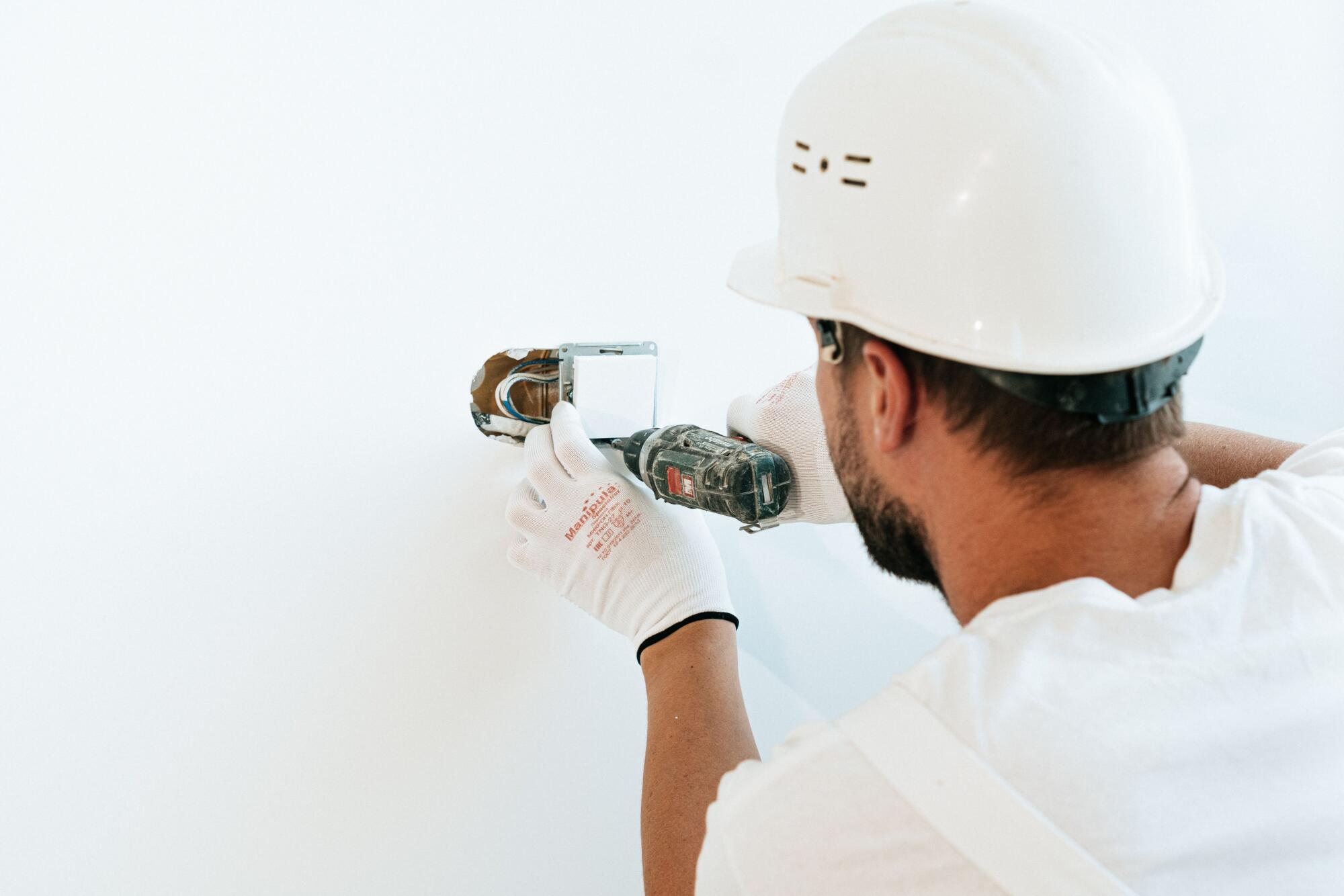
- New or altered electrical circuits, panel upgrades and service changes.
- Gas line work and gas appliance installations.
- Most plumbing changes beyond simple like-for-like fixture swaps, including water heater replacement in many areas.
- Roof replacement or re-sheathing in many jurisdictions.
- Decks, retaining walls above certain heights, and additions.
- Window and door openings that change size.
Routine maintenance, such as painting, replacing a faucet or patching a small area of drywall, typically does not need one. But rules differ, so check before you start.
Why it matters
Permits and inspections exist so a second set of eyes confirms the work is safe. Skipping them can lead to stop-work orders, fines, orders to open up finished walls for inspection, trouble with insurance after a loss, and complications at sale. Unpermitted work can also surface during a buyer’s inspection.
Who pulls the permit
In many places a licensed contractor pulls the permit, and that should be written into the contract. Be wary of anyone who suggests skipping it to save time or money, or who asks you to pull it as an owner when they will be doing the work. Owner-builder rules exist in some areas but come with responsibilities, and some trades, notably electrical and gas, may still require a licensed professional.
Codes you should know exist
Building codes cover things like smoke and carbon monoxide alarm placement, stair and railing dimensions, electrical grounding and protection, and egress from bedrooms. A repair that brings an old element up to current code can sometimes trigger additional upgrades, so ask your contractor and building department how that works in your area.
6. Who to Hire for Which Job
Hiring the wrong person is how many homeowners end up hurt or ripped off. Match the problem to the right professional and vet them before any money changes hands.
Matching the problem to the trade
| Problem | Start with |
|---|---|
| Roof leaks, damaged flashing | Licensed roofing contractor |
| Leaks, low pressure, sewer issues | Licensed plumber |
| Tripping breakers, hot outlets, panel concerns | Licensed electrician |
| Foundation cracks, sagging floors, bowing walls | Structural engineer, then a contractor |
| Musty smells, visible mold | Moisture source specialist, then remediation professional |
| Insect damage | Licensed pest control provider |
| Multiple unclear issues | General home inspector |
How to vet a contractor
- Verify the license with your state, provincial or local licensing body, where one is required.
- Ask for proof of insurance, including liability and workers’ compensation, and confirm it directly with the insurer if you can.
- Get at least three written quotes that describe the same scope so you can compare fairly.
- Check references and recent local work, and look at reviews with a critical eye.
- Insist on a written contract with scope, materials, timeline, payment schedule, permit responsibility and warranty terms.
Red flags
- Door-to-door offers after a storm, especially with pressure to sign today.
- Large upfront payments or demands for cash only. Rules on deposits vary by area, so check local limits.
- Reluctance to show a license, insurance or written estimate.
- Quotes far below everyone else’s, or vague line items.
- Suggesting you skip permits.
For anything that can affect safety, such as electrical panels, gas lines or structural elements, do not substitute a handyman or your own enthusiasm for a licensed professional.
7. Typical Costs and How Delay Changes Them
Prices swing a great deal by region, home age, access, materials and the season, so any single number from a website should be treated with suspicion, including ones from contractors who have not seen your house. What you can do is understand what drives cost and how waiting tends to shift the bill.
What drives the price
- Scope. A patch is a different job from a section replacement or a full system replacement.
- Access. Steep roofs, tight crawl spaces and finished walls add labor.
- Hidden damage. Rot, mold or corroded pipes found once the surface is opened can expand the job.
- Materials and finishes. Matching existing materials can cost more than the repair itself.
- Permits, inspections and code upgrades.
- Timing. Emergency calls and peak season often cost more than scheduled work.
How waiting tends to change the job
| Early fix | If delayed |
|---|---|
| Resealing flashing or replacing a few shingles | Decking, insulation and ceiling repairs, possibly mold treatment |
| Replacing a worn supply line or fitting | Cabinet, subfloor and flooring replacement |
| Cleaning and re-pitching gutters | Fascia and siding repair, drainage correction, basement moisture work |
| Recaulking a shower or tub | Opening the wall, replacing framing and tile |
| Early pest treatment | Structural wood replacement in addition to treatment |
Budgeting without guessing
Get written quotes, then ask each contractor to separate the cost of the repair from the cost of any optional improvements. Keep a contingency for surprises once walls or floors are opened, as many people set aside a modest cushion on top of the quote. Many homeowners also find it helpful to set aside a yearly maintenance fund rather than facing repairs as emergencies. No repair is guaranteed to raise your home’s value, but fixing defects usually protects it better than leaving them to grow.
8. Common Mistakes to Avoid
Waiting for it to get worse
Hoping a problem will resolve itself rarely works. Water does not stop on its own, and structural movement does not heal.
Treating the symptom
Painting over a stain or filling a crack without finding the cause means the problem returns, and you have also hidden the evidence. Find the source first.
Taking on risky DIY
Handy homeowners can do plenty, but electrical panel work, gas connections, structural changes and work on steep roofs are where injuries and code problems occur. If you are not trained and, where required, licensed, hand it over. Whatever you do yourself, turn off power at the breaker and confirm with a tester, wear proper protection, and never work on a roof alone or in wet conditions.
Choosing on price alone
The lowest quote can mean missing insurance, no permit, thin materials or a scope that will grow with change orders. Compare what is included, not just the total.
Skipping the paperwork
No contract, no permit, no receipts and no warranty documentation leaves you exposed if something goes wrong. Keep records of every repair, including photos before, during and after. They help with insurance claims and with a future sale.
Paying too much too soon
Pay on a schedule tied to progress, and hold back a final payment until the work is complete, inspected where required, and you are satisfied.
Ignoring the small seasonal jobs
Cleaning gutters, testing alarms, checking caulk and seals, and looking at the attic and crawl space twice a year takes little time and catches most problems early.
Conclusion: Fix It While It Is Still Small
Delaying a repair feels like saving money, but with water, electricity, gas and structure, it is usually borrowing against a larger bill. The good news is that most expensive projects begin as inexpensive ones, and you have a window to act. Learn the warning signs, rank problems by safety first, check what your local permit rules require, hire licensed and insured professionals for anything risky, and keep records of everything. That ceiling stain is not a verdict on your house. It is a prompt, and the sooner you answer it, the smaller the answer tends to be.
Key Takeaways
- Small defects, especially anything involving water, tend to compound into multi-trade projects the longer they are ignored.
- Gas smells, electrical burning, carbon monoxide alarms, structural sagging and active leaks are never safe to postpone.
- Document problems with dated photos and check whether they are wet, moving or dangerous before deciding how urgent they are.
- Ask your local building department which work needs permits, and be wary of anyone who suggests skipping them.
- Verify licenses and insurance, get several written quotes for the same scope, and sign a detailed contract before work starts.
- Costs vary by region and scope, so budget with a contingency and avoid trusting any quote that cannot be explained line by line.
- Twice-yearly maintenance checks catch most problems while they are still small and manageable.
Frequently Asked Questions
What happens if I ignore a small roof leak?
Water can soak the underlayment, decking, insulation and ceiling, and it can encourage mold and rot. A repair that might have involved a few shingles or flashing can grow into a larger roofing and interior job. Call a licensed roofer promptly, and place a bucket and tarp indoors as a temporary measure only.
Which home repairs should never be put off?
Anything involving gas, electrical hazards, carbon monoxide, structural movement, active water leaks, or loose railings and stairs. These present safety risks or worsen quickly. If you suspect a gas leak or carbon monoxide, leave the house and call emergency services from outside.
Do I need a permit to repair my roof or plumbing?
It depends on where you live and the scope of the work. Roof replacements, water heater changes, gas lines and most electrical work often require permits, while minor repairs may not. Call your local building department before starting, and make sure your contract states who is responsible for permits.
How do I know if a crack in my wall or foundation is serious?
Concern rises if the crack is widening, is wider at one end, runs horizontally, forms a stair-step pattern in brick or block, or comes with sticking doors and sloping floors. Hairline, stable cracks are often cosmetic. When in doubt, have a structural engineer take a look, as they have no stake in selling you a repair.
Can delaying repairs affect my home insurance?
It can. Insurers generally cover sudden and accidental damage, and they may dispute claims they see as the result of long-term neglect or poor maintenance. Policies differ, so read yours and ask your insurer or agent how gradual damage is treated.
How can I avoid being ripped off by a contractor?
Verify the license and insurance, get at least three written quotes for the same scope, and check references. Avoid pressure tactics, large upfront payments and anyone who suggests skipping permits. Use a written contract and tie payments to completed stages of work.
Is it cheaper to repair or replace something I have been putting off?
It depends on the extent of the damage, the age of the item and what the repair involves. Early on, repair is usually more economical, but once damage has spread or the item is near the end of its life, replacement can make more sense. Ask contractors to quote both options so you can compare.
How often should I inspect my home for hidden problems?
A walk-through twice a year, such as spring and fall, catches many problems. Check the roof from the ground, gutters, caulking, attic, crawl space, basement, under sinks and your smoke and carbon monoxide alarms. Consider a professional inspection if you notice warning signs or own an older home.
Visit: NextBldg.com