
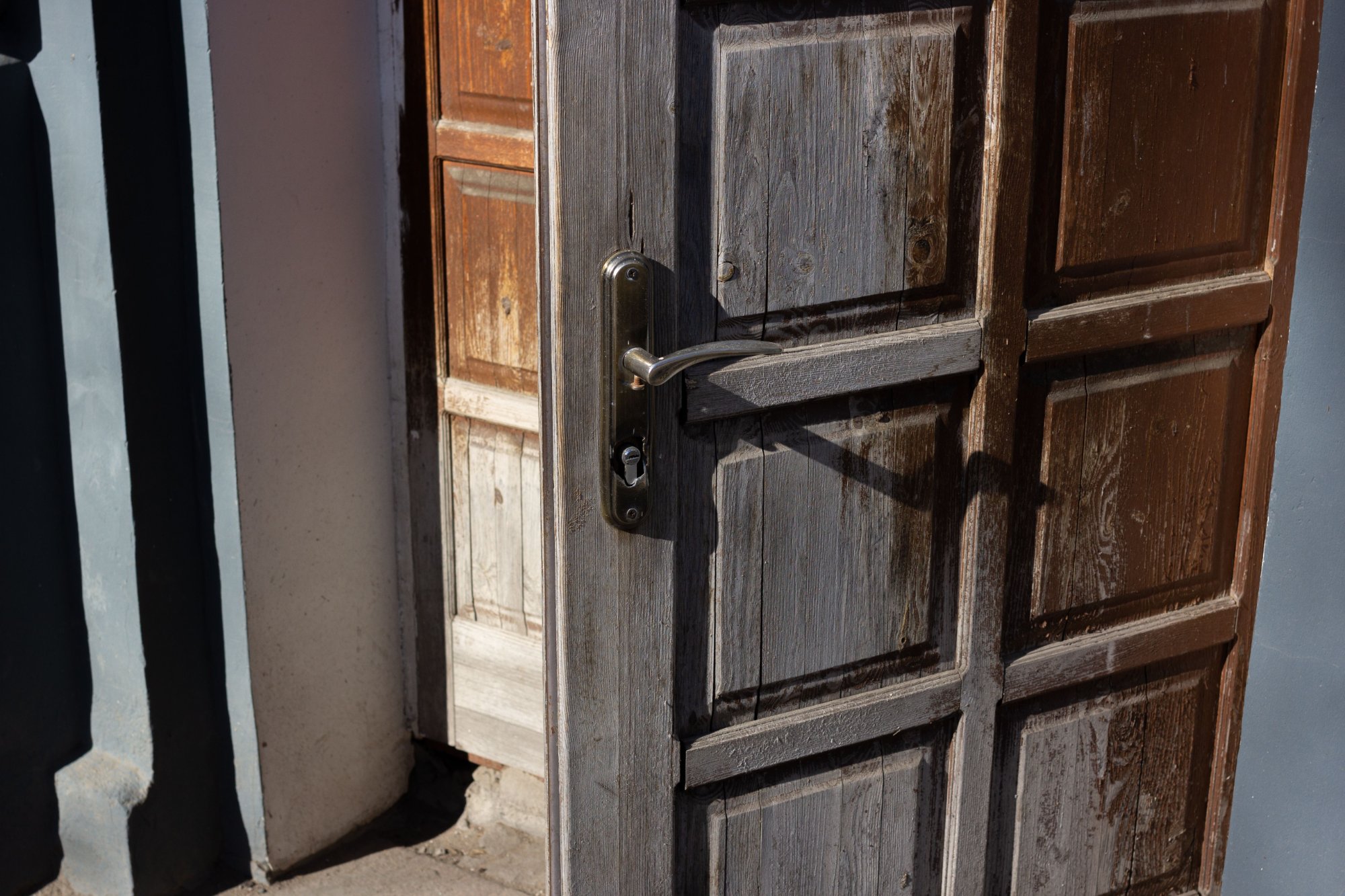
You push the bedroom door shut the way you have a thousand times, and instead of the soft click of the latch you get a thud, a bounce and a door that drifts back open an inch. Yesterday it was fine. Today it feels like the house changed the rules overnight.
The stressful question follows quickly: is this a five-minute fix with a screwdriver, or a sign that something bigger is happening inside your walls, and what is it going to cost? The honest answer is that doors stop closing properly for a surprisingly short list of reasons, and most of them are inexpensive. A few are not, which is why it pays to work out which one you are dealing with before you spend anything.
This guide walks through the typical causes, what each repair tends to cost, what pushes the price up or down, the warning signs that a stuck door is really a bigger problem, and how to budget, decide between DIY and a professional, and hire someone you can trust. Every cost range here is a broad, hedged estimate. Prices vary by region, door type and the condition of your home, so treat the numbers as a way to get oriented, not as a quote.
1. How Much Does It Cost to Fix a Door That Won’t Close?
The cost depends almost entirely on why the door stopped closing. A door is a simple system: a slab, hinges, a frame and a latch that meets a strike plate. When one part shifts by even a few millimeters, the whole thing stops lining up. Here are the usual culprits, roughly from cheapest to most expensive.
Loose hinge screws
This is the most common cause and the cheapest. Over years of swinging, the screws in the top hinge work loose and the door sags slightly, so the latch edge drops and catches the frame or misses the strike plate. Tightening the screws costs nothing. If the holes are stripped, longer screws or a few wooden toothpicks and wood glue in the holes can bring the grip back. Budget a few dollars in hardware if you do it yourself. A handyman may fold it into a short visit, and many charge a minimum call-out fee, so it can cost more than the parts suggest.
Seasonal swelling from humidity
Wood absorbs moisture and expands. If your door suddenly started sticking after a stretch of damp weather, a heating season change or a plumbing leak nearby, swelling is a likely suspect. Often it eases on its own when conditions dry out. If it does not, the fix is usually sanding or planing the sticking edge and sealing any bare wood so moisture cannot get back in. DIY supplies are typically modest. A professional visit for planing and refinishing one door may run from a modest fee into the low hundreds, depending on your area and the finish.
Misaligned strike plate or worn latch
If the door closes but will not catch, the latch bolt may no longer line up with the hole in the strike plate. Sometimes the plate just needs to be moved slightly, or the hole filed larger. Other times the latch mechanism itself is worn and needs replacing. Replacement latches and strike plates are generally inexpensive parts. Labor is the main variable if you hire someone.
Paint buildup or a new coat of paint
A fresh coat on the edge of a door or in the frame can add just enough thickness to cause rubbing, especially on older doors that have been painted many times. Scraping and light sanding usually solves it. The cost is mostly your time, though a painter may charge to correct and repaint the area.
Warped or damaged door slab
A door that has bowed, especially a solid wood door exposed to moisture or uneven heat, may never close flush again. Minor warping can sometimes be corrected with adjustments to the hinges or stop molding. Serious warping usually means replacing the slab. A basic hollow-core interior door can be a fairly low-cost swap, while solid wood, custom sizes, fire-rated or exterior doors can cost considerably more, with installation on top.
Frame movement or house settling
When the frame itself is out of square, the door may rub in a different spot every season, or the gap around it may look wedge-shaped. Shimming and re-hanging a door in a slightly shifted frame is a skilled carpentry job and can cost more than simple adjustments. If the frame is moving because the structure is moving, the door is only the messenger, and the real repair could involve a contractor, structural engineer or foundation specialist. That is where costs can climb into the thousands, depending on the cause.
A quick cost snapshot
- Tightening hinges or adjusting a strike plate: often free to low cost if DIY, a small service fee if hired.
- Sanding, planing and resealing one door: low DIY cost, a modest professional fee in many areas.
- Replacing hardware (hinges, latch, strike): parts are usually inexpensive, labor varies.
- Replacing an interior door and re-hanging it: from low to moderate, depending on door type.
- Replacing an exterior door or repairing a frame: moderate to significant, especially if trim, flashing or weatherproofing is involved.
- Fixing the underlying structural cause: highly variable and should be assessed by a qualified professional.
2. What Affects the Cost of the Repair
Two homes can have what looks like the same sticking door and end up with very different bills. These are the factors that move the number most.
| Cost factor | What drives it | Effect on your budget |
|---|---|---|
| Root cause | Loose screws are quick. Frame movement or moisture damage takes diagnosis and more work. | The biggest swing, from almost nothing to a major repair |
| Door type | Hollow-core, solid wood, steel, fiberglass and fire-rated doors differ in price and in how forgiving they are to cut or plane. | Higher for solid, exterior, custom or rated doors |
| Finish and trim | Painted or stained doors need touch-ups after sanding. Matching old trim can be fussy. | Adds time and materials |
| Hardware quality | Basic hinges and latches are cheap. Heavier hinges, smart locks and decorative sets cost more. | Moderate impact, easy to control |
| Labor rates and region | Hourly rates, minimum call-out fees and demand vary by area and season. | Can change the total noticeably for small jobs |
| Related damage | Water-damaged jambs, cracked drywall, lifted flooring or rotted sills may be found once work starts. | Can turn a small job into a larger one |
| Number of doors | If several doors are acting up, a bigger issue may be at play, or a single visit may cover multiple fixes. | Per-door cost may drop, but total cost rises |
| Access and complexity | Heavy doors, tall doors, sliding or pocket doors and tight spaces take longer. | More labor time |
Why small jobs can cost more than you expect
Many tradespeople have a minimum charge to cover travel and setup. That means a ten-minute adjustment can cost about the same as an hour of work. If you have a list of small jobs, such as a sticking door, a loose cabinet hinge and a squeaky closet door, bundling them into one visit is often the most economical way to use a call-out fee.
Why exterior doors cost more
Exterior doors do more work. They have to seal against weather, resist moisture and often carry a security lock. Adjusting or replacing one can involve weatherstripping, thresholds, flashing and caulking, and getting any of those wrong can lead to drafts or water getting into the wall. If you are weighing repair against replacement, our renovation guides cover how to think through those decisions room by room.
3. Warning Signs That a Sticking Door Is a Bigger Problem
Most of the time, a door that will not close is just a door problem. Sometimes it is the first visible clue about something else. Pay attention to the pattern, not only the single door.
Signs it is probably a simple fix
- Only one door is affected, and only in one spot.
- The problem appeared after a humid week, a paint job or a hardware change.
- You can see or feel a loose hinge when you lift the door by the handle.
- The door closes if you lift it slightly, which points to a sagging hinge.
Signs you should look further
- Several doors sticking at once, especially upstairs or on the same side of the house.
- Diagonal cracks running from the corners of door frames or windows.
- A wedge-shaped gap around the door, wider at the top than the bottom, or the reverse.
- Sloping or bouncy floors near the door.
- Gaps between walls and ceilings or between trim and walls that were not there before.
- Musty smells, stained drywall or soft wood around the frame, which suggest moisture.
- Doors that stick differently each season, suggesting the frame is moving.
None of these signs is a diagnosis on its own. Houses naturally settle and respond to weather, and small seasonal changes are normal. But when several signs show up together, it is worth asking a qualified professional to look. Catching a drainage, plumbing or foundation issue early is usually less costly than dealing with it after it has spread. If you suspect moisture is involved, check for leaks and ventilation issues before you plane a single edge, or the door may swell again.
A simple 10-minute diagnosis
- Look at the gap. Close the door and check the space along the top, latch side and hinge side. It should be fairly even.
- Find the rub. Slide a sheet of paper or a dollar bill around the edge to find tight spots, or look for shiny, scuffed or paint-free marks on the door or frame.
- Test the hinges. Lift the handle gently up and down. If the top hinge moves, the screws are loose.
- Check the latch. Does the bolt line up with the strike plate hole? Look for scratch marks showing where it lands.
- Check the weather and recent work. Has humidity changed, or has someone painted, installed flooring or adjusted anything nearby?
Those five checks will tell you whether you are dealing with a tweak, a trim job or a call to a professional.
4. How to Budget for a Door Repair
Door repairs are rarely large, but they are a good example of how small problems can quietly grow if you ignore them. A little planning keeps the cost predictable.
Start with the cheapest explanation
Always rule out loose screws, a misaligned strike plate and seasonal swelling first. These are the lowest-cost fixes and account for many cases. Spending an hour on diagnosis can save you from paying for a replacement you did not need.
Set three budget tiers
- Tier one, adjustments: screws, shims, lubricant, a strike plate, sandpaper and touch-up paint. Usually a small amount.
- Tier two, repair or replacement of a door or hardware: planing, new hinges or latch, a replacement slab and re-hanging. A moderate amount that varies with door type.
- Tier three, underlying causes: frame repair, moisture correction or structural work. Variable and best budgeted only after an assessment.
Add a contingency
Once a door is removed or a frame opened up, you may find rot, termite damage, old water stains or poorly installed shims. A reasonable habit is to set aside an extra cushion on top of whatever estimate you receive, particularly for exterior doors and older homes. How much depends on your comfort level and the age of the house, so there is no single right percentage.
Bundle where it makes sense
If you are also repainting, replacing flooring or updating trim, adjust or replace the doors at the same time. Flooring that is thicker than the old surface is a classic reason a door suddenly stops clearing, and fixing both together can avoid doing the work twice.
Compare repair and replacement honestly
Replacing a door is not automatically better. If the slab is sound and the problem is hinges or alignment, a repair is usually the more economical choice. Replacement makes more sense when the door is badly warped, water damaged, split or no longer matches your security or energy-efficiency needs. No home improvement guarantees a return on investment, and a new door will not add value if the real problem is the frame or the house moving. For more planning help, browse our home services articles.
Plan for the finish
Do not forget paint, stain or sealant. Bare wood that has been planed or sanded needs sealing, especially on the top and bottom edges, which are the most vulnerable to moisture. Skipping this step is a common reason a freshly adjusted door starts sticking again within a season.
5. DIY vs Hiring a Pro
Many door problems are well within reach for a careful homeowner. Others are better handed off. Here is a practical way to decide.
Good DIY candidates
- Tightening hinge screws or replacing short screws with longer ones that reach the wall stud.
- Adjusting a strike plate by filing the opening or shifting the plate slightly.
- Lubricating hinges and latches to stop binding and squeaking.
- Light sanding of a sticking edge, followed by sealing.
- Replacing basic hardware like a latch set or hinge pins.
- Scraping paint buildup from the edge or the frame stop.
For these jobs, you typically need a screwdriver or drill, sandpaper, a chisel or file, a pencil and a bit of patience. Our DIY projects and how-to guides are a good place to build confidence before you start.
DIY tips that save you from common mistakes
- Remove less than you think. You can always take off more wood. You cannot put it back.
- Mark first. Use a pencil to outline the rubbing area so you sand only what needs it.
- Support the door with shims or a helper while hinge screws are loosened.
- Seal every bare edge, including top and bottom.
- Test between steps. Close the door after each small change so you know what worked.
When to call a pro
- The door is heavy, solid, fire-rated, oversized or a security door.
- The frame is out of square or visibly damaged.
- You see signs of water damage, rot or pests.
- Multiple doors are affected, or cracks have appeared in walls or ceilings.
- You are not comfortable removing and re-hanging a heavy door safely.
- The door is part of an exit path, a garage entry or a fire separation where code requirements may apply.
In some areas, replacing an exterior door or altering a structural opening can require a permit, while a simple adjustment typically does not. Rules vary, so check with your local building department if you are replacing the frame or changing the opening size.
The middle path
You do not have to choose all or nothing. Many homeowners try the simple fixes themselves and call a carpenter or handyman only if the door still will not close. That approach keeps costs down while avoiding the risk of making a bigger problem out of a small one.
6. How to Choose a Contractor for Door Repairs
For something as small as a sticking door, hiring can feel like overkill, but the right person can make the difference between a fix that lasts and one that returns every winter. Whether you hire a handyman, a carpenter or a general contractor depends on the scope.
Match the pro to the problem
- Handyman: good for adjustments, hardware swaps and light planing on interior doors.
- Carpenter or door specialist: best for re-hanging, frame correction, custom fits and exterior doors.
- General contractor: appropriate if the door is part of a larger renovation or the cause may be structural.
- Structural engineer or foundation specialist: consider when you see cracks, sloping floors or multiple doors failing.
What to check before you hire
- Licensing and insurance. Requirements vary by region. Ask what applies where you live and request proof of insurance.
- References and past work. Ask for examples of similar jobs and speak to a past client if you can.
- A written estimate. It should describe the scope, materials, labor, cleanup and what happens if hidden damage turns up.
- Diagnosis, not just a fix. A good pro will tell you why the door stopped closing, not only how they will make it close.
- Warranty or guarantee. Ask how long the work is covered and what is excluded.
Questions worth asking
- What do you think caused this, and how can we be sure?
- Is repair or replacement more sensible here, and why?
- Will you seal and finish all edges of the door?
- What would make the price change once work begins?
- Do you charge a minimum call-out fee, and can other small jobs be added to the visit?
Red flags
- A quote that is vague or given without seeing the door.
- Pressure to replace everything without explaining why.
- A large upfront payment for a small job.
- No clear answer about what could cause the problem to return.
Get at least two estimates for anything beyond a basic adjustment, and compare what each one includes rather than only the bottom line. The lowest number is not always the best value if it skips sealing, finishing or diagnosis.
Ready to Get Your Doors Closing Smoothly Again?
Start with the five-minute checks above. If the door still will not cooperate, or you notice the warning signs of something larger, get a professional opinion before the problem spreads. For more practical repair and budgeting help, explore our renovation and home services libraries, and for building and construction resources beyond the household basics, take a look at NextBldg.com.
Conclusion: Diagnose First, Then Spend
A door that suddenly stops closing properly is annoying, but it is rarely an emergency. In most homes the cause is something small: a loose hinge, a bit of seasonal swelling, a strike plate that drifted out of line. Those fixes cost little and often take less than an afternoon.
The key is to work out the cause before you spend money. Look at where the door rubs, test the hinges, check the latch and think about what changed recently. If the problem is more than one door, or if cracks, sloping floors or moisture are in the picture, treat the door as a clue and bring in someone qualified to look at the bigger picture. Budget in tiers, leave room for surprises, and hire based on diagnosis and clarity, not just the lowest price. A calm, step-by-step approach nearly always costs less than guessing.
Key Takeaways
- Doors stop closing properly most often because of loose hinge screws, seasonal swelling, a misaligned strike plate or paint buildup, all of which are inexpensive to fix.
- Costs vary widely by cause, door type, region and labor rates, so treat any range as a rough guide and get a written estimate for anything beyond a simple adjustment.
- Several doors sticking at once, diagonal cracks, sloping floors or moisture signs suggest a bigger issue that deserves a professional assessment.
- Budget in tiers: adjustments, repair or replacement, and underlying causes, and keep a contingency for hidden damage.
- DIY works well for tightening screws, adjusting strike plates, light sanding and hardware swaps, but heavy, exterior, fire-rated or structural jobs are better left to a pro.
- Always seal bare wood after planing or sanding, or the door may start sticking again.
- Choose a contractor who explains the cause, gives a written estimate and stands behind the work, not just the cheapest bid.
Frequently Asked Questions
Why did my door suddenly stop closing properly?
The usual causes are loose hinge screws, wood swelling from humidity, a shifted strike plate or a recent coat of paint. Less often, the frame or house has moved slightly. Look for where the door rubs and whether the top hinge is loose to narrow it down.
Why is my door hard to close in summer but fine in winter?
Wood absorbs moisture from humid air and swells, which makes tight doors rub on the frame. When the air dries out, the wood shrinks back. Sealing all edges of the door, including the top and bottom, can reduce this seasonal swing.
How much does it cost to fix a door that won’t close?
It depends on the cause. Simple adjustments can cost almost nothing if you do them yourself, while professional repairs, door replacement or frame work cost progressively more. Prices vary by region and door type, so get a written estimate before committing to anything larger than a basic fix.
Can a house settling make doors stop closing?
Yes, shifting or settling can pull a frame out of square so the door rubs or will not latch. If several doors are affected or you see cracks in walls or sloping floors, ask a qualified professional to assess the cause rather than just trimming the door.
Should I plane or sand a sticking door?
Only after you have ruled out loose hinges and a misaligned latch, and only if you can see where the door is rubbing. Remove small amounts at a time and seal the bare wood afterward. Planing a door that is sticking because of a loose hinge or moving frame can leave you with a gap later.
Is it better to repair or replace a door that won’t close?
Repair is usually more economical when the slab is sound and the issue is hardware or alignment. Replacement makes sense when the door is badly warped, water damaged, cracked or no longer meets your security or insulation needs.
Why does my door bounce back open instead of latching?
The latch bolt is probably not lining up with the strike plate opening, or the latch mechanism is worn. Check for scratch marks on the strike plate to see where the bolt lands, then adjust the plate or replace the latch.
Do I need a permit to repair or replace a door?
Simple repairs and like-for-like interior replacements typically do not, but rules vary by location. Changing the size of an opening, altering structure or replacing certain exterior or fire-rated doors may require a permit, so check with your local building department first.