You are carrying a laundry basket down to the basement when you notice it: a thin, dark line running up the concrete wall, one you could swear was not there last spring. You crouch down, trace it with a fingertip, and the questions arrive all at once. Is this just the house settling? Is it getting wider? And is this the start of a repair bill that will swallow your savings?
Take a breath. Most foundation cracks are not emergencies, and many never need more than a cheap seal and a bit of watching. But a smaller group do signal real movement, and those are worth catching early because the cost of fixing them tends to climb the longer they are ignored. This guide walks you through how to read a crack, what repairs generally cost and why, which warning signs deserve attention, how to budget, when DIY makes sense, and how to choose a contractor you can trust.
One note before we start: every house, soil type and region is different, so treat everything here as a planning framework, not a quote. The only way to know your actual number is to have someone qualified look at your actual foundation.
1. Cosmetic or Structural: How to Read What You Are Seeing
The whole budget question hangs on this one distinction, so it is worth getting a feel for it before you pick up the phone.
What a cosmetic crack usually looks like
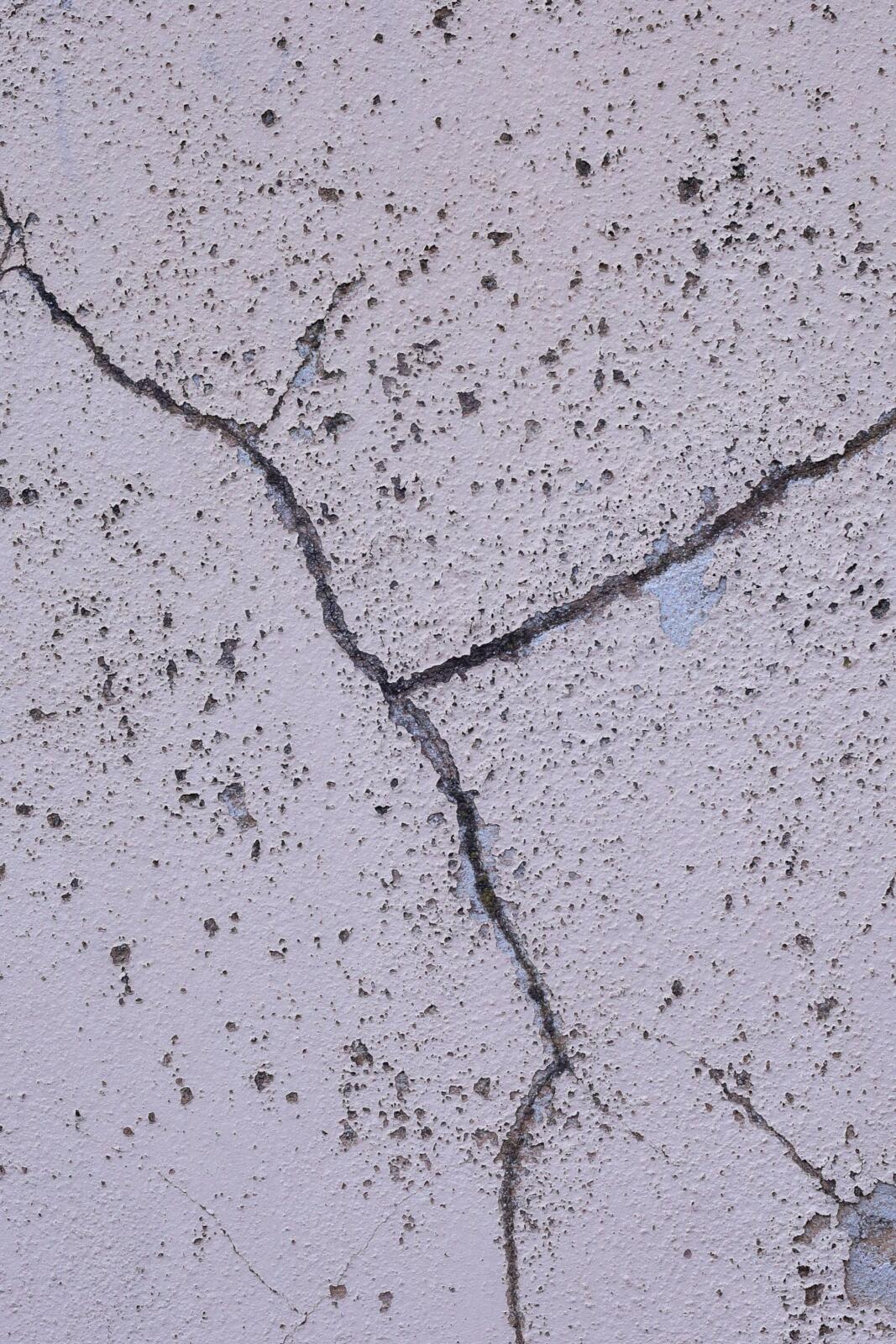
Concrete shrinks as it cures, and that shrinkage often leaves fine cracks behind. These are very common and usually harmless. They tend to share a few traits:
- Hairline width. Thin enough that a business card edge will not slide in.
- Mostly vertical or slightly diagonal. Running up the wall rather than across it.
- Stable. They look the same month after month.
- Dry. No staining, dampness or mineral deposits around them.
- Even on both sides. One side of the crack is not sitting proud of the other.
Cosmetic does not always mean ignorable, though. Even a shrinkage crack can let in moisture, and a damp basement brings its own problems, from musty smells to damaged stored belongings. Sealing it is a modest job that can prevent a bigger one.
What a structural crack tends to look like
Structural cracks point to movement in the foundation, the soil beneath it, or pressure from outside. They often show some of these traits:
- Wider than a hairline, especially if it is wider at one end than the other.
- Horizontal, particularly across the middle of a basement wall, which can suggest pressure pushing inward.
- Stair-step pattern following the mortar joints in block or brick.
- Offset edges, where one side of the crack has shifted forward, up or down compared with the other.
- Growth over time, getting longer, wider or more numerous.
A useful rule of thumb: the crack itself matters less than what it is doing. A narrow crack that is growing deserves more attention than a wider one that has stayed put for years.
A simple way to track it
Before spending anything, spend a few minutes documenting. Take dated photos with a ruler or coin beside the crack. Draw a small pencil mark at each end and write the date. Some homeowners also install an inexpensive crack monitor gauge across the crack, which makes small movement easy to read. A month or two of notes gives any professional a far better picture, and it keeps you from paying for panic.
2. How Much Foundation Crack Repair Costs
Here is the honest answer: it depends, and the spread is wide. Because prices vary by region, labour market, soil and access, any specific dollar figure printed in a blog post can mislead you. Instead, think in tiers, from the cheapest end of the spectrum to the most involved.
| Type of work | Relative cost | What you are paying for |
|---|---|---|
| Inspection and monitoring | Low | A professional’s time, or your own photos and a crack gauge |
| Surface sealing of small shrinkage cracks | Low | Materials and a modest amount of labour |
| Crack injection (epoxy or polyurethane) | Low to moderate | Specialised materials, equipment and technician time per crack |
| Drainage, gutters and grading fixes | Low to high | Anything from extending downspouts to excavation and drain systems |
| Reinforcement (carbon fibre straps, wall anchors, bracing) | Moderate to high | Engineered materials, skilled labour, sometimes interior or exterior access work |
| Underpinning or piers | High | Heavy equipment, engineering, deep installation and site restoration |
| Partial wall or foundation rebuild | Highest | Excavation, temporary support, new structure, permits and restoration |
Why the low end is so low
If your crack is a stable shrinkage line, the work is often limited to cleaning it out and sealing it, or having it injected so water cannot get through. These are small, quick jobs. Paying a professional for a diagnosis first is usually far cheaper than paying for the wrong repair.
Why the high end is so high
Once the foundation is actually moving, the repair stops being about the crack and starts being about the cause. Stabilising a settling footing means getting support down to stronger soil, which involves equipment, engineering and often disruption to landscaping, patios or floors. That is a major project, and it should be priced and planned like one.
Costs that are easy to forget
- Engineer’s report. Often a modest cost compared with the repair, and well worth it for anything beyond a hairline crack.
- Permits. Structural work commonly requires them, depending on where you live.
- Restoration. Replacing soil, plants, concrete steps or finished basement walls can add up.
- Related repairs. Sticking doors, cracked drywall and tile damage from movement may need fixing afterwards.
3. What Affects the Cost
Two homes with cracks of the same length can have very different bills. These are the main reasons.
| Cost factor | Why it matters | Effect on budget |
|---|---|---|
| Cause of the crack | Shrinkage is cheap to treat; soil movement or water pressure means fixing the source as well | Biggest single driver |
| Number and length of cracks | Injection and sealing are often priced per crack or per length | Scales with scope |
| Foundation type | Poured concrete, block, stone and brick behave differently and need different repairs | Block and older stone can be more involved |
| Access | Finished basements, tight crawl spaces, decks or landscaping in the way | More labour and restoration |
| Soil and drainage | Clay, poor drainage and heavy water load can push or settle a foundation | May add drainage work |
| Repair method | Sealing, injection, reinforcement and underpinning are very different jobs | Method sets the tier |
| Local labour and permits | Market rates and permit rules vary widely | Regional swing |
| Timing | Waiting can allow small movement to become larger damage | Delay often raises cost |
The cause is the cost
This is the single most useful idea in the whole post. If water is pooling beside your foundation because a gutter dumps next to the wall, injecting the crack without fixing the gutter is like mopping under a leaking tap. A good professional will talk about why the crack formed, not just how to fill it. Sometimes the cheapest and most effective step is extending downspouts, improving the slope of the soil away from the house, or addressing a plumbing leak.
Your house’s age and construction
Older homes, especially those with stone, brick or block foundations, often have mortar joints that have deteriorated over decades. Repair there may involve repointing or reinforcing, not just sealing. Newer homes with poured concrete more often show the simple shrinkage cracks that are inexpensive to treat, though newer does not guarantee trouble-free.
4. Warning Signs That Push Your Budget Up
Foundation problems rarely announce themselves with one dramatic symptom. They show up as a pattern across the house. If you see the foundation crack plus any of the following, take it more seriously.
Signs inside the house
- Doors and windows that stick, suddenly refuse to latch or show uneven gaps around the frame.
- Diagonal cracks in drywall, especially radiating from the corners of doors and windows.
- Sloping or bouncy floors, or a visible gap between the floor and baseboard.
- Gaps where walls meet ceilings or where cabinets pull away from the wall.
Signs outside the house
- Stair-step cracks in brick or block, following the mortar lines.
- A chimney leaning away from the house.
- Gaps around the foundation where soil has pulled back or the slab has separated.
- Pooling water or soil washing away near the base of a wall.
Signs in the basement or crawl space
- Horizontal cracks or walls that bow inward.
- Water seeping through the crack, or white mineral deposits along it.
- Offset edges where one side of the crack is not flush with the other.
- New cracks appearing after heavy rain, a dry spell or nearby digging.
None of these on its own proves a structural failure, and some have unrelated causes. But two or three together, or any single sign that is clearly getting worse, is the moment to stop watching and start calling.
When it is urgent
If a wall is visibly bowing, a crack is widening quickly, or doors and floors are shifting noticeably over days or weeks, do not wait for a convenient moment. Get a qualified professional out soon. Safety, not just money, is the issue.
5. How to Budget for Foundation Repair
Foundation work is one of those repairs where a little planning keeps a stressful situation manageable. Here is a sensible order of operations.
Step 1: Spend small to learn big
Start with the cheap information: your photos, dated pencil marks and a crack gauge. Then pay for a proper evaluation if the crack is wider than a hairline, horizontal, stair-stepped, leaking or changing. An independent structural engineer has no repair to sell you, which makes the opinion useful as a baseline. Many foundation repair companies also offer free inspections, which can be helpful, but remember that the company doing the inspection is also the one bidding on the work.
Step 2: Get the diagnosis in writing
Ask for a written description of the cause, the recommended repair and the reasoning. If the explanation is vague, keep asking until it is not.
Step 3: Collect several written estimates
Aim for at least three, and compare them line by line. A much lower number is not automatically a bargain. It may leave out drainage fixes, permits or restoration. A much higher number may be proposing a heavier repair than your crack needs. Differences in the proposed method are your cue to ask questions.
Step 4: Build in a cushion
Once excavation or demolition begins, contractors sometimes find conditions that were not visible before. Setting aside extra room in your budget for the unexpected, whatever percentage feels comfortable and realistic for you, is far less stressful than scrambling mid-project.
Step 5: Check your coverage and your options
- Homeowners insurance. Policies commonly exclude settling, earth movement and gradual deterioration, but some water-related damage may be treated differently. Read your policy and ask your insurer directly.
- Warranties. If your home is fairly new, a builder or structural warranty may still apply. Check the terms and deadlines.
- Financing. Some contractors offer payment plans, and homeowners sometimes use savings, a home equity product or a personal loan. Compare the total cost of borrowing, not just the monthly payment.
Step 6: Think about resale
If you may sell, documentation matters. A written engineer’s assessment, repair records and any transferable warranty can ease a buyer’s worries. No repair guarantees a particular sale price, and disclosure rules vary by location, so ask a local real estate professional what applies to you. If you are on the buying side instead, it is worth reading our buying a property guides before you make an offer on a home with visible cracks.
6. DIY vs Hiring a Pro
Some foundation jobs are well within reach of a careful homeowner. Others are not, and the difference is mostly about the cause.
Reasonable DIY territory
- Monitoring. Photos, pencil marks and a crack gauge cost very little.
- Fixing drainage basics. Cleaning gutters, extending downspouts and regrading soil so it slopes away from the house.
- Sealing small, stable, non-structural cracks. Hardware stores sell concrete and masonry crack sealants and DIY injection kits. Follow the product directions closely, especially around cleaning and curing.
- Controlling interior moisture. Dehumidifiers and good ventilation help with dampness, though they do not repair a crack.
Leave it to a pro
- Horizontal or stair-step cracks, or any wall that is bowing.
- Cracks that are growing or have offset edges.
- Persistent leaks after DIY sealing.
- Anything involving underpinning, piers, wall anchors or excavation. These are engineered repairs where mistakes are expensive and potentially dangerous.
- Work that requires a permit or an engineer’s design.
The hidden risk of DIY
The biggest danger with a DIY fix is not that it fails. It is that it succeeds cosmetically. A patched crack looks resolved, and meanwhile the underlying movement carries on behind the filler. If you are not certain what is causing the crack, a professional opinion before patching is cheap insurance.
| Approach | Best for | Main risk |
|---|---|---|
| DIY | Stable hairline cracks, drainage upkeep, monitoring | Hiding a problem that is still active |
| Professional | Wide, moving, leaking, horizontal or stair-step cracks | Overpaying if you skip independent advice |
For more on weighing up which jobs to tackle yourself, browse our DIY guides and our renovation articles.
7. How to Choose a Contractor
Foundation repair is a field where good and poor contractors can quote similar numbers, so the way you vet matters more than the price alone.
What to check first
- Licensing and insurance. Ask for proof of licence where your area requires one, plus general liability and workers’ compensation coverage.
- Experience with your problem. A contractor who mostly does waterproofing may not be the right fit for a settling footing, and vice versa.
- References and local reputation. Ask for recent customers with similar repairs and, if they are willing, a chance to see finished work.
- Engineering involvement. For anything structural, ask whether an engineer designs or reviews the repair.
What a good estimate includes
- The diagnosed cause of the problem, not just the repair.
- The specific method and materials to be used.
- What is and is not included: permits, drainage, cleanup, restoration.
- A payment schedule tied to progress, not a large payment up front.
- Warranty terms in writing, including what is covered, for how long, and whether it transfers to a new owner.
Red flags
- High-pressure sales. Offers that expire today, or claims that your home is unsafe without any explanation.
- One-size-fits-all solutions. A company that recommends the same heavy repair for every house.
- Vague paperwork. No written scope, no model of the proposed work, no named materials.
- Pressure to skip permits or avoid an engineer.
- A demand for a large cash deposit.
Questions worth asking
- What do you think caused this crack?
- What other repair options exist, and why do you recommend this one?
- Will this fix the cause, or only the symptom?
- What could change the price once work starts?
- How long is the warranty, and what voids it?
If you are ready to compare options, a good next step is to book an independent assessment and gather at least three written estimates. You can also explore more resources and professionals through NextBldg.com, and browse our home services and basement sections for related guides while you plan.
Conclusion: Watch First, Diagnose Early, Then Spend With Confidence
A crack in your foundation is unsettling, but it is rarely a verdict. Many are simple shrinkage lines that need a seal and a bit of attention. A smaller number are signs of real movement, and those reward early action. The way through is the same either way: document what you see, learn the cause before you pay for a cure, and treat the cause as the real cost driver.
Spend a little on information, get written diagnoses and several estimates, keep a cushion for surprises, and be wary of anyone who rushes you. With a clear head and a clear plan, even a worrying crack becomes a manageable project instead of a sleepless night.
Key Takeaways
- The distinction that matters is what the crack is doing: stable hairline cracks are usually cosmetic, while wide, horizontal, stair-step, offset or growing cracks deserve professional attention.
- Cost depends on the cause, not the crack. Sealing and injection sit at the lower end, while reinforcement, underpinning and rebuilds sit at the higher end.
- Fixing drainage, gutters and grading is often one of the most cost-effective moves, and it should accompany any crack repair where water is involved.
- Look for patterns across the house, such as sticking doors, sloping floors and drywall cracks, not just the crack itself.
- Budget in stages: monitor, get an independent evaluation, collect several written estimates, and keep a cushion for surprises.
- DIY suits monitoring, drainage basics and sealing small stable cracks. Leave anything structural to qualified professionals.
- Vet contractors for licensing, insurance, engineering involvement and clear written warranties, and walk away from high-pressure sales.
Frequently Asked Questions
How do I know if a foundation crack is serious?
Look at width, direction and change over time. Hairline vertical cracks that stay the same are usually minor, while horizontal cracks, stair-step patterns, offset edges, bowing walls or cracks that keep growing are more concerning. If you are unsure, an engineer or an experienced foundation professional can tell you in one visit.
Are hairline cracks in a foundation normal?
Yes, they are very common, especially in poured concrete, because concrete shrinks slightly as it cures. They are often harmless, but it is still smart to seal them if moisture could get in and to keep an eye on whether they change.
How much does foundation crack repair cost?
It varies widely with the cause, the repair method, access and your region. Sealing or injecting a small crack is generally at the lower end, while structural reinforcement or underpinning is considerably more involved. Get written estimates from several qualified providers for a realistic figure for your home.
Should I get a structural engineer or a foundation repair company first?
For anything beyond a stable hairline crack, an independent structural engineer is a good first call, since they are not selling the repair. Foundation companies can also assess your home, but compare their findings with a second opinion before committing to major work.
Does homeowners insurance cover foundation cracks?
Often not, since many policies exclude settling, earth movement and gradual wear. Some sudden, water-related damage may be treated differently, so read your policy and ask your insurer or agent what applies to your situation.
Can I fix a foundation crack myself?
Small, stable, non-structural cracks can often be sealed with a DIY product if you follow the directions carefully. Cracks that are wide, leaking, horizontal or growing should be assessed by a professional first, because patching over active movement only hides the problem.
Will foundation cracks hurt my home’s resale value?
They can raise questions for buyers, but documented, professionally handled repairs often ease those concerns. No repair guarantees a particular result, and disclosure rules differ by location, so check with a local real estate professional before listing.
How long can I wait before repairing a foundation crack?
If the crack is stable and dry, you may have time to monitor it and plan. If it is widening, leaking or accompanied by shifting doors and floors, do not delay, since waiting can allow small problems to turn into larger and costlier ones.
Visit: NextBldg.com