
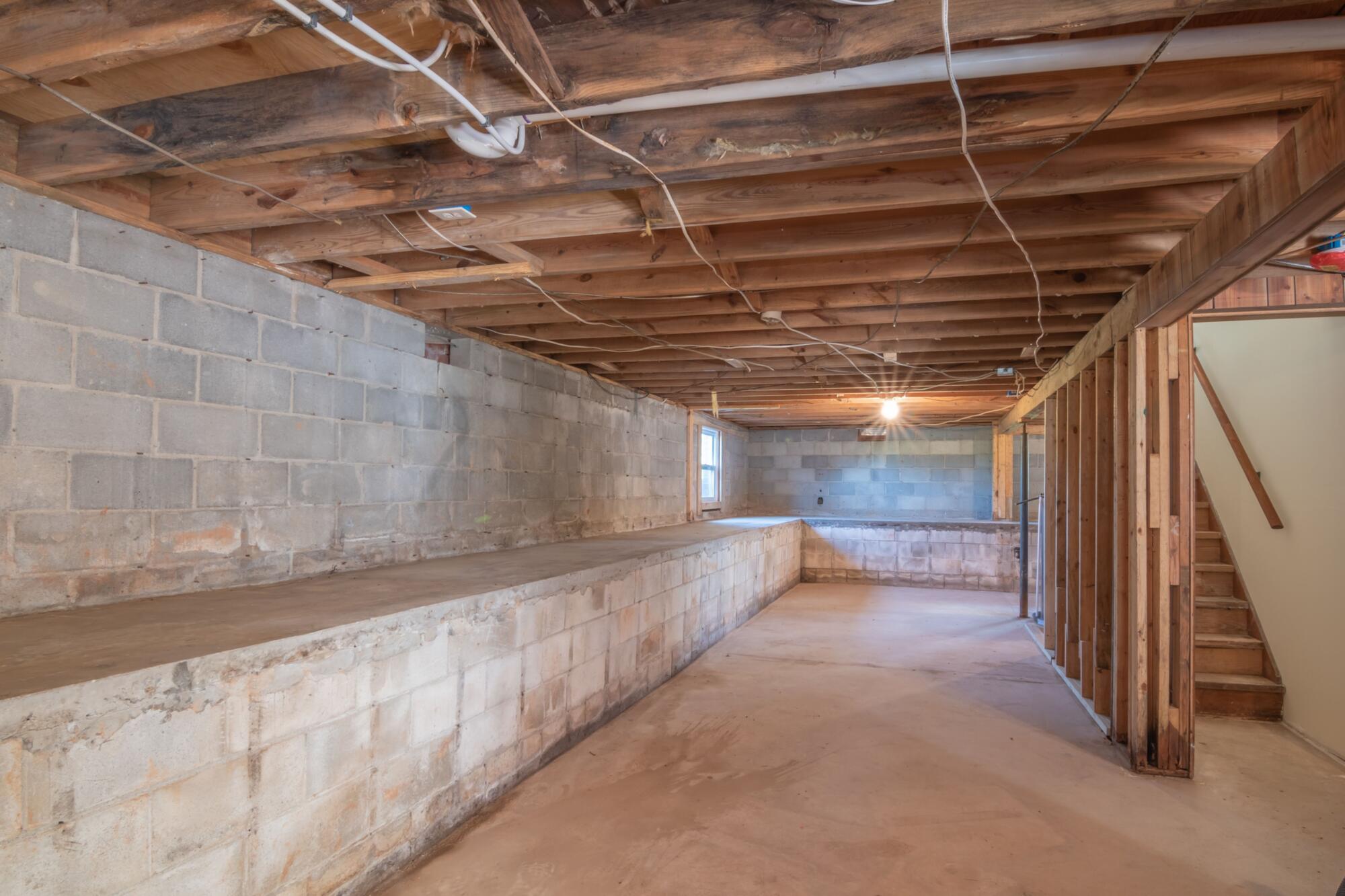
You walk downstairs in socks to grab a box of holiday decorations and your foot lands on something cold and squishy. The carpet along the back wall is soaked, there is a faint earthy smell, and the last time it rained like this was, well, never. Now the questions come in a rush. Where is it coming from? Is the foundation failing? And the one that really keeps you standing there: how much is this going to cost?
Take a breath. Most basement water problems are fixable, and many start with a cause that is far less dramatic than it looks. The trick is understanding where the water is coming from, because the source, more than the size of the puddle, decides the price. This guide explains how basement water problems work, what drives the cost of each fix, how to spot trouble early, and how to budget and hire with confidence.
A quick note before we begin: every home, climate and soil type is different, so treat everything here as a framework for asking better questions, not as a quote. Real numbers only come from a professional who has looked at your house.
1. How Much Does It Cost to Fix Basement Water Problems?
The honest answer is that it ranges from very little to a major project, and the spread is wide because "wet basement" is a symptom, not a diagnosis. Water gets in for different reasons, and each reason has its own fix. Here is how the common repairs generally sit on the cost ladder, from lighter to heavier. Exact prices depend on your area, your house and the contractor, so get written estimates before you plan around any figure.
Lower-cost fixes: managing water outside the house
Many damp basements are really a drainage problem above ground. Water that pools against the foundation has nowhere to go but down and in. Typical fixes include:
- Cleaning or repairing gutters so rainwater is not spilling over the edge and soaking the soil next to the wall.
- Extending downspouts so they discharge well away from the foundation.
- Regrading soil so the ground slopes away from the house rather than toward it.
- Sealing gaps where pipes, cables or vents pass through the wall.
These are often the least expensive options, and they are always worth ruling out first. If you have a roof or gutter issue contributing to the problem, our roofing guides can help you think through that side of the repair.
Mid-range fixes: sealing and targeted repairs
If water is entering through a specific crack, a failed joint or a cracked window well, a targeted repair may do the job. Options include injecting a crack with a flexible sealant, repairing a window well and its drain, or applying interior sealers to masonry. Costs rise with the number of cracks, how hard they are to reach and whether the repair is a one-off or a symptom of ongoing movement.
A caution here: surface coatings painted on the inside of a wall can hide moisture for a while, but they do not stop water that is pushing through under pressure. A coating can be a useful finishing step. It is rarely the whole solution for active leaks.
Higher-cost fixes: drainage systems and sump pumps
When groundwater is the culprit, the usual answer is to give it somewhere to go. An interior drainage system collects water at the base of the walls and routes it to a sump pit, where a pump sends it out of the house. This typically involves breaking up part of the basement floor, installing drain channel and gravel, and repairing the concrete afterward, so labour is a big part of the bill. A sump pump on its own is a smaller item, but backup power or a second pump adds to the total.
Highest-cost fixes: exterior waterproofing and excavation
Digging down along the outside of the foundation, repairing and waterproofing the wall, and installing exterior drainage is the most disruptive and usually the most expensive route. It can be the right call when the wall itself is failing or when interior options will not solve the problem, but it should never be recommended without a clear explanation of why. Costs climb with the depth of the foundation, the length of wall involved, and anything in the way, such as decks, patios, landscaping, driveways and utilities.
Do not forget the cleanup
Fixing the source is only half the budget. If water has already soaked in, you may also be paying for drying, removal of wet drywall, insulation or flooring, mold treatment and replacement finishes. Depending on how long the area stayed wet, cleanup can sometimes cost as much as the repair itself, which is one more reason to act early.
2. What Affects the Cost of Basement Water Repairs?
Two homes with the same size puddle can end up with very different bills. These are the main levers, and understanding them helps you read an estimate with more confidence.
| Cost factor | Why it matters | Effect on budget |
|---|---|---|
| Source of the water | Surface runoff, groundwater pressure and plumbing leaks each need a different fix | Biggest single driver |
| Size and scope | More wall, floor or perimeter to treat means more materials and labour | Scales roughly with length of work |
| Foundation type and condition | Poured concrete, block and stone behave differently and fail differently | Older or damaged walls often add repairs |
| Access | Finished basements, tight yards and obstacles slow the work | Raises labour and restoration costs |
| Soil and water table | Clay and high groundwater push more water against the walls | May require larger or redundant systems |
| Existing damage | Mold, rot and ruined finishes need removal and replacement | Can add significantly to the total |
| Permits and local rules | Some areas regulate excavation, electrical work or where pump water may discharge | Adds fees and sometimes time |
| Contractor and region | Labour rates and demand vary widely by location and season | Explains big gaps between quotes |
The source is everything
If the real cause is a downspout dumping beside the wall, a large interior drainage system is money spent in the wrong place. If the cause is a high water table, extending a downspout will not help. This is why a proper diagnosis is the most valuable part of any estimate, and why you should be wary of anyone who names a fix before they have found the source.
Labour, access and finishes
Much of the cost of basement work is labour and restoration, not materials. Cutting into a finished floor, working around a built-in bar, or digging beside a patio means more time and more putting things back. If you are planning to finish or remodel the space later, it often makes sense to solve the water problem first and coordinate the timing. Our basement articles cover what to consider before you build out the space.
Permits and rules
Depending on where you live, work like excavation, new electrical for a pump, or where you can send discharged water may require a permit or follow local rules. Ask your contractor who handles permits and whether the quote includes them. Your local building department can confirm what applies to you.
3. Warning Signs of Basement Water Problems
Basements rarely go from dry to flooded overnight. There are usually clues first, and catching them early is the cheapest thing you can do. Here is what to look for.
Signs you can see
- Water stains or damp patches on walls or floors, especially after rain or snowmelt.
- White, chalky residue on concrete or block, often called efflorescence. It is left behind when water moves through masonry and evaporates. It is not mold, but it signals moisture.
- Peeling paint or bubbling wall coatings, which can mean moisture is pushing from behind.
- Cracks in walls or floors, particularly if they are widening or leaking.
- Rust on the bottom of the furnace, water heater or metal supports.
- Warped, stained or lifting flooring, including curling vinyl tiles.
Signs you can smell or feel
- A musty odor that does not go away, even when nothing looks wet.
- A clammy feel to the air, or windows and cold pipes that fog or drip.
- Stored cardboard that feels soft or damp, or items that develop spots.
Signs from the outside
- Gutters that overflow or downspouts that empty at the foundation.
- Soil that slopes toward the house, or low spots where water sits.
- Cracks or settlement in patios and walkways close to the walls.
Is it a leak, or is it condensation?
Not every damp basement is letting water in. In warm, humid weather, moisture in the air can condense on cool walls and pipes. A simple check is to tape a square of plastic wrap tightly to a bare wall, sealing all four edges, and leave it for a day or two. If moisture shows on the room side of the plastic, you are dealing with humidity. If it shows on the wall side, moisture is coming through the wall. This is a rough test, not a diagnosis, but it can point you toward a dehumidifier and ventilation rather than a major repair. If you suspect a pipe, our plumbing guides are a good place to start.
When to act fast
Standing water, a sewage smell, water near electrical panels or outlets, or visible mold growth over a larger area are not wait-and-see situations. Stay out of flooded areas where electricity may be involved, shut off power at the panel only if you can do so safely, and call the right professionals.
4. How to Budget for Basement Water Repairs
Unexpected repairs feel worse when there is no plan. Here is a calm, step-by-step way to approach the money.
Step 1: Start with the cheap diagnosis
Before you collect quotes for big systems, check the basics: gutters, downspouts, grading, window wells and obvious plumbing. Walk the outside of the house during a rainstorm if you can, and note where water gathers. Take dated photos and notes of where and when the basement gets wet. This costs almost nothing and makes every later conversation sharper.
Step 2: Get several written estimates
Aim for at least three, and ask each contractor to describe the cause they believe is behind the problem, the fix they propose, what is and is not included, and what could change the price. Estimates that differ wildly in approach, not just price, are a sign that someone has misdiagnosed the issue or that the scope is not the same.
Step 3: Separate the budget into buckets
- Fix the cause: drainage, sealing, pump, grading or plumbing repair.
- Cleanup and drying: removal of wet materials, drying, disinfecting and any mold treatment.
- Restoration: flooring, drywall, paint and anything else you need to replace.
- Maintenance: pump servicing, backup power, a dehumidifier and annual checks.
- Contingency: a cushion for surprises once walls are opened or soil is dug.
Many homeowners set aside a contingency on top of the quote because hidden conditions are common with foundation work. How much is right for you depends on the scope and how much the contractor can see in advance.
Step 4: Check insurance before you pay for anything
Coverage for water damage varies a lot. Some policies cover sudden events such as a burst pipe but exclude groundwater seepage or flooding, and sewer or sump backup often requires a separate endorsement. Read your policy and call your insurer before you start cleanup if you think a claim may apply, and photograph everything first. Do not assume you are covered or not covered until you have asked.
Step 5: Think about priorities and timing
Repairs that stop active water entry should come first, because ongoing moisture will undo cosmetic work. Finish work can wait. If you need to stage the project, a sensible order is usually to manage outside water, then deal with interior drainage if needed, then restore and finish. For larger projects, ask whether the contractor offers payment schedules or whether financing makes sense for you, and read the terms carefully. Our renovation guides have more on planning and sequencing bigger jobs.
A word on value
A dry basement can make a home more comfortable, protect your belongings and help avoid worse problems later. Whether a repair adds resale value depends on your market and buyers, and no renovation guarantees a return. Keep records and any transferable warranties, since buyers and inspectors often ask about past water issues.
5. DIY vs Hiring a Pro
Some basement water jobs are well within reach for a handy homeowner. Others carry real risk if done wrong. Here is a fair way to split them.
Good DIY candidates
- Cleaning gutters and adding or extending downspouts.
- Adding soil against the foundation to improve the slope, keeping it below siding and away from any wood.
- Running a dehumidifier and improving airflow.
- Sealing small gaps around pipes and cables with an appropriate product.
- Moving stored items onto shelves or plastic bins and off the floor.
- Testing your sump pump by pouring water into the pit and confirming it switches on and discharges.
Jobs best left to a professional
- Interior drainage systems and sump pit installation, where concrete cutting and correct discharge matter.
- Exterior excavation and waterproofing, which involve digging around structure and utilities.
- Structural cracks that are wide, uneven or growing, or walls that bow inward.
- Anything involving electrical work around standing water.
- Large areas of mold or water that may be contaminated, such as sewage.
- Persistent leaks where you cannot identify the source.
The hidden cost of getting it wrong
The danger of DIY is not only a failed repair. A patch that hides the symptom can let moisture keep damaging the wall or encouraging mold behind the surface. If your first attempt at a fix has not worked after the next big rain, stop and get a professional opinion rather than layering on more product.
A middle path
You do not have to choose all or nothing. Many homeowners handle the simple outside fixes themselves, then hire out the drainage or structural work. Paying a professional for an inspection and written diagnosis can also be a smart way to confirm your own plan before spending on materials.
6. How to Choose a Contractor for Basement Water Work
A good contractor can save you money by finding the simplest fix that actually works. A poor one can sell you an expensive system you do not need. Here is how to tell the difference.
What to look for
- Licensing and insurance as required where you live. Ask for proof and check that it is current.
- Local references and reviews from jobs similar to yours, ideally a few years old so you can ask how the repair has held up.
- A real inspection. They should look at the inside and outside of the home, ask about when and how water appears, and explain what they find.
- A written estimate that spells out scope, materials, timeline, cleanup, permits and what is excluded.
- Clear warranty terms, including what is covered, for how long, whether it transfers to a new owner and what could void it.
Questions worth asking
- What do you believe is causing the water, and how did you determine that?
- Is there a lower-cost fix I should try first, and why or why not?
- Where will the water be discharged, and does that comply with local rules?
- What happens if the power goes out? Is a backup option included or available?
- Who pulls permits, and who is on site day to day?
- What could change the price once work begins?
Red flags
- Pressure to sign today, or a discount that disappears tomorrow.
- A full system recommended without a thorough inspection.
- A quote that is a single line item with no breakdown.
- A large payment demanded upfront, well beyond what is typical for your area.
- Vague or verbal-only warranties.
- Reluctance to provide references, insurance or license details.
Compare apples to apples
When estimates arrive, lay them side by side and compare scope, not just the bottom line. Does one include permits and restoration while another does not? Does one use a larger pump or a battery backup? Differences like these often explain price gaps. If a quote is much lower than the others, ask what has been left out. If you are exploring more guides on hiring and project planning, browse our home services section.
Ready to Plan Your Next Home Project?
If you are comparing options, planning a repair budget, or looking for building and project resources beyond this guide, take a look at our friends at NextBldg for more ideas and tools to help you move forward with confidence. You can find them at NextBldg.com.
Conclusion: Find the Source Before You Spend
A wet basement is stressful, but it does not have to be a financial panic. The smartest approach is to treat the water as a clue: find where it is coming from, start with the simplest and least expensive fixes, and only move to larger systems when the evidence supports it. Budget for the repair, the cleanup and a cushion for surprises, get several written estimates, and choose a contractor who explains the why behind the price. Your basement will thank you, and so will your stress levels.
Key Takeaways
- The source of the water, not the size of the puddle, is the biggest driver of repair cost.
- Start with low-cost checks: gutters, downspouts, grading, window wells and plumbing.
- Cleanup and restoration can add substantially to the total, so budget for them and act early.
- Surface coatings alone rarely stop water that is entering under pressure.
- Get at least three written estimates and compare scope, warranty and exclusions, not just price.
- Check your insurance policy before cleanup, since coverage for seepage and backup varies widely.
- Keep records and warranties, as no renovation guarantees a return and buyers often ask about past water issues.
Frequently Asked Questions
Why is my basement wet when it rains?
Most often, rain is overwhelming the way water drains around your house. Clogged gutters, short downspouts, soil sloping toward the foundation or a high water table can all push water against the walls and floor. A professional inspection can tell you which one applies to you.
How much does it cost to waterproof a basement?
There is no single number, because the cost depends on whether you need simple exterior drainage fixes, interior drainage and a sump pump, or full exterior excavation. Small fixes are generally far cheaper than large systems, and local labour rates, access and existing damage change the total. Get several written estimates for your specific home.
Is a damp basement the same as a leaky basement?
Not always. Dampness can come from humidity condensing on cool surfaces, while a leak means liquid water is entering through the wall, floor or a pipe. The plastic wrap test described above is a quick way to get a rough idea, though an inspector can confirm.
Can I fix basement water problems myself?
You can handle many of the simple causes, such as cleaning gutters, extending downspouts, improving grading and running a dehumidifier. Drainage systems, excavation, structural cracks and electrical work are better left to professionals. If your fix does not work after the next heavy rain, get expert advice.
Does homeowners insurance cover basement flooding?
It depends on the cause and your policy. Sudden events such as a burst pipe may be covered, while groundwater seepage, surface flooding and sewer or sump backup are often excluded unless you have added specific coverage. Call your insurer and read the policy before you pay for repairs.
Are white stains on basement walls a sign of mold?
Usually not. A white, powdery or crusty deposit on concrete or block is often efflorescence, which is mineral residue left when water passes through masonry and evaporates. It is not harmful on its own, but it tells you moisture is moving through the wall, so look for the source.
How do I know if a foundation crack is serious?
Hairline cracks are common and are often cosmetic, but cracks that are wide, growing, uneven on either side, or accompanied by leaking or a bowing wall deserve a professional look. Mark the ends of a crack with a pencil and date it so you can see if it changes over time.
What should I do first if my basement floods?
Prioritize safety. Stay away from standing water if electrical outlets, appliances or the panel may be involved, and shut off power only if you can do it safely. Then photograph the damage for your insurer, stop the source if you can, and call the appropriate professionals for pumping, drying and repair.


