In today’s fast-paced world, the importance of having a serene space for relaxation and rejuvenation cannot be overstated. Many people seek refuge from the stresses of daily life, and one effective way to create this sanctuary is by transforming a spare room into a dedicated space for wellbeing. This is particularly relevant for those who may be considering alcohol and drug detox, as a calming environment can significantly aid in the recovery process. In this article, we will explore how to design your spare room into a haven of peace and tranquillity.
Understanding the Purpose of Your Sanctuary
Before you begin the transformation, it’s essential to understand the purpose of your sanctuary. Are you looking to create a meditation space, a reading nook, or perhaps a yoga studio? Defining the primary function of the room will guide your design choices. If the intention is to support detoxification and recovery, consider incorporating elements that promote relaxation, mindfulness, and physical wellbeing.
Choosing the Right Atmosphere
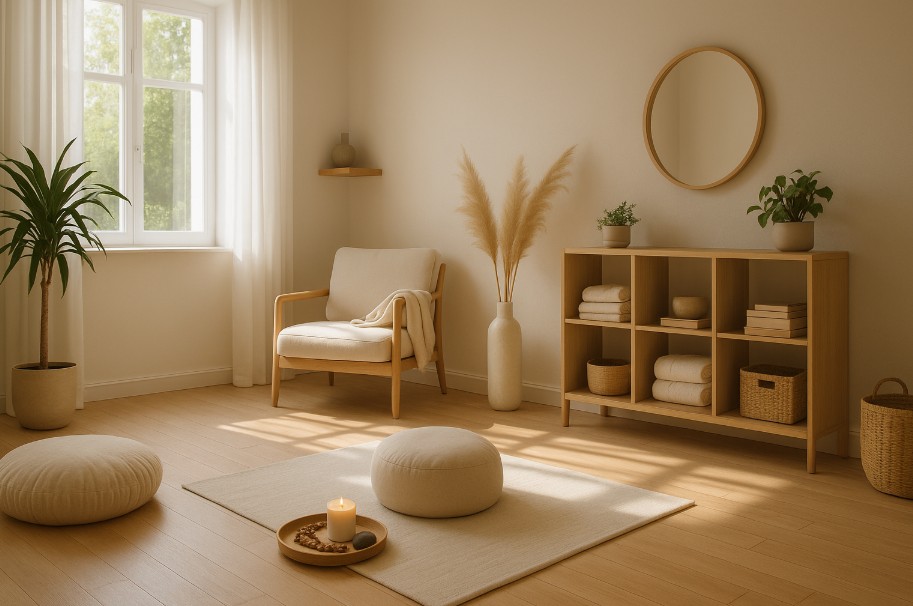
The atmosphere of your sanctuary is crucial. Start by selecting a colour palette that promotes calmness and serenity. Soft, muted tones such as pastels or earth colours can create a soothing environment. Avoid overly bright or stimulating colours, as they can detract from the peaceful vibe you wish to establish.
Lighting plays a significant role in setting the mood. Natural light is ideal, so if possible, keep windows unobstructed. You can also add soft, adjustable lighting options such as dimmable lamps or fairy lights to create a warm and inviting atmosphere in the evenings. Consider using candles or essential oil diffusers with calming scents like lavender or chamomile to enhance the sensory experience.
Furniture and Layout
When it comes to furnishing your sanctuary, opt for pieces that promote comfort and relaxation. A plush armchair or a daybed can serve as a perfect spot for reading or meditating. If space allows, consider adding a small table for tea or journaling. Minimalism is key; avoid overcrowding the room with furniture to maintain a sense of openness and peace.
The layout should facilitate ease of movement and encourage a flow of energy. Arrange furniture to create distinct zones for different activities, such as a meditation corner, a reading nook, and a space for gentle exercise or yoga. Ensure that each area feels inviting and accessible.
Incorporating Nature
Bringing elements of nature into your sanctuary can significantly enhance its calming effect. Consider adding indoor plants, which not only improve air quality but also create a sense of connection to the outdoors. Plants such as peace lilies, snake plants, and succulents are low-maintenance and thrive in indoor environments.
If you have a view of a garden or natural landscape, make the most of it by positioning seating to face the window. If not, consider adding artwork or photographs of nature scenes to create a visual connection to the outside world.
Mindful Decor and Accessories
The decor of your sanctuary should reflect a sense of peace and mindfulness. Choose artwork that inspires calmness, such as abstract pieces or serene landscapes. Textiles can also play a significant role; opt for soft, natural fabrics for cushions, throws, and rugs to create a warm and inviting atmosphere.
Incorporate elements that encourage mindfulness and self-care. A small altar or shelf for meaningful objects, such as crystals, candles, or photographs, can serve as a focal point for reflection and meditation. Additionally, consider including a sound system or a Bluetooth speaker for playing calming music or guided meditations.
Creating a Tech-Free Zone
To truly cultivate a sense of peace, consider making your sanctuary a tech-free zone. The constant presence of screens and notifications can be a source of stress and distraction. Encourage a digital detox by leaving devices outside the room, allowing yourself to fully immerse in relaxation and mindfulness practices.
If you need to use technology for meditation apps or calming music, establish specific times for their use and ensure they do not dominate the space. Instead, focus on activities that promote mental clarity and relaxation, such as reading, journaling, or simply enjoying quiet moments.
Establishing a Routine
Once your sanctuary is ready, it’s essential to establish a routine that encourages regular use of the space. Dedicate time each day for activities that promote wellbeing, whether it’s a morning meditation session, an evening yoga practice, or simply unwinding with a good book. Consistency will help reinforce the sanctuary’s purpose and deepen its impact on your mental and emotional health.
Transforming your spare room into a sanctuary for wellbeing, detox, and peace is a rewarding endeavour that can significantly enhance your quality of life. By focusing on creating a calming atmosphere, incorporating natural elements, and establishing mindful routines, you can cultivate a space that supports your journey towards relaxation and recovery. Whether you are seeking solace from the stresses of everyday life or embarking on a path of detoxification, your sanctuary will serve as a vital refuge for healing and rejuvenation. Embrace the process, and enjoy the serenity that your new space will bring.