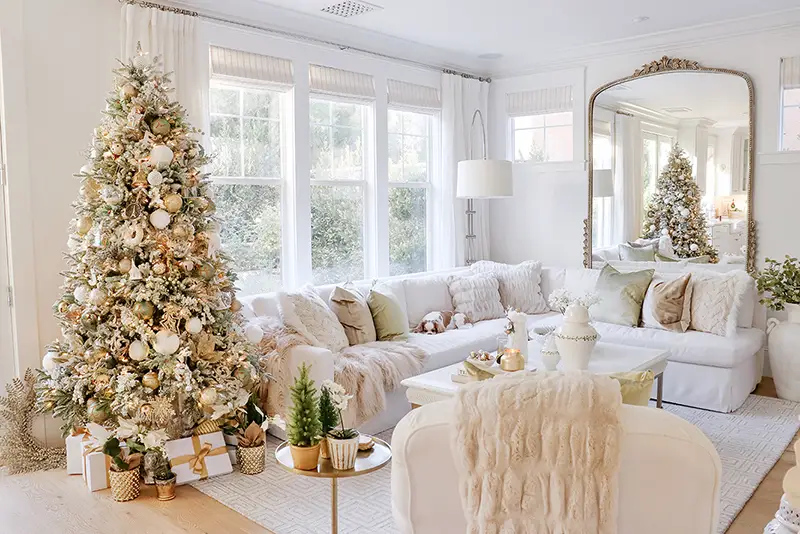

Mirrors are more than functional necessities-they’re miniature landscapes that reflect light, depth and the ever-changing composition of a room.A gallery wall made exclusively of mirrors turns that reflective magic into a deliberate design strategy: patterns of shine, frame and scale arranged like a constellation across a wall. The result can make a small space feel larger,a dim hallway glow,or a focal wall sing without adding colour or clutter.
This article will guide you through the creative and practical steps too build a mirror-only gallery wall: choosing shapes and finishes, playing with scale and spacing, arranging on the floor before committing, and anchoring pieces safely to different wall types. Whether you’re after a cohesive, symmetrical installation or an eclectic, collected-over-time look, the same principles apply-balance, rhythm and proportion-so the final arrangement reads as purposeful rather than accidental.
Expect easy-to-follow tips,layout ideas,and a few pitfalls to avoid so your mirrored gallery becomes both a decorative showpiece and a clever way to manipulate light and outlook. By the end, you’ll have the confidence to plan an installation that reflects not just the room, but your design sensibility.
Choosing mirror shapes, sizes and finishes for balanced reflection and cohesive style
Think of each mirror as a note in a visual melody: rounds soften, rectangles organize, and irregular or sunburst shapes add a playful accent. Arrange mirrors in an intentional scale – a single large mirror can act as the anchor, while smaller shapes create rhythm and movement around it. A simple rule is to use an odd number of pieces and vary sizes so reflections don’t compete; allow at least one oversized or statement mirror to set the focal point and let the smaller pieces echo its lines. Below is a fast cheat-sheet to help match shape to atmosphere:
| Shape | Vibe | Best Spot |
|---|---|---|
| Round | Soft, inviting | Above consoles or entryways |
| rectangle | Structured, modern | Over sofas or mantels |
| Ornate | Vintage, romantic | Bedrooms or galleries |
Finish choices determine how the mirrors speak to the room: polished metal reads bright and contemporary, warm wood frames feel grounded, and distressed or matte finishes whisper vintage or subdued elegance.To keep the collection cohesive, stick to a limited palette of finishes (two complementary types at most) and mix frame widths or textures rather than wildly different colors. Practical strategies to try now:
- Limit metallics: pick one dominant metal (brass, black iron, chrome) and use accents sparingly.
- Play with depth: stagger mounting depths to create shadow and dimensionality without visual clutter.
- Coordinate with textiles: echo frame tones in cushions or rugs to unify the wall.
- Mind the light: place brighter finishes where they can reflect daylight, and choose softer finishes opposite lamps for gentle glow.
Planning your mirror-only gallery with templates, spacing rules and visual anchor points
Begin by building a map on the wall with simple templates: cut shapes from kraft paper or kraft-backed shelf liner and tape them up until the composition feels right. Use painter’s tape to mark the top, bottom and center lines-this creates invisible guides so every mirror aligns to the same rhythm. for a quick checklist while arranging, follow this mini‑guide:
- Templates: cut, tape, and iterate before drilling.
- Center line: choose a strong horizontal or vertical axis as your main guide.
- Consistent gap: pick a standard spacing (see rules below) and apply it across the gallery.
These steps let you experiment without committing to holes, and the taped templates become your reusable blueprint for future swaps.
Translate the plan into practical spacing and anchor choices by thinking like a curator: set the main visual weight (the focal mirror) relative to furniture and light, then let smaller pieces orbit it. A few reliable rules: keep mirrors at eye level for the primary focal point, cluster small mirrors within a 2-4 in (5-10 cm) gap for intimacy, or widen to 6-8 in (15-20 cm) for a breezier layout.Quick hanging tips in practice:
- Anchor point: a large mirror or wall lamp makes a natural center.
- Balance: mirror sizes shoudl counterweight across the axis, not mirror each other exactly.
- Hardware: mark and test one anchor before committing to the rest.
With these spacing rules and anchor points, your mirror-only gallery will read as a single composed installation rather than a scatter of reflections.

Hanging and securing mirrors safely using anchors, picture wire and high-strength adhesives
Think like an engineer and a stylist at once: measure, mark, and respect the mirror’s weight before anything touches the wall. If you can hit a stud, use a wood screw; if not, choose a heavy-duty wall anchor rated above the mirror’s weight and pair it with D‑rings or a cleat for even load distribution.For larger frames, run braided picture wire between the D‑rings and leave a small curve so the mirror hangs slightly forward – this keeps the weight pressing down into the anchor points rather than levering them out. Small habits make big safety gains: double-check your level, tighten every fastener, and always carry the mirror to the wall with a helper.
- Quick checklist: weigh the mirror, find studs, select anchors, use D‑rings or cleat, loop picture wire securely.
- When using adhesives, choose mirror‑safe mastic or structural silicone and apply to several spots, not just the edge.
- Use mechanical hangers as the primary support and adhesives as secondary backing for frameless pieces.
For frameless or tile-backed installations, high‑strength adhesives can create a clean, invisible attachment, but treat them as a complement – not a replacement – for mechanical fixings. Pressured contact cures best when surfaces are clean and primed; follow the manufacturer’s cure time before trusting the bond. If you want a quick reference for anchor choices, the simple table below helps match an anchor to a typical mirror size and wall type, but always err on the side of higher capacity and redundancy.
| Anchor type | Typical use | Suggested max mirror |
|---|---|---|
| Toggle bolt | Hollow walls (drywall) | Up to 50 lb |
| Masonry anchor | Brick or concrete | 50-100 lb |
| Stud screw | Direct into wood stud | 100+ lb |

Styling the mirror wall with layered lighting, frame contrast and seasonal rotation
Think in layers: start with soft ambient light to wash the wall and avoid harsh reflections, add targeted accent lights (small picture lights or adjustable wall-wash LEDs) to highlight specific mirrors, and finish with lower-level lamps that create warm floor reflections and depth. Use an unnumbered list to organize placement ideas so styling feels intentional, not accidental:
- Ambient: recessed or track lights on a dimmer for overall glow.
- Accent: directional picture lights or puck LEDs for focal mirrors.
- Reflective bounce: table or floor lamps to vaporize shadows and amplify sparkle.
A mix of finishes – matte frames against glossy metallics – will give each piece its own voice while the layered lighting stitches the composition together.
Seasonal rotation keeps the wall alive: swap lighter frames and round shapes in spring and summer for a breezy look, and bring in darker woods and ornate shapes for cozy autumn and winter energy.Try quick, low-effort shifts to refresh the gallery: a simple throw of greenery, a velvet ribbon on a large mirror, or moving a brass mirror to center stage. Use the table below for a fast-reference styling checklist (WP table class included for theme-pleasant formatting):
| Season | Frame Finish | Mirror Shape |
|---|---|---|
| Spring | Washed oak | Oval |
| Summer | Light brass | Rounded square |
| Autumn | Dark walnut | Baroque/ornate |
| Winter | Matte black | Tall rectangle |
Bold choices in contrast (black frame next to gilt,or raw wood beside lacquer) keep the composition dynamic even when the lighting and accents evolve with the seasons.
The conclusion
mirrors turn walls into something more than a backdrop – they become a study in light, depth and pattern. Whether you choose a symmetrical grid or an eclectic constellation of shapes, the same basic principles will carry you: plan your layout, vary scale and shape for interest, mind the light, and anchor each piece securely.
Start small if you’re unsure, then build outward; negative space is as notable as the mirrors themselves. Pay attention to sightlines and reflections to avoid awkward duplicates of furniture or light fixtures. Above all, experiment – the reflective surface invites iteration, and what looks uncertain on paper often resolves pleasantly on the wall.
Your gallery of mirrors can be as restrained or as playful as your space requires. With a thoughtful arrangement and a steady hand, a simple collection of mirrors will transform a flat surface into a responsive, living element of the room. Try a layout, step back, adjust - and let the room find its own reflection.