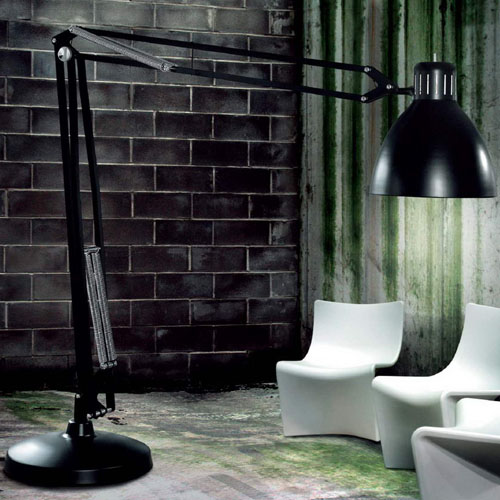

A single, sculptural silhouette can change the mood of a room – and oversized floor lamps do exactly that. These generous light sources anchor a space with presence as much as illumination, turning corners into stages, drawing the eye along a wall, and reshaping how furniture and shadow relate.Because they occupy both visual and physical space, they offer a rare combination of function and drama that can be coaxed into almost any interior style.
This article explores how to work with their scale rather than against it. You’ll learn practical rules for placement, proportion, and layering light, plus creative ways to integrate an oversized lamp so it feels intentional, not overpowering. Weather your goal is to create a cozy reading nook, define an open-plan living area, or add architectural interest to a minimalist scheme, the right oversized floor lamp – and the right approach – can transform the ordinary into something quietly theatrical.
Choose the Right Scale for Your Space Balancing Height Shade Size and Proportion
Think of an oversized floor lamp as a sculpture that must harmonize with the room’s bones – ceiling, furniture, and open space – rather than dominate them. Measure before you buy: a tall lamp needs room to breathe, and a low ceiling will make even a slender tower feel cramped. Keep these speedy guidelines in mind as you size up possibilities:
- Ceiling height: 8-9 ft ceilings → 5-6 ft lamp; 10+ ft ceilings → 6-7 ft lamp.
- Seating scale: Lamp height should be roughly the same as the back of nearby seating or slightly taller to create layered depth.
- Base proportion: A wide sofa calls for a grounded, heavier base; small chairs pair best with lighter, slimmer stems.
Shade diameter and silhouette complete the conversation between lamp and room – too large and the shade swallows the space, too small and the lamp reads like an afterthought. Aim for balance by considering visual weight, material, and the negative space around the fixture:
- Shade-to-seat ratio: Shade diameter equal to two-thirds the width of the nearby seat creates a cozy reading zone.
- Glare and function: Keep the bulb position just above eye level when seated to avoid glare but preserve task light.
- Contrast & cohesion: Match the lamp’s finish or texture with one other element in the room - a frame, table leg, or textile - to tie the composition together.
Anchor Seating Areas with a Statement Lamp and Layered Lighting for Function and Ambience
Let the oversized fixture become the room’s compass: tuck it beside a sofa or swivel chair so it *frames* the seating and draws the eye without crowding the footprint. Use the lamp’s scale to balance low furniture and create a vertical anchor point, then soften its presence with layered glow. Mix ambient wash and targeted beams so the lamp reads as both sculpture and source – warm uplighting for mood, a focused arm for reading. Practical cues to try now:
- Place the base so the shade hovers above shoulder height for pleasant glare control.
- Match the lamp’s scale to the couch length – a long sofa can take a taller, wider shade.
- Choose a dimmable bulb to shift from task to atmosphere with one twist.
think of lighting like a playlist: ambient beats underpin the room, while accents and task notes add texture and clarity. anchor the scheme with one bold floor lamp, then layer in table lamps, wall sconces or LED strips to define conversation zones and highlight art or bookcases. A simple grid helps decide what to add and why:
- Ambient: overall comfort and evening warmth.
- Task: reading, hobbies, or laptop work.
- Accent: sculptural highlights and focal points.
| Layer | Purpose | Suggested Temp |
|---|---|---|
| Ambient | Soft, even glow | 2700K-3000K |
| Task | Focused clarity | 3000K-4000K |
| Accent | Drama and focus | 2700K-3500K |
Position Thoughtfully to maintain Flow Avoid Glare and Preserve Sightlines
Think of your oversized lamp as an architectural friend that needs room to breathe – place it where it can anchor a corner or frame a seating group without becoming a tripping hazard or visual roadblock. Aim to leave a clear path of roughly 18-24 inches between the lamp base and foot traffic, tuck it slightly off-center from sofas or chairs so it reads as intentional rather than obstructive, and avoid lining it up directly in front of windows or artwork so sightlines remain open. Consider these simple placement nudges:
- Keep bases out of walkways – side tables can be the lamp’s landing pad.
- Float behind seating to create depth without cutting views.
- Balance scale by pairing a tall lamp with low-profile furniture.
Glare and blocked views are the enemies of a cozy room - you want the glow,not the glare. Position shades so the bulb is hidden from seated eye level,use warm diffused bulbs and dimmers to soften intensity,and angle adjustable heads away from screens and windows to preserve sightlines. Small tweaks can make a big difference:
- Hide the bulb behind a deep shade or upward-facing hood.
- Use diffused LEDs for even, comfortable light.
- Add a dimmer to control ambiance without moving the lamp.
- Angle strategically to keep views unobstructed and glare-free.
select Shades Bulbs and Finishes to Control Mood Reduce Glare and complement Textures
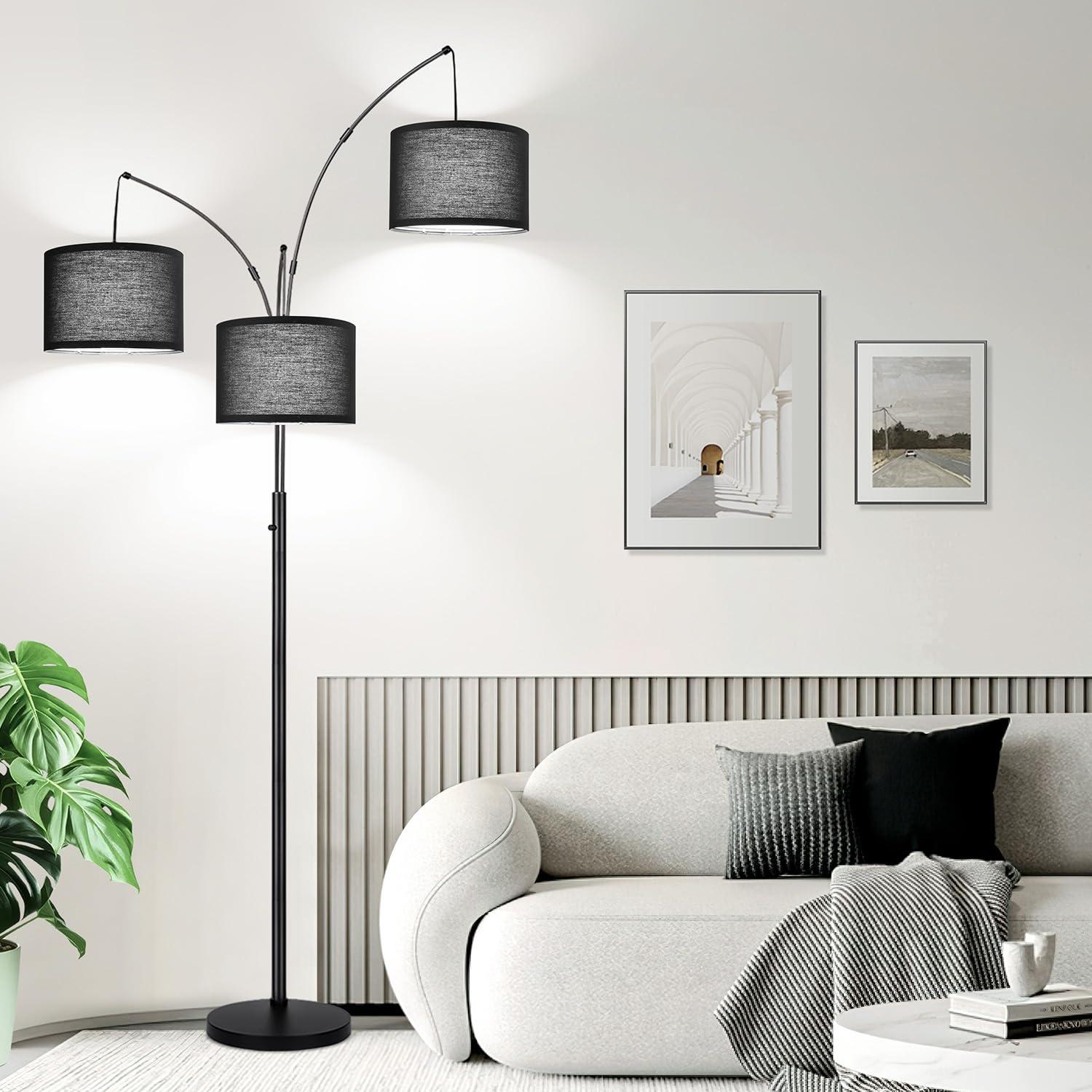
Think of your oversized lamp as a light sculptor: the shade and finish decide whether the room feels intimate or theatrical. Choose translucent fabrics for a soft glow that flattens shadows and flatters textiles, or go with frosted glass to tame glare while preserving brightness. Metal shades and reflective interiors concentrate light for direct task light, while woven or textured shades spill patterned shadows that play off rugs and upholstery. Quick styling moves:
- Linen or paper: gentle, warm ambience for reading nooks.
- Matte metals: modern contrast against plush fabrics.
- Translucent glass: clean brightness that reduces hotspots.
Choose finishes that echo existing materials-brushed brass for warm woods, blackened iron for industrial stone-so the lamp feels like a natural extension of the room’s texture palette.
Bulb choice completes the mood: color temperature, lumen output and dimmability matter more than wattage. Use warm 2700-3000K LEDs to enhance cozy corners, cooler tones for reading or sculptural emphasis, and lower-lumen bulbs behind large shades to avoid harsh pools of light. Pair with a dimmer or smart bulb to tune atmosphere on the fly.A simple reference:
| Shade | Mood | Recommended Bulb |
|---|---|---|
| Linen drum | Soft, intimate | LED 2700K, 800 lm |
| Frosted glass | Even, glare-free | LED 3000K, 1000 lm |
| Metal reflector | Focused, dramatic | LED 3000K, 1200 lm |
Bold finishes and intentional bulbs turn an oversized floor lamp from a statement object into an atmospheric tool that reduces glare, balances textures and lets you set the room’s emotional temperature with a twist of a dimmer.

mix Styles and Materials to make an oversized Lamp Feel Intentional Not Overpowering
Think of a large floor light as a piece of furniture rather than just a source of light – pairing it with contrasting finishes and textures makes it read as intentional instead of dominant. Use scale and rhythm to your advantage: anchor the base with a low-profile sofa or console, echo one of the lamp’s materials elsewhere in the room, and let negative space breathe around the silhouette. Balance comes from repetition and restraint – choose one bold feature (a brass stem, a blown-glass globe, or a woven shade) and support it with subtler accents so the lamp complements the scene instead of taking it over.
Practical pairings help you mix styles without clashing; try combining warm wood with cool metal or a vintage shade with a modern stand to create harmony. Use layered lighting and textiles to soften the presence and maintain proportion - an oversized lamp reads lighter when its finish is echoed in a rug trim or a stack of books. Below is a quick reference of creative material duos and where they sing best:
- Wood + Matte Black - Living room: warm, grounded contrast
- Brass + Linen – Bedroom: elegant, soft glow
- Blown Glass + Concrete – Entryway: modern sculptural statement
- Rattan + Painted Steel – Sunroom: casual, layered texture
| Material Pairing | Best Spot | Why It Works |
|---|---|---|
| Brass + Linen | Bedroom | Warm metal softens with fabric |
| Wood + Matte Metal | Living Room | natural warmth anchors scale |
| Glass + Concrete | Entry | Textural contrast creates interest |
Wrapping Up
think of an oversized floor lamp as a quiet giant in the room – it claims space without shouting, sculpts the light, and helps define how you move and linger. Balance scale with furniture, choose a placement that anchors a corner or frames a seating group, and layer its glow with task and ambient lighting so the room feels intentional at every hour. Pay attention to proportion, finish and function, and don’t be afraid to experiment with surprising angles or multiple lamps to create rhythm. With a little measuring, a mindful eye for texture and a willingness to tweak, an oversized floor lamp can turn ordinary corners into carefully composed moments of light.