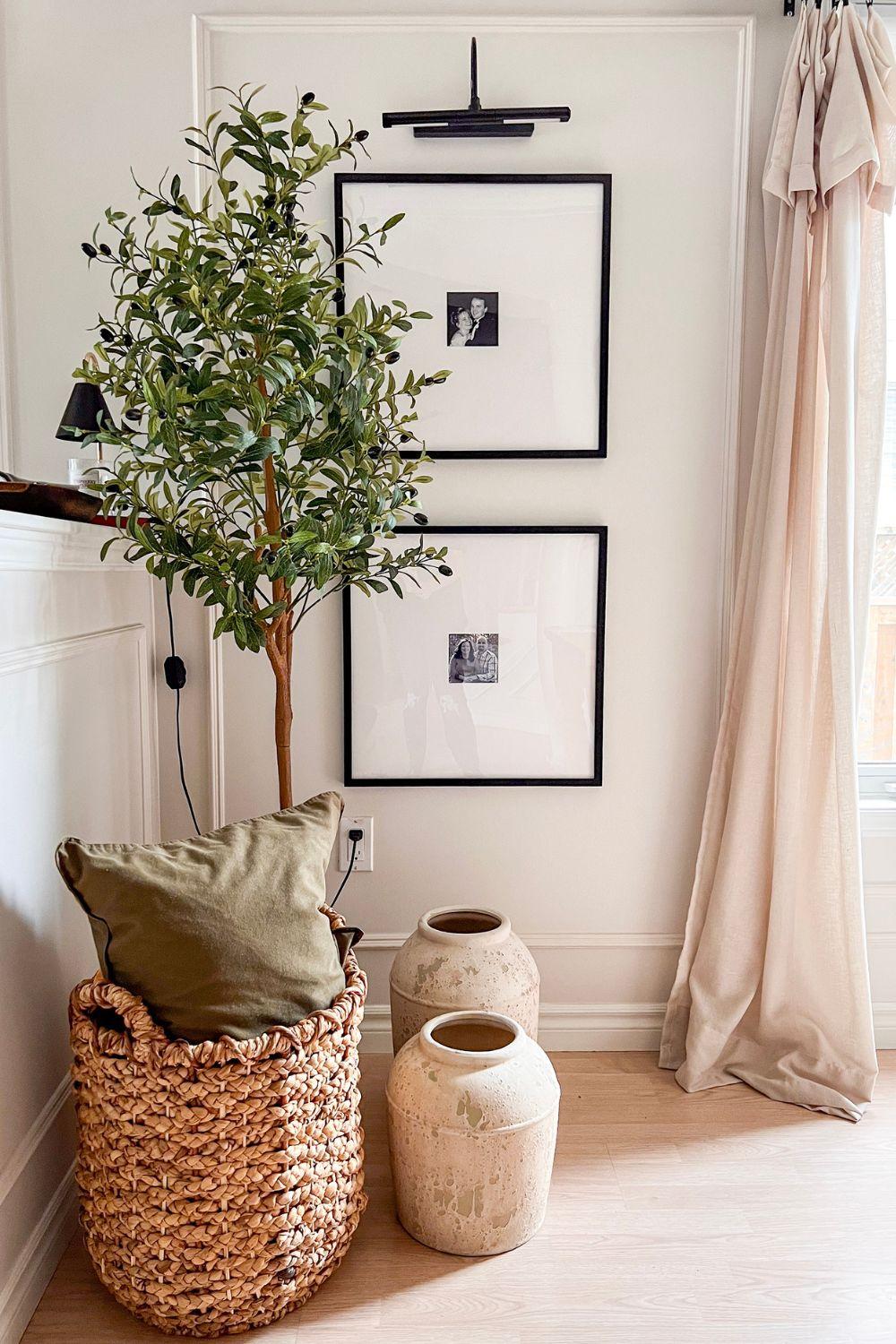

the bedroom is more than a place where you collapse at the end of the day – it’s the final set piece in a long, noisy performance of waking life. When the room is tuned to the right frequency, sleep arrives more easily; when it’s cluttered, radiant, or discordant, even the heaviest body can toss and turn. Designing that space thoughtfully can tip the balance from restless to restorative.
This article explores practical, research-informed ways to shape a bedroom that nudges you toward sleep: from light and temperature to layout, textiles, and the subtle psychology of color and clutter. You’ll find actionable design choices that respect both aesthetics and physiology, with attention to small habits and sensory details that make a measurable difference.
Whether you’re starting from scratch or reworking corners of a room, the goal is the same: create an habitat that signals safety and rest to your brain. Read on to learn how to turn your bedroom into a quiet, welcoming stage where falling asleep feels natural rather than forced.
Set a sleep friendly color palette and lighting plan to cue relaxation
Choose a palette that whispers “slow down” the moment you step inside: think layered neutrals with a single gentle accent rather than high-contrast pops. Use muted blues, warm greys, soft sage, lavender and creamy beige to lower visual stimulation – fabrics and finishes in matte or low-sheen will help the eye rest. Small pops of texture (linen,brushed wood,a knitted throw) create depth without demanding attention.Try this speedy palette guide for balance:
- Soft Blue #CFE8FF
- Warm Gray #D9D5D2
- Muted Sage #CFE6D7
- Lavender Mist #E6E0FF
Make light part of your bedtime ritual by designing layers that dim toward sleep: ambient for general calm, task for reading, and accent to highlight a cozy corner. Favor warm-color bulbs (2700K or lower),soft dimmers,and smart schedules that gradually lower brightness 30-60 minutes before bed to cue melatonin production. A simple lighting cheat-sheet helps plan each layer:
| Layer | Bulb / Level | Use |
|---|---|---|
| Ambient | Warm LED 220-350 lm | Even, dimmable glow |
| Task | Directional 400-600 lm (warm) | Reading, bedside control |
| Accent | Warm string or lamp 50-150 lm | Soft focal points |
Use switches, dimmers or smart scenes to automate the wind-down; consistency is the cue that trains your brain to relax.
Optimize temperature and airflow with bedding and thermostat strategies
When your body begins its natural cool-down phase, the wrong duvet or mattress cover can fight that process – or help it. Choose breathable materials like cotton, linen or bamboo that wick moisture instead of trapping heat; think thin, layered bedding rather than one heavy blanket so you can fine-tune warmth through the night. For people who overheat, a lightweight duvet with a detachable cover and a breathable mattress topper can be transformative. Consider a lighter pillow fill and moisture-wicking pillowcases to keep the head and neck at a stable temperature, which many sleepers report helps them drift off faster.
- Layer smart: base sheet + thin duvet + removable throw
- Pick fabrics: natural,moisture-wicking textiles over synthetics
- Adjustable options: split duvets or cooling mattress toppers
- Weighted vs cool: reserve weighted blankets for cool nights only
Thermostat and airflow strategies turn those bedding choices into a predictable sleep routine: program a gradual drop in temperature 30-60 minutes before bedtime,or use a sleep mode on a smart thermostat to avoid abrupt changes that wake you. Promote gentle cross-ventilation with a low-speed fan or ceiling fan set to a downward breeze in summer and reverse in winter for air circulation without drafts. If indoor humidity is high,a dehumidifier can make the room feel cooler at the same thermostat setting,while keeping fresh air flow prevents stagnant,warm pockets that disturb sleep.
| Season | Target bedroom temp | Quick tip |
|---|---|---|
| Summer | 60-67°F (15-19°C) | Use low fan + breathable sheets |
| Winter | 62-68°F (17-20°C) | Layer blankets; reverse fan |

Choose mattress and pillows that match your sleep position and pressure needs
Think of your mattress as the stage where the night’s recovery happens: it should cradle the places that need contouring and resist where stability is essential.Choose materials and firmness that respond to your primary sleep posture-memory foam or hybrid layers for pressure relief at the hips and shoulders, zoned support for spinal alignment, or a firmer coil core if you need push-back and breathability. Pay attention to trial periods and return policies so you can test pressure points at home; a mattress that looks plush in a showroom can feel like a cloud or a slab once your body settles into it. Comfort is not a one-size-fits-all word-match density, layers, and edge support to how you actually sleep, not how you think you should sleep.
- side sleepers: medium-soft to medium for shoulder and hip relief
- Back sleepers: medium to medium-firm for lumbar support
- Stomach sleepers: soft to medium-firm to avoid sinkage at the hips
- Combination sleepers: adaptive hybrid or layered foam for pressure relief and quick response
Pillows are the small,decisive detail that keep your head,neck and spine in a straight line through the night-choose loft and fill to preserve that alignment. An adjustable or shredded-fill pillow allows you to dial loft up or down for precise neck alignment, while contoured memory foam can reduce pressure beneath the skull for people with tension or headaches. Consider cooling covers and breathable fills if you overheat; rotation and occasional fluffing prolong performance. Pair your pillow height to shoulder width and mattress firmness so your head neither tilts up nor droops down-tiny changes hear equal big wins for falling asleep faster.
| Sleep Position | Mattress Firmness | Pillow Type |
|---|---|---|
| Side | Medium-soft / Zoned | Medium loft, contour or shredded-fill |
| Back | Medium-firm | low-medium loft, supportive but thin |
| Stomach | Medium-firm to firm | Very low loft, soft thin pillow |
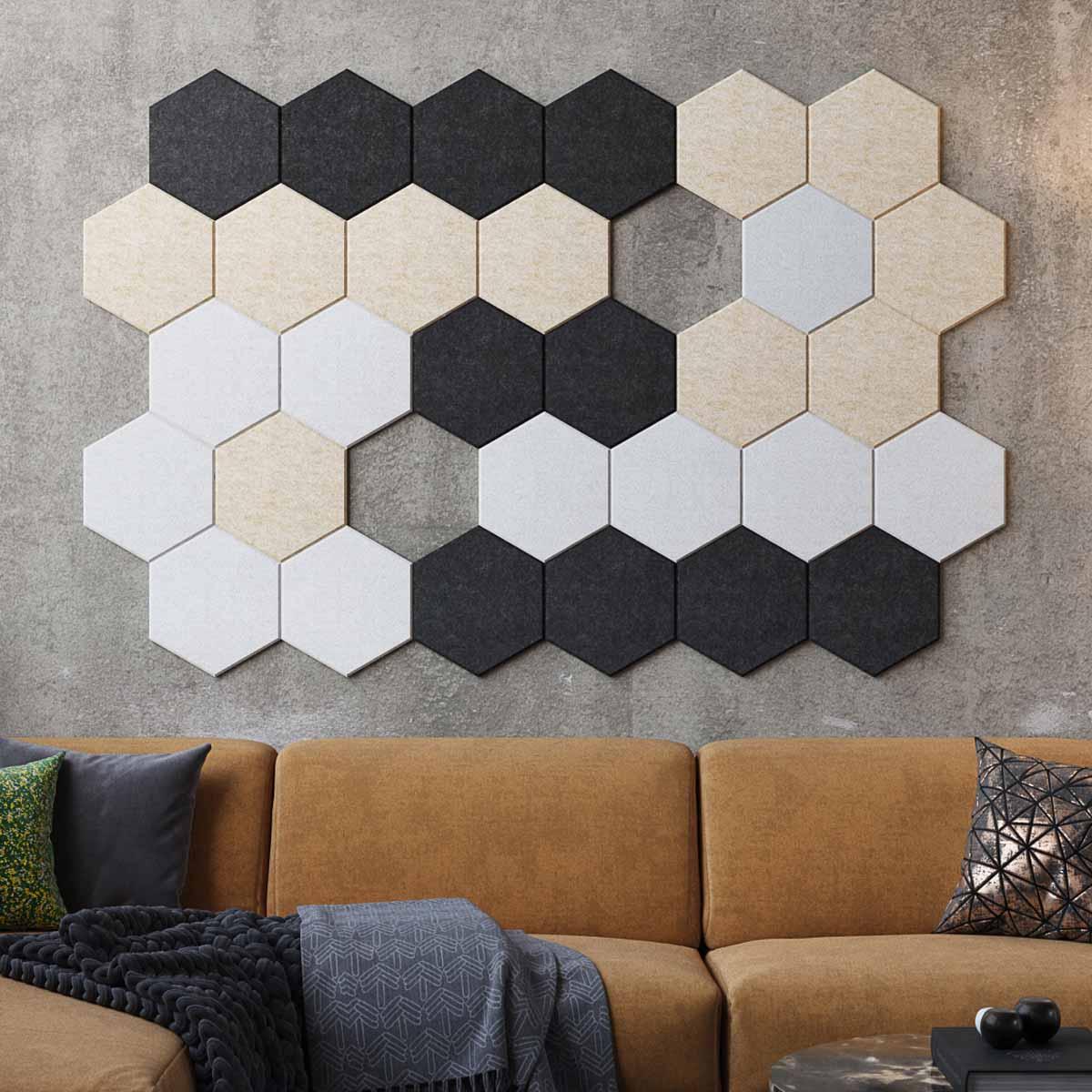
Minimize noise and digital distractions with acoustic and tech solutions
Think of your bedroom as a curated soundscape: layer soft materials and smart sealing to turn intrusive clatter into a distant hum. Use heavy curtains, rugs and an upholstered headboard to increase absorption, add a door sweep and weatherstripping to block corridor noise, and consider a bookshelf or hanging textiles as natural diffusers. Small,purposeful changes-like plugging gaps around window frames or installing a few decorative acoustic panels-can transform the room from noisy to noticeably calmer without a full renovation.
- Heavy curtains - reduce high-frequency street sounds
- Door sweep & seals – stop hallway drafts and slams
- Area rug & headboard - absorb footsteps and echo
- Bookshelf or wall art – scatter sound to prevent sharp reflections
- White-noise source – mask intermittent disturbances
Pair the acoustic work with simple tech habits to remove digital interruptions: enable Do Not Disturb, schedule notification-free hours, and use a dedicated white-noise machine or an app with gentle, nonintrusive loops. Opt for smart lighting that dims gradually to cue sleep, and consider apps that enforce a short “digital detox” before bed by silencing alerts and reducing blue light. These low-friction tools let the space-and your habits-nudge you into sleep rather than fight for your attention.
| Tool | Quick benefit |
|---|---|
| White-noise machine | Masks sudden sounds |
| Smart bulb (warm dim) | Signals wind-down |
| Focus/Do Not disturb | Stops notification pulls |

Create a calming pre sleep routine and layout that supports circadian rhythms
Build a nightly ritual that cues your body it’s time to unwind: dim lamps and switch to warm-toned bulbs an hour before sleep, put devices away during a set tech curfew, and choose one gentle activity-reading, breathwork, or light stretching-to mark the transition. Small, repeated actions train your nervous system: the same order of steps each night creates a signal that prepares your brain for rest, while consistent timing helps anchor your internal clock so sleep arrives more predictably.
- Consistent bedtime: go to bed within the same 30-60 minute window each night
- Tech curfew: screens off 30-60 minutes before lights-out
- Warm dim lighting: switch to amber or low-lux lamps for wind-down
- Gentle ritual: 5-15 minutes of breathing, light yoga, or journaling
- Environment: cool room, blackout, and remove bright clocks
| Time Before Bed | Lighting | Suggested Action |
|---|---|---|
| 60-45 minutes | Warm,dim | Calm reading or herbal tea |
| 30 minutes | Very low | breathing, soft stretches |
| Lights-out | Dark | Sleep |
Arrange the room so day and night signals are clear: position your bed to receive morning sunlight for a natural wake cue, but install blackout coverings to keep nights dark and uninterrupted. Keep the layout uncluttered-clear visual flow and a tidy bedside area reduce cognitive noise, and placing the clock out of direct view prevents worry-driven wakefulness. combine layout with temperature control and breathable bedding so your bedroom becomes a simple, consistent ecosystem that supports your circadian rhythm every 24 hours.
Closing Remarks
Designing a bedroom that helps you fall asleep faster doesn’t require perfection – it asks for thoughtful choices. By aligning light, sound, temperature, layout and material with how your body and mind settle, you give sleep the best possible stage. Small, consistent changes often make the biggest difference.
Treat your room like an experiment: try one adjustment at a time, note how it affects your evening wind‑down, and refine what works for you.A cooler temperature, softer lighting, a decluttered sightline, or just swapping a pillow can reveal surprising benefits. Patience matters; new habits and sensory cues take a few weeks to register.
Above all, design with intention rather than rules. Aim for a space that feels calm, predictable and attuned to your rhythms. When your bedroom quietly supports sleep instead of competing with wakefulness,falling asleep becomes less of a struggle and more of a gentle return.
Let the room you inhabit at night do the work of rest – simple, steady, and ready to welcome you when it’s time to sleep.