
The exterior of your home plays a key role in both the visual appeal and the protection of the structure itself. With modern homes increasingly focused on energy efficiency and sustainability, the materials used for siding have become more varied and sophisticated. Homeowners today are looking for siding solutions that not only look good but also improve their home’s energy performance and require less maintenance over time.
In this article, we’ll explore some of the most innovative siding solutions available for modern homes. Whether you’re constructing a new house or updating the exterior of an older one, understanding these options will help you make an informed decision.
What Makes Modern Homes Stand Out in Terms of Siding?
The exterior of a modern home is no longer just about curb appeal—it’s about balancing aesthetics, functionality, and sustainability. Today’s siding solutions offer far more than just protection from the elements. They play an important role in reducing energy consumption, increasing the home’s lifespan, and enhancing overall comfort.
Modern homes are also more likely to integrate elements like minimalist designs, eco-friendly materials, and energy-efficient features. These priorities have driven significant innovation in siding materials, allowing homeowners to choose from a variety of options that fit both their design vision and practical needs.
Popular Innovative Siding Materials
As technology and materials improve, new options for siding are making waves in home exteriors. Here are some of the most popular siding materials that offer both style and functionality:
Fiber Cement Siding
Fiber cement siding is an ideal choice for homeowners who want a low-maintenance option that still provides a classic aesthetic. This material is known for its durability and resistance to fire, termites, and moisture, making it a great option for homes in a variety of climates.
Unlike traditional wood siding, fiber cement doesn’t rot or warp, and it can be painted in a wide range of colors to match any design vision. The material is also environmentally friendly and can last up to 50 years with minimal maintenance, which makes it a sound long-term investment for modern homes.
Engineered Wood Siding
Engineered wood is a more eco-friendly option compared to traditional wood siding. Made from compressed wood fibers, this material offers a similar look to natural wood but is more resistant to moisture, insects, and decay.
Engineered wood also tends to be more affordable than solid wood, which makes it a great option for those on a budget who still want the warmth and aesthetic of wood. Furthermore, it can be treated to be resistant to fading, making it a solid choice for homeowners in areas with intense sun exposure.
Metal Siding
For homeowners seeking a modern, industrial look, metal siding is a top contender. Materials like aluminum and steel offer a sleek, clean look that complements contemporary architecture. Metal is also highly durable, resistant to fire, and can withstand extreme weather conditions, making it ideal for regions prone to hurricanes or heavy snow.
Although metal siding was once primarily used in commercial buildings, it’s now gaining popularity in residential construction due to its durability, versatility, and low maintenance. With an assortment of finishes and colors, metal siding can be customized to fit many different design preferences.
Vinyl Siding with Modern Upgrades
Vinyl siding has long been a popular choice due to its affordability and ease of installation. However, modern upgrades to vinyl siding have made it more durable and energy-efficient than ever before.
Today’s vinyl siding options are available in a range of textures and colors, and many now come with an additional layer of insulation that helps improve your home’s energy efficiency. Vinyl siding requires little upkeep and resists fading, cracking, and warping, which makes it a low-maintenance option for homeowners who want a quick, long-lasting solution.
Stone and Brick Veneer Siding
For homeowners looking to add a luxurious touch to their home, stone and brick veneer siding offers the look of traditional stone or brick without the weight or cost. These veneers are made from thin slices of natural stone or brick and can be applied to the exterior of the home to create a rich, high-end appearance.
Stone and brick veneers are also incredibly durable, fire-resistant, and require little maintenance. While they can be more expensive than some other siding options, they provide a timeless aesthetic that can significantly increase the value of a home.
Siding Innovations for Sustainability
As sustainability continues to be a driving factor in home design, many new siding materials have emerged that focus on environmental benefits. From recycled content to energy-efficient features, today’s siding solutions are more eco-friendly than ever before.
Eco-friendly Materials
Siding materials like engineered wood, fiber cement, and metal are all made with sustainability in mind. For example, engineered wood is often crafted using recycled wood fibers, reducing the need for new timber. Fiber cement, which is made from a mix of sand, cement, and cellulose fibers, has a long lifespan and can be made from non-toxic materials.
By choosing sustainable siding options, homeowners can reduce their environmental footprint while still achieving a beautiful, functional exterior.
Insulated Siding
One of the most innovative trends in siding is the rise of insulated siding, which includes a layer of foam insulation behind the material. This feature helps to regulate the temperature inside the home, reducing heating and cooling costs over time. Insulated siding is particularly beneficial in climates where temperatures fluctuate significantly, as it helps to maintain a comfortable indoor environment.
In addition to the energy savings, insulated siding also provides soundproofing benefits, which is an added bonus for homeowners living in noisy areas.
Low-Maintenance Options
Sustainable siding isn’t just about using recycled materials—it’s also about reducing the need for maintenance. Materials like fiber cement and vinyl siding are designed to last for decades with minimal upkeep. These low-maintenance options help reduce the need for frequent repairs or replacements, which saves both time and resources.
This reduction in maintenance not only makes life easier for homeowners but also contributes to the overall sustainability of the home by limiting waste and the use of chemical treatments or paints.
What to Consider
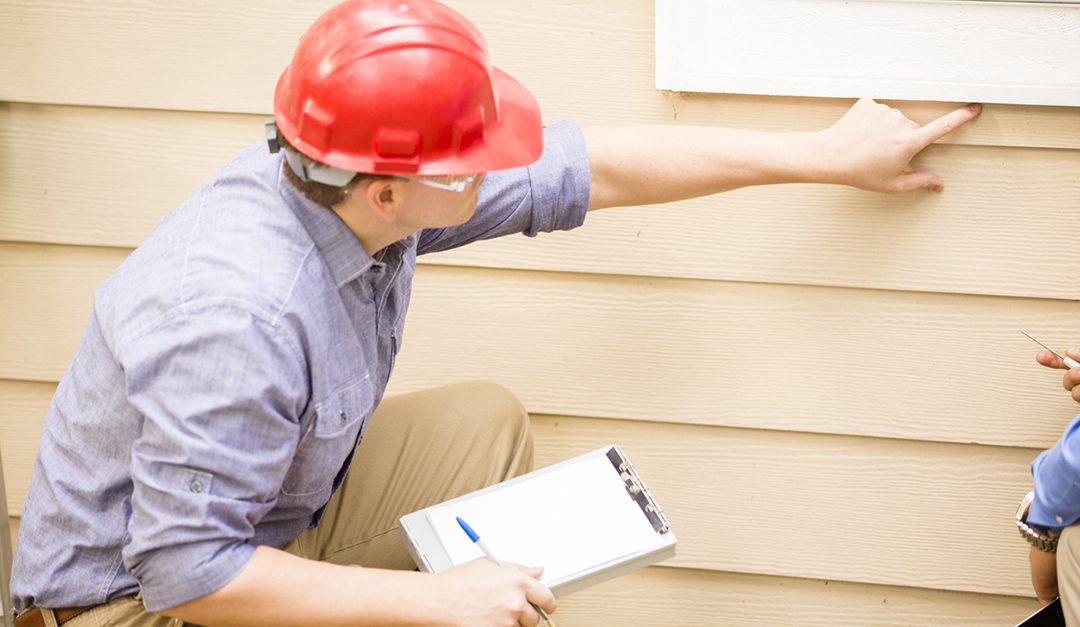
While siding materials like fiber cement and vinyl offer durability and low-maintenance options, some homeowners may encounter issues with stucco, particularly in areas with heavy moisture. If you’re dealing with stucco damage, remediation can be costly. The stucco remediation cost involves addressing issues like water damage or structural failure, which can be expensive, depending on the extent of the damage.
It’s important to weigh the potential costs of remediation when considering your siding options. In some cases, replacing stucco with a more durable and moisture-resistant material like fiber cement or metal siding may be more cost-effective in the long run, especially if your home is prone to weather-related damage.
Choosing the Right Siding for Your Modern Home
When selecting the right siding for your home, there are a few key factors to consider:
Climate Considerations
Climate plays a major role in how well a siding material will perform. Homes in areas with extreme temperatures may benefit from the heat resistance of metal siding, while homes in more humid climates might benefit from the moisture resistance of fiber cement or engineered wood.
Budget
Your budget will certainly influence your decision. While high-end materials like stone veneer and metal siding can be more expensive upfront, their long-term durability and energy savings can make them worth the investment. Conversely, more affordable materials like vinyl and engineered wood can offer excellent value while still providing long-lasting performance.
Design Preferences
Lastly, consider the aesthetic of your home. Modern homes often feature sleek, clean lines that pair well with materials like metal or fiber cement, while more traditional homes may be better suited to wood or stone siding. Choose a material that aligns with your overall design vision while meeting your practical needs.
The Future of Siding: What’s Next?
The future of siding holds exciting potential, with smart technologies, new materials, and energy-efficient innovations driving the market forward. Smart siding, which incorporates solar panels or self-cleaning properties, is already making waves in the industry and could become even more common in the coming years.
Emerging materials like recycled plastics and composites could further improve the environmental impact of siding, while providing greater durability and functionality for homeowners.
Conclusion
Choosing the right siding for your modern home is more than just a cosmetic decision. With the variety of materials available today, homeowners can enjoy siding that not only enhances the beauty of their home but also provides energy savings, durability, and minimal maintenance. Whether you’re interested in the luxury of stone veneer or the practical benefits of insulated vinyl, the key is to find a material that fits both your budget and lifestyle.