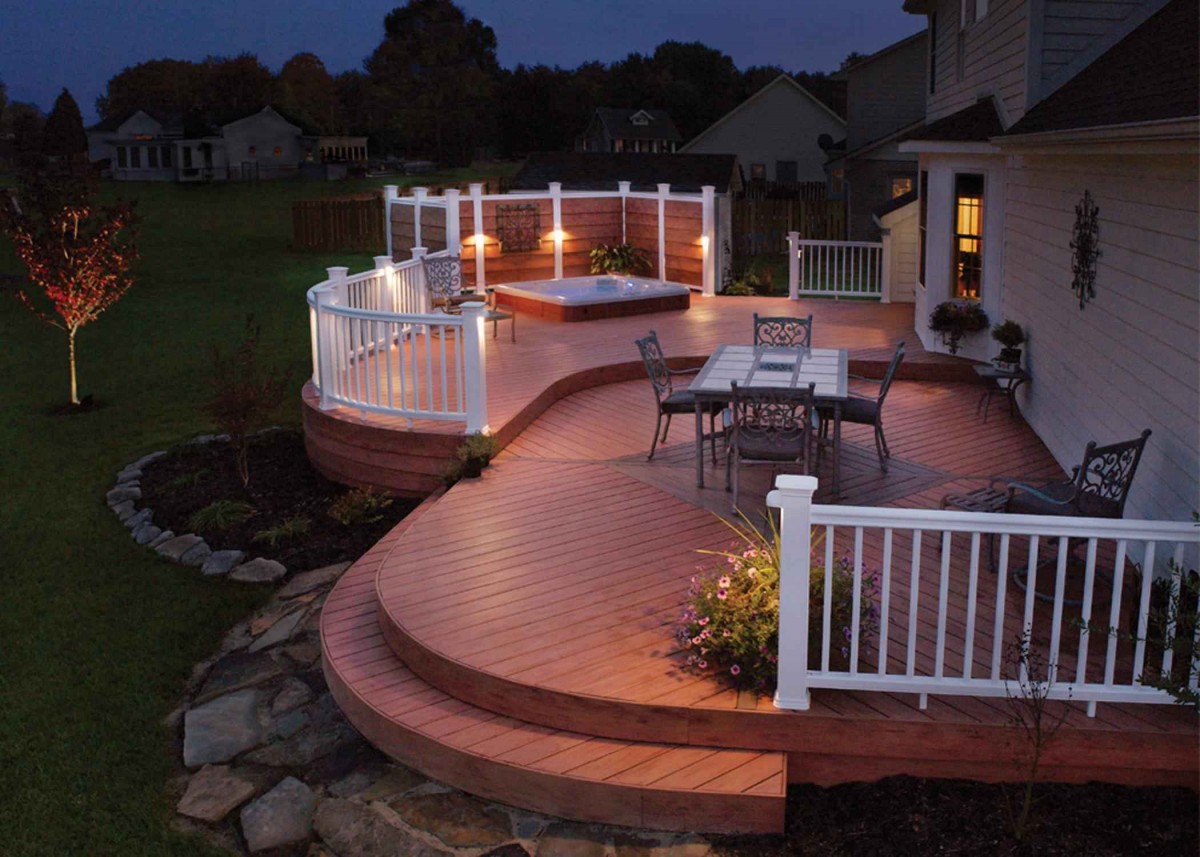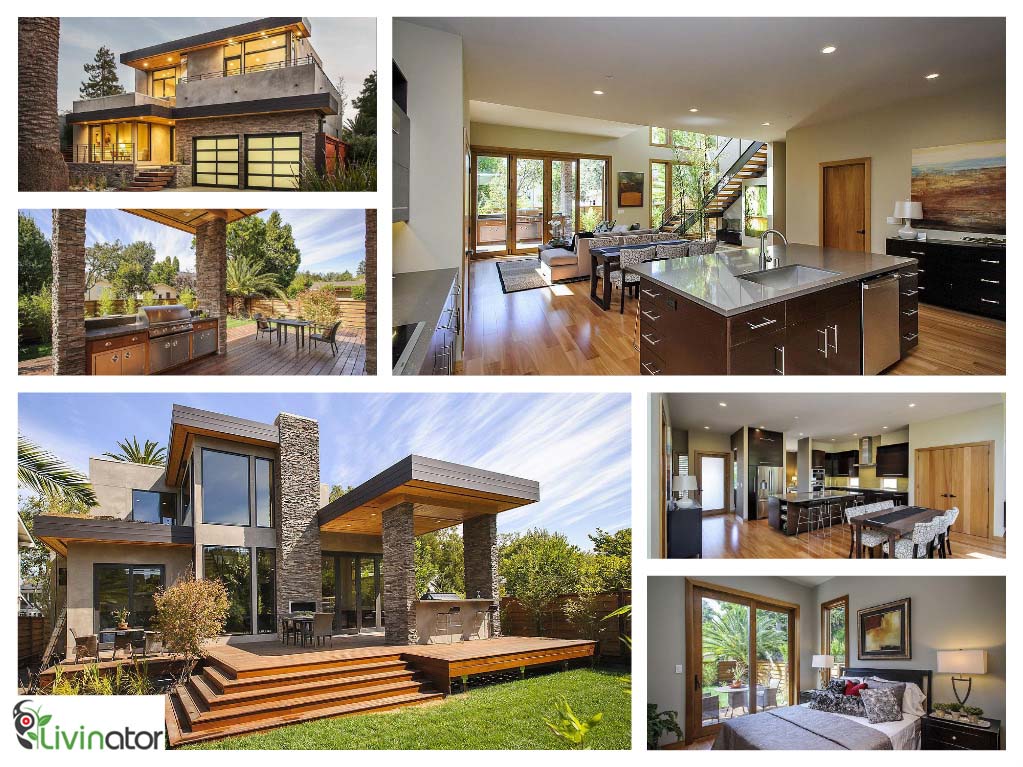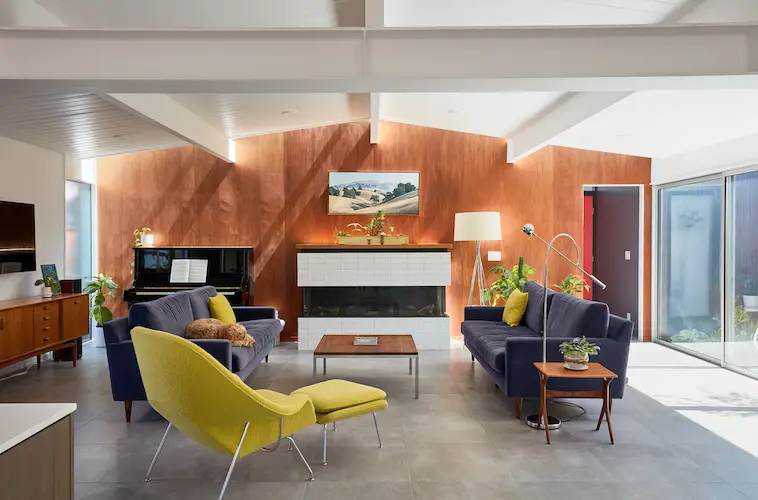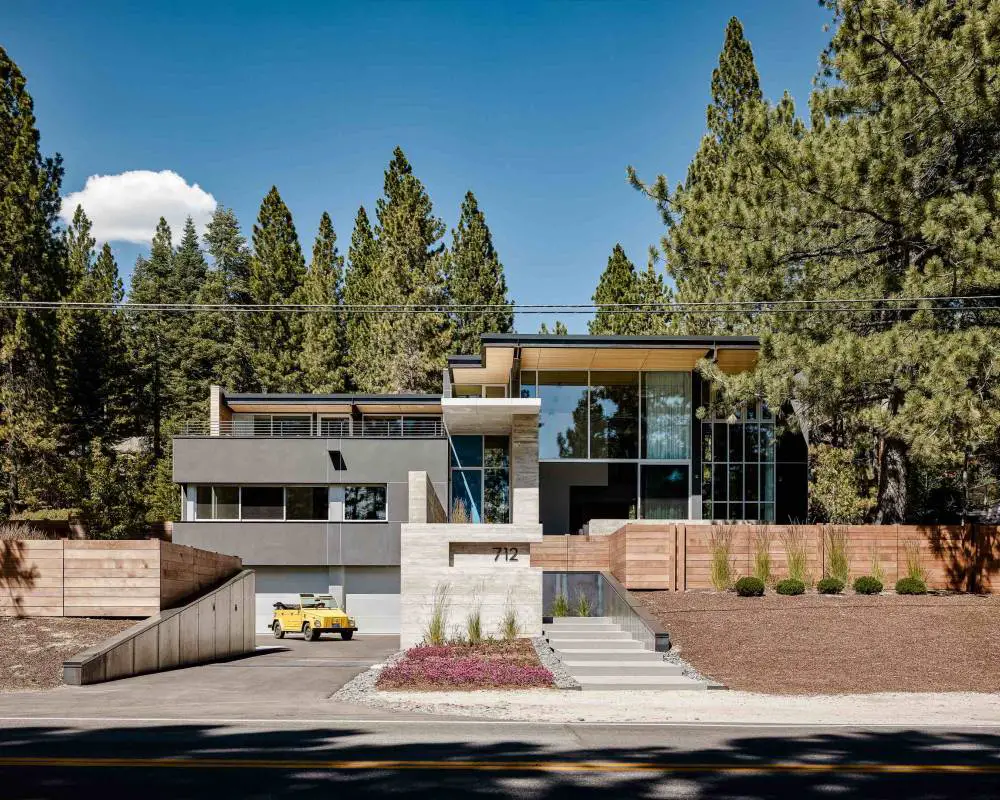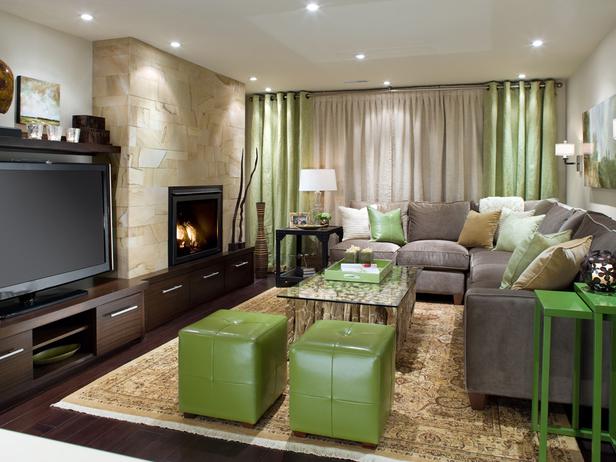

In a world increasingly captivated by the interplay between nature and design, the quest for light has taken centre stage in modern architecture. ”Natural Light Wonders: Architectural Features to Maximize sunlight” invites you to explore the innovative strategies that architects and designers employ to harness the sun’s radiant energy, transforming spaces into luminous sanctuaries. From expansive windows that blur the lines between indoor and outdoor realms to strategically placed skylights that invite the heavens inside, the architecture of light transcends mere functionality. It becomes a celebration of illumination, mood, and well-being. Join us as we delve into the essential elements that not only enhance aesthetic appeal but also promote sustainability and vitality in our living environments. in this journey, we uncover how the thoughtful integration of sunlight can invigorate our spaces, enrich our experiences, and inspire a deeper connection to the natural world around us.
Embracing the Sun: Understanding the Importance of Natural Light in Architecture
Natural light is not merely an aesthetic choice in modern architecture; it profoundly influences the psychological and physical well-being of occupants. harnessing natural daylight can reduce dependence on artificial lighting, creating a harmonious balance between sustainability and comfort. Designers can achieve this through various architectural elements that maximize sunlight penetration.Some effective features include:
- Skylights: These installations provide direct access to the sun’s rays, illuminating interior spaces without relying on artificial lights.
- large Windows: Expansive glass facades and strategically placed windows ensure a continuous flow of natural light throughout the day.
- Light Shelves: These cleverly designed surfaces reflect sunlight deeper into the interior, enhancing ambient light levels while minimizing glare.
Moreover, the orientation of a building plays a vital role in the optimization of sunlight.Understanding the sun’s path allows architects to design spaces that invite light during different seasons, creating a warm and inviting atmosphere. Consider the following benefits of thoughtful sunlight integration:
| Benefit | Description |
|---|---|
| Enhanced Mood | Natural light has been shown to boost mood and reduce feelings of depression. |
| Energy Efficiency | Utilizing daylight can significantly lower energy costs related to lighting. |
| Connection to Nature | Exposure to natural light fosters a stronger connection to the outdoors. |

Designing for Daylight: Key Architectural Features that Enhance Sunlight
When it comes to harnessing the beauty and warmth of natural light, several architectural elements play a pivotal role. Large windows are among the most effective features, allowing sunlight to flood interior spaces. The orientation of these windows is crucial; south-facing windows tend to capture more sunlight throughout the day. Furthermore, incorporating skylights can provide an additional layer of daylight, particularly in areas that may not benefit from conventional window placements. By selecting translucent materials for partitions or walls, architects can diffuse sunlight, creating a soft glow rather than an overwhelming brightness.
Along with placement and materials, the design of roof overhangs and awnings can significantly influence how light penetrates a building. Overhangs that are strategically sized can block excessive summer sunlight while permitting winter sunlight to warm the interiors. Another fascinating feature is the use of light wells or solar tubes, which channel daylight from the roof into lower levels. The combination of these architectural elements not only enhances the aesthetic appeal but also contributes to the energy efficiency of a space by reducing reliance on artificial lighting.
Strategic Placement: How Orientation and Layout Influence Sunlight Access
In the intricate dance of architecture and natural elements, the orientation and layout of a structure play pivotal roles in determining how much sunlight permeates its interior. By aligning buildings with specific cardinal directions, architects can harness the sun’s daily journey across the sky. For instance, south-facing walls typically capture the most radiant light throughout the day, encouraging radiant, inviting spaces while minimizing energy costs. Moreover, strategic use of eaves and overhangs can create shaded areas, allowing for a pleasant balance between sunlight and shelter. This thoughtful layout not only enhances aesthetic appeal but also reflects an eco-conscious design approach.
Equally critically important is the arrangement of interior spaces. Open floor plans enable sunlight to travel unimpeded through large windows and doors, fostering an airy atmosphere. integrating features such as skylights and clerestory windows further amplifies the reach of natural light, particularly in areas that benefit from a higher vantage point. The placement of mirrors and reflective surfaces can also enhance sunlight distribution, making rooms feel more expansive and invigorating. By weaving together these elements, architects can create harmonious environments that not only thrive on natural illumination but also promote well-being and sustainability.
Creative Solutions: Innovative Techniques to Maximize Natural Light in Any Space
Incorporating reflective elements into your design can drastically improve the influx of natural light. Consider using surfaces like polished tiles or metallic finishes that bounce sunlight deeper into your space. Installing mirrors strategically can amplify daylight, transforming dark corners into luminous havens. Additionally, don’t overlook translucent partitions rather of solid walls; these allow light to permeate while creating a sense of division within the space.
Creating a connection between the indoors and outdoors is key to increasing natural light. Implementing features such as skylights and large windows can dramatically enhance daylight accessibility. Bay or bow windows not only offer picturesque views but also extend the surface area that light has to reach the interior.another innovative technique is to incorporate light tubes, which can channel daylight from the roof down through a reflective tube, flooding corridors and interiors with an unexpected glow.
Q&A
Q&A: Natural Light Wonders – Architectural Features to Maximize Sunlight
Q1: What are natural light wonders in architecture?
A1: Natural light wonders refer to architectural features and design strategies that harness sunlight to illuminate spaces, creating vibrant, energy-efficient environments. These design elements not only enhance aesthetic appeal but also improve occupants’ well-being by connecting them with the outside world.
Q2: Why is maximizing natural light important in architecture?
A2: Natural light plays a crucial role in enhancing mood,productivity,and health. it reduces reliance on artificial lighting, leading to lower energy costs and a smaller carbon footprint. Additionally, spaces filled with natural light are often perceived as more inviting and spacious, improving overall comfort.
Q3: what are some common architectural features that enhance natural light?
A3: Several features can be used to increase natural light, including:
- Large Windows: Expansive, strategically placed windows allow ample sunlight to flood in.
- Skylights: These ceiling-mounted windows bring light from above, particularly in areas where wall space is limited.
- Light Wells and Atriums: Open spaces in the building’s design help capture and distribute light to lower levels.
- transom and Clerestory Windows: These high-placed windows add light while maintaining privacy and wall space for furnishings.
Q4: How can building orientation affect sunlight intake?
A4: The orientation of a building can significantly influence the amount of sunlight it receives throughout the day. South-facing facades typically harness more sunlight in the Northern Hemisphere,while careful design can definitely help optimize light exposure nonetheless of orientation. Consideration of seasonal sun angles is crucial for maximizing natural light in all spaces.
Q5: What role do materials play in enhancing natural light?
A5: The materials used in construction can dramatically affect how light interacts with a space. Reflective surfaces, such as white walls and polished floors, bounce light around the room, enhancing brightness. Conversely, the use of translucent or light-diffusing materials, like frosted glass, permits light flow while softening harsh rays, resulting in a balanced ambiance.
Q6: Are there specific design strategies to consider for different types of buildings?
A6: Absolutely! Residential homes often benefit from large windows and open floor plans that allow light to flow through. In commercial spaces,thoughtful placement of glass partitions and atriums can create inviting environments. For educational buildings, incorporating natural light in classrooms can foster a conducive learning atmosphere. Tailoring designs to meet the unique needs of each building type will ensure optimal light intake.
Q7: Can landscaping impact the amount of natural light that enters a building?
A7: Yes, landscaping plays a pivotal role in natural light flow. Well-placed trees can provide shade while preventing glare; however, too much shading can block desirable sunlight. Thoughtfully designed outdoor spaces can balance these elements, allowing for both stunning gardens and an abundance of light.
Q8: How does technology intersect with natural light design?
A8: Technology has expanded the possibilities for maximizing natural light through smart glazing, automated window treatments, and responsive building designs. Innovations such as dynamic glass that adjusts opacity based on sunlight intensity can help optimize light levels in real-time, enhancing comfort while conserving energy.
Q9: What are some future trends in maximizing natural light in architecture?
A9: As sustainability becomes increasingly prioritized, trends are leaning towards biophilic design, which integrates nature into architecture. Anticipated advancements in solar technology, green roofs, and living walls are expected to not only maximize daylighting but also positively impact air quality and biodiversity. The future will likely see an even stronger harmony between natural light, technology, and lasting practices.
Q10: How can individuals incorporate natural light principles into their own spaces?
A10: Even modest changes can make a notable difference. Consider replacing heavy drapes with sheer curtains, using mirrors to reflect light, or even rearranging furniture to embrace sunlit areas. For those undergoing renovations, consulting with a designer about adding windows or skylights can transform a home into a vibrant haven that highlights the wonders of natural light.
Key Takeaways
As we draw the curtains on our exploration of “Natural Light Wonders,” it becomes evident that the interplay between architecture and sunlight is a dance as old as time. By thoughtfully integrating features that invite the sun’s embrace, architects can transcend mere structural design, crafting spaces that breathe, inspire, and enhance our daily lives.Whether it’s a strategically placed skylight or expansive glass walls, every choice contributes to a harmonious connection with the external world.As you embark on your own journey to optimize natural light in your spaces, remember that the goal is not merely to fill a room with sunlight, but to create an atmosphere that nurtures well-being and sparks creativity. Allow these architectural principles to guide you—consider your surroundings, the seasons, and your unique preferences.
In embracing the wonders of natural light, we not only illuminate our spaces but also enrich our experiences, inviting warmth and vitality into our lives. As the sun rises and sets, may we always seek those moments where light and design converge, revealing the true essence of our environment. let the light be your muse,and may your spaces flourish under its gentle touch.