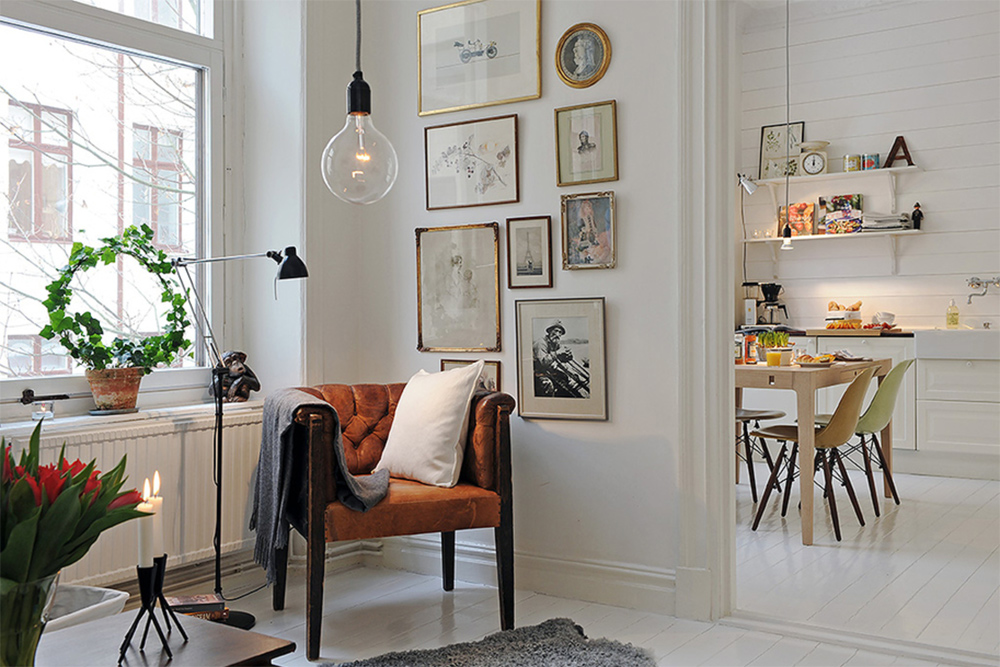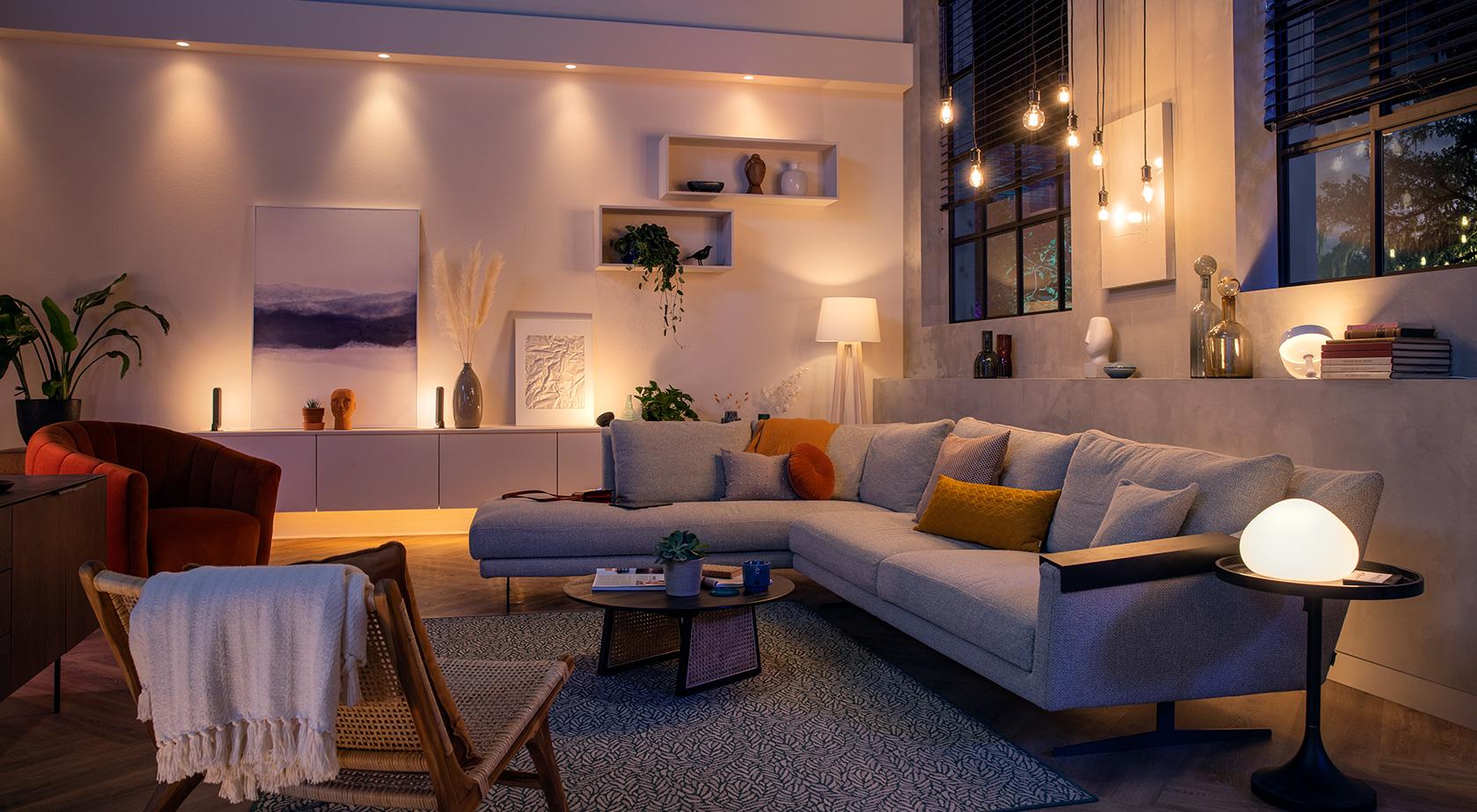

In a world that often feels overwhelmingly hectic, the desire for tranquility is more crucial than ever. Enter the realms of Scandi and Japandi design-two aesthetic philosophies that promise a serene sanctuary from the chaos of daily life. Both styles celebrate minimalism and functionality, yet they each bring a unique cultural flavor that speaks to different tastes. Scandi design, with its roots in the Nordic regions, exudes a warm and inviting simplicity, while Japandi merges the grace of Japanese elegance with the practicality of Scandinavian design. As you embark on a journey through these calming styles, we’ll explore the defining features, the inspirations behind each aesthetic, and ultimately help you discover which serene sanctuary may be the perfect fit for your home. Whether you’re drawn to the cozy hygge of Scandi living or the refined simplicity of Japandi,let’s delve into the elements that make each one a contemporary haven.
Exploring the Essence of Calm: A Deep Dive into scandi and Japandi Design
As you immerse yourself in the serene worlds of Scandi and Japandi design, you’ll uncover a shared philosophy that exudes tranquility through simplicity. both styles prioritize functionality, but their cultural influences set them apart. Scandi design brings forth a festivity of natural elements, characterized by light wood tones, open spaces, and soft, muted colors. Elements such as:
- natural materials: Emphasizing the beauty of wood,leather,and textiles.
- Minimalism: Stripping back the clutter for a cleaner aesthetic.
- Warmth and comfort: Incorporating cozy textiles, like throws and cushions.
In contrast, Japandi design merges Scandinavian minimalism with Japanese zen principles, focusing on craftsmanship and the concept of “Wabi-Sabi” - finding beauty in imperfection. The style thrives on clean lines and a restrained palette, complemented by elements like:
- Curated decor: A limited selection that reflects personality and purpose.
- Thoughtful lighting: Using both natural light and soft fixtures to enhance mood.
- Indoor greenery: Bringing nature indoors to foster peace and connection.
To further understand how these two philosophies resonate, consider the following table that highlights key differences between Scandi and Japandi:
| Aspect | Scandi | japandi |
|---|---|---|
| Color Palette | Light, airy, neutral tones | Warm earth tones, deep hues |
| Materials | Wood, textiles, light metals | Wood, ceramics, natural fibers |
| Philosophy | Functionality meets comfort | Balance and harmony in simplicity |
Choosing between these styles hinges on your personal preferences. While Scandi design invites warmth and livability, Japandi offers a tranquil sense of mindfulness. Both can transform your space into a serene sanctuary, tailored to inspire calm in your everyday life.
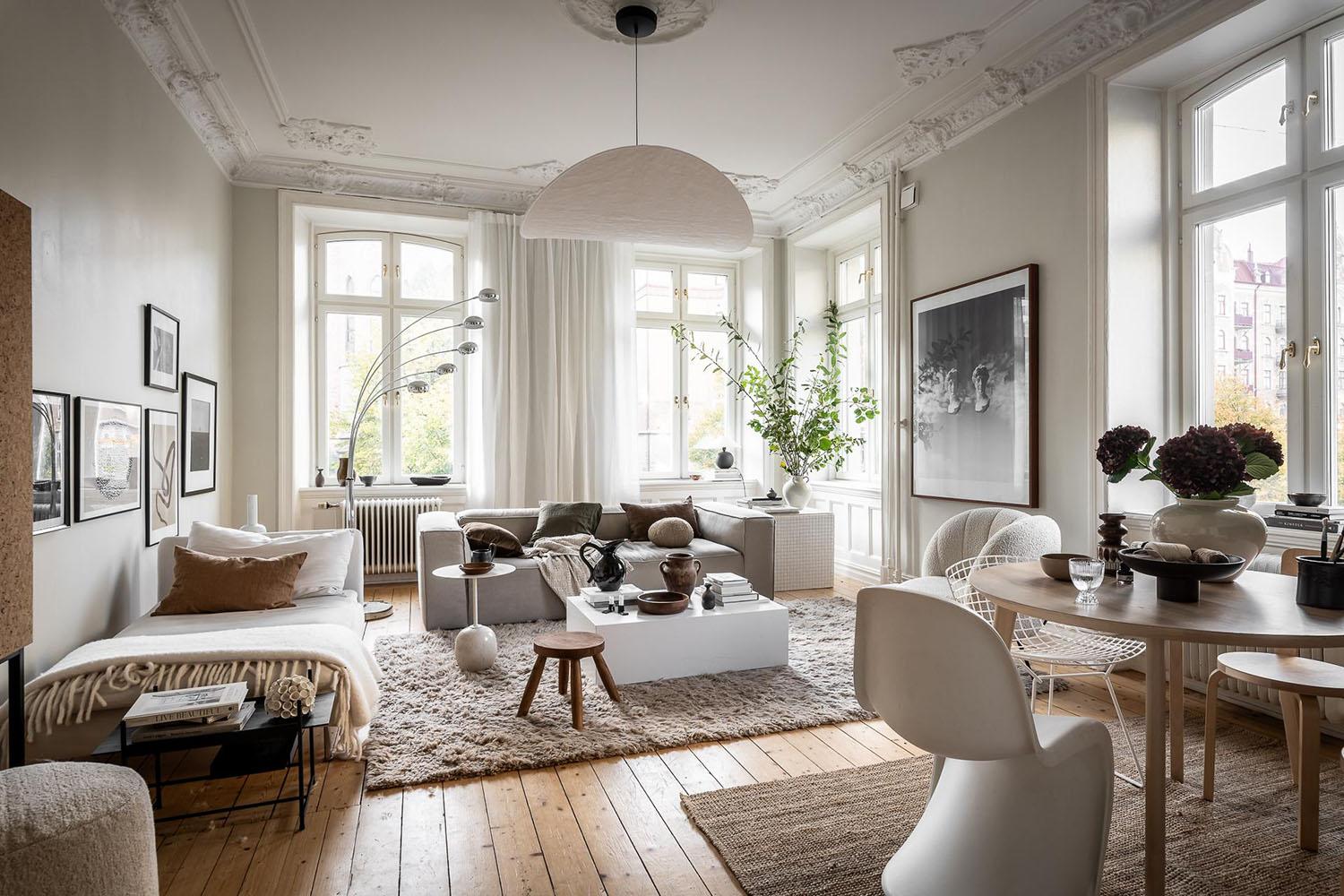
Key Characteristics That Set Scandi and Japandi Apart
Both Scandi and japandi design styles prioritize simplicity and functionality, yet they embody different philosophies and materials that set them apart. Scandi, rooted in Scandinavian principles, emphasizes light, airy spaces with a focus on natural elements. Think of pale woods,soft textiles,and a color palette that leans towards whites,grays,and subtle pastels. The designs are frequently enough minimalist, with a cozy feel, encouraging a snug, inviting atmosphere. Features like handmade furniture and an abundance of light play a crucial role in creating a warm environment that promotes well-being.
Conversely, Japandi is a harmonious blend of japanese Zen aesthetics and Scandinavian functionality. This style marries the clean lines of modern design with the beauty of customary techniques. Darker woods, rich and muted tones, and bold textures are more pronounced than in its Scandi counterpart. The focus on minimalism remains, but with an added depth that embraces handcrafted materials and organic shapes. In Japandi, there’s a reverence for natural materials, which often leads to an earthy atmosphere that is both serene and sophisticated. Key characteristics include:
- Natural Materials: Use of wood, bamboo, and stone
- Neutral Color Palette: Earthy tones balanced with soft hues
- Functional Furniture: Each piece serves a purpose while being aesthetically pleasing
- Emphasis on Craftsmanship: Highlighting traditional techniques
Embracing Minimalism: How Each Style Approaches Space and Functionality
When exploring the essence of scandi and Japandi styles, it’s evident that both embrace the beauty of simplicity while ensuring a functional living environment. Scandi design often prioritizes lighter colors and naturalistic elements, ingeniously maximizing the feeling of space. The open floor plans, minimal furnishings, and a connection to nature through large windows create a serene atmosphere. In contrast, Japandi seamlessly marries minimalism with craftsmanship, focusing on tactile materials and earthy tones. This style tends to emphasize the importance of personal space while integrating functional furniture, often featuring multipurpose designs that cater to a minimal lifestyle.
Both styles celebrate simplicity, yet they approach texture, detail, and functionality differently. Scandi tends to favor radiant, airy spaces paired with minimalistic decor that often includes cozy textiles. Japandi, on the other hand, leans into the warmth of natural wood tones and the subtle elegance of handcrafted items, creating a meditative environment.consider the following elements when deciding which approach resonates more with you:
- Color Palette: Light neutrals for Scandi; warm earth tones for Japandi
- texture: Cozy fabrics in Scandi; smooth and natural materials in Japandi
- Furniture: Functional yet simple pieces in Scandi; elegant, multi-use designs in Japandi
Color Palettes and Textures: Creating Ambiance in Your Home
When it comes to establishing a serene environment in your living space, color palettes and textures play a pivotal role. the Scandinavian aesthetic often embraces a palette dominated by muted tones and natural hues, such as soft whites, cool grays, and gentle pastels.These colors evoke a sense of calm and allow light to bounce around the room, enhancing the spacious feel attributed to Scandi design. Textures like light wood,linen,and ceramics contribute to the organic feel,while minimalistic furniture aligns perfectly with the philosophy of functional beauty.In contrast, the Japandi style blends these muted shades with deeper, richer colors such as charcoal, navy, and earthy browns, creating a warmer, more grounding effect. The key textures here include bamboo, natural fibers, and handcrafted accents, which add an element of imperfection and authenticity.
Consider incorporating both aesthetics thoughtfully through your decorations and furnishings. You might try pairing light oak furniture with darker accent pieces,or blend minimalist pottery with woven textiles for an appealing contrast. Below is a simple table highlighting the distinguishing elements to aid your decision:
| Element | Scandi | Japandi |
|---|---|---|
| Color Palette | Soft whites, grays, pastels | Rich earth tones, deep hues |
| Materials | Light wood, linen, ceramics | Bamboo, natural fibers, handcrafted items |
| Furniture style | Minimalist, functional | Simple, elegant, with cultural influences |
| Aesthetic Vibe | Bright, airy, fresh | Warm, grounded, serene |

Personalizing Your Retreat: Tips for Choosing the right Style for Your Lifestyle
When selecting the ideal aesthetics for your retreat, consider how each style resonates with your daily life. scandi design, with its emphasis on minimalism and functionality, often embodies a lighter, more airy feel. This approach can invigorate your space, encouraging productivity and creativity. Key features to look for when adopting this style include:
- Natural Elements: Incorporate wood, wool, and linen to add warmth.
- Neutral Palettes: Stick to whites, grays, and soft pastels for a serene vibe.
- Decluttered Spaces: Focus on simplicity and organization to enhance mental clarity.
On the other hand, Japandi fuses Japanese minimalism with Scandinavian functionality, creating a harmonious blend of warmth and serenity. This style leans into deeper hues and textures, offering comfort that can be perfect for relaxation. Consider the following characteristics as you determine if this aesthetic speaks to you:
- Earthy Tones: Rich browns, blacks, and muted colors create a cozy atmosphere.
- Craftsmanship: Emphasize handmade items to introduce uniqueness and character.
- A Zen Approach: Prioritize balance and tranquility through thoughtful space planning.
Final Thoughts
As we draw our exploration of Scandi and Japandi styles to a close, it becomes clear that both aesthetics offer a unique pathway to tranquility and simplicity in our living spaces. Whether you are drawn to the airy minimalism of Scandinavian design or the serene elegance of Japanese-inspired interiors, the choice ultimately hinges on your personal taste and lifestyle. perhaps you find comfort in the light, playful colors and functional elements of Scandi, or maybe the muted tones and zen-like harmony of Japandi resonate more deeply with your spirit.
Whichever style you lean towards, remember that the heart of both philosophies is a commitment to creating environments that inspire calm and reflection. As you curate your home, consider blending elements from both worlds to craft a space that is uniquely yours-a harmonious sanctuary that speaks to your sensibilities and nurtures your well-being. After all, in the quest for tranquility, the most vital aspect is that your home feels like a true reflection of you. Happy decorating!