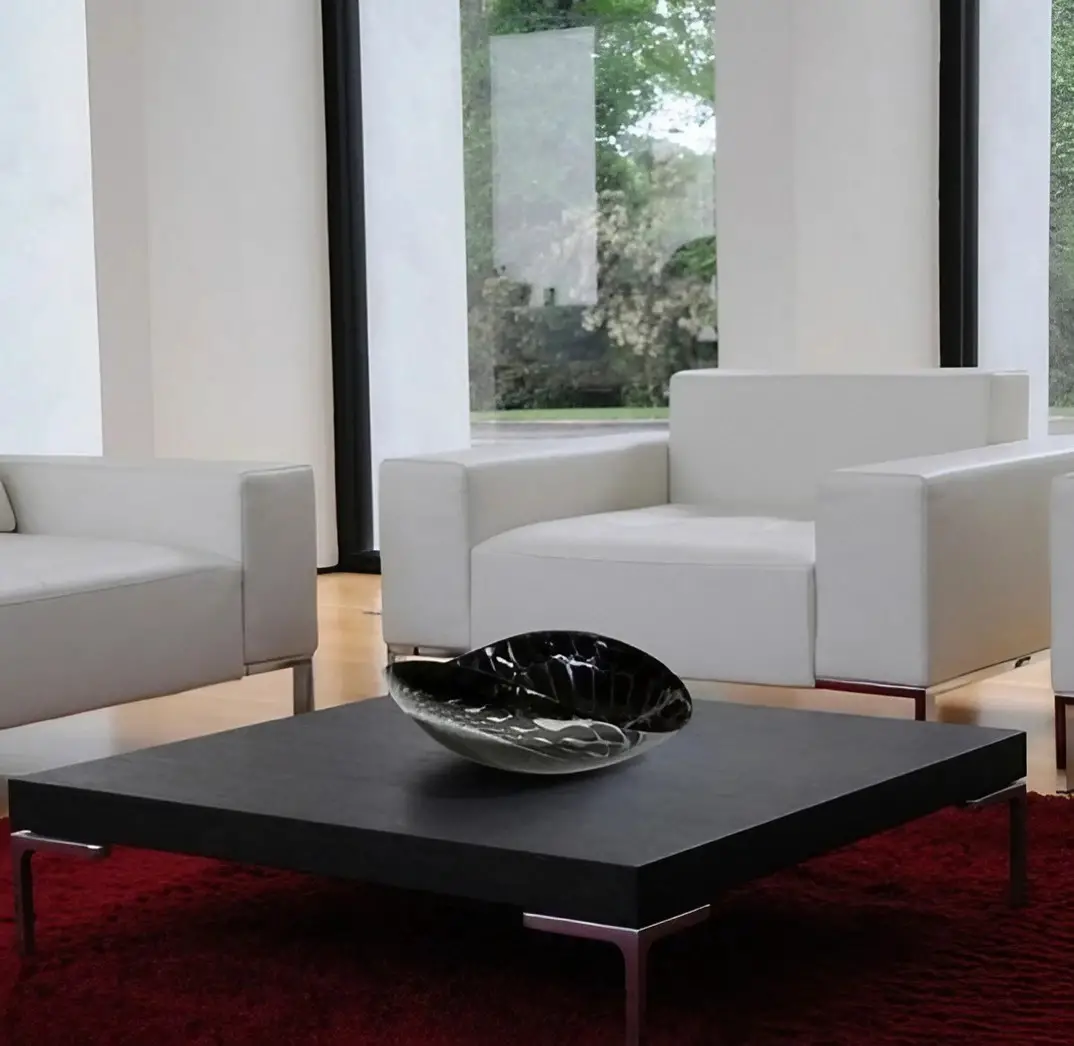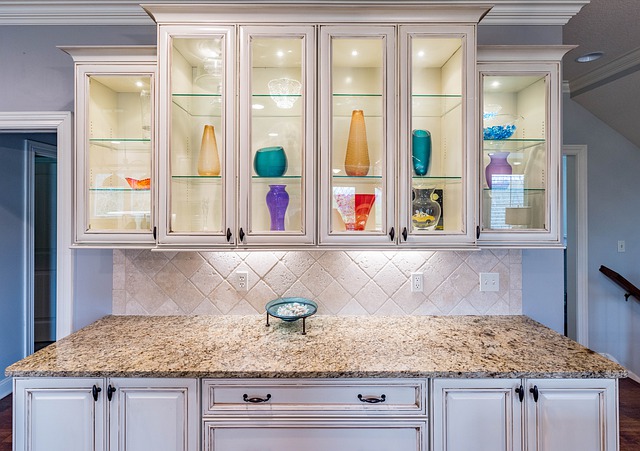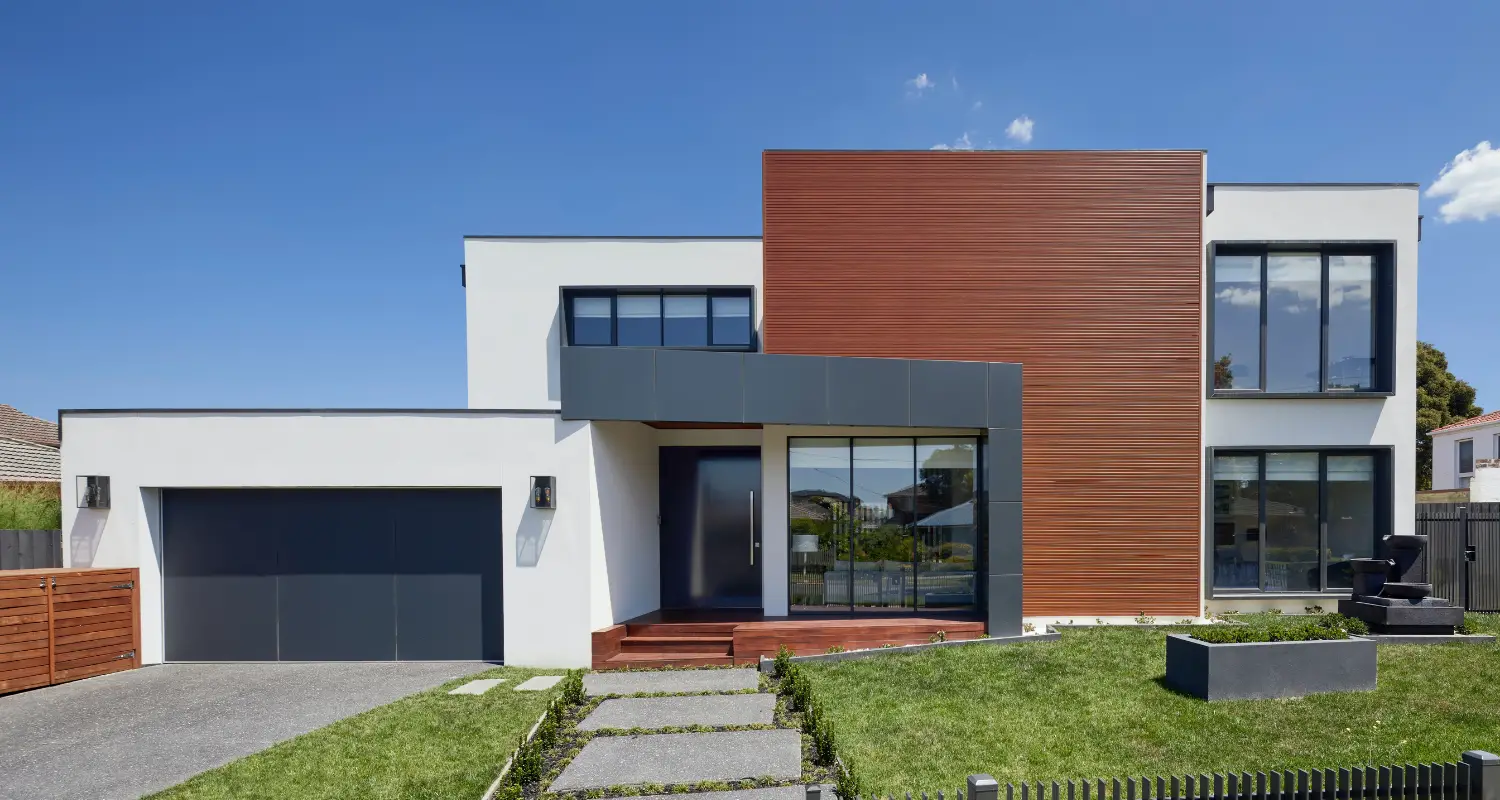

In the realm of interior design, texture plays an unsung yet pivotal role in creating inviting spaces that tell a story. Gone are the days when a room’s appeal relied solely on color schemes and furniture arrangement; today, it’s the delightful interplay of surfaces that transforms an ordinary interior into an extraordinary haven.Whether it’s the soft embrace of velvet against the rugged charm of reclaimed wood, or the smooth gloss of ceramic juxtaposed with the organic feel of woven textiles, mixing and matching textures offers a dynamic approach to design. In this exploration of texture play, we’ll delve into the art of layering materials, the sensory experiences thay evoke, and how intentional combinations can foster an atmosphere of warmth and welcome. Join us as we uncover the secrets to crafting inviting interiors that inspire both comfort and creativity.
Exploring the Sensory Canvas of Textures
Creating a dynamic ambiance in your space often begins with the interplay of various textures. By combining different materials, you can captivate the senses and add depth to your interiors. Consider layering smooth velvets with rugged jutes or pairing polished wood with soft, organic textiles. This tactile diversity invites touch and engagement, turning each corner of your room into a sensory experience. To further amplify this effect, think about incorporating elements such as:
- Geometric patterns: Add a modern flair with textured rugs and cushions.
- Natural elements: Use stone or clay accessories for an earthy touch.
- Metal accents: Introduce sheen through brass or copper fixtures.
When it comes to layering textures, balance is key. Experiment with various heights and scales to create visual interest without overwhelming the space. A simple table adorned with a soft linen runner, topped with a terracotta vase and surrounded by woven baskets, can exemplify this harmonious blend. below is a guide to help you mix textures effectively:
| Texture Type | Suggested Combinations | effect |
|---|---|---|
| Soft Fabrics | Velvet + Linen | Comfort and warmth |
| Natural Materials | Wood + Stone | Grounded elegance |
| Glossy Finishes | Glass + Metal | Urban chic |
Layering Fabrics for Depth and Comfort
Creating a layered look in your interiors not only enhances visual interest but also adds a sense of warmth and invitation. Consider combining different textures like velvet, linen, and cotton, which can bring depth to your space. Each fabric contributes its unique character: plush velvet can create a cozy atmosphere, while airy linen allows for a more relaxed vibe. When layering, opt for complementary hues that harmonize yet allow each texture to stand out. A good rule of thumb is to mix smooth and textured finishes to maintain balance and prevent any one fabric from overwhelming the others.
To achieve a cohesive design, incorporate a variety of textiles in key areas, such as sofas, cushions, curtains, and throws. Here are a few tips to consider:
- Use layered throws: Drape heavier blankets over lightweight ones for visual contrast.
- Combine patterns mindfully: A geometric print can pair well with a floral motif if they share a color palette.
- Integrate natural elements: Fabrics like jute or wool can ground your aesthetic and add organic texture.
By thoughtfully selecting and combining fabrics,you can create an inviting interior space that invites touch and exploration—where every layer tells a story.
Natural Elements: Elevating Spaces with Organic Touches
Incorporating natural elements into interior design can transform a space into an oasis of tranquility and warmth. textures such as wood, stone, and plant life bring a sense of calm and connection to nature. As a notable example, reclaimed wood furniture adds character and sustainability, while smooth river stones can evoke the soothing ambiance of a spa. Additionally,greenery not only livens up the atmosphere but also improves air quality—making plants a savvy choice for stylish decor. Consider these options:
- Wood Accents: beams, furniture, or wall panels made from reclaimed wood
- Natural Fabrics: Linen or cotton curtains and upholstery for an organic feel
- Indoor Plants: Create a lush aesthetic while promoting wellness
To harmonize different elements, the balance of textures is essential. Mixing materials like smooth ceramics with rugged wood can create visual interest while still maintaining an inviting feel. Another clever approach is to layer various fabrics—think velvet cushions on a linen sofa or a woven throw draped over a leather chair.This not only adds depth but also encourages a tactile experience. Here’s a quick comparison of different textures and thier effects:
| Texture | Effect |
|---|---|
| Wood | Warmth and rustic charm |
| Stone | Cool and grounded essence |
| Fabric | Comfort and variety of patterns |

Color Harmonies: Balancing Textures for Cohesive Design
Creating a harmonious design involves balancing colors and textures in a way that feels inviting yet interesting. Experimenting with different textures allows you to build depth, while complementary colors can enhance the visual appeal of each element.Consider pairing elements like soft, plush fabrics with smooth, shiny surfaces like glass or metal. Not only does this combination create a tactile experience, but it also establishes a striking visual contrast that is both pleasing and cohesive. The goal is to ensure that each piece speaks to the others, generating a sense of unity across the space.
When working with a variety of textures, it’s helpful to create a visual palette. This can serve as a guideline to ensure that your textures and colors resonate well with one another. Here’s a simple table that illustrates how to choose a mix of textures and colors:
| Texture | Color Pairing | Effect |
|---|---|---|
| Wool | Warm Beige | Cozy & Inviting |
| Leather | Deep emerald | Rich & Elegant |
| Jute | soft Blue | Calm & Natural |
| Ceramic | Bright White | Fresh & Modern |
Utilizing this approach, you can mix various materials while maintaining a cohesive aesthetic that evokes a welcoming atmosphere.Remember, the artistry lies not only in the selection of colors and textures but also in their thoughtful arrangement, creating a narrative that brings your space to life.
Q&A
Q&A: Texture Play – Mix and Match for Inviting Interiors
Q1: What is texture play, and why is it critically important in interior design?
A: Texture play refers to the creative mixing and matching of various materials and surfaces in a space to enhance its visual and tactile appeal. It’s important in interior design because it adds depth, warmth, and interest, transforming a flat, lifeless room into an inviting environment that encourages interaction and comfort.
Q2: How can I start incorporating texture into my home decor?
A: Start by assessing your current space. Look for opportunities to layer textures through fabrics, finishes, and materials. Begin with larger pieces like sofas or rugs and then add smaller elements like cushions, throws, or decorative objects.Mixing materials—like soft textiles with hard surfaces—can create a rich visual contrast that enhances the overall aesthetic.
Q3: Are there certain textures that work better together?
A: Yes! Consider combining natural textures like wood, stone, and plants with softer materials such as fabric or leather. As a notable example, pairing a chunky knit throw with a sleek leather sofa can create a beautiful balance. Additionally, you can experiment with metallic accents to add a touch of shine and sophistication to the mix.Q4: what are some common mistakes to avoid when mixing textures?
A: One common mistake is overdoing it with too many textures, which can lead to a chaotic look. Aim for a harmonious balance where textures complement rather than clash. Another pitfall is neglecting color—ensuring that your textures are cohesive in color scheme is key to tying the space together.
Q5: How can I achieve a cozy feel with texture in my interiors?
A: To achieve a cozy atmosphere,focus on using warm colors and textiles that invite touch,such as plush rugs,soft blankets,and inviting cushions. Layering these elements on top of furniture will create a multi-dimensional space that feels warm and welcoming. Consider adding natural materials like wood and wicker to enhance the organic feel of the room.
Q6: Can I mix textures if I have a specific design style, like minimalist or bohemian?
A: Absolutely! Every design style can benefit from texture play. In minimalist spaces, focus on a few high-quality, tactile pieces to maintain simplicity while enhancing depth. In bohemian designs, eclectic mixes of patterns and textures are ideal—think layered textiles and an array of materials that tell a story.
Q7: Where can I find inspiration for mixing textures in my home?
A: Inspiration can come from various sources! Explore design magazines, Pinterest boards, Instagram accounts dedicated to interior design, or even nature itself.Visiting showrooms or design exhibitions can spark ideas, as can observing how textures are used in architecture and public spaces.
Q8: Are there any DIY projects that can definitely help incorporate texture?
A: Yes! DIY projects like making your own woven wall hangings, painting textured wall patterns, or repurposing vintage furniture can be excellent ways to introduce unique textures. Creating throw pillows with different fabrics or upcycling materials to create art pieces for your walls are also creative avenues to explore.Q9: How frequently enough should I change my textures to keep my space feeling fresh?
A: There’s no strict rule, but introducing new textures seasonally can keep your space feeling fresh and inviting. Small changes, like swapping out throw pillows, adding a new rug, or bringing in seasonal decor, can refresh your interiors without the need for a complete overhaul.
Q10: What lasting impact does texture play have on the atmosphere of a home?
A: Texture play substantially influences the atmosphere by engaging the senses and evoking emotions. A thoughtfully textured space can promote relaxation, creativity, or social interaction, depending on how you curate it. Ultimately, inviting interiors enhance the overall experience of being at home, making it a true sanctuary.
The Way Forward
As we bid farewell to the world of texture play, remember that the essence of inviting interiors lies not only in the colors and shapes but also in the rich tapestry of textures that tells your unique story. By embracing the interplay of fabrics,finishes,and materials,you can breathe life into your spaces,transforming them into a harmonious sanctuary that reflects your personal style.
So, whether you’re layering plush cushions on a sleek leather sofa or combining rough-hewn wood with soft, flowing textiles, let your imagination guide you. Each choice you make contributes to a sensorial experience that welcomes both you and your guests, inviting touch, warmth, and comfort into your home. As you embark on your design journey, remember that the art of mixing and matching textures is limitless—your only constraint is the horizon of your creativity. With every element you introduce, you not only design a space but also curate an experience, making every moment in your home feel extraordinary. Happy decorating!