
A single wick can rewrite a room. Candlesticks-tall and slender,squat and sculptural,brass-bright or matte-black-work quietly at the intersection of light,shadow and form. thay translate a simple flame into mood, scale and texture, turning tabletops, mantels and entryways into composed scenes that feel both intentional and lived-in. Styling with candlesticks is less about ritual and more about choreography: choosing shapes that speak to each other, mixing heights to create rhythm, and pairing finishes so the light they throw becomes part of the design.
This article explores that quite alchemy. We’ll look at how different candlestick silhouettes change a vignette, how materials and colors shift the tone, and how grouping, spacing and complementary objects elevate an arrangement from decorative to memorable. Along the way, practical considerations-candle types, proportions, and safety-will ground the ideas so they’re as useful as they are stunning. Whether you’re aiming for minimal serenity,vintage charm,or a modern sculptural statement,understanding the subtle language of candlesticks unlocks a surprisingly powerful tool for shaping atmosphere.
Choosing candlestick shapes and heights to suit room scale and function
Think of candlesticks as miniature architecture that sets the mood and measures the space: a pair of low, squat forms reads intimate and grounded, while tall, slender silhouettes breathe drama and verticality. To tune each piece to its setting, consider these simple moves inside your composition –
- Low & wide for coffee and dining tables to keep sightlines open;
- Medium & varied for sideboards and consoles to add rhythm without overpowering art;
- Tall & slim for mantels and entry halls where height complements ceiling scale.
Function guides form as much as style: in busy areas choose sturdy,short shapes for safety and practicality; in formal rooms allow taller,more delicate pieces to command attention. Use the simple height rule of thirds-mix a short, a medium and a tall for a harmonized cluster-and favor odd numbers for groups; the result feels natural, balanced and intentionally styled without fuss. Scale,stability and sightline are your three compass points: match them to furniture height,room ceiling,and how people move through the space.
Materials and finishes that transform light, from brass and ceramic to glass and patina
Candlesticks become storytellers when their surfaces meet flame: brass throws a warm, honeyed halo; ceramic offers a soft, even glow; glass fractures light into scintillating points; and a worn patina soaks up highlights to reveal age and mystery. Pairing finishes is where the alchemy happens - a polished element sings beside a matte piece, while textured glazes and hammered metal create shifting shadows that change with every flicker.
- Brass – warm, reflective radiance
- Ceramic – gentle, diffuse light
- Glass – sparkle, refraction, clarity
- Patina – depth, subdued highlights
Think of finishes as your lighting palette: polished surfaces amplify brightness, satin and matte finishes soften it, and smoked or frosted glass tames glare into a cozy atmosphere. Small decisions – a hammered cup, a glazed stem, a brushed finish – steer mood more than scale, so mix textures to balance sheen and shadow.
| Finish | Effect | Ideal Spot |
|---|---|---|
| Polished brass | Bright, warm reflections | Dining table |
| Matte ceramic | Soft, even glow | Bedside |
| Frosted glass | Subtle, diffused light | Bathroom shelf |
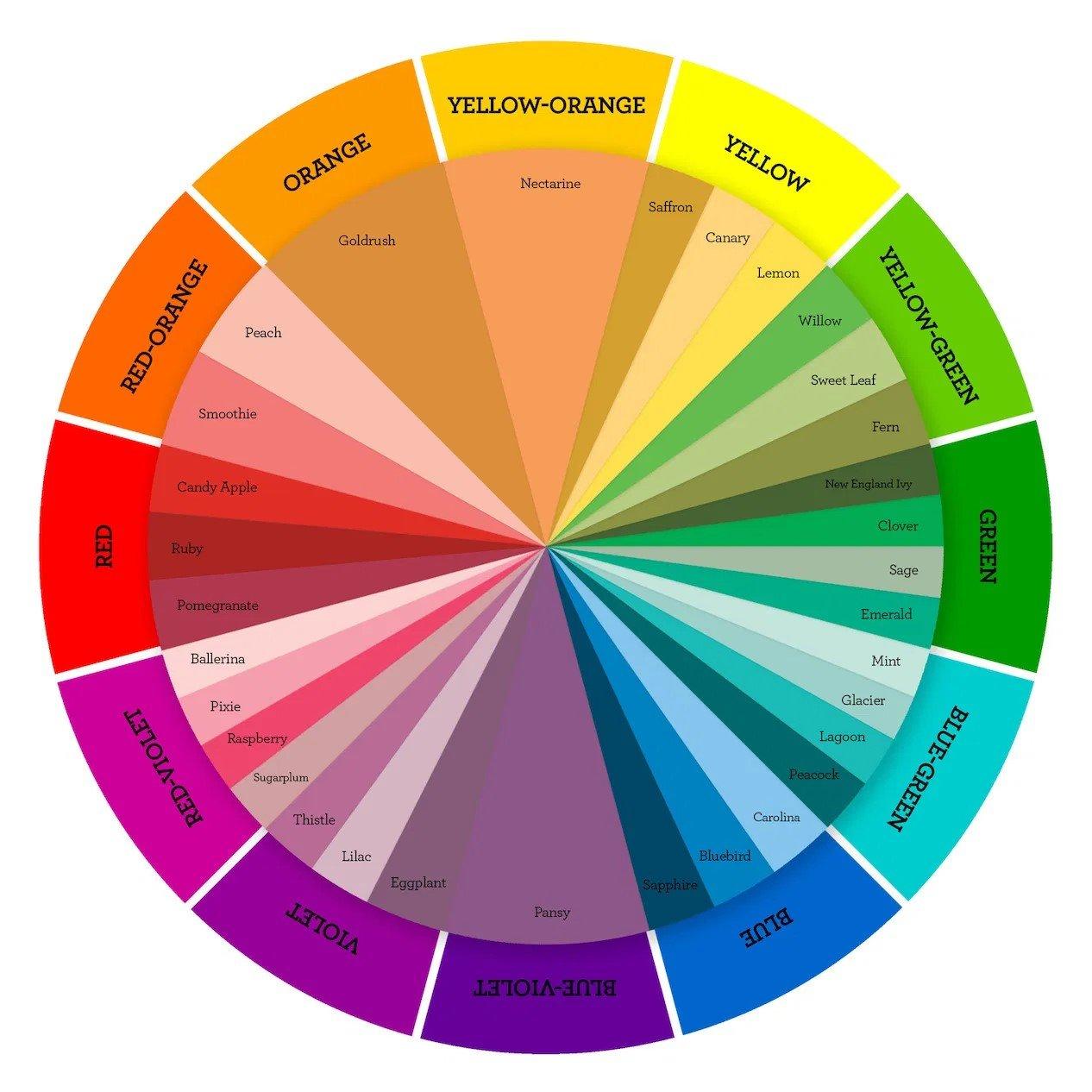
Color palettes, candle types and scent pairing to set mood and season
Choose a color story like you would choose an outfit: it sets the scene before the flame even flickers. Soft,muted palettes-think dove gray,cream,and blush-are best paired with slender tapers and matte-finished holders to create an understated,modern look; richer tones such as amber,oxblood,and deep forest come alive in chunky pillars or sculptural candlesticks that anchor a table. Play with finishes: a metallic holder makes pale wax read luxe, while raw ceramic makes jewel tones feel earthy. Try these swift pairings to sharpen your eye:
- Soft Neutrals: slender tapers, matte brass or ceramic
- Sunset Amber: pillar candles, warm metallics
- Winter jewel: short squat candles, textured glass
- verdant spring: votives and bud vases, natural wood
| Season | Palette | Candlestick Type |
|---|---|---|
| Spring | Green & Blush | Votives on wood |
| Summer | Bright Citrus | Slender tapers |
| Autumn | Amber & Rust | Pillars on trays |
| Winter | Deep Jewel | Textured glass |
Scent is the secret partner of color and form: pair fragrances to color temperature and the candlestick’s personality to steer mood. Light citrus,green tea or marine notes lift bright palettes for energizing mornings; lavender,rose,or clean linen support soft neutrals for restorative calm. For evening warmth, choose amber, tobacco or clove to complement deep hues and heavy holders-these blends read cozy and intimate. practical pairings to try:
- Citrus + Brights: lemon or bergamot with slender tapers for clarity
- Herbal + Greens: basil, rosemary or green tea with votives for freshness
- Spice + Warm Tones: clove, cinnamon or amber with pillars for depth
- Floral + Soft Neutrals: lavender, rose with muted tapers for calm
also note how wax type changes perception: soy gives a clean, steady glow; beeswax adds a warm honeyed sheen; blends hold complex scent layers best-so match wax, wick and candlestick to finalize the seasonal story you want to tell.
Arranging clusters, single statements and mantel displays for visual balance and impact
Think of candlesticks as conversationalists: clusters whisper, singles declare, and mantel displays curate the room’s mood. Arrange groups with an odd-numbered rhythm, vary heights and materials, and leave breathing room so each piece reads as part of a chorus rather than a crowd. Quick guidelines to create harmony:
- Anchor: place the tallest candlestick at the back or center to ground the group.
- Contrast: mix matte and shiny finishes for depth and interest.
- Negative space: let gaps breathe – a compact trio often reads better than a crowded cluster.
Little shifts – an inch forward, a candle swapped from brass to ceramic – can change the tempo of a display from formal to relaxed.
A single statement candlestick can define an entire vignette; choose one with character and let surrounding objects play supporting roles. on mantels, balance a heroic candlestick with low-profile elements on the opposite side or mirror it with a pair of small accents to create tension and relief. Simple combinations to try:
| Focal | Accent | Feel |
|---|---|---|
| Tall brass stick | Stacked books | Classic |
| Chunky ceramic | Single fern leaf | modern organic |
| Smokey glass taper | Low stone bowl | Minimal moody |
Use scale, repetition, and a restrained palette to ensure each setup reads as intentional - the right candlestick will not only light a room but choreograph how the eye moves through it.
Safe lighting, cleaning and long term care to preserve beauty and performance
Candles cast a spell only when tended with respect: place holders on stable surfaces away from flammable fabrics, trim wicks to 5-7 mm before each lighting and avoid breezy drafts that encourage uneven burning. Small rituals protect both charm and safety-use a proper snuffer rather than blowing, set a timer for long burns, and keep a clear radius around lit candles.
- Always extinguish before leaving the room;
- Use drip trays or saucers to catch wax;
- Keep matches and lighters out of reach of children;
- Limit continuous burn time to 3-4 hours.
preserving the finish and function of candlesticks is a blend of gentle cleaning and seasonal care: remove cooled wax with slow heat (hairdryer over a towel) or by softening with warm water, polish metal with a microfiber and mild cleaner, and store pieces wrapped in acid-free tissue to prevent scratches and tarnish. For long-term performance, follow a simple maintenance rhythm and avoid abrasive tools or ammonia-based products on gilded surfaces.
- Wipe weekly to remove dust;
- Deep clean monthly if in frequent use;
- Inspect annually for loose fittings or corrosion.
| Interval | Quick Action |
|---|---|
| Daily | Dust & trim wick |
| Monthly | polish metal & remove wax residue |
| Yearly | Full inspection & reseal finishes |
Insights and Conclusions
Whether clustered on a mantel or standing solitary on a bedside table, candlesticks translate shape into atmosphere. They move effortlessly between eras and aesthetics, altering scale, rhythm, and mood without the need for major changes. With thoughtful placement, careful proportion, and simple pairings of materials and colors, a single candlestick can act as punctuation or centerpiece. Keep practicalities in mind-stable holders, appropriate candles and never leaving flames unattended-so the effect is both beautiful and safe. Let the quiet alchemy of wax and wick become a styling tool: experiment with restraint,repetition and contrast,and watch how small lights can subtly remake a room.