
The Psychology Behind Why You Hate That Room
We all have that one room-the spare bedroom, the study nook, or perhaps the dining area-that we avoid like the plague. Tucked away in the corners of our homes, these spaces can evoke feelings of discomfort or even outright disdain. But what lies beneath this aversion? Is it the dim lighting, the clutter, or perhaps a deeper connection tied to unforgettable memories? In this exploration, we delve into the intricate web of psychology that shapes our perceptions of these seemingly innocuous spaces. By examining the interplay between personal experiences, environmental influences, and emotional responses, we aim to uncover why certain rooms can inspire such strong feelings of dislike, prompting you to steer clear, even when the rest of the house feels inviting.Join us as we navigate through the uncharted territories of our minds and homes, shedding light on the hidden dynamics that turn a simple room into a site of unease.
Understanding Emotional Triggers in Unwelcoming Spaces
Every space has its unique energy, often capable of eliciting strong emotional responses. Understanding how certain environments become unwelcoming can help demystify why a particular room or setting triggers discomfort or negativity. These reactions can stem from past experiences, cultural associations, or simply a lack of personal connection to the space. For example, a room filled with dark colors and clutter may remind someone of an unsettling childhood experience, while open, bright spaces can evoke feelings of safety and happiness. Recognizing these associations allows individuals to gain insight into their emotional landscape, guiding them towards environments that promote well-being.
Several factors contribute to emotional triggers within a room. Consider the following:
- Color: Different hues can impact mood-warm colors may energize, while cool tones often calm.
- Layout: The arrangement of furniture can influence how inviting or constricting a space feels.
- Lighting: Natural light tends to create feelings of openness, whereas harsh overhead lighting can lead to discomfort.
- Personal Associations: Memories tied to specific locations can evoke varying emotional responses.
To better illustrate how spaces can affect our feelings, the table below outlines common emotional triggers associated with different characteristics:
| Characteristics | Emotional Response |
|---|---|
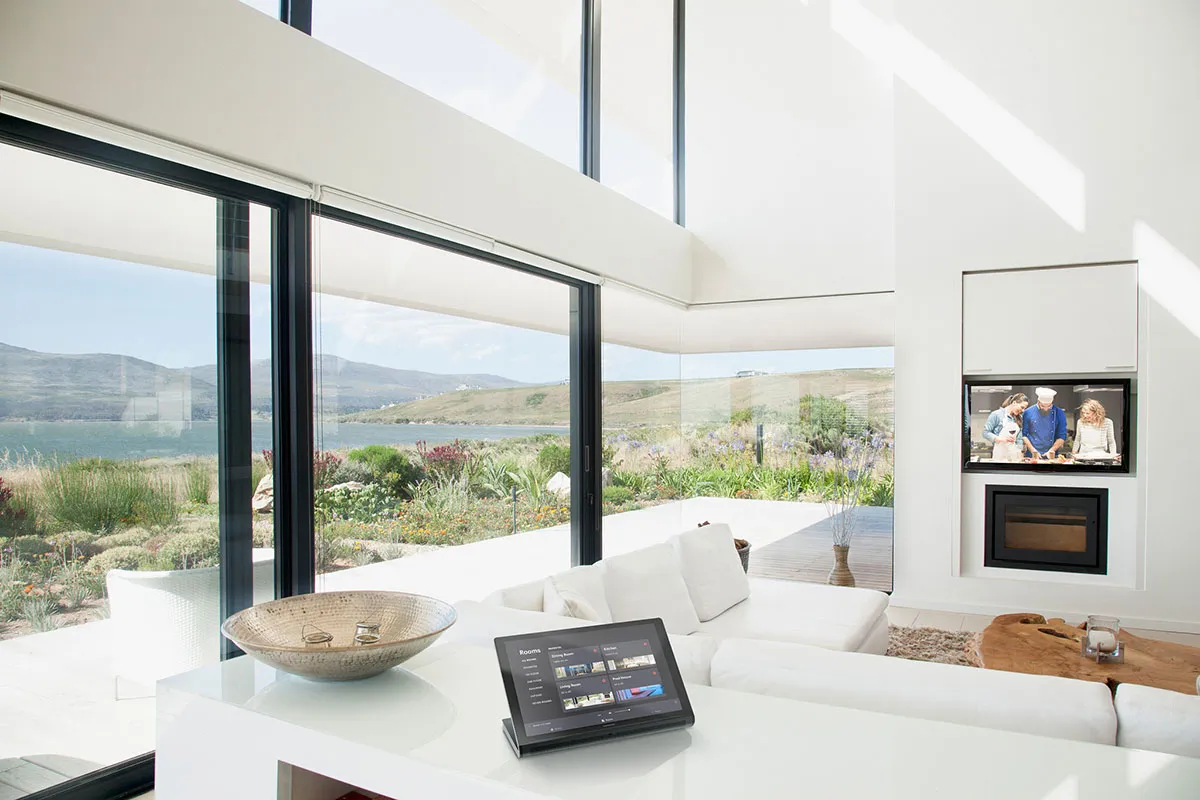
| Bright, airy rooms | Joy, Freedom, Relaxation |
| Cluttered, dimly lit spaces | Anxiety, Stress, Overwhelm |
| Nature-influenced decor | Calm, Grounded, Peaceful |
| Familiar, personal touches | Comfort, Nostalgia, Belonging |

The Influence of Color and Light on Room Perception
Our perception of a room is deeply influenced by the colors and lighting used in the space. Different hues evoke a range of emotions and can change how we experience a room’s atmosphere. For instance, warm tones like reds and oranges can create a feeling of energy and excitement, while cool colors such as blues and greens tend to promote calm and tranquility. Lighting plays a pivotal role too; a room bathed in natural light feels more open and inviting, whereas dark, poorly lit areas may evoke feelings of confinement or discomfort.
Moreover, the combination of color and light can transform our interpretation of space. Illuminating vibrant colors can make them feel more energetic, while soft lighting can soften even the boldest tones. Consider these key influences when assessing your feelings towards a room:
- Color Psychology: Specific colors can trigger emotional responses.
- Light Quality: Natural light enhances mood, while artificial light can create shadows.
- Room Size: Dark colors can make a room feel smaller,while light colors can enlarge it visually.
Understanding the nuances of color and light can illuminate the underlying reasons for your sentiments about a space, potentially shifting it from one of aversion to recognition.

Personal Associations: Memories Shaping Your Space Feelings
Each room in our homes carries with it a unique tapestry of memories and emotions,profoundly influencing what we feel when we step through the door. A once cherished corner might now feel stifling, an echo of unhealed conflicts or negative experiences. The presence of certain colors,textures,or even the arrangement of furniture can stir up buried emotions,forcing us to confront past events associated with that space.For example, a brightly painted wall might remind you of a childhood moment filled with joy, while a cluttered area could evoke feelings of anxiety rooted in a messy breakup.
Moreover, our subconscious minds are powerful architects, shaping our perceptions of space through personal associations. Familiar sounds, such as the creak of floorboards or the hum of appliances, can jog our memories and bring a flood of emotions linked to notable life events.Consider how a favorite scent, like fresh paint or baked cookies, can transport you back to a specific time or individual, influencing your current feelings about a space. Often, this complex web of memories shapes our environments, leading us to avoid certain rooms that hold emotional weight, ultimately impacting our day-to-day lives.

The Role of Space Design in Psychological Comfort
Spaces are far more than just physical locations; they are environments that wield psychological influence over our emotions and behaviors. The way a room is designed-its color palette, layout, and furniture choices-can significantly impact our mental state. A well-designed space can evoke feelings of calmness and inspiration, while a poorly designed one may lead to discomfort or even anxiety. Consider how natural light, as an example, can lift spirits and boost productivity, or how cluttered spaces can promote feelings of overwhelm and chaos. When spaces lack a sense of order, they can inadvertently create a mental barrier, hindering both relaxation and focus.
Moreover, the social elements of a room, such as the arrangement of furniture and the flow of movement, play a crucial role in fostering a sense of community or isolation. A space designed for inclusion-with cozy seating arrangements that encourage conversation-can definitely help individuals feel connected, while a room that directs attention away from its occupants can cultivate feelings of loneliness. Consider the following aspects that contribute to psychological comfort in design:
- Color Choices: Warm colors can create a welcoming atmosphere.
- Lighting: Adequate lighting can affect mood and energy levels.
- Furniture Arrangement: Open layouts can encourage interaction.
Transforming Negativity: Ways to Reimagine Your Disliked Room
every room tells a story,and sometimes that story can be unpleasant. Negative feelings about a space can stem from a variety of factors, including poor lighting, clutter, or even the memories associated with it. To reimagine the room you dislike, start by identifying its most bothersome aspects. For example, consider:
- Color scheme: Does the color evoke an unpleasant emotional response?
- Clutter: Is the room filled with items that weigh you down mentally?
- Functionality: Does the room serve a purpose that feels forced or uncomfortable?
After pinpointing the issues, think creatively about solutions. Change the color palette; perhaps a soft lavender or calming blue can alter your perception. Remove unnecessary items, or even reallocate their purpose. Consider incorporating new elements that inspire positivity, such as:
- Artwork: Hang pieces that make you smile.
- Plants: Introduce greenery for a fresh feel.
- Furniture layout: Rearrange to improve flow and functionality.
In the table below, explore a simple comparison of changes you can make to transform that room:
| Current Element | Transformative Change |
|---|---|
| Dark paint | Bright pastels |
| Old furniture | Functional, modern pieces |
| Cluttered space | Minimalist approach |
In Conclusion
As we close the door on this exploration of the psychology behind our aversions to certain rooms, it’s clear that our environments shape our emotions in profound ways. Weather it’s the cluttered corner of a forgotten attic or the stark sterility of a waiting room, our feelings are a complex tapestry woven from memories, associations, and deep-seated beliefs.
Understanding why a particular space evokes discomfort or animosity can empower us to rethink our relationships with our surroundings. Perhaps it’s time to reassess and reimagine the spaces that don’t serve us-transforming them from places of dread into havens of comfort and inspiration.
As you reflect on your own feelings toward the rooms you inhabit, consider this: What stories lie within the walls? What transformations might await if you were to change just one element of that space? Ultimately, the rooms we inhabit are more than mere physical structures; they are snapshots of our lives, filled with both the burdens and the light of our experiences. let this understanding guide you towards a more harmonious relationship with your environment,one room at a time.