
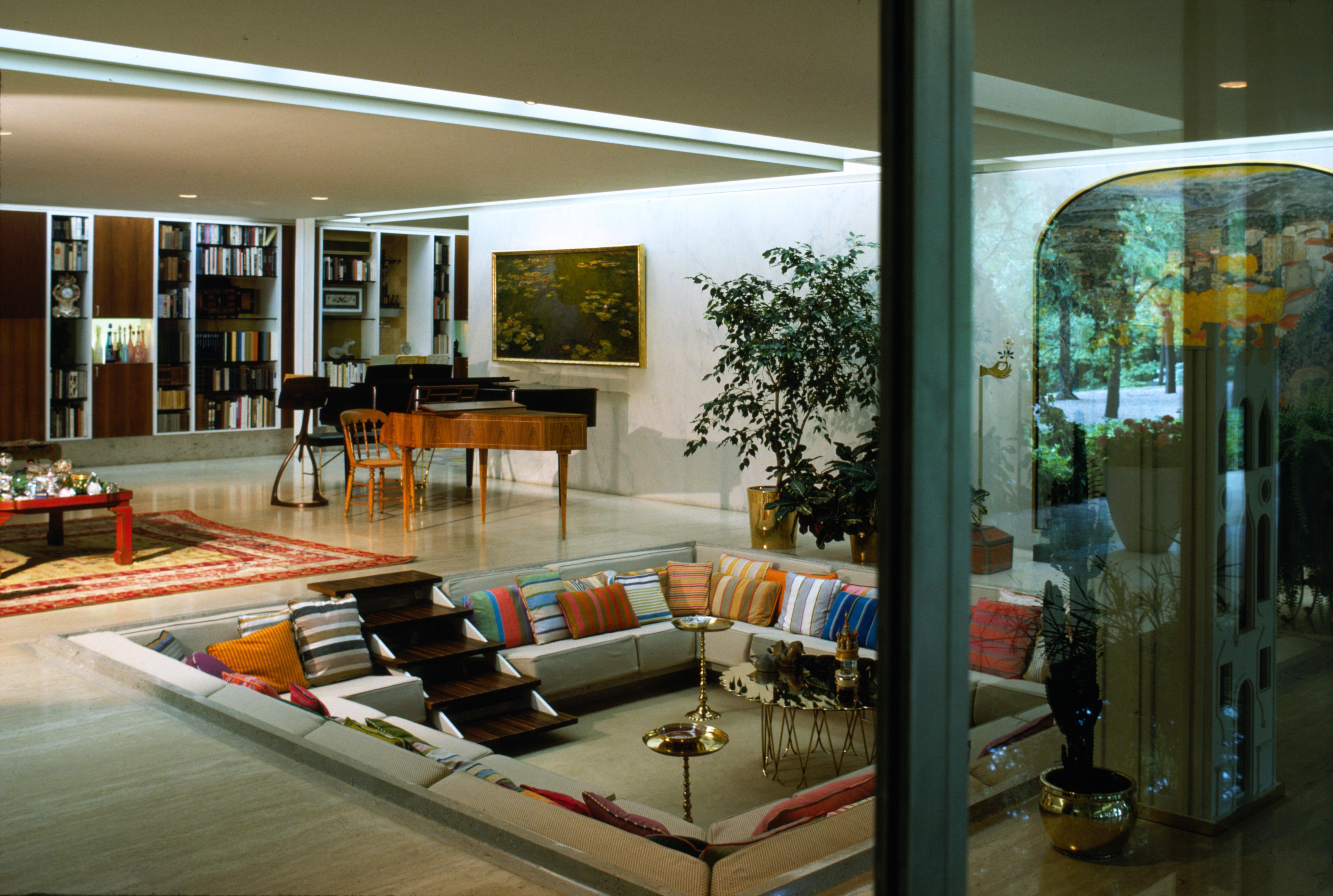
Like a small amphitheater carved out of a living room, the conversation pit onc gathered families, friends and ideas in a low-slung ring of sofas and cushions. Popular in mid‑century homes and faded with the rise of open plans and modular furniture, the sunken seating area is quietly reappearing in design showrooms, social media feeds and a handful of newly built homes. Why now? The answer is less a single trend than a convergence of social, aesthetic and practical impulses nudging the pit back into view.
Conversation pits promise intimacy without enclosure, a subtle choreography of proximity that favors face-to-face exchange over the scattered, screen-driven interactions of modern life.They also intersect with renewed interest in layered interiors, human-scaled architecture and creative responses to smaller urban footprints: a lowered platform can define a space without adding walls, create storage, or lend an adaptable focal point to an open plan. At the same time, nostalgia, the appetite for tactile and personalized rooms, and the cyclical nature of style are reviving interest in a form that once felt impossibly retro.
This article will explore the factors behind the conversation pit’s comeback-cultural shifts, practical benefits and the design challenges they raise-while weighing who stands to gain from sinking down into this old‑new way of gathering.
why conversation pits are resurfacing in modern homes and what designers recommend
There’s a quiet craving for spaces that slow us down, and recessed seating answers it with an almost theatrical hush. Designers and homeowners are rediscovering these sunk-in sanctuaries for their ability to turn a living room into a conversation stage-intimate sightlines, softened acoustics and a natural focal point that resists the scroll-and-scroll rythm of modern life. What’s pulling them back into plans:
- Human scale: encourages lingering and eye contact.
- Zoning without walls: defines a place for gathering in open plans.
- Texture playground: layered upholstery, rugs and built-in seating create depth.
- Flexible formality: from cocktail hour to movie nights, they adapt.
Practicality meets personality when designers specify a pit that lasts: think durable fabrics, easy-clean cushions, and clear circulation paths so the cozy corner doesn’t become a trip hazard. They frequently enough recommend keeping the pit shallow enough to feel accessible and adding stepped lighting or sconces to avoid shadowy gloom. Quick reference for typical designer guidance:
- Scale: maintain 12-18″ depth difference from surrounding floor for comfort.
- materials: stain-resistant textiles, hardwood casings, and hidden drainage for spills.
- Flexibility: modular cushions and integrated storage make the feature livable.
| Designer Tip | Why it works |
|---|---|
| Step lighting at riser | Safety and a warm,theatrical glow |
| Built-in side tables | Keeps surfaces visually tidy and functional |
| Removable cushion covers | Easy maintenance without sacrificing style |

Designing a modern conversation pit for comfort and traffic flow: layout tips and furniture choices
Think of the lowered seating as a stage for conversation and movement: arrange the pit so people can enter and exit without crossing the main gathering zone.Aim for a gentle circulation band of about 90-100 cm (3-3.5 ft) around the perimeter, staggered step heights of 12-16 cm for easy access, and a clear sightline to your focal element – whether that’s a fireplace, a low coffee table, or a sculptural planter. Small adjustments make a big difference, so consider these practical layout moves:
- Zoning: place seating in a crescent or U-shape to encourage eye contact.
- Entry points: leave at least two access paths to avoid cross-traffic.
- Step comfort: shallow treads and a broad landing reduce missteps.
- Scale: match pit depth to room size – too deep isolates,too shallow feels cramped.
Furniture choices should balance comfort with traffic-kind flexibility: choose pieces that invite lounging but can be reconfigured for flow and cleaning. Mix built-in benches with modular sofas and lightweight ottomans so you can tuck seating away or create an extra aisle when needed. Prioritize materials and features that hold up to everyday use – performance fabrics, removable cushion covers, and slip-resistant rug pads – and lean on these options for a modern, lived-in aesthetic:
- Modular units for quick reconfiguration.
- Low-profile sofas to maintain sightlines and openness.
- Ottomans & poufs that double as extra seating or side surfaces.
- built-in storage under benches to keep the floor clear and traffic flowing.
Lighting, acoustics and materials that make intimate seating feel fresh and easy to maintain
Think in layers – warm, dimmable overheads paired with low, focused pools of light around the seating make conversation feel private without plunging the room into gloom. Consider a combination of recessed dimming LEDs, a sculptural pendant over the pit, and subtle wall sconces to create depth; add LED toe-lights beneath bench edges to guide feet and soften edges. For sound, introduce soft surfaces that double as design moves: thick rugs, upholstered bench backs, and decorative acoustic panels absorb chatter and make voices intimate rather than boomy. practical touches to keep the area easy to live with include slipcovers, hidden storage for throws, and a cleaning-frist layout that leaves clear pathways for vacuuming.
Choose materials that read luxe but behave like everyday heroes: performance fabrics, sealed wood finishes, and matte metals resist fingerprints and spills while staying visually fresh. Below is a quick reference to help pick durable yet tactile combinations:
| Material | Feel | Care |
|---|---|---|
| Performance wool blend | Warm, matte | Spot-clean, low-pilling |
| Crypton upholstery | Soft, stain-proof | Wipeable, machine covers |
| Sealed oak veneer | Natural, resilient | Wipe with damp cloth |
Safety, accessibility and small space adaptations to make conversation pits work for every household
Think of a conversation pit as a cozy island-now imagine adding a safety harness of thoughtful details so everyone can land there comfortably. Start with clearly defined edges and subtle step lighting to prevent trips, and choose non-slip finishes for steps and platforms. For households with children, pets, or mobility aids, integrate low-profile railings or removable handrails and pick furniture with rounded corners and machine-washable covers. Visual contrast between platform edges and surrounding floor helps people with low vision; adjustable seat heights and modular cushions make transfers easier for those using walkers or wheelchairs without turning the pit into a fortress.
- Edge lighting: flush LED strips on steps for night visibility.
- Slip resistance: textured finishes or anti-slip tapes where feet land.
- Modular seating: removable benches that create transfer space.
- Soft barriers: low balustrades or cushions rather of hard walls.
- Contrasting trim: color contrast for depth perception.
Small homes can still enjoy the intimacy of a pit by shrinking intent, not comfort-think shallow recesses, demi-pits, or built-in banquettes that suggest a sunk-in circle without major excavation. Use multifunctional pieces: a slim, wraparound bench with hidden storage, a lift-top table that doubles as dining and work surface, or fold-away cushions that expand the floor when needed. Keep circulation clear by aligning the pit with existing sightlines and traffic paths, and choose low-profile lighting and slim armrests to preserve visual space. with a few clever swaps and a focus on flexibility, a conversation zone can feel inclusive and spacious even in compact footprints.
| Small-space option | Why it works | Best for |
|---|---|---|
| Low banquette | Minimal depth,full seating | Studio apartments |
| Half-sunken lounge | Creates intimacy without stairs | Open-plan living |
| Convertible ottoman ring | Storage + extra seats | Families with kids |
to sum up
Like any revival,the conversation pit’s return is less about architectural fashion than about a shifting set of needs: intimacy in an open-plan world,clarity in multiuse spaces,and a taste for designs that invite lingering.Whether set into a modern loft, reimagined as a modular nook, or kept as a nostalgic wink to mid‑century style, these lowered rings of seating act as small stages for everyday exchange-cradling voices without isolating them.
That doesn’t mean every home or public space should adopt one. The pit’s practicality depends on scale, accessibility, and how people want to live now. But as designers and dwellers alike seek settings that slow conversation rather than speed it up, the sunken seat is a useful reminder: sometimes the architecture that encourages us to sit down and talk is the architecture worth keeping.