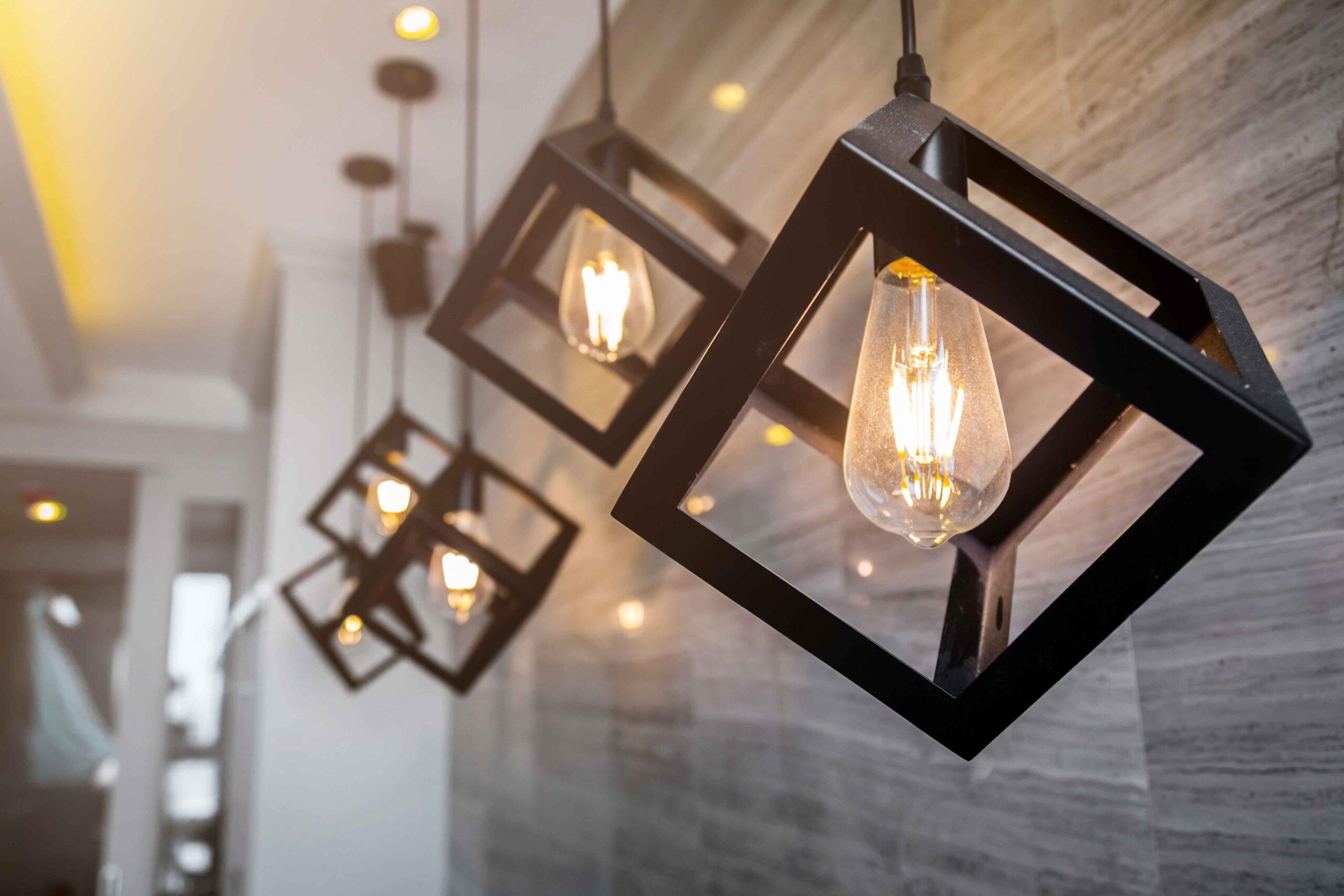

In the grand composition of interior design, where every element plays its part in shaping mood and functionality, lighting takes center stage, often outshining even the most exquisite pieces of furniture. While chairs,tables,and sofas define the layout and style of a space,it is the interplay of light that breathes life into those selections,transforming a mere arrangement into a harmonized sanctuary. Think of lighting as the paintbrush to a canvass: without it, even the most elegant furnishings can appear lifeless and uninspired. In this exploration, we delve into the essential role that lighting plays in achieving balance, enhancing aesthetics, and elevating the user experience. As we illuminate the reasons why lighting should be prioritized over furniture, we invite you to reconsider yoru living spaces-not merely as collections of objects, but as vibrant narratives crafted through the artful manipulation of light.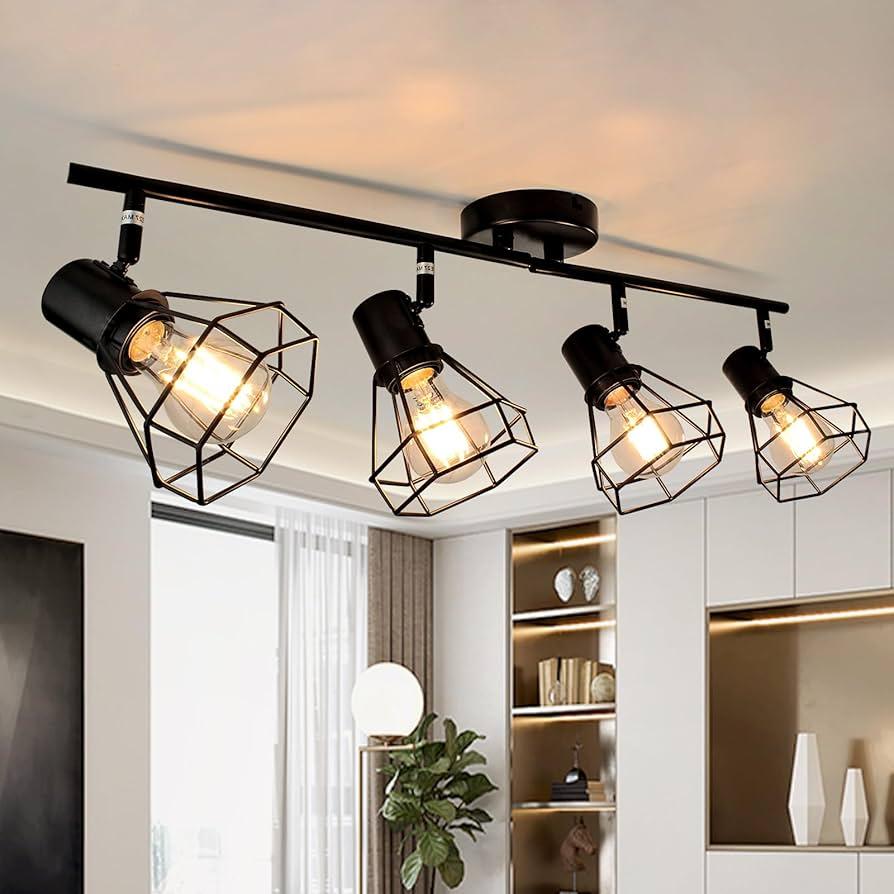
The Transformative Power of Lighting in Interior Design
When it comes to creating a captivating interior, the influence of light cannot be overstated. It has the power to shape not only the mood of a space but also its functionality and aesthetic appeal.By strategically utilizing various types of lighting-such as ambient, task, and accent lighting-you can completely transform an ordinary room into an extraordinary experience. Natural light, as a notable example, invigorates interiors, enhancing colors and textures, while artificial lighting can set the tone, making a space feel cozy, vibrant, or professional.Understanding the flow of light and how it interacts with different surfaces can elevate a design from simply functional to truly stunning.
Moreover,lighting plays a crucial role in defining the spatial planes of a room. It can emphasize architectural elements and artwork while drawing attention away from less desirable features. Consider these key benefits of effective lighting in your design strategy:
- Spatial Perception: Luminous lighting can open up small areas, making them feel larger and more inviting.
- Emotional Impact: Different hues and intensities can evoke specific feelings, influencing your emotional response to a space.
- Highlighting Features: Strategic placement of lights can accentuate artwork,furniture,or architectural details.
Incorporating a thoughtful lighting design ensures that every element in your space works harmoniously together, illuminating the overall vision and enhancing the functionality of the décor.

Shaping Mood and Atmosphere with Strategic Light Placement
Light has the uncanny ability to alter our perception of a space, making it essential in establishing a desired mood. Consider these effective strategies for optimal light placement:
- Layered Lighting: Incorporate ambient, task, and accent lighting to create a dynamic and engaging environment.
- Highlight Architectural Features: Use spotlights to draw attention to unique features such as artwork, wall textures, or furniture.
- Heightened Contrast: Position lights to create shadows and highlights, adding depth and drama to a room.
Understanding the psychology of light allows you to influence emotions and behaviors. utilize color temperature strategically to evoke specific feelings:
| Color Temperature | Effect |
|---|---|
| Warm (2000K-3000K) | Creates a cozy, inviting atmosphere, perfect for living rooms and bedrooms. |
| Cool (3100K-4500K) | Encourages focus and productivity, ideal for workspaces and kitchens. |
| Daylight (4600K-6500K) | Stimulates alertness and energy,suitable for areas meant for social interaction. |
Enhancing Functionality: How Lighting Complements Space Utilization
Lighting serves as the silent architect of interior design, shaping not only the ambiance but also the functionality of a space. Thoughtfully placed light sources can visually expand a room, make it feel cozier, or highlight specific areas. The interplay of various lighting types-ambient,task,and accent-creates a dynamic environment that fosters productivity and comfort. For instance, natural light can invigorate a space, while warm, soft lighting may encourage relaxation. Consider the following ways in which lighting enhances the usability of different environments:
- Adjustable Brightness: Dimmers allow users to manipulate light levels based on activity,whether it’s studious focus or casual relaxation.
- Strategic Placement: Spotlights can draw attention to artwork or architectural features, ensuring that these elements are appreciated without overwhelming the room.
- Color Temperature: Different hues can evoke various moods,with cooler tones promoting alertness and warmer tones fostering tranquility.
The efficiency of a space can also be complemented by the right lighting choices, allowing the room to serve multiple purposes without compromising style. In home offices, for instance, task lighting aids concentration and minimizes eye strain while working on detailed tasks. Additionally, lighting can accentuate the functional areas of open-concept spaces, guiding movement and use. To illustrate this concept, consider the following table comparing common light sources and their respective functionalities:
| Light Source | functionality |
|---|---|
| Natural Light | Enhances mood and reduces energy costs |
| Recessed Lighting | Provides ambient light without consuming vertical space |
| Table Lamps | Adds warmth and style to specific areas |
| LED strips | Can be used for accent or ambient lighting in creative ways |
Creating visual Interest: Lighting as an Artistic Element
lighting plays a transformative role in any space, capable of amplifying or diminishing the power of the existing decor.It serves not just as a functional necessity but as a stunning artistic element that can define moods, highlight features, and invite a spectrum of experiences. By manipulating various forms of lighting, such as:
- Ambient lighting – creating a soft background glow
- Accent lighting – drawing attention to particular areas
- task lighting – providing functional light for specific activities
homeowners and designers can curate an atmosphere that resonates with the desired aesthetic. Layering these types enhances visual depth and invites interest in or else mundane settings. In essence,the right lighting can turn the ordinary into the extraordinary,overshadowing traditional furniture arrangements.
When considering the interplay of light and space,the use of color temperature can further enrich the environment. As an example:
| Color Temperature | Description | Ideal Use |
|---|---|---|
| 2700K-3000K | Warm White | Living spaces, bedrooms |
| 3500K-4100K | Neutral White | Offices, kitchens |
| 5000K-6500K | Cool White | Retail, hospital environments |
This choice can evoke emotional responses and mental states, making the creation of visual interest through lighting not just an art form but a science as well. Consequently, effective lighting can redefine spatial relationships and emphasize focal points, allowing the physical layout of furniture to play a secondary role in crafting holistic environments.

Cost-Effective Upgrades: Prioritizing Lighting Over Furniture Choices
When it comes to creating a cozy and inviting atmosphere in your space, upgrades can be approached in a cost-effective manner by focusing on lighting choices before splurging on new furniture. Lighting not only influences the ambiance of a room but also plays a significant role in highlighting the features of your existing furniture. A well-lit room can make even the oldest pieces feel modern and fresh. Consider adding different types of lighting, such as:
- Ambient Lighting: Overhead fixtures that provide general illumination.
- Task Lighting: Table lamps and reading lights that enhance functionality.
- Accent Lighting: Spotlights or wall sconces that create visual interest.
Furthermore, strategic placement of light sources can open up smaller rooms, create a sense of depth, and even make colors appear more vibrant. Compare the impact of lighting against furniture upgrades, and you’ll find that investing in quality lighting is frequently enough more rewarding. Evaluate your current options with the following table:
| upgrade Type | Average Cost | Visual Impact |
|---|---|---|
| Quality Lighting Fixtures | $100 – $500 | High |
| Accent lighting | $50 – $200 | Medium |
| New Furniture | $500 – $2000+ | Variable |
As you assess the surrounding elements of your decor,remember that the right lighting can elevate your atmosphere without necessitating a complete overhaul of your furniture collection. By prioritizing lighting upgrades, you’ll create a more welcoming environment that ultimately enhances your space while saving you money in the long run.
to sum up
As we draw the curtains on this exploration of the interplay between lighting and furniture, it’s clear that light possesses an unparalleled power to transform spaces. While furniture serves its purpose in providing comfort and functionality, it is the lighting that breathes life into a room, shaping moods and highlighting nuances that might otherwise go unnoticed. as you embark on your own design journey, consider how the right lighting can elevate your surroundings, creating an ambiance that resonates with your personal style and enhances your everyday experiences. Remember, in the grand tapestry of home design, lighting is not just an accessory-it is indeed the thread that weaves everything together. Embrace its potential, and watch as your spaces reveal their true character.