
A sun-washed wall, its surface a soft halo of matt texture and subtle streaks, scrolls onto screens with the same quiet insistence as a popular song. Limewash-the ancient mineral paint once reserved for farmhouses and monasteries-now appears in endless squares and vertical frames,bathing interiors and exteriors in muted,imperfect color. On Instagram it reads as a visual shorthand: lived-in, handcrafted, slightly nostalgic, and inexplicably photogenic.
The surge isn’t just about pigment. Limewash brings a tactile quality that translates well to photography: it softens light, absorbs glare, and carries small variations that look deliberate rather than manufactured. Paired with the current appetite for neutral palettes, slow design, and artisan narratives, those chalky surfaces fit neatly into curated feeds. At the same time, practical factors-breathability, ecological credentials, ease of application-allow influencers, homeowners, and small brands to tell credible stories about sustainability and craft.
this article unpacks why limewash has become such a dominant visual motif on instagram: we’ll look at its material qualities, historical roots, role in contemporary aesthetics, and how social-platform dynamics amplify certain looks. The result is a trend that is equal parts old technique and new media choreography-ancient lime meets the modern algorithm.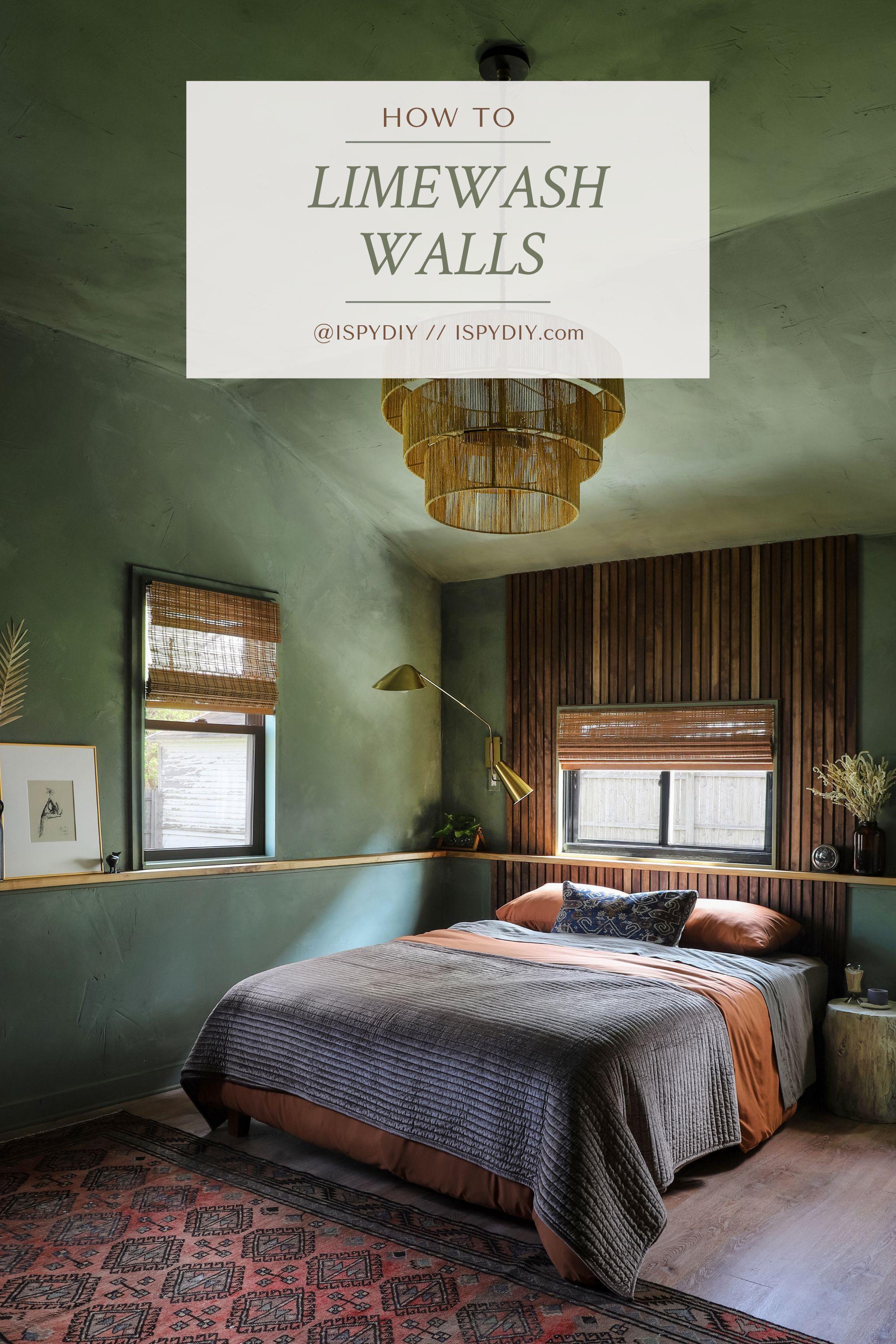
Why limewash is dominating instagram feeds with textured authenticity and soft natural light
There’s an effortless calm in rooms finished with limewash: light softly diffuses across a surface that reads like a photograph of a memory. Photographers and creators are drawn to its whispery, uneven finish as every scrape, seam and subtle pigment shift tells a story – not perfect, but perfectly styled for a feed that prizes honesty.
- Soft, sun-kissed patina
- Layered, tactile surfaces
- Subtle tonal shifts that play with filters
Beyond looks, the material mood is what keeps scrolling fingers pausing: it signals craft, restraint and a lived-in calm that algorithms reward with saves and shares. Influencers pair limewash backdrops with natural fibers, ceramics and houseplants to amplify a sense of sustainability and timelessness, and the result translates into consistent engagement across feeds.
| Quality | Why it effectively works on the feed |
|---|---|
| Texture | Creates depth without clutter |
| tone | Plays nicely with golden hour |
| Finish | Matte glow that reads organic |
The chemistry and finish that creators love and how to choose the right limewash for your surface
Limewash’s chemistry is a quiet revolution: slaked lime (calcium hydroxide) turns into a living limestone skin as it carbonates, creating that dreamy, matte veil influencers adore. The result is a breathable, mineral finish that softens light and captures texture-think watercolor on masonry rather than a flat film. Creators love how pigment sits in the lime matrix, producing muted, layered color that weathers into a unique patina rather of cracking or peeling.
Choosing the right product is part science,part sensibility. Consider these swift checkpoints before you pick a formula:
- Substrate – porous stone or bare plaster drinks limewash; painted or sealed surfaces may need extra prep or a bonding primer.
- Surroundings – interior limewashes can be softer and more delicate; exterior mixes need higher durability and weather tolerance.
- Opacity – high pigment load and multiple coats = richer color; diluted washes = luminous, washed-out depth.
- Application – brush for texture, spray for even coverage; always test a patch to see final carbonation tone.
Styling and photography techniques to make limewash pop on camera and boost engagement
Limewash reads beautifully on camera as its chalky, imperfect finish is a texture that translates into depth – you just need to stage it. Play with a minimalist palette so the wash becomes the hero: pair soft neutrals with one saturated accent and leave breathing room around features to highlight the wall’s striation.
- Contrast: add a matte black or deep wood frame to make pale washes pop.
- Layering: throw linens and woven rugs close to the wall to amplify tactile appeal.
- Greenery: a single potted plant creates life without stealing texture.
- Negative space: let asymmetry and empty areas feed the eye and increase shareability.
these simple styling choices guide the viewer’s eye to the limewash itself and invite closer inspection - the kind of detail shots that turn casual scrollers into engaged followers.
Capture the finish by prioritizing light and lens choices that enhance the wash’s tonal variations. Diffused natural light and subtle side-lighting reveal ridges; a short telephoto or 35-50mm prime keeps composition intimate while preserving texture.
| Condition | ISO | Aperture | Shutter |
|---|---|---|---|
| Daylight | 100-200 | f/4-f/8 | 1/125-1/250 |
| Golden hour | 200-400 | f/2.8-f/5.6 | 1/60-1/125 |
| Overcast | 200-800 | f/4-f/8 | 1/60-1/200 |
- Angles: shoot slightly off-center to celebrate texture and shadow.
- Editing: increase midtone clarity, keep highlights soft, and use a consistent preset to build a recognizable feed.
- Format: mix wide shots with macro detail and carousel posts to encourage saves and shares.
These technical choices make limewash translate as tactile and timeless on-screen, increasing the likelihood a viewer pauses, double-taps, and saves.

Application,maintenance,and pro tips for lasting,Instagram ready limewash results
Apply limewash like a storyteller: start with meticulous surface prep-clean,dampen,and patch-so the lime can breathe and marry the substrate. Use a wide natural-bristle brush or a masonry sprayer for that signature, streaked texture; thin your mix slightly for the first coat and build depth with successive, partially dried layers to avoid runniness. Quick tips for flawless application:
- Mix with plenty of water for a milk-like consistency.
- Work in small, consistent sections to keep edges wet.
- Brush in varied directions for organic texture.
- Let each coat cure overnight in cool, ventilated conditions.
This process keeps the finish soft and layered-perfect for those close-up, tactile Instagram shots.
For maintenance and pro-level longevity, think like a conservator: limewash enjoys moisture exchange, so avoid impervious sealers and instead embrace gentle upkeep. Remove marks with a soft brush and pH-neutral soap, and plan seasonal touch-ups rather than aggressive stripping. To make results pop on camera, focus on light and context-soft morning light, a single accent color, and a lived-in vignette amplify the patina.Pro staging pointers:
- Highlight texture with angled light and shallow depth-of-field.
- use props with natural fibers to complement the lime’s matte finish.
- Keep one palette accent to enhance, not overpower, the wash.
- Document before/after textures for authentic, repeatable reels.
With simple seasonal care and smart styling, your limewash will weather beautifully and stay Instagram-ready for years.
The Way Forward
As limewash sweeps through feeds, it’s clear the trend is about more than a pretty palette – it’s a meeting of texture, history and the modern appetite for authenticity.Its imperfect surfaces photograph beautifully, tell a quiet story of craft, and slot neatly into the visual grammar of today’s interiors and exteriors.
That doesn’t mean limewash is a cure-all: it brings specific maintenance, application and longevity considerations that matter to homeowners and creators alike. But whether embraced for its sustainable credentials, its vintage charm, or simply the way it softens light, limewash has found a place where craft and curation intersect.
So next time your scroll pauses on a muted wall or a weathered façade,take a moment to look closer. The rise of limewash on Instagram is as much about how we share spaces as it is about the spaces themselves – a reminder that sometimes the most compelling trends have roots that reach deeper than the surface.