

Many people enjoy a glass of wine in the evening, a few glasses with friends, or sharing a bottle over dinner. There are some who enjoy hosting wine tasting parties to share in the friendship and discovery of new tastes. If designing your own wine room is something you envision from time to time, here are a few to inspire you and tips on how to properly store wine.
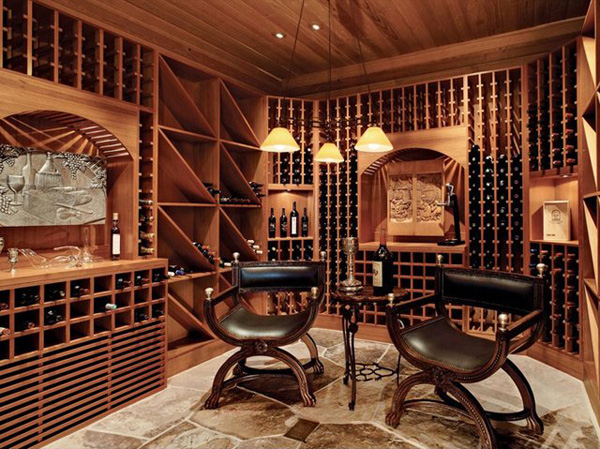
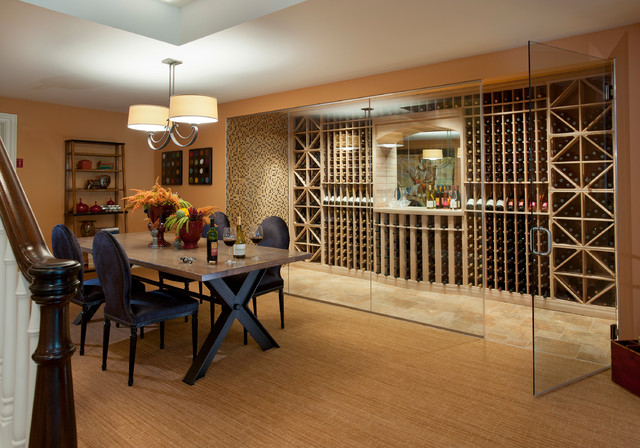

There are four important factors to consider when storing wine to maintain its quality, flavor and longevity. They are temperature, humidity, light and direction of bottle storage.

Red and white store at different temperatures. Although wine enthusiasts vary on the perfect temperature for wine, the consensus is that red should be stored between 50 and 55 degrees, whereas white wines should be stored between 45 and 50 degrees. Wine coolers today are generally equipped with dual-zone cooling for this purpose.

The humidity level for all wine should be between 70 and 75%. If the humidity is too low, the cork will shrink. A high humidity will result in mold forming. In order to monitor fluctuations, invest in a humidity gauge with temperature sensor for the area where you will be storing wine.

Wine should never be stored near sunlight and electric lights should be kept off as often as possible. If you have a basement, this makes the perfect spot for wine storage.

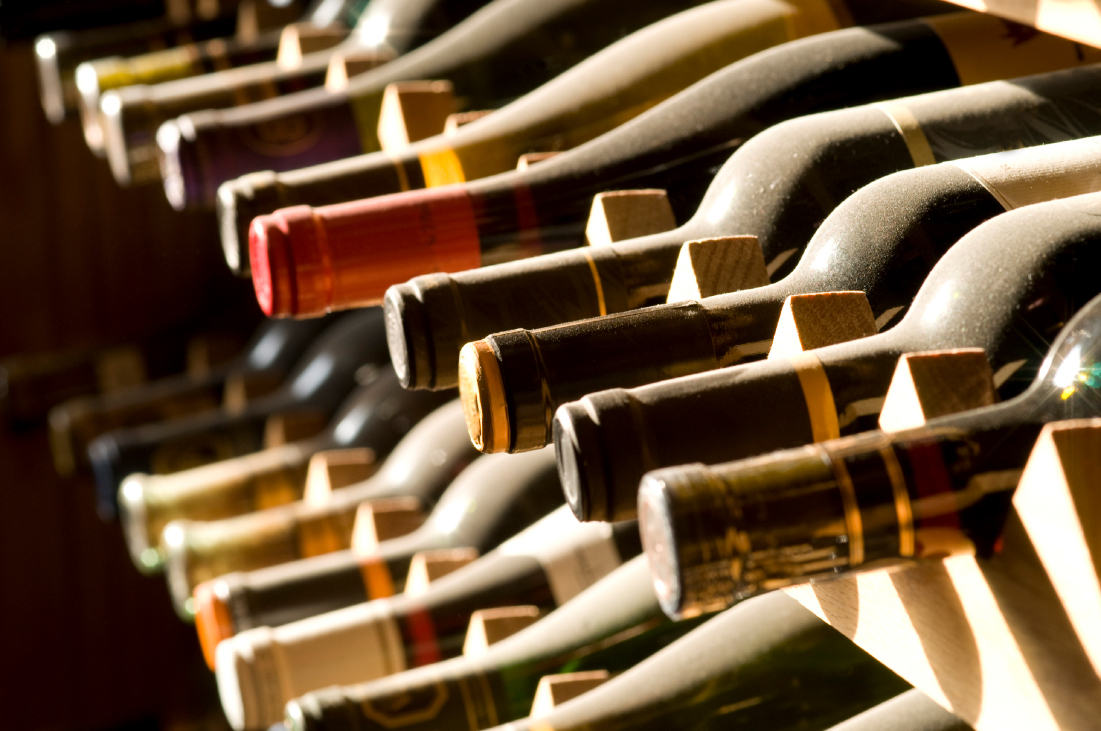
Wine should be stored horizontally so that the cork is wet. This will keep the cork from drying out and cracking.
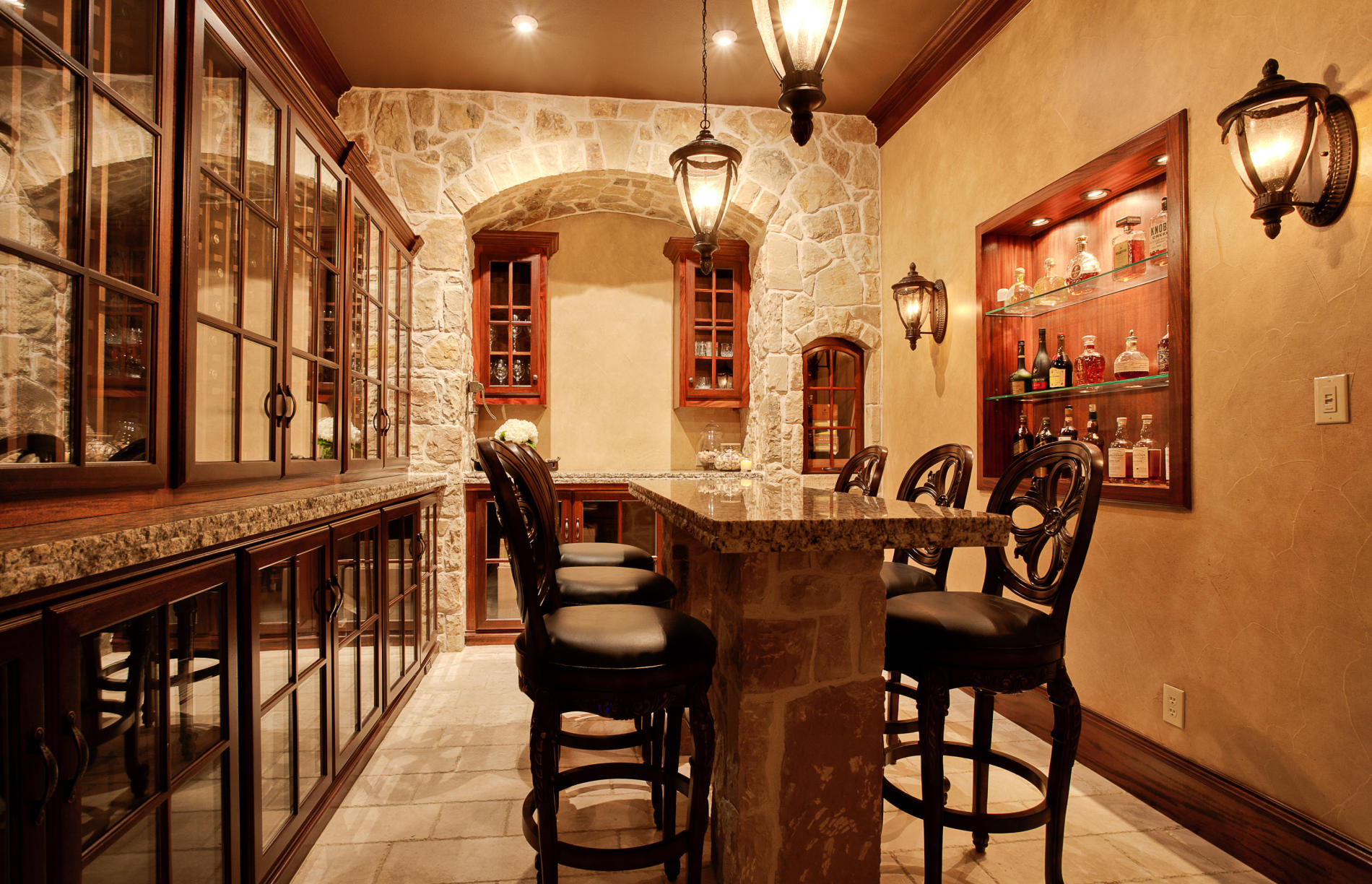
A wine room in the basement is the ideal. However, if you don’t have a basement to work with, you can create a pantry off the kitchen or use another room in the house. The dining room can double as a wine room and transitions easily into a tasting room for parties or small gatherings.
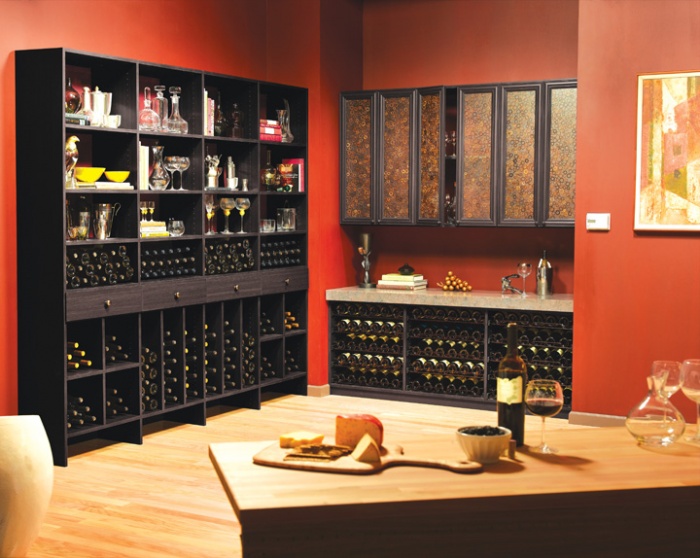
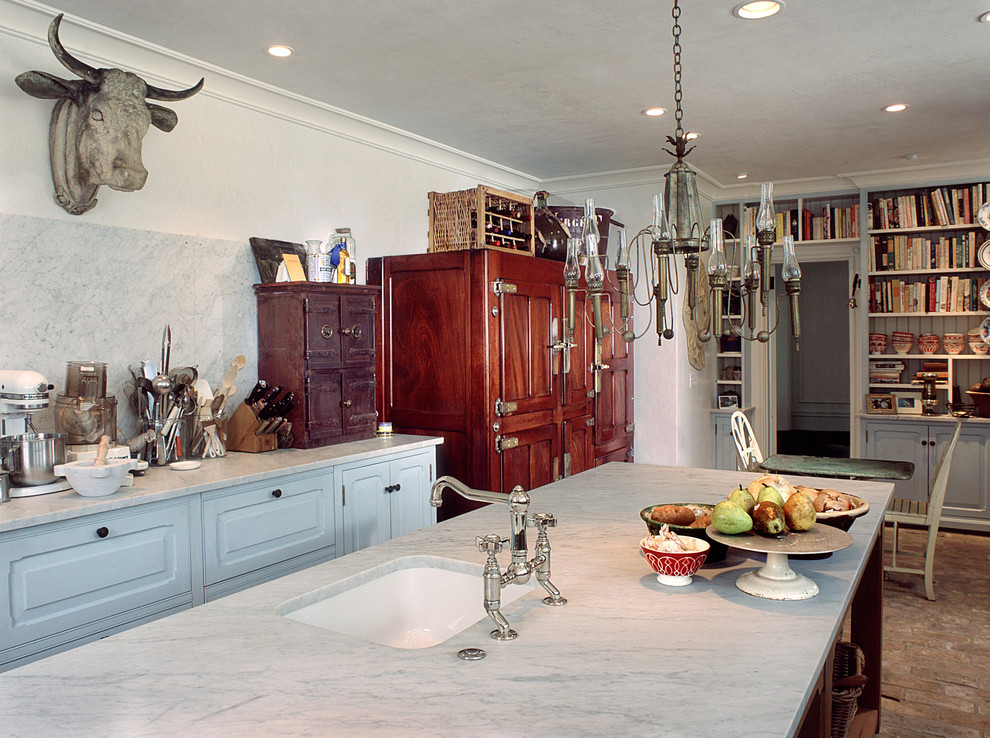
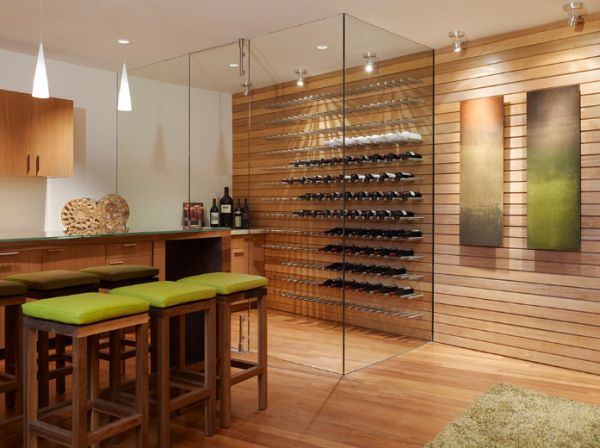
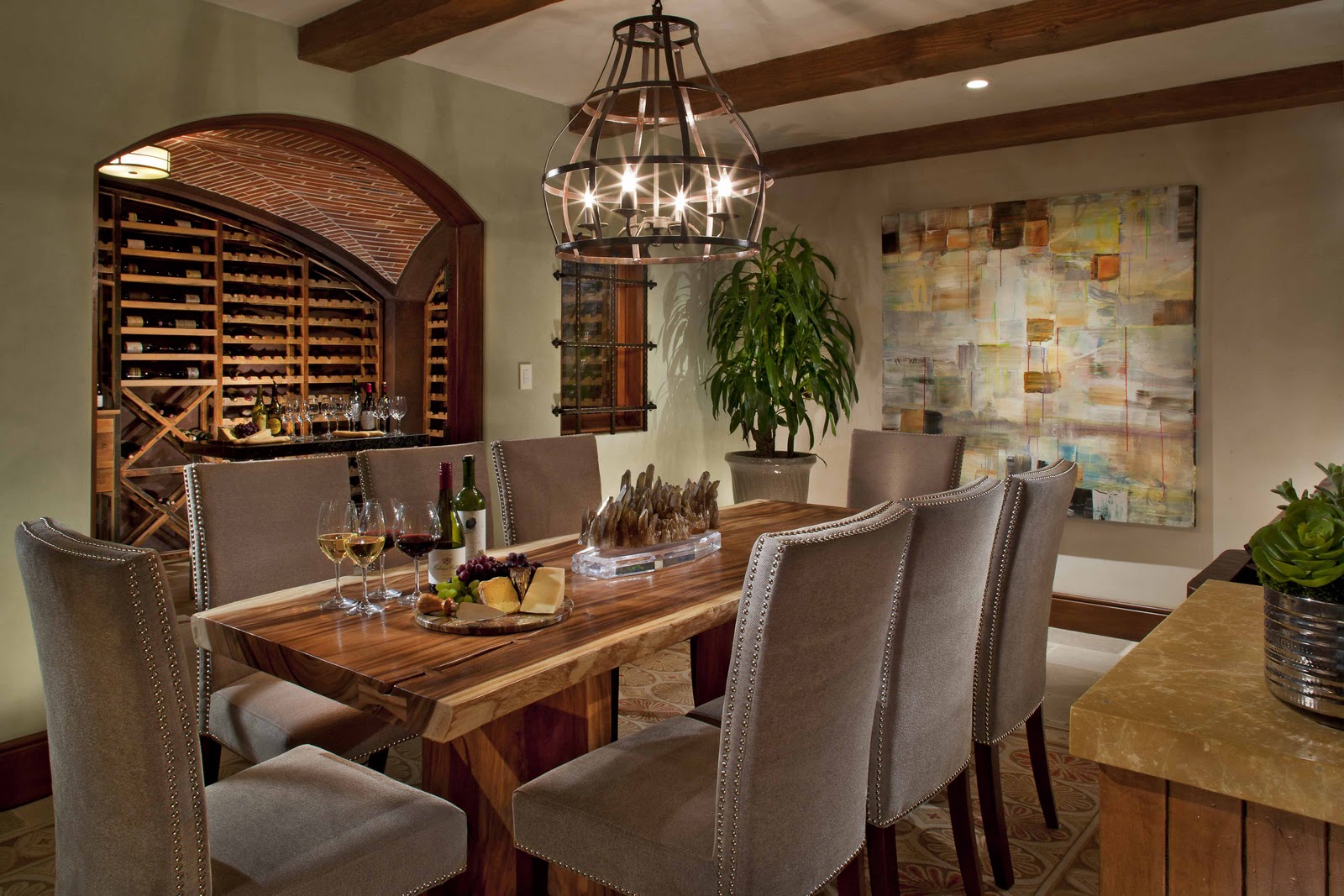
When storing wine in the kitchen, a cooler is invaluable. With temperatures and humidity varying greatly in the kitchen due to cooking, a wine cooler is the only way to maintain the condition of the wine. If you are planning a party and want to create the right setting, taking a few bottles out of storage and keeping them temporarily in a wine rack is convenient and stylish. If you have any bottles left over after the party, you can return them to their proper storage.
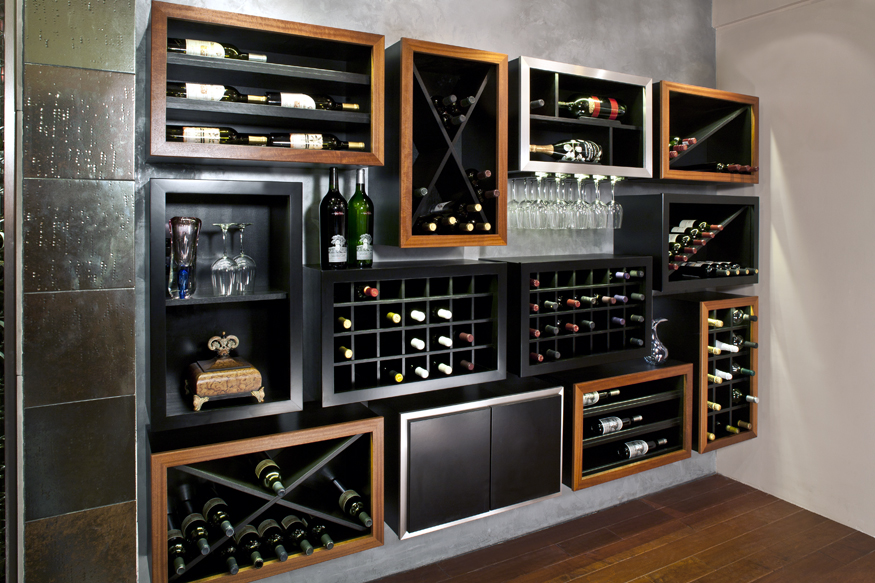
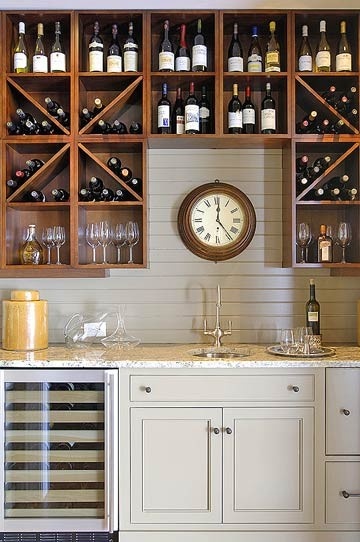
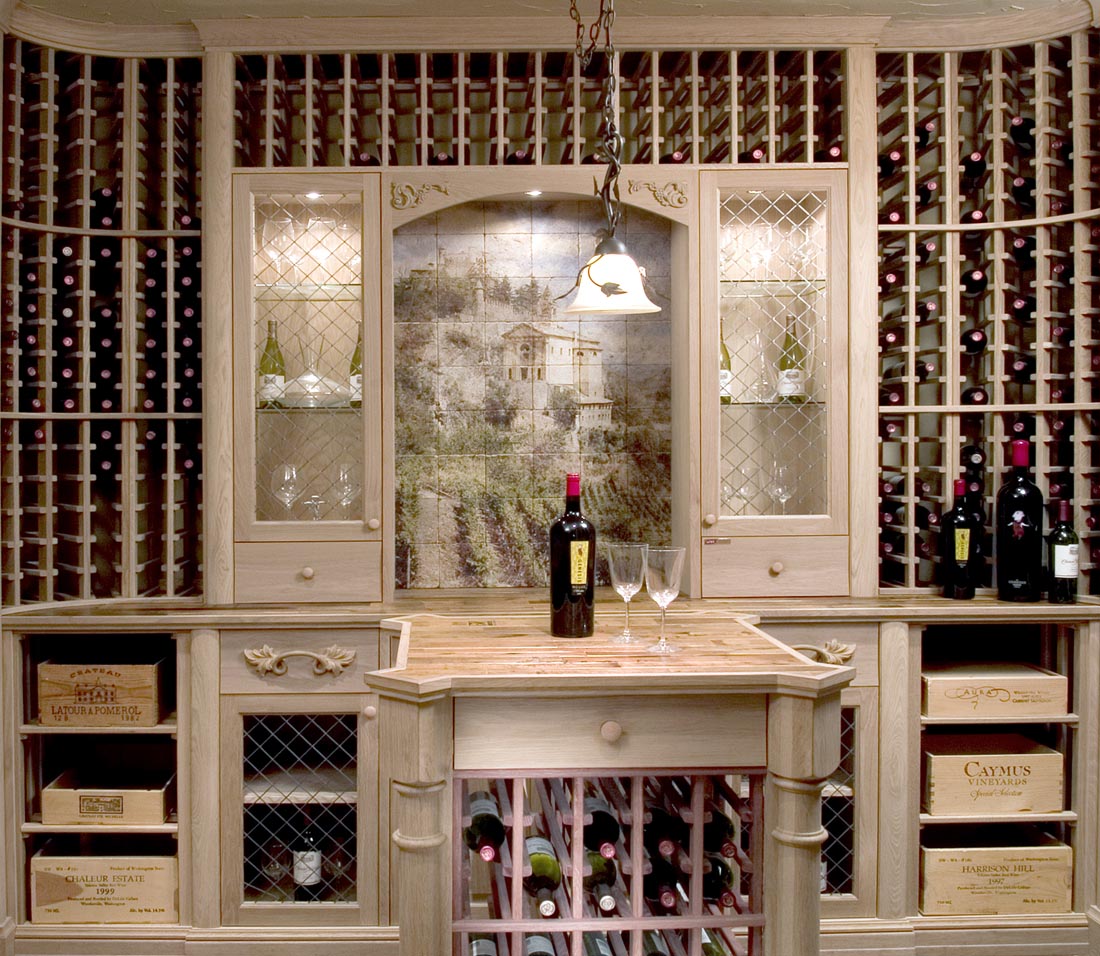
There are numerous options for creating a wine room. You can create your own or hire a professional to install built-in wine racks in the dining room, kitchen or another unused room in the house. You can convert a pantry or closet into a wine storage area.
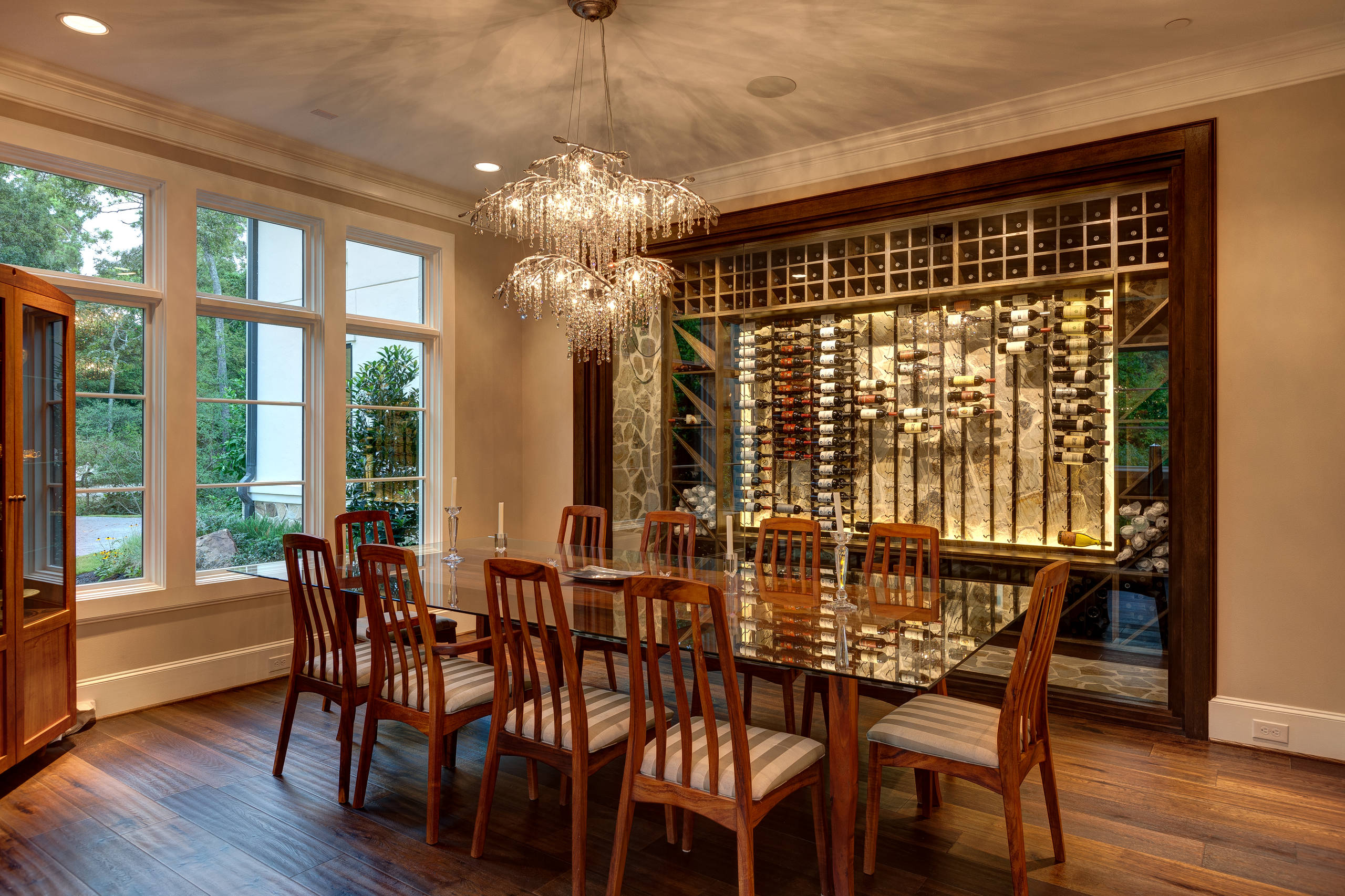
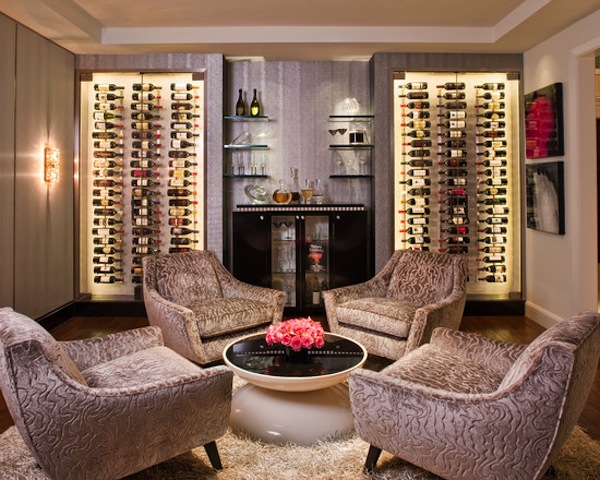
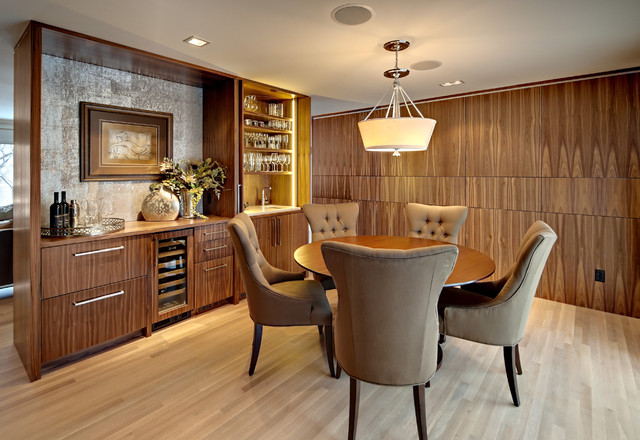
Whether you enjoy a simple glass of wine in the evenings or sharing in the friendship and good cheer of a wine tasting party, wine storage is readily available for your home. You can design a room just for entertaining and tasting or simply create a basement wine room for proper storage. Allocate a space in the kitchen or dining room. Repurpose a pantry or closet. With the right place and the proper storage, wine can be enjoyed at its best.
Wine Room Design Inspiration and Storage Tips
For wine enthusiasts and connoisseurs alike, having a dedicated wine room can elevate the experience of enjoying and storing your favorite vintages. Whether you are a casual wine drinker or an avid collector, creating a wine room that is both functional and visually appealing is key. In this article, we will explore various design inspirations for wine rooms and provide essential storage tips to ensure your wines are preserved in optimal conditions.
Design Inspirations for Wine Rooms:
- Modern elegance: Embrace sleek lines,minimalist décor,and a monochromatic color palette to create a contemporary wine room that exudes sophistication. Incorporate glass walls or doors to showcase your wine collection while maintaining a sense of open space.
- Rustic Charm: For a cozy and inviting ambiance, opt for rustic elements such as exposed brick walls, wooden beams, and vintage furniture. Add warmth with soft lighting and comfortable seating to create a welcoming atmosphere for wine tasting.
- luxurious Retreat: Channel your inner sommelier with a luxurious wine room featuring plush seating, opulent lighting fixtures, and elegant artwork. Create a sense of grandeur by incorporating luxurious materials like marble, velvet, and gold accents.
- Underground Cellar: If space allows, consider transforming a basement or underground area into a temperature-controlled wine cellar. Utilize stone walls, barrel vaulted ceilings, and wooden racks to emulate the ambiance of a customary wine cave.
Storage Tips for Wine Rooms:
- Temperature Control: Maintain a consistent temperature between 50-59°F (10-15°C) to preserve the quality of your wines. Invest in a quality wine cellar cooling system to regulate temperature and humidity levels effectively.
- Proper Shelving: Use sturdy wine racks or shelving units to store your bottles horizontally, allowing the cork to stay moist and preventing air from entering the bottle. Consider different types of racks such as diamond bins, case storage, and display shelves for added versatility.
- lighting Considerations: Avoid direct sunlight and harsh lighting in your wine room as this can adversely affect the quality of the wine. Opt for soft, ambient lighting or LED strips to illuminate the space without compromising the integrity of the bottles.
- Ventilation: Ensure proper ventilation in your wine room to prevent musty odors and mold growth. Install a ventilation system or use a dehumidifier to maintain air quality and circulation within the space.
designing a wine room that reflects your personal style while prioritizing wine storage best practices is crucial for wine enthusiasts.By drawing inspiration from various design themes and implementing practical storage tips, you can create a wine room that not only showcases your collection but also enhances the overall wine tasting experience. Cheers to designing your dream wine room!
Absolutely love the aesthetic of wine rooms! It’s such a great way to showcase your collection while keeping everything organized. Great tips on storage, too! ????