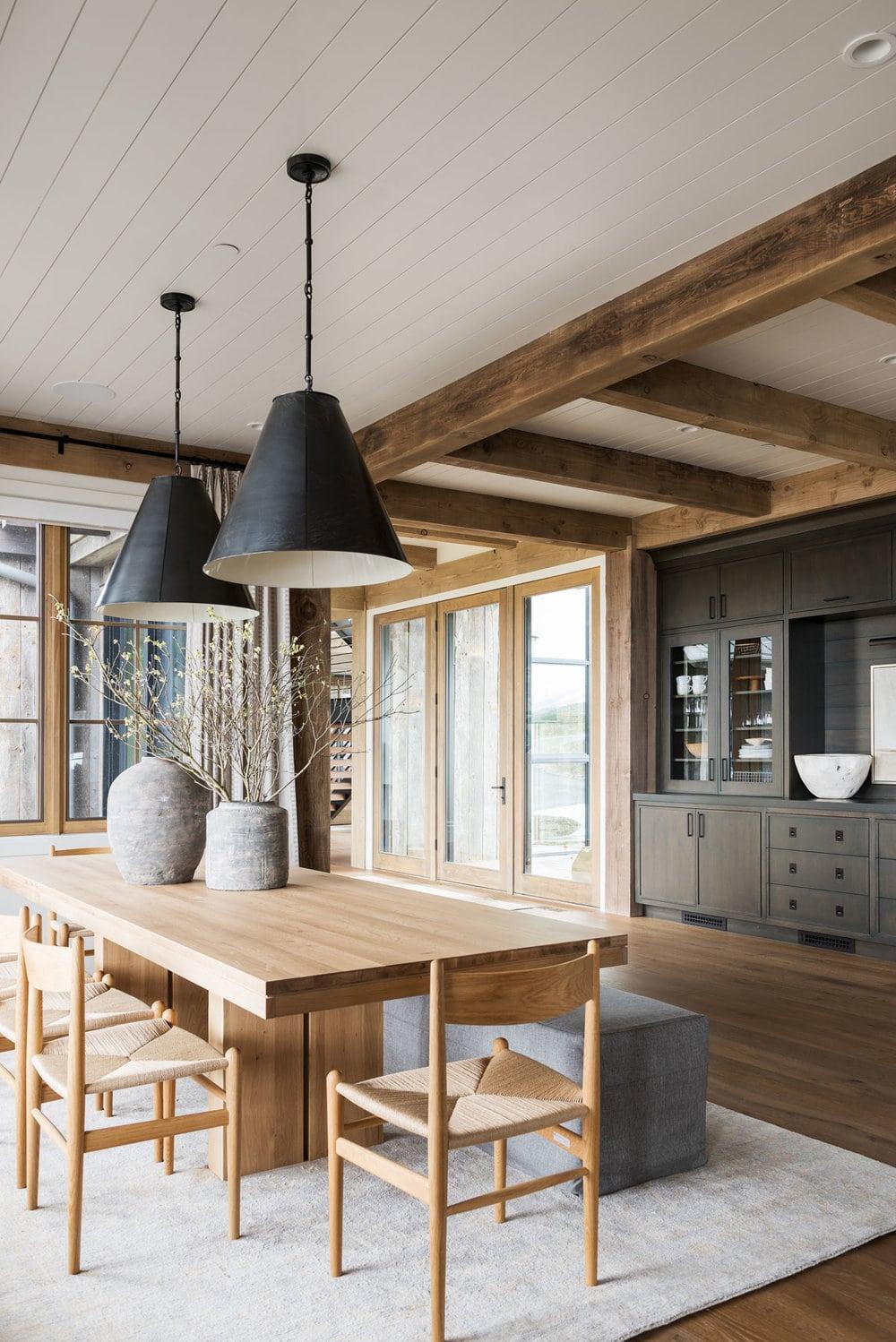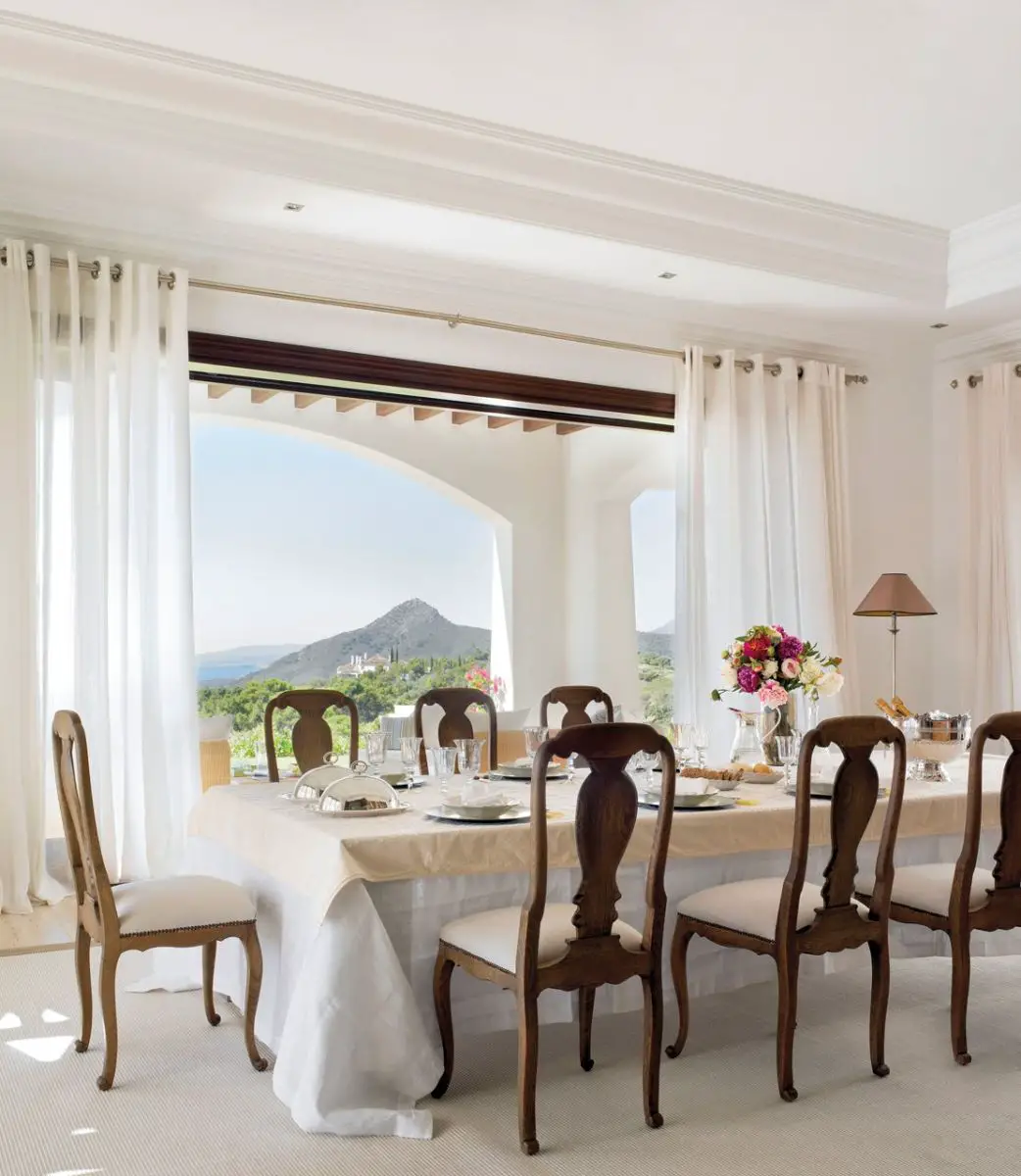

Mixing wood tones in interior design can elevate a space from ordinary to extraordinary, adding warmth and character that transforms a house into a home. However, the art of blending different wood hues and finishes can be daunting for many. The fear of clashing tones or overwhelming a space often leaves homeowners unsure of where to start. Fear not! In this article, we’ll explore five essential rules that will guide you in mixing wood tones like a seasoned professional.Whether you’re aiming for a rustic,modern,or eclectic look,mastering these principles will help you create a harmonious balance that showcases the beauty of wood in all its variations. Get ready to unlock yoru inner design guru and bring your vision to life!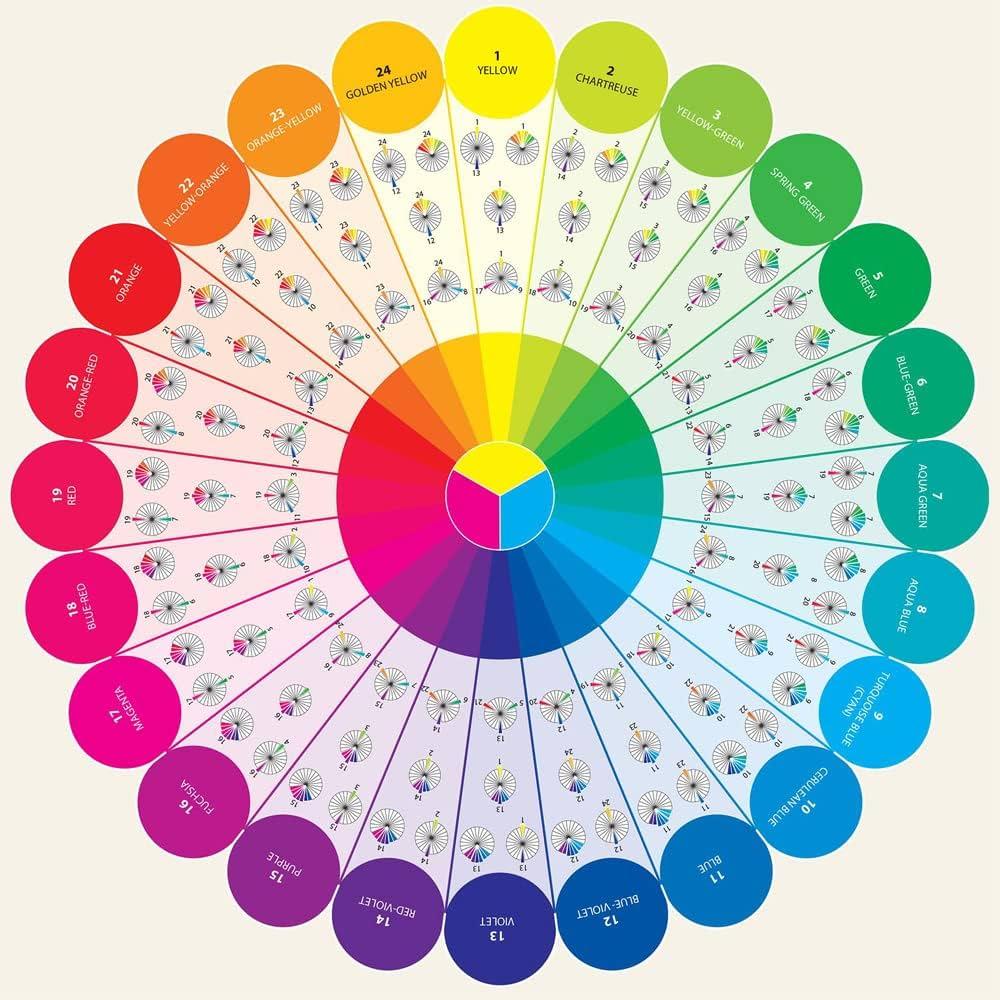
Understanding the Color Wheel and Wood Undertones
The color wheel is not just a tool for painters; it’s a fundamental concept that can also guide your choices when mixing wood tones. At its core, the color wheel illustrates the relationships between colors, allowing you to identify complementary and analogous shades that work harmoniously together.Just as primary colors combine to create secondary hues, the essence of wood undertones can transform the aesthetics of your space when paired correctly. Such as,warm-toned woods such as cherry or maple may beautifully contrast with cool-toned woods like oak or walnut when done thoughtfully. This understanding facilitates a more cohesive design, making your selections feel intentional rather than accidental.
When working with wood tones, consider the undertones that each type of wood inherently possesses. These undertones can range from warm golden hues to cool gray shades,and recognizing them is essential for triumphant combinations. To simplify this process, you might find it helpful to categorize woods into three primary undertone groups:
- Warm: Red, yellow, or orange undertones (e.g., cherry, pine)
- Cool: Blue or gray undertones (e.g., ash, maple)
- Neutral: balancing tones without a strong push towards warm or cool (e.g., oak, birch)
This table outlines some common wood types and their corresponding undertones, aiding in informed decision-making:
| Wood type | Color Undertone |
|---|---|
| Cherry | Warm Red |
| Oak | Neutral Yellow |
| Walnut | Cool Brown |
| Maple | Cool Cream |
By leveraging this knowledge of color relationships and undertones, you can mix wood tones like a seasoned designer, creating a cohesive and visually inviting environment.
Layering Light and Dark Woods for balance
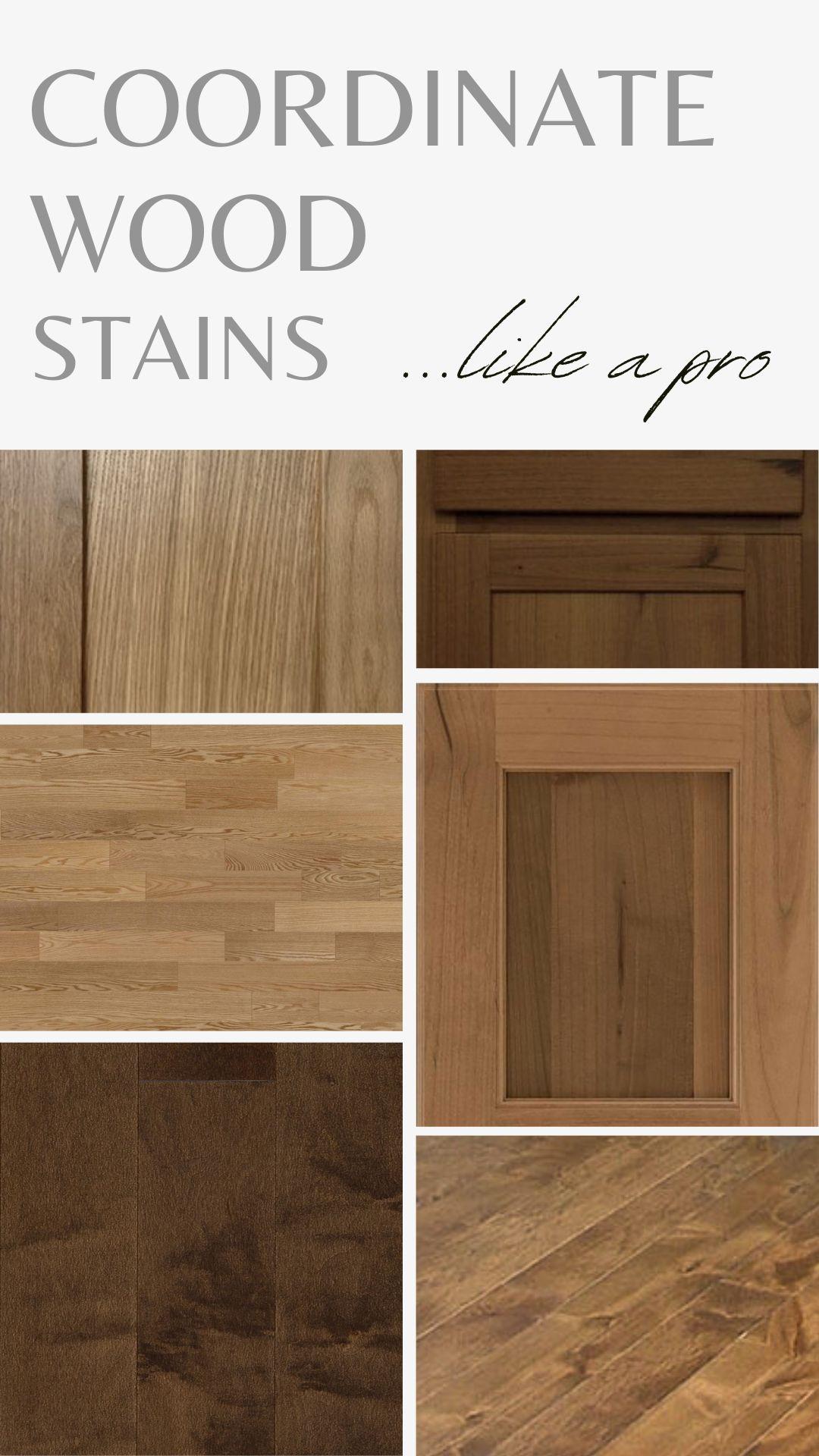
Bringing harmony to your space requires a thoughtful approach when combining light and dark woods. One effective strategy is to create contrast while ensuring that both shades complement each other. Start by choosing the right undertones-warm woods like cherry or mahogany can pair beautifully with cool-toned woods like ash or maple. this method not only enhances visual interest but also maintains a cohesive look throughout your room.Consider using a focal point, such as a stunning walnut dining table, to anchor the design while surrounding it with lighter wood tones in chairs or cabinetry, creating a balanced and inviting atmosphere.
When mixing wood tones, pay attention to the scale and size of the pieces. Avoid overwhelming the space with heavy, dark furniture by balancing it with lighter elements that open up the area. Using a mix of textures can also add depth to your design. For instance, incorporating a rustic light oak coffee table next to a rich, dark walnut sideboard can create a dynamic visual appeal. Utilize accessories such as linen throw pillows or woven baskets to tie the different wood tones together, fostering a layered and harmonious environment throughout your home.
Creating Contrast with Textures and finishes
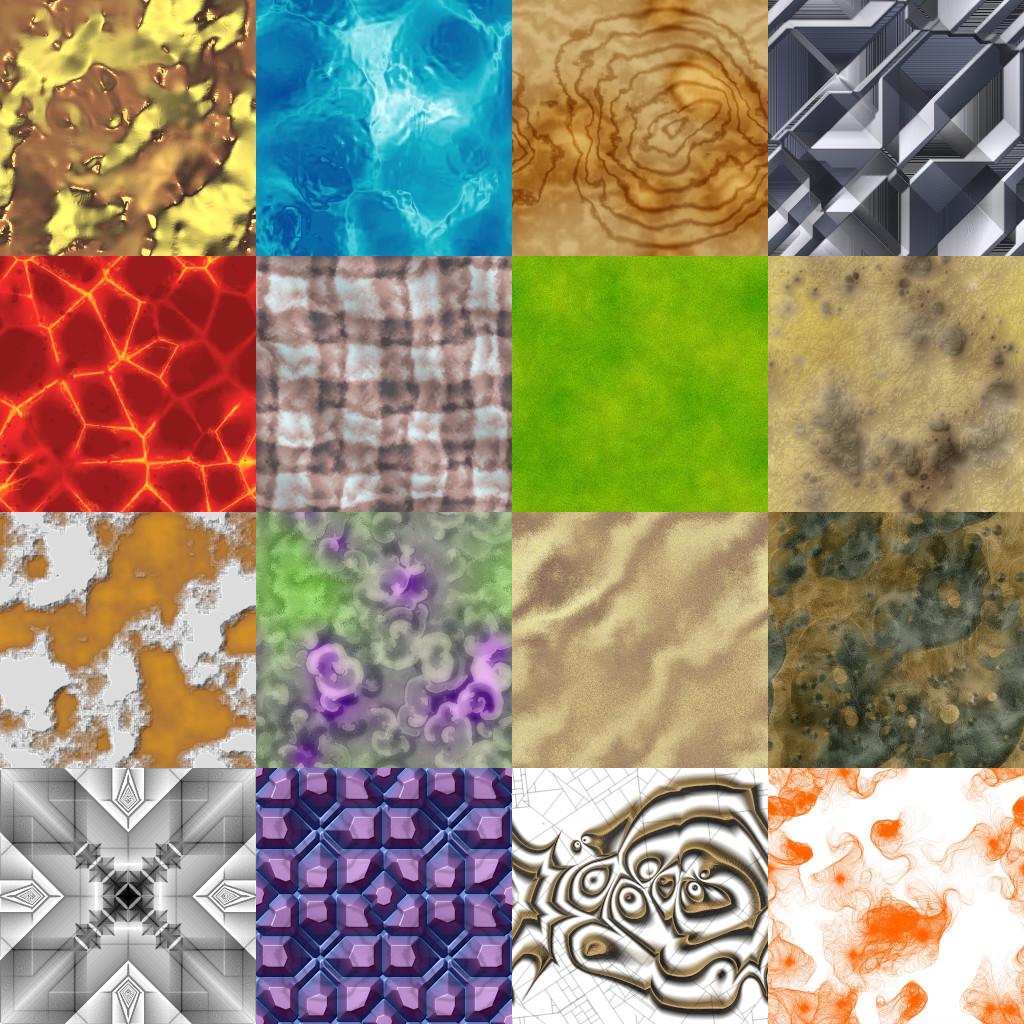
textures and finishes play a vital role in enhancing the visual narrative of your space. To create a captivating contrast, consider incorporating a variety of materials alongside your wood tones. for instance, pairing a smooth walnut finish with a rustic reclaimed oak can bring depth to your decor. When mixing, focus on balancing elements that are both light and dark, matte and glossy. this juxtaposition can elevate the overall aesthetic, drawing attention to the unique characteristics of each piece.
Utilizing different species of wood can also add an unexpected twist. The following options can create a harmonious blend:
- Maple: Bright and clean, ideal for a minimalistic touch.
- Mahogany: Rich and dark, perfect for a classic feel.
- Cedar: Aromatic and warm, great for an organic vibe.
- Pine: Light and airy, helps to soften darker tones.
don’t shy away from finishes, either! A matte oil can complement a shiny lacquer, while a textured finish can add a tactile element, enhancing engagement with the material. Combining multiple textures and finishes not only adds complexity but also encourages the eye to explore each piece individually.
Incorporating Accessories to Tie the Look Together
When mixing wood tones, accessories play a crucial role in unifying diverse elements of your space.Thoughtfully chosen pieces can elevate the design, providing a coherent visual narrative. Consider incorporating metal accents,which harmonize beautifully with various wood finishes,adding a sleek contrast.Decor items such as vases, picture frames, and ceramics can also serve as perfect companions, tying together the rich textures and hues of the woods present in your decor.
To further enhance your mix, think about layering textures through textiles. Decorative pillows,throws,and area rugs in complementary colors can create warmth and invite comfort. Use these items to bridge the differences between light and dark woods, ensuring a cohesive look. Below is a simple table illustrating some harmonious accessory choices based on wood tones:
| Wood Tone | Accessory Type | recommended Color |
|---|---|---|
| Light Oak | Metal Planters | Soft Gray |
| dark Walnut | Ceramic Vases | Deep blue |
| Medium Cherry | Wooden Frames | Warm Beige |
Embracing Imperfection with Eclectic Wood Styles
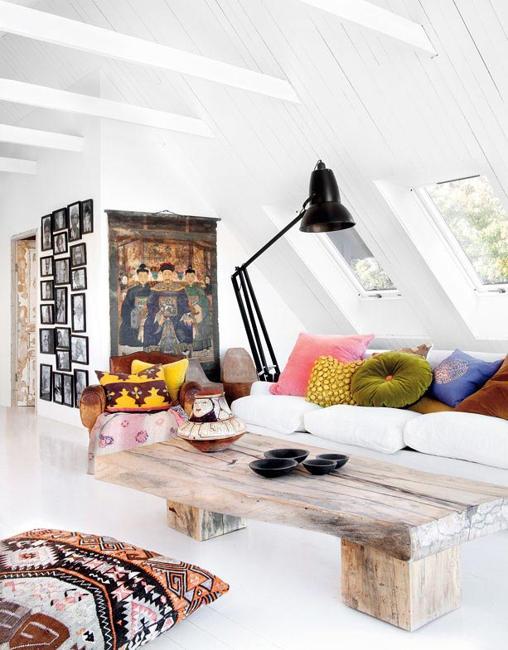
In the world of interior design, wood has a captivating ability to convey warmth and character.Eclectic wood styles celebrate imperfections, encouraging a stunning blend of varying tones and textures. Think of aged barn wood paired with sleek maple, or the rugged edges of reclaimed timber juxtaposed with polished cherry. This approach ushers in a sense of authenticity, where every piece tells a story, and the inherent flaws become features that spark conversation. Consider incorporating these key elements:
- Diversity in Grain Patterns: Different wood types carry unique grain patterns that can beautifully contrast or complement each other.
- Contrasting Finishes: Mix matte and glossy finishes to enhance the playfulness of your wood selections.
- Layering textures: Stack smooth and rough timber to amplify depth and interest in your space.
Creating balance in an eclectic wood arrangement can be effortless if you embrace the natural variations. Rather of aiming for uniformity, let the variations in tone guide your selections, allowing darker hues to provide grounding alongside lighter pieces that radiate freshness. A well-thought-out combination can reinforce the concept of harmonious chaos, drawing the eye and creating focal points without sacrificing comfort. To assist in visualizing your wood mix, consider the following comparison:
| Wood Type | Color Variation | Ideal Pairing |
|---|---|---|
| Oak | Golden Brown | Walnut |
| Pine | Light Yellow | Mahogany |
| Teak | Rich Amber | Cherry |
The Conclusion
As we wrap up our exploration of the art and science behind mixing wood tones, it’s clear that achieving a harmonious blend requires both a discerning eye and a confident touch. By following these five essential rules, you can navigate the intricate landscape of wood finishes, creating spaces that are not only visually appealing but also uniquely your own. Remember, the beauty of mixing wood tones lies in the individuality it brings to your home. So, don’t shy away from experimentation-each piece tells a story, and when combined thoughtfully, thay create a symphony of warmth and texture. embrace the challenge, trust your instincts, and watch as your space transforms into a masterpiece of design. Happy decorating!