

How to Start an Indoor Herb Garden Without the Mess
Imagine a burst of flavor, a hint of greenery, and a dash of tranquility right in the heart of your home.An indoor herb garden offers not just culinary delights but a slice of nature’s beauty, all within arm’s reach. However,the thought of soil spills,cluttered countertops,and wilting plants can deter even the most enthusiastic novice gardeners.Fear not! Creating your own indoor herb oasis doesn’t have to mean sacrificing cleanliness or style. in this article, we will guide you through the simple steps to cultivate a thriving indoor herb garden, ensuring that the process remains tidy, manageable, and joyful.Say goodbye to the mess-let’s delve into the art of gardening with ease!
Choosing the Right Herbs for Your Space
When embarking on your indoor herb garden journey, it’s essential to consider the space and conditions you have available. Light requirements play a significant role in the selection process.For instance, if your space receives abundant sunlight, consider opting for herbs such as basil, rosemary, or thyme, which thrive in brighter conditions. conversely, for those with limited natural light, chives, mint, and parsley are more forgiving and can flourish in shadier spots. Assessing where you’ll place your herbs-whether on a windowsill, countertop, or shelf-will help inform your choices.
Another aspect to ponder is the culinary use of your chosen herbs. If you frequently cook italian dishes, incorporating oregano and sage can elevate flavors in your meals. For a touch of freshness in summer recipes, herbs like cilantro and dill may be more suitable. To make your selection process easier, here’s a quick reference guide:
| Herb | Light Requirement | Culinary Use |
|---|---|---|
| Basil | Full Sun | Italian Dishes |
| Chives | Partial Shade | Salads, Sauces |
| Cilantro | Full Sun | mexican Cuisine |
| Mint | Partial Shade | Teas, Desserts |
Selecting Containers that Minimize Mess
When starting your indoor herb garden, choosing the right containers can significantly reduce the mess associated with planting and maintaining your herbs.Opt for containers with drainage holes, which allow excess water to escape, preventing the soil from becoming overly soggy and messy. Additionally, consider using containers that are self-watering or have a built-in reservoir; these designs not only help manage water levels but also minimize spills and splatters. You might also want to select compact or stackable options, which can be arranged creatively on your kitchen counter or windowsill, maximizing space while keeping your herbs tidy.
Consider materials that are easy to clean and maintain, such as ceramic or plastic with a smooth finish. Avoid materials that are porous, as they can absorb moisture and lead to soil stains or odors.Look for containers with the following features:
- Removable saucers: to catch excess water and soil.
- Integrated watering systems: to reduce handling and spills.
- Ergonomic designs: that are easy to move without causing mess.
| Container Type | Advantages | Recommended Herbs |
|---|---|---|
| Ceramic Pots | Stylish, durable | Basil, Oregano |
| Plastic Containers | Lightweight, affordable | Chives, Parsley |
| Self-Watering Planters | Consistent moisture, low maintenance | Mint, Cilantro |
Optimal soil and Drainage Solutions
choosing the right soil and ensuring proper drainage are fundamental components of a prosperous indoor herb garden. Opt for a high-quality potting mix designed specifically for container gardening, as it provides the essential nutrients your herbs will thrive on. Look for soil blends that contain materials like peat moss, perlite, or vermiculite to enhance aeration and moisture retention.Additionally, consider incorporating organic compost to enrich the soil, thereby creating a fertile environment for herbs such as basil, cilantro, and parsley.
Drainage is equally crucial to prevent waterlogged roots and promote healthy herb growth. Here are some effective strategies to ensure optimal drainage:
- Use pots with drainage holes to allow excess water to escape.
- add a layer of gravel or small stones at the bottom of your pots to facilitate water flow.
- Consider self-watering containers, which provide moisture management while preventing over-saturation.
In addition, keeping an eye on the moisture levels is vital; a simple method involves checking the top inch of soil. If it feels dry, it’s time to water. A small moisture meter can also help you maintain the right balance for your herbs. Ensuring that your indoor garden has the right soil and drainage solutions will create a thriving environment, free from the mess and hassle that can frequently enough accompany indoor gardening.
Essential Lighting Tips for Indoor Growth
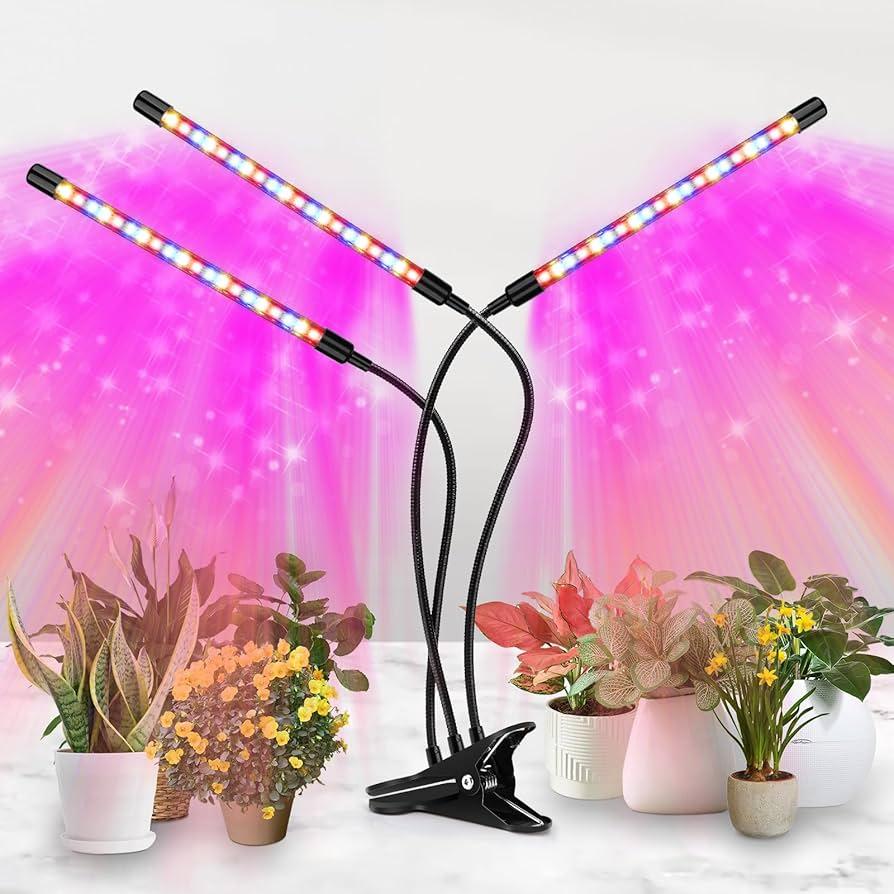
when setting up your indoor herb garden, selecting the right lighting is crucial for ensuring your plants thrive. Natural light is ideal, but if your indoor space lacks sufficient windows, you can turn to grow lights. Look for full-spectrum LEDs, which mimic sunlight and provide the necessary wavelengths for rich, healthy growth. Position the lights 12-24 inches above your plants and keep them on for 12-16 hours a day to simulate ideal growing conditions. This not only aids in photosynthesis but also helps prevent leggy plants that stretch for inadequate light.
It’s essential to monitor your herbs regularly to ensure they receive the right amount of light without overheating. Here are some tips for effective light management:
- Rotate your plants: Regularly turn your pots to promote even growth.
- Watch for signs of stress: Yellowing leaves might indicate too much direct light, while stretching can signal inadequate light.
- Adjust as needed: taller plants may need to be moved closer to the light source, while shorter ones might benefit from being further away.
By finding the perfect balance, you can create an indoor environment that mimics nature, ensuring your herbs flourish. Below is a simple comparison of different types of grow lights:
| Type of Grow Light | Pros | Cons |
|---|---|---|
| Fluorescent | Affordable, energy-efficient | Less intensity, shorter lifespan |
| LED | Long-lasting, low heat output | Higher initial cost |
| Incandescent | Low cost, easy to find | High energy usage, short lifespan |

Maintaining cleanliness and Organization in Your garden
Creating an indoor herb garden doesn’t have to result in chaos. Start by gathering all necessary supplies and keeping them in a designated gardening caddy. This simple strategy helps you avoid scattering tools and materials throughout your living space.Consider the following items for your toolkit:
- Small pots or containers - Opt for lightweight and stackable options.
- Potting soil – Choose a mess-free, organic blend to keep dirt contained.
- Watering can - A smaller,spouted version minimizes spills.
- Labels - Easy-to-write tags for identifying different herbs.
As you cultivate your indoor garden, keeping a tidy appearance is essential. Incorporate a few smart storage solutions, like using decorative trays to hold your pots, which can help prevent water damage on your surfaces. Additionally, regularly deadhead your plants and prune dead leaves to encourage growth while maintaining a neat look. Here’s a quick guide:
| Task | Frequency |
|---|---|
| Watering | Every 1-2 weeks |
| Pruning | As needed |
| Replacing soil | Every 6-12 months |
| Cleaning pots | Monthly |
The way forward
As you embark on your journey to cultivate a flourishing indoor herb garden, remember that the process should be as enjoyable as the end result. With a little planning, some thoughtful choices, and the tips outlined in this article, you can easily create a green oasis right in your own home, free from the chaos frequently enough associated with gardening.
By investing in self-watering containers, selecting the right herbs for your environment, and embracing efficient growing techniques, you can savor the satisfaction of nurturing plants that not only enhance your meals but also elevate your living space. So, gather your supplies, find a sunny spot, and let your indoor herb garden thrive-minus the mess. Happy gardening!