
In the world of interior design, where creativity knows no bounds and budgets often do, there exists a surprising ally that fuels inspiration behind the scenes: IKEA.To the untrained eye, the Swedish furniture giant may seem like just a haven for flat-pack bargains and stylish home solutions. However, interior designers have long recognized IKEA as a rich resource brimming with versatility, functionality, and design potential. In this article, we delve into the fascinating reasons why interior designers embrace IKEA-not merely for its affordability, but for its ability to spark creativity, provide solid foundations for innovative concepts, and even serve as a canvas for personal expression. From its modular pieces to its minimalist aesthetic, discover how this unassuming retailer captures the hearts of professionals and elevates everyday living spaces into thoughtfully curated environments.
The Versatile Canvas: How IKEA Shapes Interior Design Creativity
In the realm of interior design, IKEA stands as a limitless wellspring of inspiration, celebrated for its innovative approach to home furnishings. Designers appreciate the brand’s ability to transform ordinary spaces into extraordinary canvases. The versatility of IKEA’s product range allows for endless creativity, enabling professionals to play with textures, colors, and layouts without breaking the bank. Their modular designs, from sofas to shelving units, empower designers to craft unique solutions tailored to the needs of individual clients, pushing the boundaries of what a small space can achieve.
Moreover, the accessibility of IKEA’s products fosters a collaborative spirit in the design community. Many designers embrace the challenge of redefining IKEA pieces, whether it’s through creative upcycling, bespoke modifications, or bold pairing with high-end decor. By mixing and matching affordable options with luxury items,the aesthetic possibilities are nearly limitless. The brand encourages a hands-on approach, inviting designers to explore innovative arrangements and adaptations that highlight functionality and personal style. These qualities make IKEA a beloved ally among interior designers looking to blend practicality with artistry.

Affordable Aesthetics: The Impact of Budget-Friendly Choices
In the world of interior design, affordability has become synonymous with accessibility, allowing a broader range of individuals to explore their aesthetic preferences without breaking the bank. Retail giants like IKEA have revolutionized how people perceive style and functionality in home interiors. By offering a vast selection of budget-friendly options, they have democratized design, enabling everyone to find pieces that suit their personal taste and lifestyle. This shift is notably evident in urban environments where small spaces are the norm,prompting the need for versatile furniture that doesn’t sacrifice style for practicality. Designers appreciate the potential to play with a variety of modular arrangements, maximizing space while showcasing stunning visual appeal.
When considering the essentials of budget-conscious design, three key benefits emerge:
- Versatility: IKEA’s designs are frequently enough modular, easily fitting into various spaces and accommodating different functions.
- Style Variety: With numerous collections and seasonal offerings,clients can easily refresh their spaces without spending a fortune.
- DIY Potential: the ease of assembly and customization encourages creativity, empowering individuals to take an active role in their interior design.
To further illustrate the impact of these choices, consider the following table comparing the aesthetic and functional attributes of budget options versus high-end alternatives:
| Attributes | Budget Options | High-End Alternatives |
|---|---|---|
| Cost | Affordable, accessible | Premium pricing |
| Customization | Easy to modify | Limited options |
| Durability | functional for everyday use | Frequently enough more robust |
| Design Variety | Trendy and diverse | Timeless elegance |

Sustainable Solutions: embracing Eco-Friendly Options in Design
in the realm of interior design, fostering sustainability is becoming less of a trend and more of a necessity.Many designers appreciate IKEA’s commitment to eco-friendly practices, as the brand actively strives to minimize its environmental footprint. By leveraging renewable materials, adhering to sustainable production methods, and reducing waste during manufacturing, IKEA exemplifies a model for other companies to follow.Notably, their furniture often consists of reclaimed wood, recycled plastics, and responsibly sourced materials, making it easier for designers to promote an environmentally conscious lifestyle in their projects.
The versatility of IKEA products allows designers to create adaptable,stylish spaces without compromising on sustainability. Here are some of the brand’s eco-friendly offerings that resonate well with design professionals:
- Flat-Pack Design: Reduces transportation emissions and packaging waste.
- Energy-Efficient Lighting: Long-lasting LED options that save on energy consumption.
- Modular Furniture: Encourages longevity and adaptability, promoting a circular economy.
By integrating these sustainable solutions into their designs, interior decorators can create beautiful, functional spaces while aligning with an eco-conscious mission. Moreover,for anyone looking to navigate the intersection of aesthetics and environmental obligation,IKEA serves as an invaluable resource with its ever-growing range of sustainable products.

The Power of Modular: Maximizing Space with Flexible Furniture
The world of interior design has been revolutionized by the versatility of modular furniture, especially pieces that are easily adjustable and reconfigured. Designers adore the ability to transform a single space to suit various needs, whether it’s for cozy gatherings or expansive parties. With clever modular designs, users can seamlessly create multiple atmospheres without extensive renovations. Here’s why modular solutions are increasingly celebrated:
- Adaptability: Furniture can be rearranged and tweaked to accommodate different activities or sizes of groups, making it ideal for urban living.
- Optimized Storage: Many modular pieces come with integrated storage solutions, making it easy to keep spaces looking tidy and organized.
- personalization: With a variety of colors and fabrics, modular items allow individuals to tailor their space to reflect personal style while meeting functional demands.
Moreover, the economic aspect of investing in modular furniture cannot be overlooked. These items often provide a cost-effective solution for those who appreciate aesthetic design without breaking the bank. Instead of purchasing multiple standalone furniture pieces, consumers can select adaptable units that serve multiple purposes, maximizing functionality within smaller footprints. Consider the following comparisons:
| Single Item | Modular Furniture |
|---|---|
| Sofa | Sofa that converts to a bed and has storage |
| Bookshelf | Bookshelf that can be added to or rearranged |
| Dining Table | Expandable table that fits various settings |
Inspiration on Every Aisle: Discovering Design Ideas at IKEA
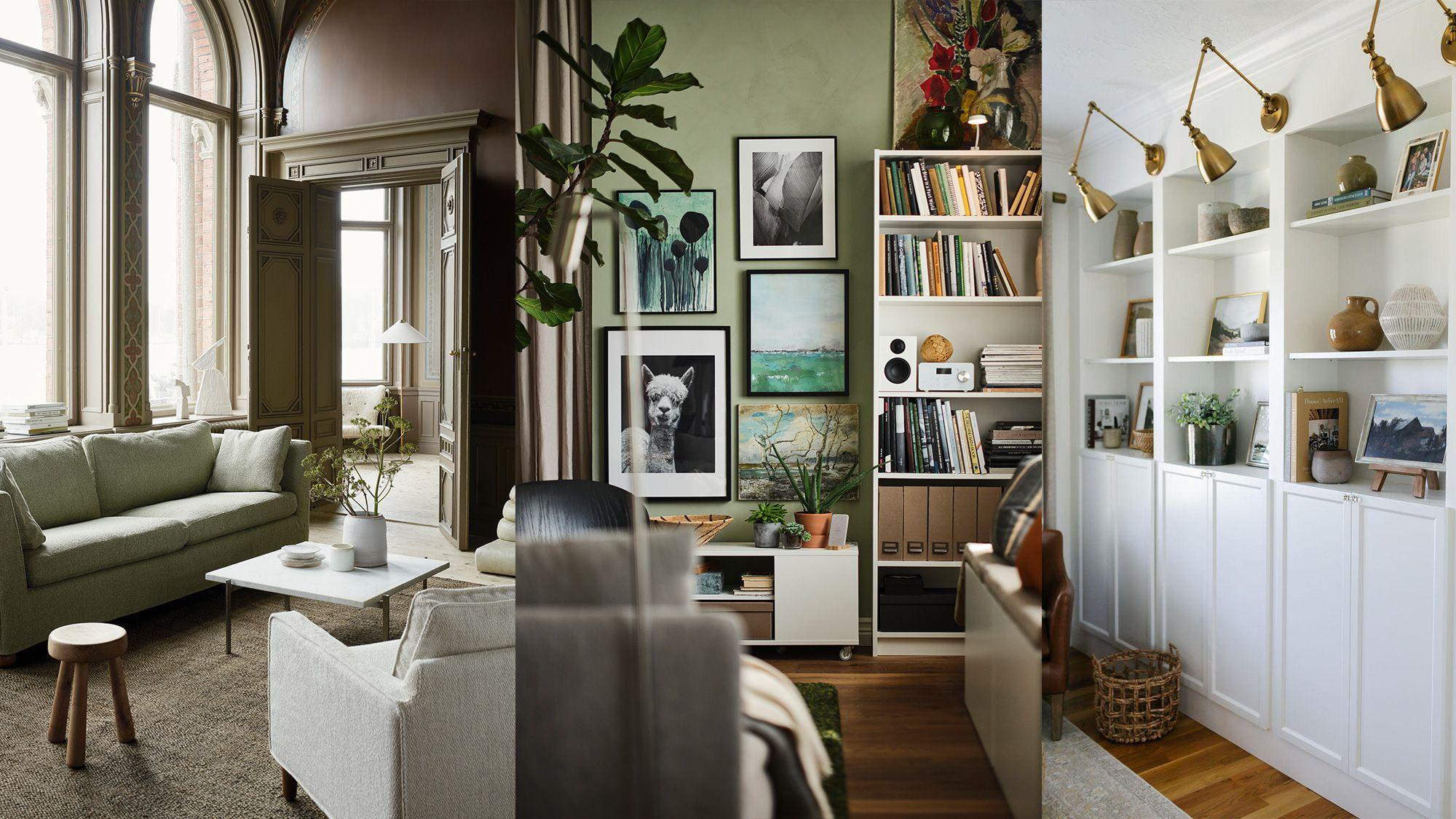
Stepping into an IKEA store is like entering a well-curated gallery of modern design, where every corner offers a fresh outlook on interior possibilities. Designers often find themselves wandering through the maze-like aisles, drawn not only to the sleek, functional furniture but also to the inspiring setups that showcase innovative uses of space. The combination of affordability, sustainability, and scalability makes IKEA a treasure trove for creative minds looking to inspire clients with unique, adaptable solutions. Here, you can discover:
- Room displays that highlight effective layouts.
- Versatile furniture that can be easily repurposed.
- Accessorizing ideas for personalized touches.
In addition to the stylish setups, the brand’s commitment to modular design allows endless combinations to suit any interior, making it a playground for experimentation. Many designers appreciate IKEA’s inclusive design beliefs, as it emphasizes accessibility alongside aesthetics, appealing to diverse lifestyles and preferences. When crafting spaces that resonate with everyday living, it’s a joy to utilize:
| category | Design Features |
|---|---|
| Living Room | Modular sofas for flexible seating arrangements |
| Kitchen | Smart storage solutions for efficient organization |
| Bedroom | Customizable lighting options for ambiance |
closing Remarks
As we draw the curtains on our exploration of the intricate relationship between interior designers and IKEA, it’s clear that this Swedish giant holds a unique place in the hearts of design professionals. Beyond its budget-friendly prices and stylish solutions, IKEA encapsulates a philosophy of accessibility and functionality that resonates deeply with designers seeking to craft spaces that are both beautiful and livable.
In a world where design frequently enough seems exclusive and out of reach, IKEA serves as a reminder that creativity thrives in unexpected places. Whether it’s a versatile shelving unit that inspires a striking room or a simple storage solution that elevates a client’s living experience, the love for IKEA among interior designers reveals a shared truth: great design is not just about luxury; it’s about making thoughtful choices that enhance everyday life.
So next time you wander through those iconic blue and yellow aisles, remember that even the most seasoned designers find value in the clever simplicity and endless possibilities that IKEA presents. As they deftly blend IKEA pieces into their curated visions, they’re not just decorating-they’re redefining what it means to create inspiring spaces for all.