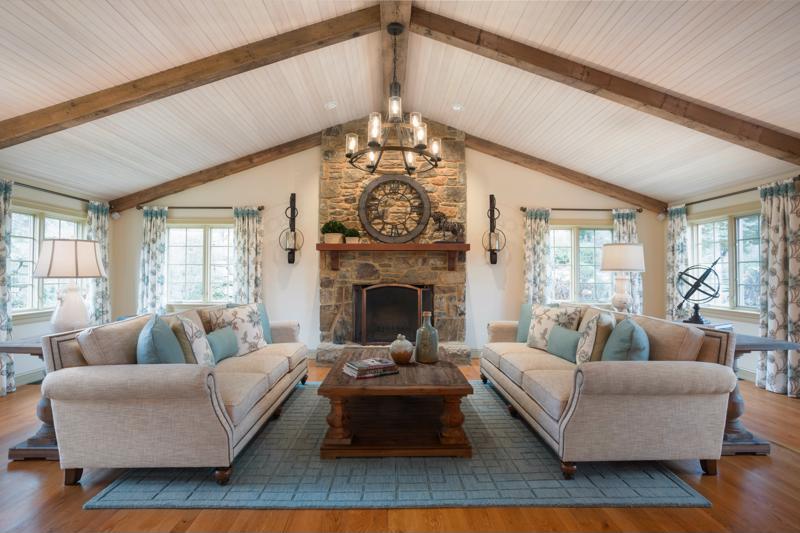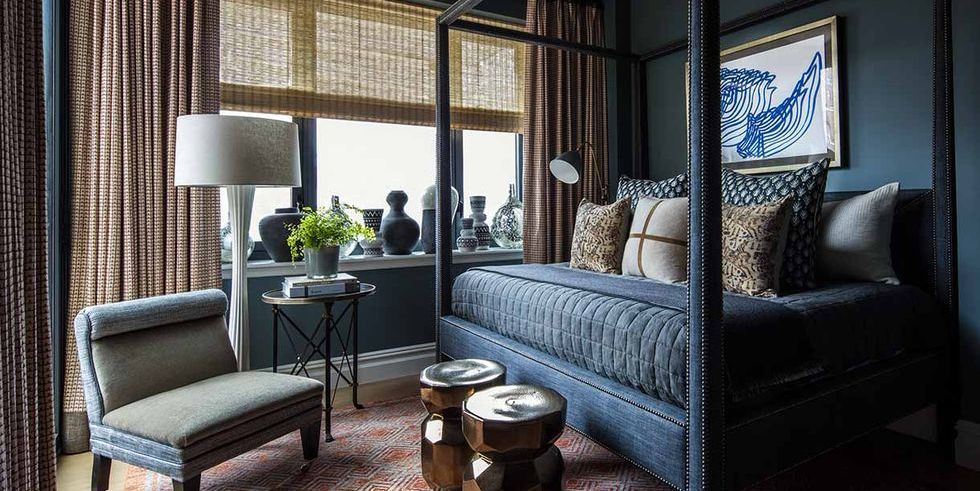

In every home, furniture serves as more than just functional pieces; they are the building blocks of our living experiences. The way we arrange these objects can dramatically influence the atmosphere, functionality, and aesthetic appeal of our spaces. Yet, amidst the quest for style and comfort, one often overlooked consideration is the flow of movement throughout a room. Furniture arrangement is an art that, when done well, enhances the natural rhythm of daily life, allowing us to navigate our homes with ease.In this article, we’ll explore practical tips and creative insights that will guide you in orchestrating a harmonious layout—one that invites engagement and interaction while respecting the natural pathways within your living spaces. By understanding the principles of flow, you can create environments that not only look great but also feel welcoming and intuitive. Join us on a journey to discover how to align your furniture arrangement with the essence of movement, unlocking the full potential of your home.
Understanding Space Dynamics for Furniture Arrangement
Creating a harmonious living space requires an understanding of how furniture interacts with the available room dimensions and flow. To start, it’s essential to visualize the paths that people will take when moving through the space.Consider the entry points, traffic patterns, and how these elements integrate with your furniture layout. To ensure a smooth transition between areas,adhere to the principle of leaving at least three feet of clear space for walkways. This promotes ease of navigation while allowing each zone to breathe. Evaluate the scale and proportion of your furnishings, as oversized pieces can quickly disrupt the flow, causing congestion in your space.
When planning your arrangement, utilize various layout strategies that can enhance both functionality and aesthetics. A few effective options include:
- Symmetrical Layouts – Create balance by placing identical pieces on either side of a central element.
- Conversation Areas – Position seating to encourage dialog by facing sofas and chairs toward one another.
- Multi-Functional furniture – Invest in pieces that serve multiple purposes, such as ottomans that provide additional seating or storage.
Additionally, employing the right visual cues can definitely help define different zones without physically blocking pathways. implement rugs to distinguish areas, and deliberatively use lighting to draw attention to desired focal points, such as artwork or a fireplace. This approach not only enhances the visual flow but also creates a cohesive environment that invites relaxation and interaction.
Identifying Traffic Patterns in Your Living Environment
Understanding the flow of movement within your home is crucial for creating a comfortable and functional living space. Begin by observing how people naturally navigate your environment. take note of high-traffic areas, such as entrances and common pathways, where congestion might occur. Consider the following aspects:
- Entry Points: Identify where guests typically enter and exit.
- Natural Pathways: Look for routes that are frequently used, like from the kitchen to the dining area.
- Activity Zones: Determine areas designated for specific activities, such as reading or watching TV.
Once you recognize these patterns, it’s time to strategize your furniture arrangement. Position larger pieces, like sofas or dining tables, in a way that complements the flow rather than disrupts it.Aim for balance and accessibility by ensuring clear pathways, keeping in mind the ideal distances between furniture.For a better perspective, consider utilizing a simple table that outlines suggested distances:
| Furniture Type | Recommended Clearance (inches) |
|---|---|
| Sofa to Coffee Table | 18-24 |
| Dining Chairs | 30-36 |
| Walking Paths | 36-48 |
Choosing the Right Focal Point for Balanced Layouts
When arranging furniture,selecting a focal point is essential for creating a visually appealing and functional space. A well-defined focal point draws the eye and establishes the room’s purpose, enabling a harmonious flow throughout. Consider the following elements when determining your focal point:
- Fireplaces: Often the heart of the room, a fireplace can set a cozy atmosphere.
- Windows: A stunning view or natural light source can elevate the space.
- Artwork: A dramatic painting or sculpture can serve as a striking centerpiece.
- Furniture Arrangements: Custom configurations can highlight specific areas within a room.
Once the focal point is chosen,the surrounding furniture should enhance rather than obstruct it. Place seating in a way that encourages conversation while maintaining a clear pathway. A few effective approaches include:
- Aligning sofas and chairs: Create an intentional setup that faces the focal point.
- Using area rugs: Define spaces while keeping traffic flow in mind.
- Incorporating multifunctional pieces: Opt for furniture that can adapt—like ottomans that double as tables.
Incorporating Versatile Pieces for Optimal Flow
integrating versatile pieces into your living space can considerably enhance the overall flow and functionality of your home. Choosing furniture that serves multiple purposes helps avoid overcrowding while maximizing utility. for example,a storage ottoman can act as both seating and a place to tuck away blankets or games,ensuring that everything has its designated spot without compromising space. Similarly, consider investing in a convertible sofa that can easily be transformed into a bed for guests, allowing your room to adjust to different needs.
To create an inviting atmosphere, think about the arrangement of these functional items. Strategic placement is key; as an example, avoid putting bulky pieces in high-traffic areas. Instead, try to create visual pathways and maintain an open layout by incorporating elements like:
- Side tables that can be moved as needed
- accent chairs that add style but are easy to shift
- bench seating that can double as storage
To further illustrate how to balance functionality and style, refer to the following table for space-pleasant recommendations:
| Furniture Piece | Functionality |
|---|---|
| Storage Ottoman | Seating + Storage |
| Convertible Sofa | Sofa + Bed |
| Magazine Rack | Storage + Decorative |

Enhancing Accessibility and Comfort in Design Choices
Designing spaces that prioritize accessibility and comfort involves more than just aesthetics; it’s about creating an environment that welcomes everyone. When arranging furniture, consider how each piece contributes to the overall flow of the room. aim for flexibility by incorporating modular furniture and considering wheelchairs and walkers in your layout. This can be achieved by keeping pathways clear and ensuring that essential items are within easy reach. Here are some key principles to keep in mind:
- Clear Pathways: Design routes that allow for easy navigation.
- Functional Zones: Designate areas for specific activities, such as reading or dining.
- ergonomic Details: Choose furniture that is comfortable and accessible for users of varied heights and abilities.
To further enhance the experience, consider the arrangement of furniture in relation to natural light and ventilation. Positioning seating to allow for natural light not only reduces the need for artificial lighting but also promotes a healthier environment. the table below illustrates optimal arrangements based on room type:
| Room Type | Optimal Arrangement | Accessibility Tips |
|---|---|---|
| Living Room | U-shape or circular seating | Ensure two feet of space between pieces |
| Dining Room | Rectangular table with chairs on all sides | Select chairs with arms for support |
| Office | Desk facing entryway with room to move around | Accessible storage within reach |
Key Takeaways
mastering the art of furniture arrangement is more than just an exercise in aesthetics; it’s about creating a space that breathes and flows. By keeping circulation patterns clear and ensuring each piece complements rather than obstructs the other, you can transform your environment into a harmonious haven.Remember to trust your intuition and stay attuned to the rhythm of your space. With a little creativity and mindfulness, you can curate a layout that not only reflects your personal style but also enhances the functionality of your home. So go ahead—reimagine your space, embrace the flow, and let your furniture work in concert to create a welcoming atmosphere for all. Happy arranging!