
In a world where design frequently enough tiptoes around the edges of comfort, it’s easy for a space to fall into the trap of monotony.Gray walls, neutral palettes, and safe decor choices can leave a room feeling uninspired and decidedly dull. But what if there was a bold solution that could breathe new life into your surroundings? Enter color blocking-a striking technique that harnesses the power of contrasting hues to create visual intrigue and dynamic energy. In this article, we’ll explore how to integrate color blocking into your home, transforming even the most lackluster of spaces into vibrant sanctuaries that command attention and evoke emotion. Let’s embark on a colorful journey,where walls are not just barriers but canvases waiting to be brought to life.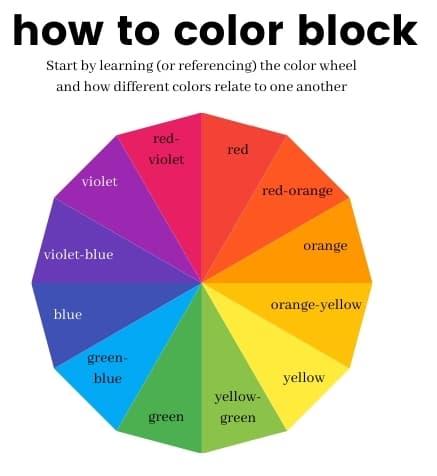
Exploring the Psychology of Color: How Shades Influence Mood and Space
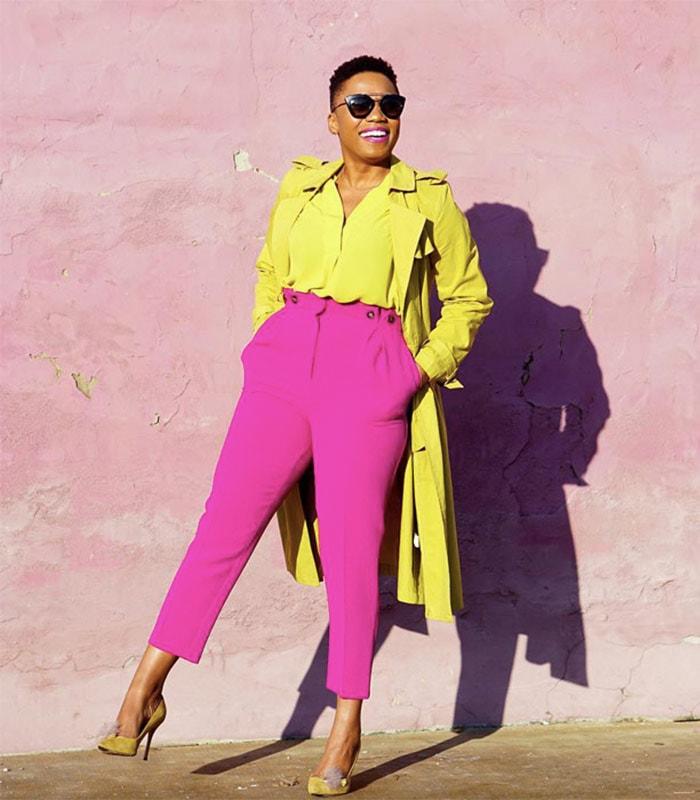
Utilizing color blocking is a transformative way to inject energy and allure into drab environments. By juxtaposing bold hues, you can create a visual dialog that engages the senses and invigorates the space. Consider incorporating contrasting shades such as deep indigo paired with vibrant coral, or a rich forest green alongside a sunny yellow.This method not only breaks up monotony but also directs attention to specific areas or features in the room, subtly guiding viewers’ eyes across the space.
To effectively execute color blocking, it’s essential to choose a cohesive palette that complements the room’s purpose while still expressing individuality. Hear are some tips to get started:
- Identify Focal Points: Select walls or areas that need an attention-grabbing refresh.
- Balance Warm and Cool tones: Mixing colors can create depth and prevent overwhelming the senses.
- Test with Samples: Before committing, try out paint samples to visualize the interaction of colors in natural light.
Below is a simple guide to choosing color combinations:
| Base Color | Complementary Color | Effect |
|---|---|---|
| Soft Gray | Bold Teal | Calm Meets Vibrance |
| Blush Pink | Charcoal Black | Modern Elegance |
| Sunny Yellow | Cobalt Blue | Joyful Energy |
With careful selection and submission, color blocking can redefine any space, turning the mundane into a masterpiece of expressive design. Embrace the power of palette play and watch the atmosphere of your room transform dramatically.
Mastering the Art of Color Blocking: Techniques for Impactful Design
Color blocking is an innovative approach that can transform a monotonous habitat into a visually striking masterpiece.By combining bold hues, you can energize a dull space and create dynamic focal points that draw the eye. To effectively implement this technique, consider the following tips:
- Choose a Base Color: Start with a neutral base to allow brighter colors to pop.
- Complementary Contrasts: experiment with colors from opposite sides of the color wheel for a vibrant effect.
- proportion Play: Balance large blocks of color with smaller, accent areas to avoid overwhelming the space.
- Texture Matters: Incorporate different textures alongside your color blocks to add depth.
To ensure your color blocking strategy is cohesive and impactful, it helps to visualize the combinations beforehand. Create a simple table to plan your color pairing and proportions:
| Color pairing | Proportion | Texture Ideas |
|---|---|---|
| Coral & Teal | 70% Coral, 30% Teal | Matte walls, glossy accents |
| mustard & charcoal | 60% Mustard, 40% Charcoal | Rough plaster, soft fabrics |
| emerald & Blush | 50% Emerald, 50% Blush | Wooden elements, smooth cushions |
Choosing the Right Palette: Harmonizing Bold Colors for Maximum Effect
When diving into the world of color blocking, selecting the right palette is essential to achieve the desired boldness without overwhelming the senses. Start by considering the primary colors that resonate with the mood you aim to create. Complementary colors can work wonders, as they provide sharp contrasts that excite and energize a space. For exmaple, pairing deep teal with a vibrant coral can create a stunning visual dance that draws the eye, while muted shades like sage and dusty rose promote a softer, more harmonious feel. When designing your palette, think about the following:
- Balance: Aim to balance bold hues with neutrals to avoid visual chaos.
- Layering: Introduce multiple shades of the same color for depth.
- Accent Colors: Use small bursts of color to highlight focal points without overpowering.
A practical approach to solidify your design choices is to visualize your palette through a color block chart. This can definitely help in ensuring that your combinations enhance rather than clash. consider creating a simple table to map out your selections, where you can easily see which colors pair well.Here’s a small example:
| Color | Complementary Color | Accent Color |
|---|---|---|
| Mustard Yellow | Teal | Cream |
| Coral Pink | Dark Navy | Gold |
| Emerald green | Plum Purple | Soft Gray |
This structured approach not only aids in decision-making but also allows for easy modifications as you implement your design. By harmonizing bold colors effectively, you can unravel powerful aesthetics that breathe life into any ordinary space.
Strategic placement: Where to Use Color Blocking for Optimal Drama
When considering how to integrate color blocking into your space, the key locations can dramatically enhance the visual appeal and create a striking atmosphere. focus on areas that naturally draw the eye or are often overlooked. Common choices include:
- Accent Walls: Paint one wall in a bold hue to serve as the room’s focal point.
- Furniture: Opt for two-tone pieces, such as armchairs or sofas, to break up monotony.
- Architectural Features: Highlight moldings, railings, or niches with contrasting colors for dimensionality.
Lighting fixtures also provide an amazing prospect for color blocking. Using colored lampshades or paint can create dramatic shadows and reflections that enhance the ambiance. Consider the following areas to apply these ideas:
- ceilings: A bright color on the ceiling can visually lower it, giving an intimate feel.
- trims and Doors: Paint doors or trim in a bold contrasting shade to make them pop against neutral walls.
- Accent Furniture: Side tables or stools in vibrant hues can add functional art to your space.
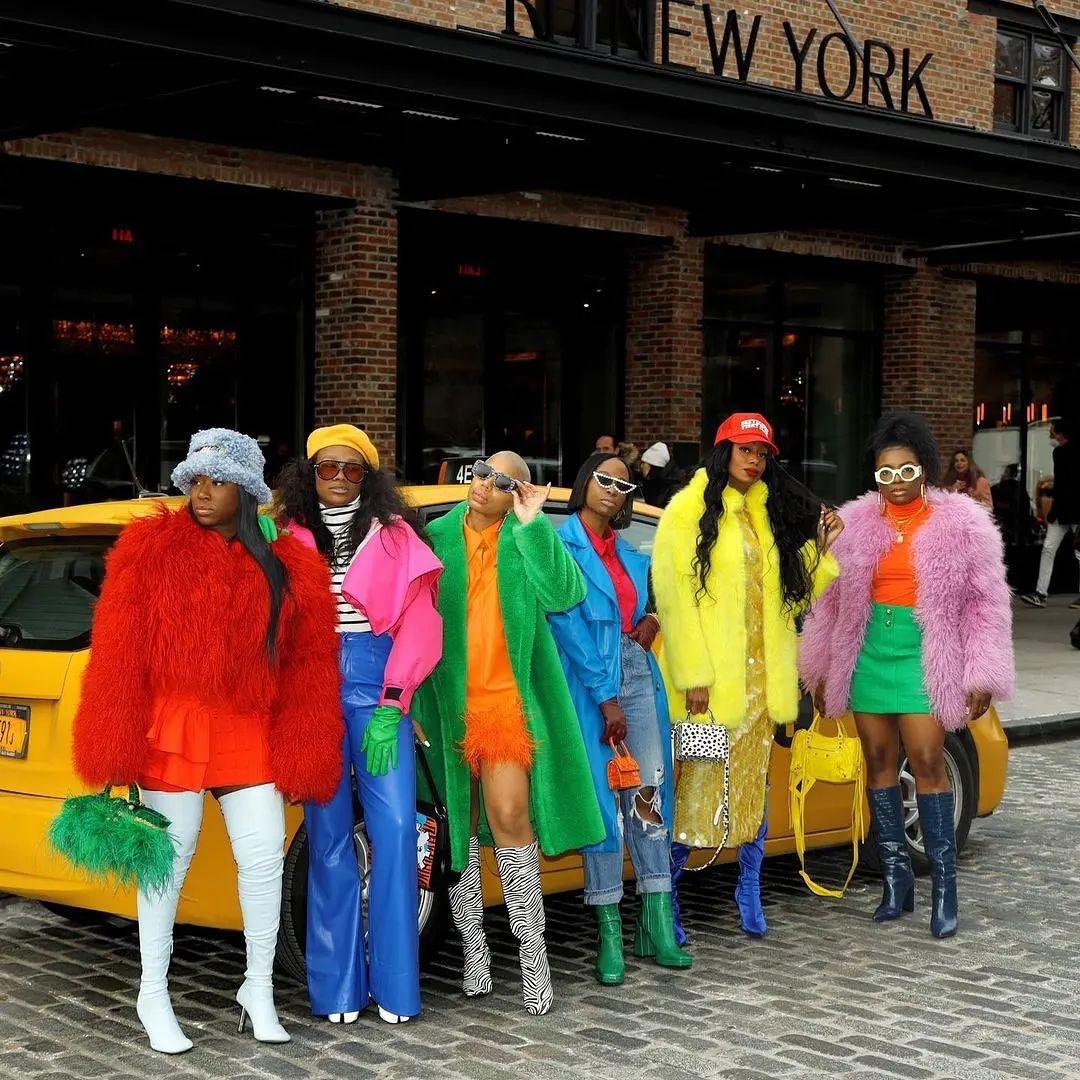
Accessorizing with Intent: Enhancing Color-Blocked Spaces with Textiles and Furnishings
To truly elevate a color-blocked space, consider the strategic use of textiles that echo the vibrant palette. Incorporating items like throw pillows and blankets in contrasting or complementary colors can create a cohesive yet dynamic look within the room.Opt for patterns that invigorate the space without clashing with the primary blocks of color. For example:
| Textile | Color Block Pairing |
|---|---|
| Geometric Throw Pillow | turquoise with soft Coral |
| Textured Knit Blanket | Mustard Yellow with Deep Blue |
| Floral Patterned Rug | Lavender with Olive Green |
Furnishings also play a crucial role in this visual strategy. Choose furniture pieces that echo your chosen colors, be it through upholstery or finishes. Incorporating metallic accents, such as gold or chrome, can add a sophisticated touch while reflecting light and enhancing the vibrancy of the color blocks. Consider items like:
- Accent Chairs in bold fabrics
- Side Tables that feature geometric shapes
- Bookcases painted in one of your primary colors
By thoughtfully blending textiles and furnishings that resonate with your color-blocking motif, you can transform an uninspiring area into a captivating space filled with character and charm.
In Conclusion
color blocking offers a vibrant and dynamic way to transform a dull space into an engaging visual experiance. By daring to mix bold hues and creative patterns, you can inject personality and drama into any room, turning it from mundane to memorable. Remember, the key lies in balancing colors and considering the emotions they evoke. So, gather your palette, unleash your creativity, and let color blocking be the brush that strokes life into your walls. With a little imagination and a splash of color,a boring space can become a lively sanctuary that reflects your unique style and vision.Happy decorating!