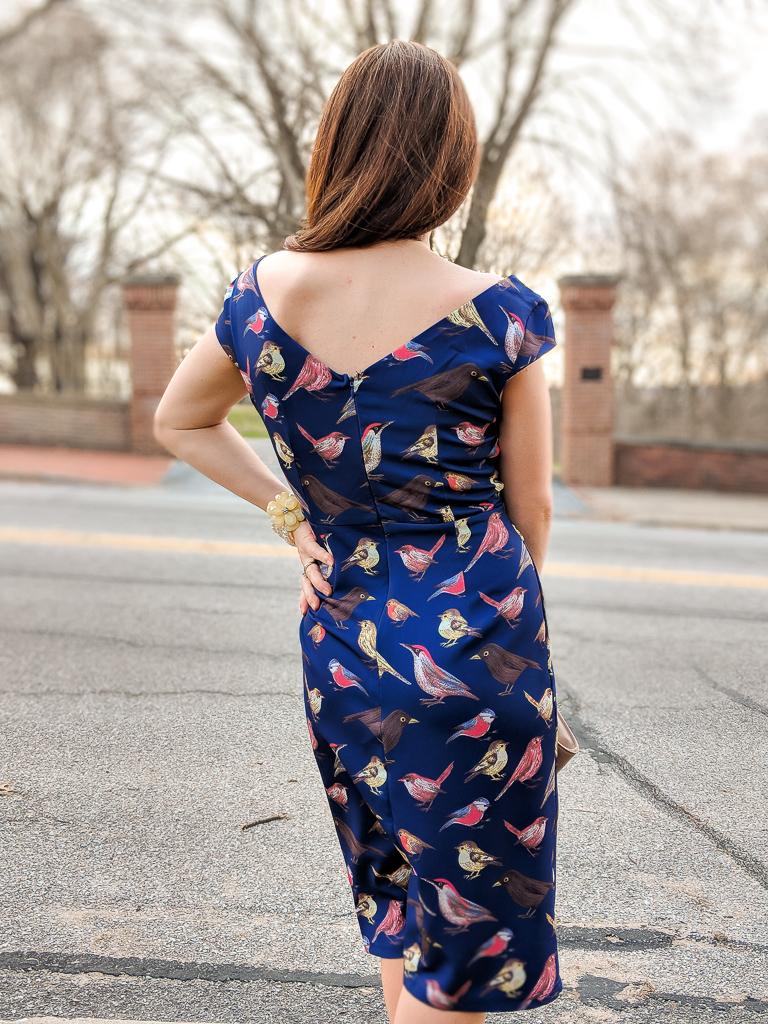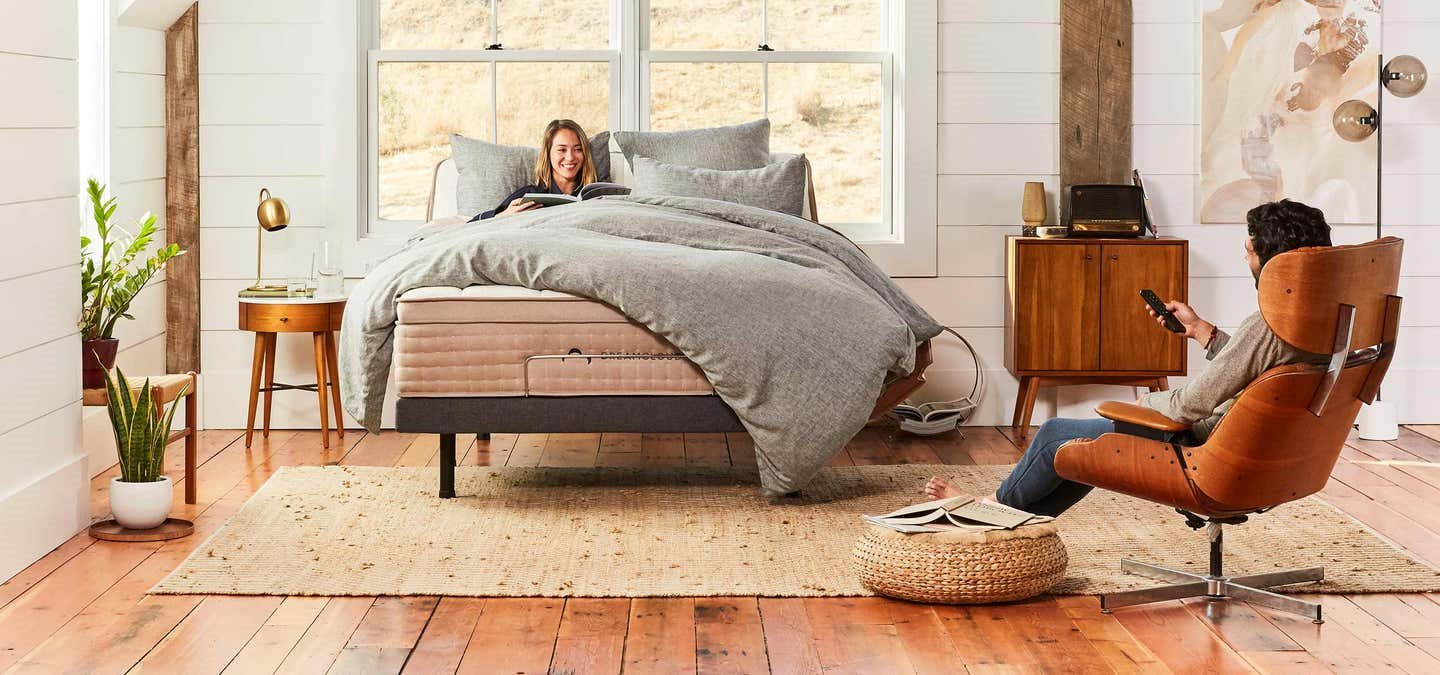

Bold prints can feel like a dare: dramatic patterns, saturated colors and high-contrast motifs crowd the creativity with the possibility of either a dazzling statement or an exhausting visual battle. The good news is that mixing bold prints doesn’t have to be an all-or-nothing gamble. When approached with intention-considering scale, color harmony, and rhythm-prints can converse rather than compete, layering personality into a room without swallowing it whole.Think of a well-edited outfit or a carefully arranged playlist: a few striking elements set the tone while quieter companions keep the composition readable. The same principles apply to interiors.By balancing large-scale patterns with smaller motifs,anchoring exuberant fabrics with neutral textures,and repeating color threads across surfaces,you can create a space that feels lively and composed at once. This article will walk through those ideas, helping you combine bold prints in ways that enliven a room rather than overwhelm it.
Limit the palette and repeat key colors to create instant cohesion
Think of the room like a movie set: when the cast wears a coordinated palette, every character – even the wildest pattern – feels purposeful. Pick a small family of hues (aim for two to three mains and one punchy accent), then let those tones return in different textures and scales so the eye reads variety as harmony. Anchor heavy prints with a solid in a matching shade, and use the accent sparingly to create rhythm rather than chaos.
- Anchor: a large, neutral or deep tone that grounds the room (sofas, rugs).
- Echo: pull a shared color through cushions, lampshades, and art.
- Vary scale: mix one large motif, one medium, and one small repeat to avoid visual conflict.
- Limit accents: one bold color repeated in small doses unifies without tiring the eye.
Make repetition your secret weapon: scatter that chosen accent in tiny bursts-trim, piping, a single vase-so patterns feel deliberately related. Balance is everything, so pair busy prints with calm, textured solids and let your recurring colors guide the flow. Use the rapid reference below when planning placements to ensure each print speaks the same visual language.
| Color Role | Where to Place | Effect |
|---|---|---|
| Anchor | Sofa, rug, cabinetry | Stabilizes bold prints |
| Shared Hue | Cushions, curtains, artwork | Creates visual ties |
| Accent | Accessories, small decor | Adds punch without clutter |
Vary scale and density so large motifs pair comfortably with delicate patterns
give oversized prints room to breathe so they read as intentional statements instead of noise. Use expanses of neutral or low-contrast color to create visual rest around a hero motif, and echo that motif’s colors in smaller, more controlled patterns elsewhere to knit the scheme together. Think of scale like a conversation: one loud voice and several softer ones-when you let the large pattern lead, the delicate prints can answer without shouting.
- Anchor a bold motif with a solid or tonal backdrop to reduce visual competition.
- Repeat a color from the large print in a fine-scale pattern to create cohesion.
- Vary density: dense small prints work best near calm, open areas; sparse prints can sit beside busy motifs.
- Use one oversized element per sightline-then layer delicate textures to add interest.
Control perceived clutter by spacing patterns across different visual planes-ceilings, rugs, upholstery and accessories-so each has its own stage. Try the scale-contrast trick: pair one prominent motif with two or three lighter, smaller patterns and a neutral field. This creates rhythm and prevents any single area from feeling overwhelmed while still allowing a bold print to shine.
| Large Motif | delicate Pairing |
|---|---|
| Oversized floral | Micro-pinstripe or tiny ditsy print |
| Broad geometric | Thin herringbone or small dots |
| Bold ikat | Faint tonal check or narrow stripe |
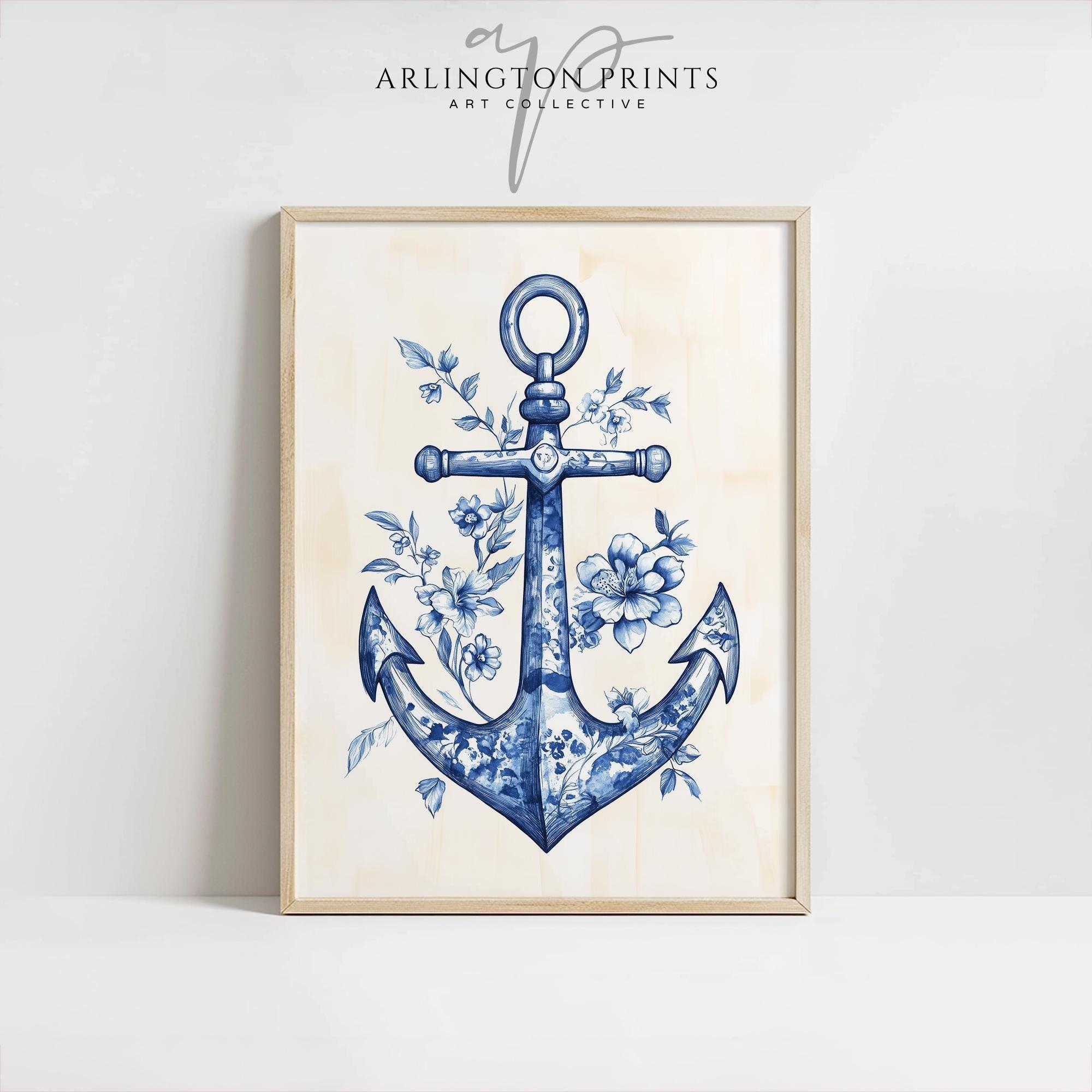
Anchor busy prints with solids textures and sculptural furniture
Ground loud patterns by pairing them with quiet solids and tactile surfaces so the eye has a place to rest. Think of solids as the stage for the show: a nubby wool rug, a linen sofa in a muted tone or a sculptural side table will steady a room full of prints. Vary the scale-let one large patterned piece read as the lead, then flank it with solid, textured elements that echo a single color from the print. This creates cohesion without muting personality, and the physical texture prevents the space from feeling flat even when colors stay restrained.
Try simple rules to keep things calm yet lively:
- Limit the palette to 2-3 recurring hues.
- use one sculptural piece (a chair, lamp or table) as a visual anchor.
- mix a matte, tactile solid with glossy or printed surfaces for contrast.
- Leave negative space around busy areas so patterns can breathe.
| Pattern | Solid texture / Sculptural furniture |
|---|---|
| Large floral | Bouclé sofa - warm cream |
| Graphic geometrics | Hand-rubbed oak console |
| Small ditsy print | Velvet accent chair – deep teal |

Choose a dominant pattern and layer complementary motifs through rhythm and echo
Anchor the room with one confident print and let everything else play a supporting role. pick the pattern you want to be the protagonist - think of it in terms of scale (large, bold, graphic) – then introduce complementary motifs that respond to it rather than compete. Use rhythm by repeating a single color or shape at regular intervals, and rely on echo to subtly remind the eye of the main print: a cushion, a trim, or a lampshade that whispers the primary color will tie diverse patterns together.
- Scale contrast: large main print + small supporting motifs
- Color echo: repeat 1-2 hues across fabrics
- Rhythm: alternate busy and quiet surfaces
Think of pattern mixing like composing a melody - one theme carries the tune while others harmonize in rhythm and echo. Place your dominant print in a primary location (sofa, rug, wallpaper) and scatter complementary motifs around it, keeping a consistent tempo with spacing and proportion.
| role | Scale | Placement |
|---|---|---|
| Dominant | Large, graphic | Sofa, rug, accent wall |
| Supporting | Medium, structured | Curtains, throw blankets |
| Accent | Small, dotted or linear | Cushions, lampshades, trim |
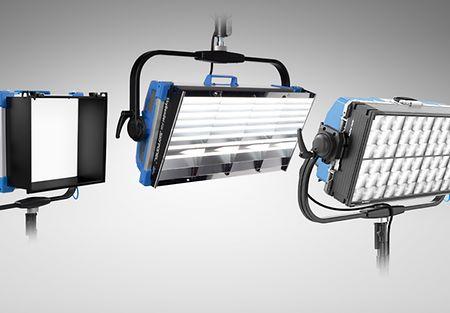
Finish with lighting and edited accessories to keep the space calm and curated
Layer light like you layer patterns: start with a soft, warm overhead on a dimmer, then add targeted pools of glow so prints read as intentional accents instead of visual noise.Think of lighting as choreography – a recessed wash to settle the wall, a reading lamp to anchor a corner, and subtle LED strips behind shelving to lift heavy patterns.
- Dimmers: instant calm, infinitely adjustable.
- Warm temperature bulbs: mellow the contrast between prints.
- Task lamps: create pockets of focus.
- concealed LEDs: outline shapes without competing with pattern.
Keep accessories edited and disciplined: fewer pieces with a consistent finish will let bold prints breathe. Choose a small number of items in matte metals or natural wood, repeat a single color or texture, and resist the urge to fill every surface.
| Item | Why it calms |
|---|---|
| Neutral vase | breaks pattern contrast |
| Single framed print | creates a quiet focal point |
| Textured throw | adds warmth without a competing motif |
In Summary
Think of mixing bold prints like composing a room-sized piece of music: a few confident notes, repeated motifs, and plenty of rest between phrases create a composition that feels intentional rather than chaotic. By balancing scale, limiting your palette, anchoring patterns with solids, and editing as you go, you give each print room to breathe and the whole scheme permission to sing.
Start small, trust the rules as guidelines rather than strict laws, and let the space evolve. With a light hand and a clear eye, bold prints become a tool for personality instead of a source of overwhelm-an invitation to make the room unmistakably yours.