
A staircase is more than a way to move between floors; it’s a vertical stage that can set the tone for the entire home. Whether tucked into a cozy cottage or anchoring an open-plan loft, the right staircase balances function and flair, guiding sightlines, shaping circulation, and offering unexpected opportunities for style.
This article walks through practical, design-forward ideas to turn that everyday element into a focal point. From material choices and lighting tricks to railing details, storage solutions, and artful accents, you’ll find approachable ways to elevate your stairs without sacrificing comfort or safety. Read on to discover how small changes and thoughtful decisions can make your staircase the star that quietly pulls the whole house together.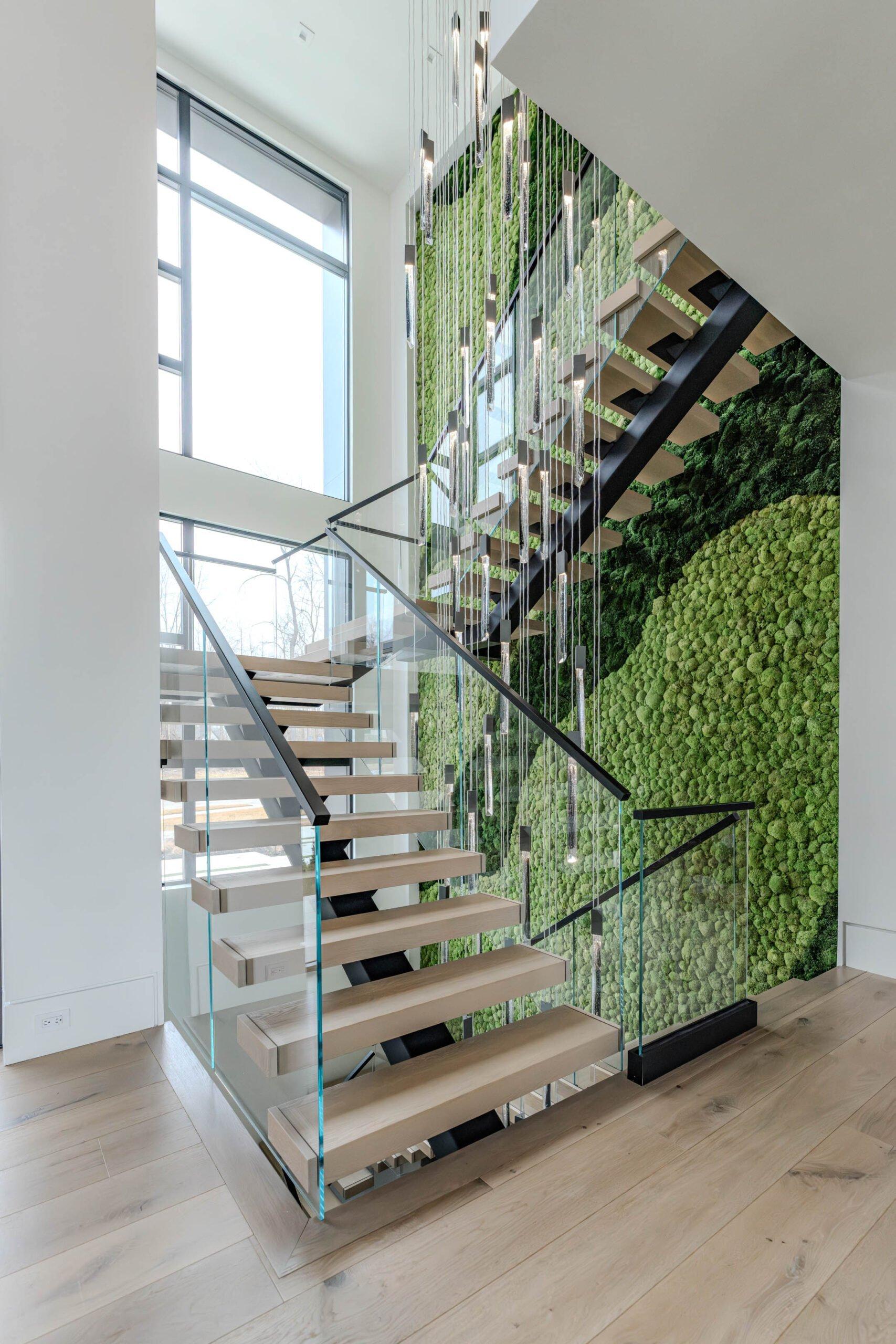
Transform the Structure into a Statement: Design Principles for Scale,Proportion and Flow
Think of the staircase as a piece of architecture that speaks before anyone reaches the top: every landing,stringer and baluster must answer a simple brief-be seen,be pleasant,and guide the eye. Start with the fundamentals of scale and proportion and let them dictate material choices:
- Balance: pair heavy treads with lighter railings to avoid visual top-heaviness;
- Proportion: maintain humane riser-to-tread ratios so the ascent feels effortless;
- Rhythm: repeat materials or lines to create a steady visual tempo up the flight;
- Sightlines: carve views at landings and turns to keep the staircase part of the home’s story.
These are not rules to constrain creativity but tools to shape a staircase that belongs to its space.
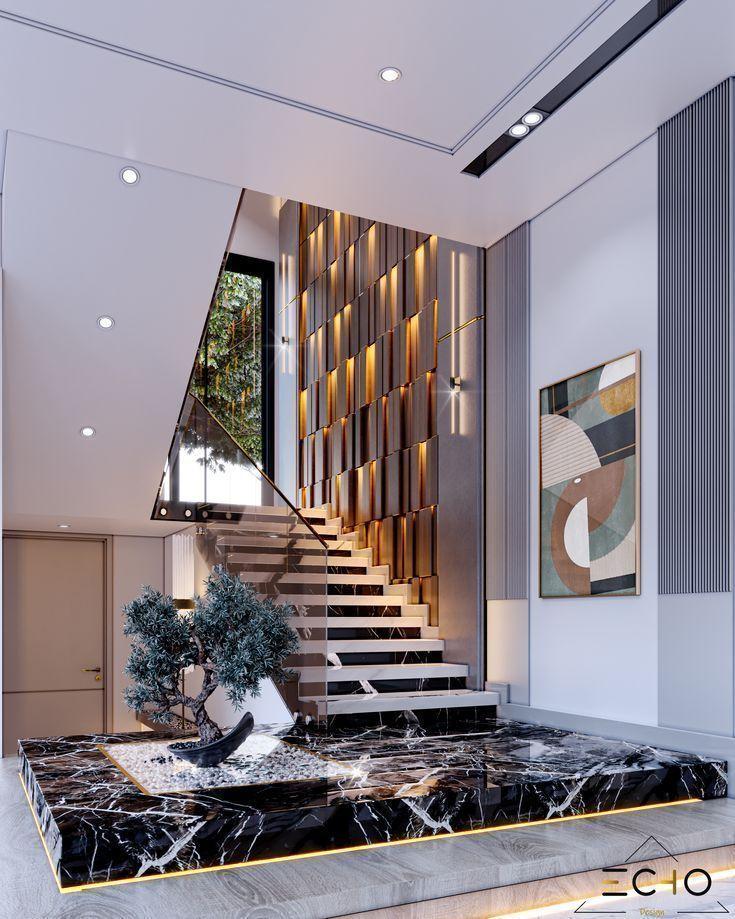
Materials and flow turn those rules into personality: a slim metal stringer can make a compact stair feel airborne, while warm timber treads anchor a double-height foyer as an inviting spine. Use the rise-to-run relationship to choreograph movement, and introduce lighting and handrail profiles to control pace and shadow.
| Space | Design Move |
|---|---|
| Small foyer | open risers + glass balustrade |
| Grand hall | Wide treads + sculptural newel |
| Narrow corridor | Floating treads + pale finish |
When proportion, scale and flow work together, the staircase stops being a connector and becomes the home’s most eloquent statement.
Elevate Each Step: Selecting Treads, Risers and Railings That Read as Art
Think of every step as a brushstroke: the tread sets the stage while the riser can whisper or shout. Pair warm, open-grain wood treads with a painted or mirrored riser to create depth, or juxtapose matte stone steps against glossy vertical faces for a sculptural cadence. Use bold contrasts sparingly to avoid visual fatigue – a singular accent riser or an unexpected material change every third step reads like punctuation, guiding the eye up and making movement feel intentional. Keep practicality in mind too: durability, grip, and acoustic behavior should inform material choices as much as aesthetics.
- Contrast – defines rhythm and focal points.
- Texture – invites touch and reduces slips.
- Scale – thin treads feel light; chunky treads feel monumental.
- Light – integrated LEDs turn profiles into lines of art.
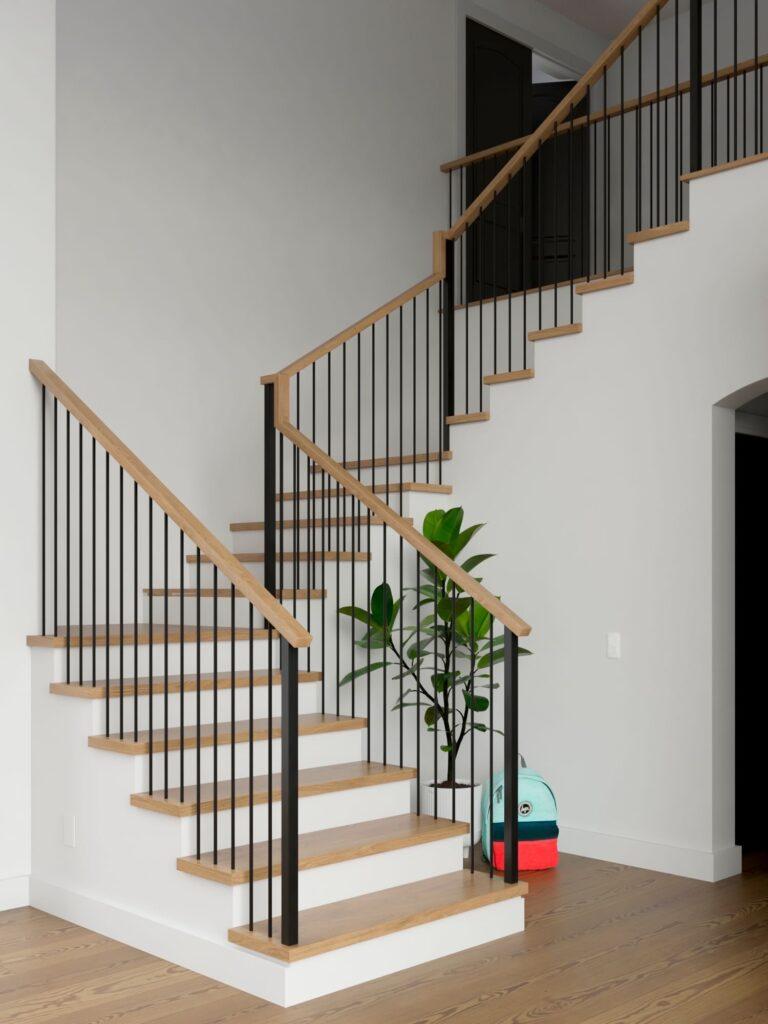
Railings are the sculpture that completes the composition: thin steel cables, blown glass panels, or a carved timber handrail each lend a different mood, from industrial precision to warm craftsmanship. Consider the negative space they create as actively as their material - an open balustrade can celebrate the architecture, while a solid guard can frame an architectural tableau. Balance safety and style by prioritizing code compliance and comfortable handhold dimensions; a well-chosen handrail feels inevitable, like the final brushstroke that makes the whole piece sing.
| Material | Visual | Best for |
|---|---|---|
| Oak treads | Warm, tactile | Traditional to modern homes |
| Glass & steel | Light, minimal | Open-plan, contemporary |
| Polished stone | Monumental, reflective | Entry halls, dramatic lifts |
| Painted risers | Graphic, playful | Accent and pattern |
Light the Path: Layered Lighting Techniques to Highlight Texture and Movement
Think of lighting as choreography: layers that work together to reveal the grain of wood, the roughness of stone, and the graceful arc of a handrail. Start with ambient glow to set the stage-soft cove lights or recessed fixtures that wash the stairwell in even light. Then add grazing accent lights close to textured walls to exaggerate shadows and bring surfaces to life, and smaller task lights (step lights, under-tread strips) to punctuate each riser and guide movement. small touches can make a big difference:
- Ambient: recessed cans, cove, or pendant clusters for overall balance
- Accent: wall washers, adjustable spotlights, or grazing LEDs for texture
- Task: stair-nose LEDs, toe-kicks, or integrated tread lights for safety and rhythm
A layered scheme also controls how the eye travels-use warmer temperatures to cozy the lower landing and slightly cooler light above to suggest elevation and motion. Include dimmers and scenes so the same fixtures can be bold for guests or subtle for late-night trips. Rapid practical tips:
- Mix direct and indirect sources to avoid glare.
- Stagger pendant heights to echo the staircase’s flow.
- Match beam angles to the architectural lines to emphasize movement.
| Fixture | Placement | Effect |
|---|---|---|
| Wall washer | Along banister wall | Highlights texture |
| Under-tread LED | Hidden under each step | Defines motion |
| Cluster pendant | Above landing | anchors space |
Materials and finishes That Command Attention: Wood, Metal, Glass and Unexpected Combinations
think of your staircase as a composition of materials: wood brings warmth and grain that anchors the home, metal introduces sculptural lines and structure, and glass lets light travel up and down, making the whole space feel larger. Pairing these elements deliberately-like warm oak treads on a slim steel frame or a floating glass balustrade clipped with brass fittings-creates visual tension that draws the eye. Subtle surprises-an inlaid terrazzo riser, a matte-black handrail, or a leather-wrapped newel-turn everyday movement into a moment of discovery.
- Reclaimed oak + blackened steel – rugged warmth with modern edge
- Walnut treads + glass panels – rich depth and lightness
- Polished brass accents + frosted glass – refined, unexpected luxe
- Concrete steps + timber nosing – brutalist base softened with touchable wood
Finishes and textures are where personality lands: a satin finish hides fingerprints but lets grain sing, while a hand-rubbed oil finish deepens color and invites touch. Metals can be brushed, powder-coated, or patinated to change their personality and maintenance needs, and glass can be clear, frosted, or tinted to control privacy and glare. Consider how light, shadow and daily use will age each surface-choose finishes that celebrate wear rather than hide it, and use contrasting textures to emphasize form.
- Matte – contemporary,reduces reflections
- Satin – forgiving,elegant for wood and metal
- Clear oil – tactile,enhances grain
- Powder coat - durable color for metal frameworks
| Material Pairing | Mood | Best Finish |
|---|---|---|
| Oak + Black Steel | Warm Industrial | Oil + Matte Black |
| Walnut + glass | Modern Elegant | Satin lacquer + Polished Chrome |
| Concrete + Timber | Minimalist Contrast | Sealed Concrete + Raw Oil |
Functional Styling: smart Storage, Safety Solutions and Seasonal Accents to Keep the Focus
Think of the stairwell as a stage where practicality takes the lead: tuck drawers into risers, slot slim shoe trays under the bottom step and fit narrow cubbies into the side stringer so clutter disappears without stealing the view. Add subtle, integrated features that protect and perform - low-profile LED strips beneath each tread, textured nosing for grip, and a discreet child‑safe latch that blends into the newel post. Smart storage and
Seasonal touches should be whispers, not shouts: swap a single runner, change a cushion on a landing bench, or drape a lightweight garland for holidays to refresh the mood without overpowering the architecture.Try these quick switches for maximum impact with minimal fuss:
- Spring: a woven runner and potted herbs on the landing
- Autumn: warm-toned runner and a slim basket for throws
- Winter: soft LED garland and non-slip stair treads
- Summer: airy textiles and a minimalist plant cluster
| Season | accent | quick Tip |
|---|---|---|
| Spring | Woven runner | Choose washable fibers |
| Autumn | Textured runner | Anchor with non-slip pad |
| Winter | LED garland | Use low-heat, dimmable lights |
rotate thoughtfully so each update highlights the staircase’s form and function rather than competing with it.
Concluding remarks
A staircase can do more than connect floors – it can anchor a room, reflect your taste and quietly guide the eye. By balancing materials,lighting,rail details and proportion with practical concerns like safety and budget,you can turn a functional element into a considered centerpiece without overwhelming the rest of your home. Whether you choose a subtle update or a full remodel, keep the surrounding architecture and your everyday needs in mind so the design feels both intentional and livable. the most triumphant staircases are the ones that look like they’ve always belonged – offering a graceful path between levels while telling a bit of your story.