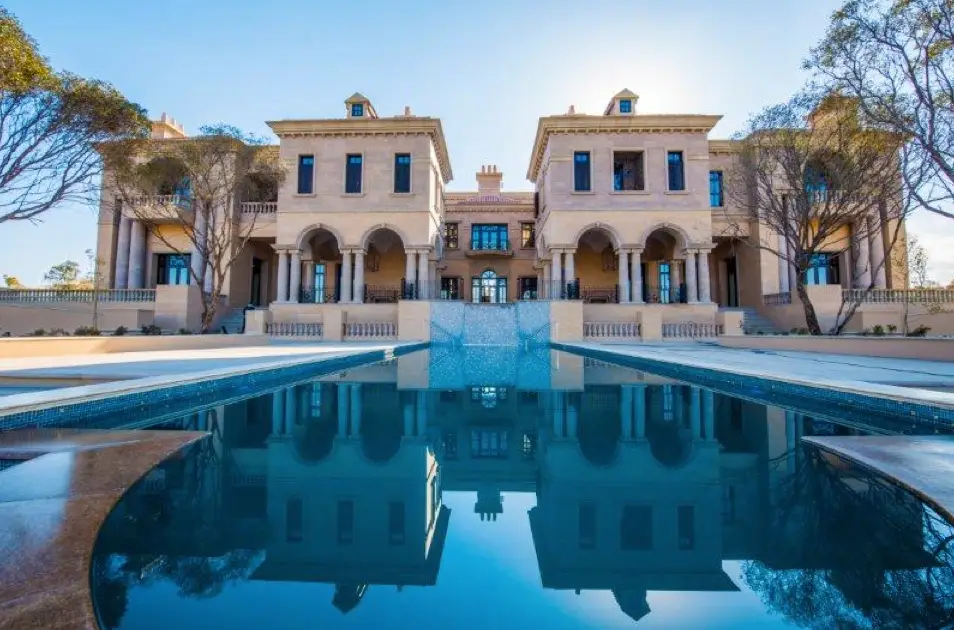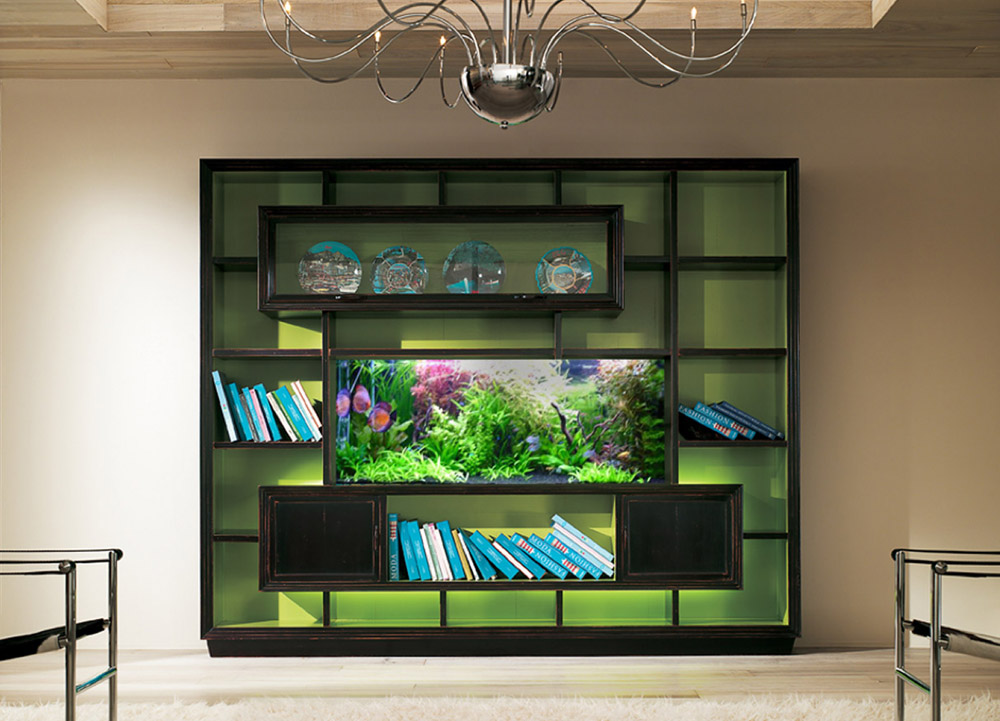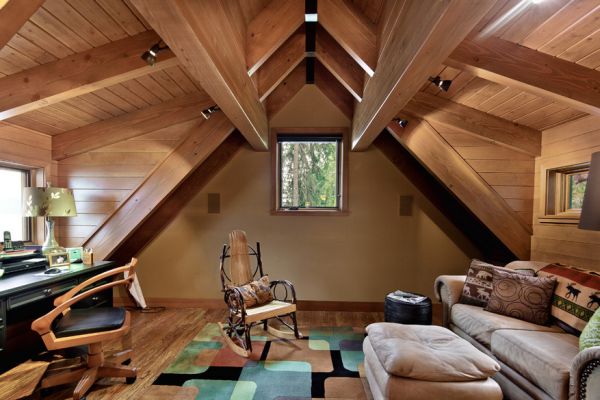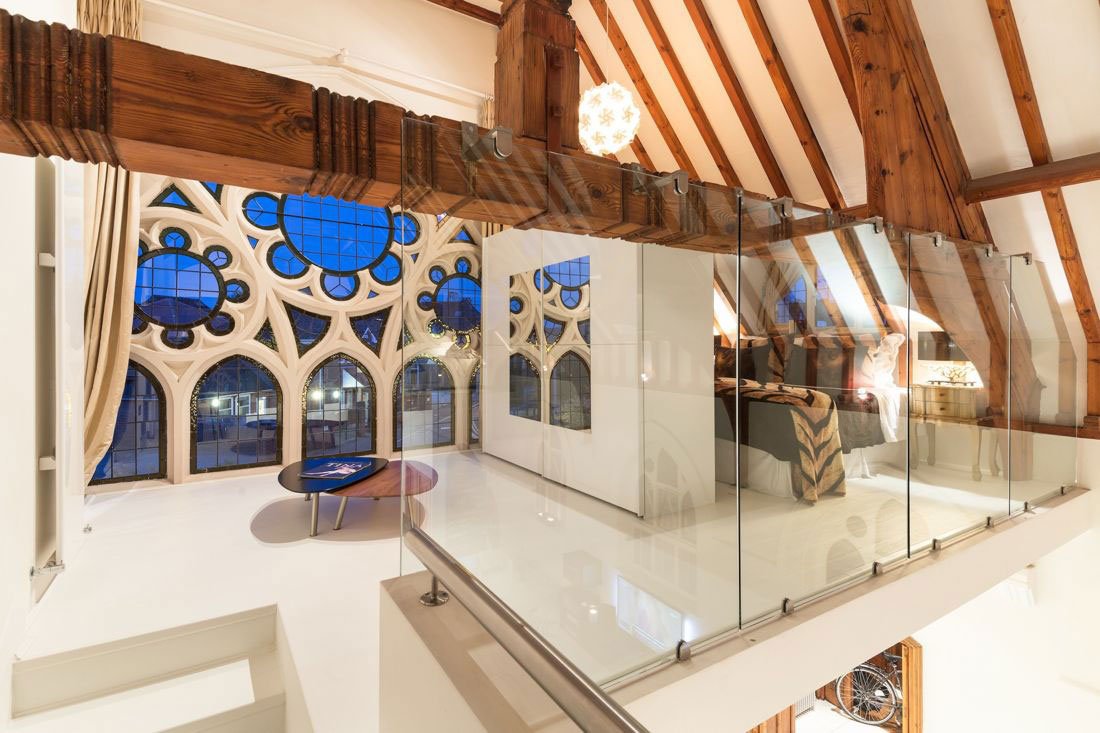

in the dance between structure and nature, light plays a leading role. Architects and designers have long grappled with the challenges posed by the sun’s unpredictable journey across the sky, often viewing it as an adversary to be tamed. but what if, instead of resisting its influence, we embraced it? The concept of designing around natural light invites a transformative shift in perspective, urging us to consider the sun not as a foe, but as a vital collaborator in creating spaces that nourish, inspire, and rejuvenate. In a world where energy efficiency and well-being are paramount,this approach explores the harmonious integration of natural illumination into our built environments.Whether it’s the subtle warmth of morning rays filtering through expansive windows or the dramatic shadows cast by the setting sun, harnessing natural light can redefine how we experience our surroundings, fostering a deeper connection between the inside and the outside. Join us as we explore the principles, benefits, and innovative strategies behind designing spaces that not only complement but celebrate the ever-changing tapestry of natural light.
Embracing Sunlight: Benefits of Natural Light in Interior Spaces
Natural light has a remarkable ability to transform interior spaces, creating an ambiance that is both welcoming and invigorating. By harnessing the sun’s rays, homeowners can reduce reliance on artificial lighting, leading to energy savings and a smaller carbon footprint. This shift not only promotes lasting living practices but also enhances the overall aesthetic of a space. The interplay of light and shadow can highlight architectural features, making a room feel more dynamic and alive.Additionally, exposure to natural light has been linked to improved mental well-being, boosting moods and fostering creativity.
Integrating sunlight into design requires thoughtful planning and consideration of various elements within the space. here are some effective strategies to embrace and maximize natural light:
- Large Windows: Incorporate expansive windows or glass doors to create seamless transitions between indoor and outdoor environments.
- light Colors: Use a palette of soft, light colors for walls and furnishings to reflect and amplify sunlight.
- mirrored Surfaces: Incorporate mirrors or reflective materials to bounce light around the room, enhancing brightness.
- Translucent Curtains: Opt for sheer window treatments that allow light to filter in while maintaining privacy.
Architectural Strategies for Maximizing Daylight exposure
Harnessing the power of natural light requires a thoughtful approach to architectural design. Positioning windows strategically can create a balanced interplay of light and shadow, enriching the interior experience. Consider these elements when designing spaces:
- Orientation: Aligning structures to maximize sunlight exposure throughout the day.
- Window Size and Placement: Utilizing larger windows on the south side while minimizing openings on the north can optimize light entry.
- Reflective Surfaces: Implementing materials that can reflect and distribute daylight, enhancing brightness while reducing glare.
Moreover, integrating overhangs and light shelves can control the angle and intensity of sunlight, providing shade and reducing heat gain. The incorporation of skylights can bring natural light to or else dark spaces,creating a seamless connection to the outdoors. Here’s a simple comparison of advantages:
| element | Benefits |
|---|---|
| Overhangs | Blocks direct sunlight during summer,allowing for passive cooling. |
| Light Shelves | Reflects light deeper into the room, providing even illumination. |
| Skylights | Transforms dark spaces, enhancing mood and reducing reliance on artificial lighting. |

Color and Material Choices that Enhance Natural Illumination
Choosing the right colors and materials can profoundly influence how natural light is experienced within a space.Lighter shades and reflective surfaces have a remarkable ability to amplify the amount of natural light, creating an airy and open atmosphere. For walls, consider soft hues like pale whites, light grays, or pastel tones that invite sunlight to bounce around. In addition, glossy finishes on trims and moldings can create a subtle shimmer, further enhancing the luminosity. Complementing these wall colors with natural materials like wood, bamboo, or hemp adds warmth and texture while maintaining a light-filled environment, creating a harmonious balance between a shining ambiance and earthy undertones.
when selecting furnishings, focus on pieces that incorporate translucent fabrics for curtains and light-colored upholstery. These choices facilitate the diffusion of sunlight while maintaining privacy. For flooring, lighter woods or ceramic tiles can reflect rather than absorb light, contributing to a brighter feel. To illustrate effective combinations, consider the following table that showcases harmonious color and material pairings:
| Wall Color | Material | Effect |
|---|---|---|
| Pale Blue | Natural Wood | Inviting and serene |
| Soft White | Bamboo Shades | Bright and airy |
| Warm Beige | Light Stone Tiles | cozy yet spacious |

Creating Flexible Spaces That Adapt to Changing Light conditions
Incorporating dynamic design elements that respond to natural light can transform a space into a haven of adaptability and comfort. Consider utilizing large windows or skylights to invite daylight in, creating a seamless transition between indoor and outdoor environments. This connection not only enhances the aesthetics but also encourages a healthier atmosphere, as occupants can witness the changing scenery throughout the day. Additionally, integrating adjustable shading mechanisms or light-diffusing materials can help modulate light intensity, allowing spaces to feel cozy during dusk and vibrant at noon.
Furniture choices play a vital role in crafting flexible environments that adjust to varying light conditions. Opt for mobile furnishings that can be easily rearranged, allowing each area to capture or diffuse light per the time of day. Here are some suggestions for creating a versatile layout:
- Modular sofas that can be split or combined
- Moveable partitions for privacy or openness
- Foldable tables that adapt to group sizes
Moreover, it is essential to focus on color schemes that interact harmoniously with natural light. Light-reflecting materials, such as:
| Material | Light Effect |
|---|---|
| Mirrored surfaces | Enhance natural light |
| Bright whites | Add vibrancy |
| Pale pastels | Soften glare |
By thoughtfully combining these elements, spaces can evolve with the ebb and flow of natural light, welcoming a dynamic lifestyle that nourishes both well-being and creativity.

Sustainable Practices for Balancing Natural Light and Energy Efficiency
Incorporating sustainable practices into architectural design means embracing natural light as a key component of energy efficiency. By strategically positioning windows, skylights, and reflective surfaces, buildings can maximize daylight infiltration while minimizing reliance on artificial lighting. Key strategies for designers might include:
- Utilizing passive solar design principles
- Implementing light shelves to diffuse sunlight
- Incorporating dynamic glazing that adjusts to changing light conditions
To further enhance energy efficiency, careful consideration of materials and building orientation plays a vital role. The following table outlines some effective materials and their benefits in sustainable designs:
| Material | Benefit |
|---|---|
| Triple-glazed glass | Reduces heat loss and enhances insulation |
| Solar-reflective roofing | Minimizes heat absorption, lowering cooling costs |
| Recycled materials | Reduces environmental impact while promoting sustainability |
Key Takeaways
as we conclude our exploration of designing around natural light, it’s clear that embracing rather than resisting this vital element can transform spaces in profound and meaningful ways. From the warm glow of morning sunshine to the soft hues of twilight, natural light has the power to influence mood, enhance productivity, and create a sense of connection to the environment. By incorporating thoughtful architectural elements, using reflective surfaces, and strategically placing windows and skylights, we can harmonize our living and working spaces with the rhythms of nature.
In a world that frequently enough prioritizes artificial illumination, it’s a breath of fresh air to return to the basics, allowing sunlight to become a guiding partner in our design choices. As we look to the future, let us remember that the best designs do not merely inhabit a space; they breathe life into it. So, as you plan your next project, consider how natural light can be your ally, illuminating not just your interiors but your creativity, connection, and well-being. After all, the sun has been a source of inspiration for centuries-it’s time we let it shine in our designs.