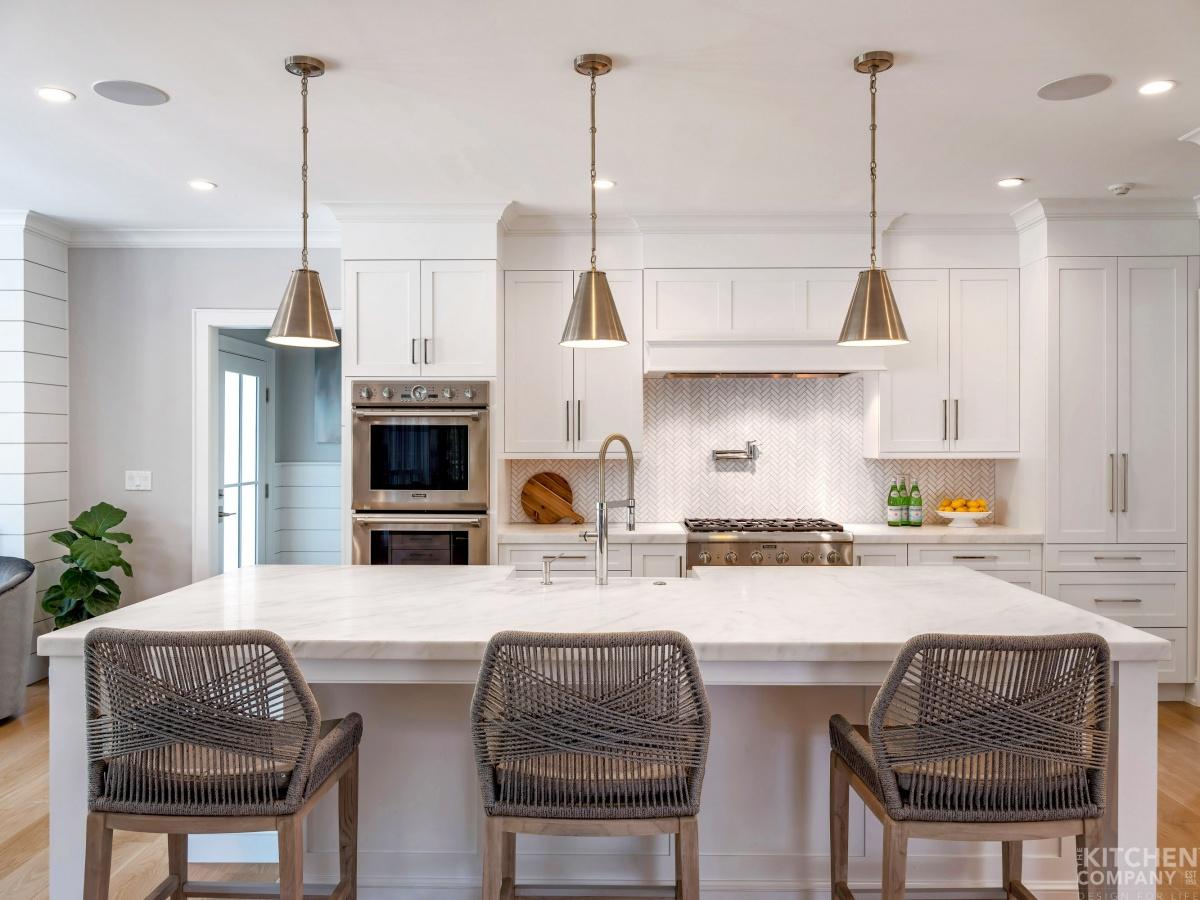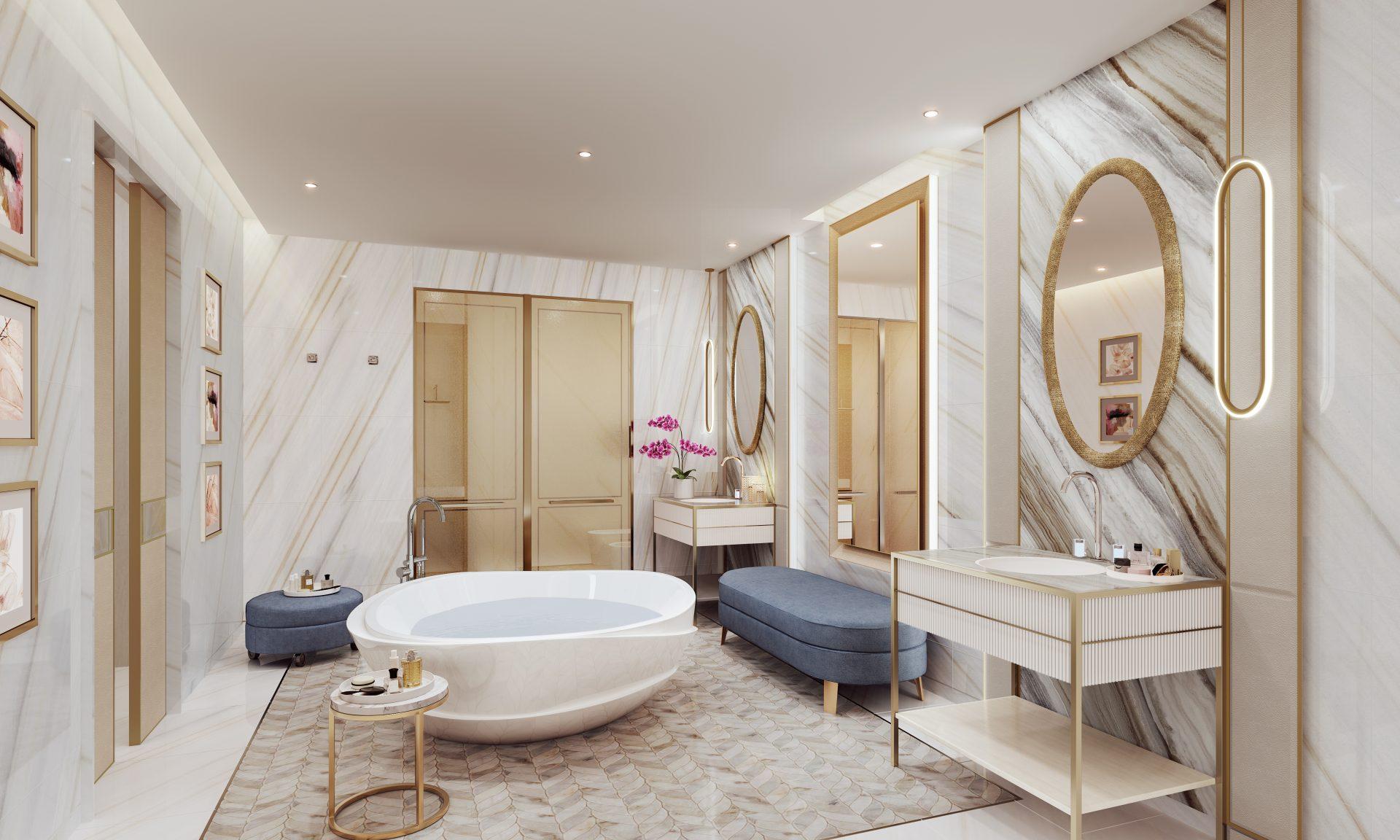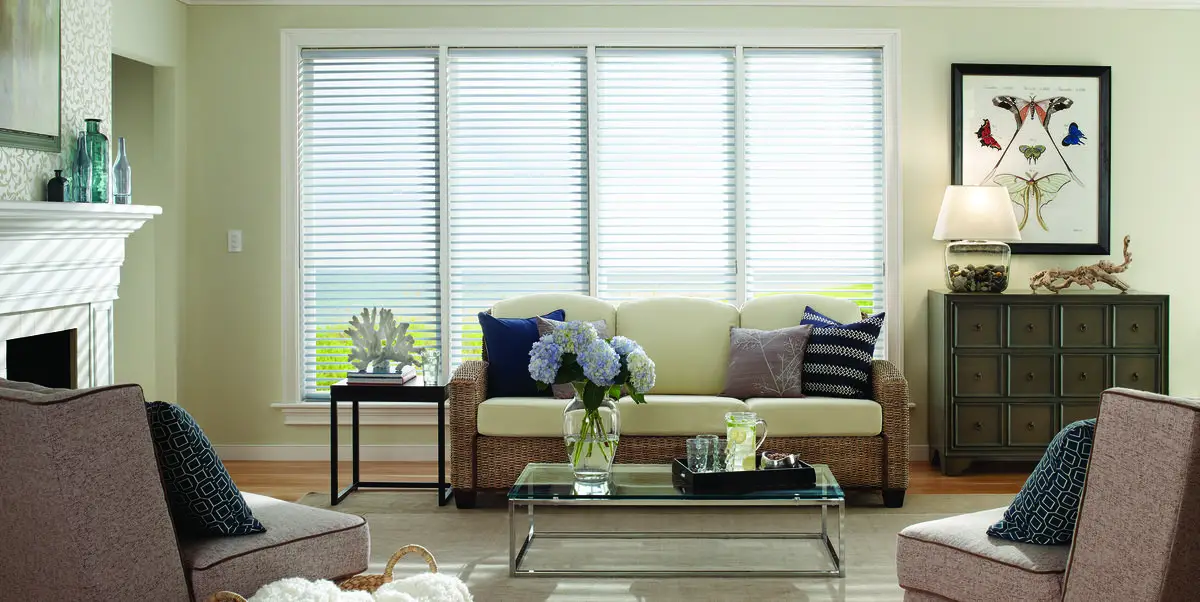

In a world increasingly dominated by screens and digital interactions, the importance of engaging all five senses in design has never been more crucial.Imagine stepping into a space that doesn’t just look appealing but resonates with the subtle rustle of textured fabrics, the warm embrace of a harmonious scent, and the gentle hum of ambient sounds that envelop you like a cozy blanket. Designing for all five senses invites us to create environments that are not just visually captivating, but also rich with tactile, olfactory, auditory, and gustatory experiences. This holistic approach transcends mere aesthetics, breathing life into ordinary spaces and fostering deeper connections between people and thier environments. In this article, we will explore the principles and practices that can definitely help bring sensory-rich designs to life, ultimately transforming the way we experience the world around us.
Exploring the Sensory palette: A Guide to multi-Sensory Design
In the realm of multi-sensory design, engaging all five senses transforms ordinary experiences into exceptional ones. By thoughtfully integrating elements that appeal to sight, sound, touch, taste, and smell, designers can create immersive environments that resonate on a deeper level.Consider the following aspects to enhance your designs:
- Sight: Utilize vibrant colors, distinctive patterns, and innovative lighting to draw the eye and evoke emotion.
- Sound: Incorporate ambient music or natural soundscapes to set the mood and inspire tranquility or energy.
- Touch: Choose materials and textures that invite interaction, from soft fabrics to intricate surfaces.
- Taste: In food-oriented spaces, consider how culinary elements can influence the atmosphere, promoting a sense of community and enjoyment.
- Smell: Use scent strategically to evoke nostalgia or excitement, whether through natural aromas or thoughtfully chosen fragrances.
To implement these sensory elements effectively, one can employ a holistic approach that considers the user’s journey throughout the space. Below is a simplified framework to illustrate how these senses can intertwine to create a cohesive sensory experience:
| Sense | Design Element | Experience Created |
|---|---|---|
| Sight | Color Schemes | Emotional Response |
| Sound | Background Music | Atmospheric Harmony |
| Touch | Surface Materials | inviting Interaction |
| Taste | Culinary Offerings | Communal Enjoyment |
| Smell | Ambient Scents | Nostalgic Connections |
Creating Visual Harmony: The Role of Color and Form in Engaging sight
In the world of design,the interplay between color and form creates a tapestry that captivates the eye. Color alone carries a spectrum of emotions-consider how warm hues can evoke feelings of comfort, while cool tones may instill a sense of calm. Coupled with dynamic forms, whether they are sharp angles or soft curves, these visual elements are not just aesthetic choices but powerful communicators of mood and intent. Designers harness this relationship to forge environments that not only please the eye but also resonate on a deeper emotional level. Integrating various elements can transform the ordinary into the extraordinary by implementing:
- Complementary color schemes: Colors that enhance each other’s vibrancy.
- Balanced compositions: arrangements that create symmetry and stability.
- Bold contrasts: juxtaposition of light and dark to draw attention.
The way these elements interact also influences user engagement. As a notable example, vibrant colors paired with dynamic shapes can energize a space, while muted tones combined with gentle curves might create an aura of tranquility. Designers frequently enough adopt principles from psychology to curate experiences that are consistent with the desired ambiance. An effective way to illustrate these principles can be shown through a comparative analysis of different color and form combinations, categorized below:
| Color Palette | Form Type | Emotional Response |
|---|---|---|
| Warm Reds & Oranges | Angular | Energy & Excitement |
| Cool Blues & Greens | curvilinear | Calm & Serenity |
| Monochrome Neutrals | Geometric | Stability & Focus |

The Sound of Design: How Audio Elements Enhance User Experience
In the realm of design, sound holds a unique power to elevate the user experience beyond mere visuals. By integrating audio elements strategically, designers can create an immersive habitat that resonates with users on a deeper level. Think of the subtle chime of a notification, the ambient soundscape of a website, or the satisfying click of a button. these auditory cues not only guide users through their interactions but also evoke emotions and reinforce brand identity. effective use of sound can lead to increased engagement and retention by fostering an atmosphere where users feel connected to the content.
Consider these key principles when implementing audio elements in your design:
- Consistency: Ensure that sound effects align with the overall theme and purpose of your design.
- Subtlety: Use audio sparingly to enhance rather than overwhelm; avoid auditory overload.
- Feedback: Provide immediate auditory feedback for user actions, like receiving confirmation sounds for successful transactions.
- Accessibility: Include options for users to control volume or mute audio entirely, accommodating diverse needs.
| Audio Element | Purpose | Example |
|---|---|---|
| Notification Sounds | Alert users to significant updates | Message received chime |
| Background Music | Set mood and ambiance | Soft instrumental tracks |
| Sound Effects | Provide feedback for actions | Button clicks, page transitions |
Tactile Engagement: Incorporating Texture to Evoke Touch
Texture is a powerful, often underappreciated element in design that can stimulate our sense of touch even when it’s purely visual. By thoughtfully incorporating a variety of textures into your designs,you can create a more immersive experience that resonates deeply with your audience. Consider using soft fabrics, rough surfaces, or smooth finishes to evoke different emotions and memories. Each texture tells a story and can influence how users interact with a product or space, leading to a richer sensory experience.
To effectively integrate tactile engagement, think about the following materials and their implications:
| Texture Type | Emotional Response |
|---|---|
| silk | Luxury, Elegance |
| Wood | Warmth, Nature |
| Stone | Stability, Strength |
| Leather | Durability, Sophistication |
| Foam | Comfort, Relaxation |
By selecting materials that create contrast and complement one another, you can develop a tactile landscape that invites users to explore. Enhance the interaction further by layering textures,allowing individuals to experience a range of sensations-from the cool touch of glass to the warmth of wool. This thoughtful approach not only makes designs aesthetically pleasing but also ensures they engage all five senses meaningfully, transforming a simple visual encounter into a profound multi-sensory experience.

Aromas and Flavors: Designing for Taste and Smell in Everyday Spaces
Incorporating aromas and flavors into everyday spaces enhances our sensory experiences and fosters emotional connections. Imagine walking into a café where the rich scent of freshly brewed coffee intertwines with the sweet aroma of baked pastries. this intentional design not only elevates the ambiance but also influences the choices we make-encouraging us to linger longer and savor the moment. Spatial scent design can be achieved through elements like:
- Innovative air fresheners: Using natural fragrance diffusers enhances well-being.
- Incorporating plants: Greenery can naturally purify air and release delightful scents.
- Themed scents: Tailoring aromas to reflect the culture or theme of the space creates immersive environments.
Furthermore, integrating flavors into culinary experiences or communal areas can encourage social interactions and enhance individual satisfaction.Restaurants and markets benefit from carefully curated taste experiences, presenting dishes that not only look exquisite but balance flavors harmoniously. A table showcasing popular flavor pairings can guide designers and chefs alike:
| Flavor Profile | Complementary Pairings |
|---|---|
| Citrus | Basil,Salmon,Dark Chocolate |
| Umami | Mushrooms,Aged Cheese,Soy Sauce |
| Spicy | Sweet Mango,cilantro,Lime |
By intentionally designing for taste and smell in our environments,we create spaces that not only fulfill basic sensory needs but also evoke positive memories and promote well-being. Integrating these elements thoughtfully can transform ordinary encounters into extraordinary experiences.
Wrapping Up
As we embark on our journey through the world of sensory design, it becomes evident that our environments are not merely visual experiences; they are rich tapestries woven from sound, touch, taste, and smell. By embracing a holistic approach that engages all five senses, designers have the chance to create immersive experiences that resonate deeply with individuals.
In a world increasingly driven by visual stimuli,let us remember to tap into the essential nuances that sights alone cannot convey. The rustle of leaves in a breeze, the warmth of a well-crafted surface, the zing of citrus on the palate-all these elements contribute to a fuller understanding of our surroundings and enrich our interactions within them.
As we continue to explore the art and science of designing for the senses, let us champion this inclusive approach, ensuring that our creations invite everyone to engage, experience, and enjoy in profound and meaningful ways. The future of design lies not just in what we see but in the symphony created when all five senses come together in harmony.