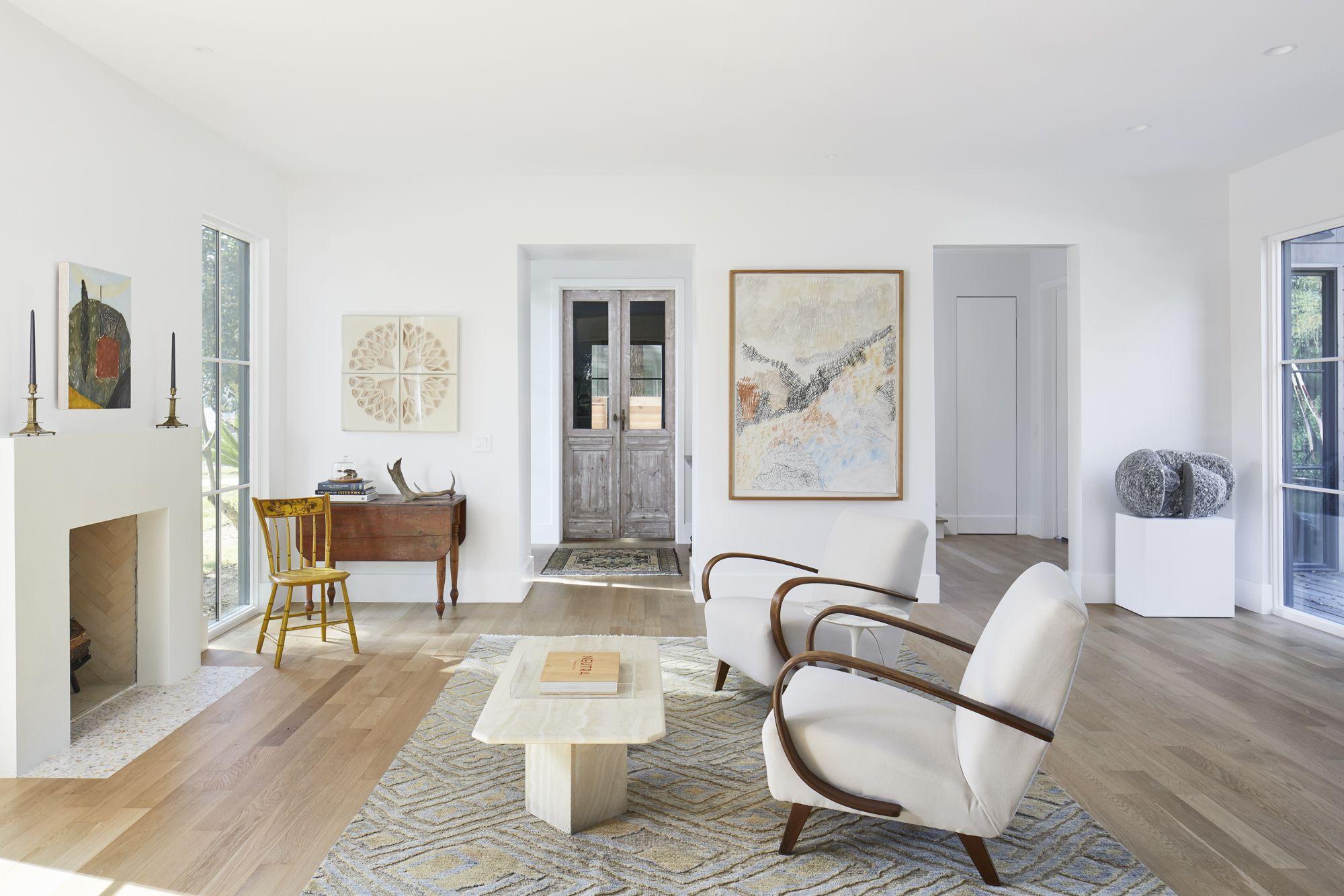

minimalism often gets mistaken for a clinical absence – white walls, bare surfaces, and a curated stillness that can read as cool or impersonal. But teh stripped-back approach isn’t inherently chilly; it’s a framework. With a few thoughtful choices, the same pared-down spaces that feel orderly and calm can also feel layered, tactile, and quietly inviting.
This article collects simple, practical decor hacks that preserve minimalism’s clarity while dialing up warmth: think soft textures, muted palettes, thoughtful lighting, and a small handful of meaningful objects that read as intentional rather than clutter. Rather than adding more, these tweaks focus on material, contrast, and scale too create rooms that breathe and welcome.
Read on for approachable ways to soften minimal interiors without losing their restraint – subtle swaps and design nudges that help your space feel lived-in,agreeable,and unmistakably yours.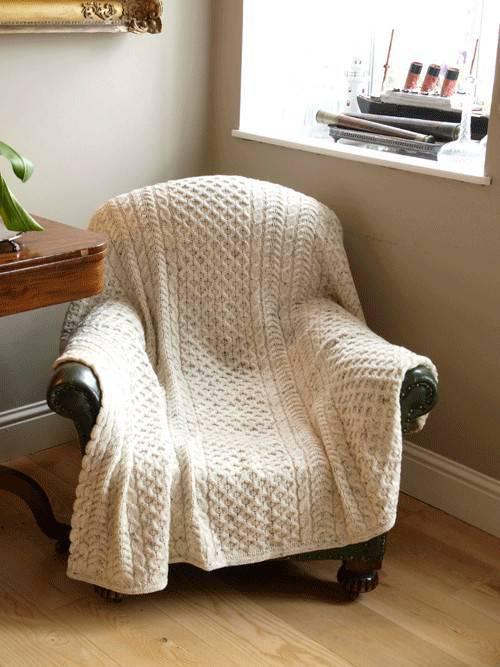
Layer Textures to Add depth and Coziness: Combine Wool Throws, bouclé Cushions and Woven rugs
The secret to keeping a pared-back room from feeling austere is tactile contrast: let the eye and fingertips wander.Start with a low-profile woven rug to anchor the furniture, toss a soft wool throw over one arm of a sofa for an inviting drape, and punctuate with a couple of bouclé cushions to bring a subtle, pillowy silhouette. Small decisions create big warmth-think scale and repetition rather than clutter-so pair coarse weaves with fine knits and keep the color story calm for a cohesive effect.
simple habits make layered texture feel intentional, not busy. Try these rapid styling and care cues:
- Drape, don’t fold: casually folded throws read homey; crisply folded stacks read staged.
- Mix piles: low-pile rug + medium-run boucle + lofty wool throw keeps depth balanced.
- Stick to neutrals with one accent: tonal layers read warm; a single muted color pop keeps the minimal vibe intact.
- Care smart: spot-clean bouclé and air wool throws to preserve texture without over-washing.
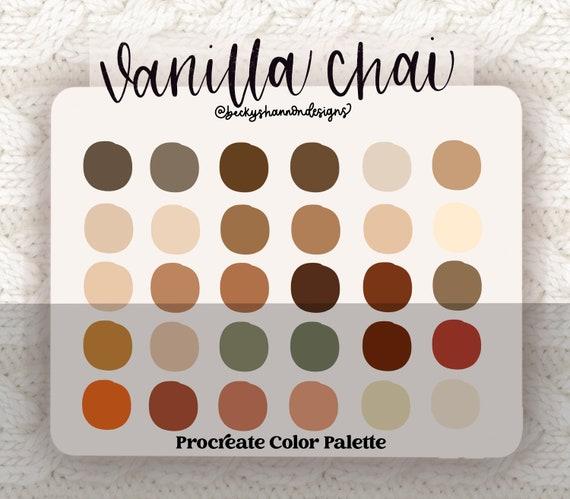
choose a Warm Minimalist Palette: Mix Warm Neutrals and Earthy Accents with Soft Contrast
Start with a sun-washed foundation: think warm neutrals-cream, warm greige, sandy beige-and add measured pops of earthy accents like terracotta, olive, or clay to keep the mood grounded.
- Cream walls + honey-toned wood
- Warm greige sofa + clay throw pillows
- Ivory linen + muted olive plants
These combinations read calm and curated, so the room feels intentional rather than bare.
Balance gently by introducing deeper, muted notes and tactile layers rather of stark contrasts-think charcoal lamps, deep brown baskets, and lots of natural fiber.
- Layer wool, jute, and linen for warmth
- use one darker piece as a subtle anchor
- Choose warm metals like brushed brass or aged copper
Quick palette pairings for reference:
| base | Accent |
|---|---|
| sand wall | Terracotta vase |
| Beige sofa | Olive throw |
| Warm wood | Charcoal lamp |
Soft Lighting Strategies that Soften Clean Lines: Use Warm Bulbs, Dimmable Fixtures and Layered Lamps
Warm light is the fastest, most forgiving way to soften a streamlined room-swap clinical cool whites for bulbs in the 2700-3000K range and you’ll notice edges relax and textures breathe. Pair warm LEDs with dimmable fixtures or smart bulbs so intensity becomes part of the design language: bright enough for tasks, low enough for mood. Simple tricks to try at once include:
- Swap one bulb in a room to warm filament-style LED and watch the atmosphere shift.
- Install a dimmer on the main ceiling light to make high-contrast moments rare.
- Use warm, high-CRI bulbs for textiles and art so natural tones stay rich, not washed out.
Think of lighting as layers rather than a single source-overhead, floor, and table lamps should have distinct roles so lines stay crisp but the overall feel is cozy.Place a low-level lamp behind sofas to create depth, add a directional floor lamp near reading nooks, and use soft-shaded table lamps to diffuse corners. Quick placement guidelines:
- Anchor low light near seating to pull warmth to where people gather.
- Highlight texture with angled lamps that graze wood and fabric.
- balance height so no one plane of light dominates the room.
| Color Temp | Feeling | Best Use |
|---|---|---|
| 2700K | Buttery,intimate | Living rooms,bedrooms |
| 3000K | Warm,clear | Dining,reading nooks |
| Dimmable | Adaptable | Anywhere you want mood control |
curate a Small Collection of Loved Objects: Display Personal Pieces, Books and Plants to Humanize Minimalism
select a tiny constellation of items that feel like you - a battered novel with a coffee stain, a low-maintenance plant with lively leaves, a small ceramic bowl made on holiday - and let them sit with plenty of breathing room. Keep it to 5-8 pieces so each object can speak; group by texture and height to create a gentle rhythm across a shelf or corner table. The trick is subtle storytelling: every piece should carry a memory or tactile appeal, turning minimal surfaces into warm, lived-in moments without adding clutter.
Try simple, repeatable arrangements that make daily life feel curated rather than staged:
- Anchor: One stack of books laid horizontally to anchor the display.
- Contrast: A small green plant to soften hard lines and add life.
- Signature: A single personal object (photo, keepsake, or art) as a focal point.
- Rotate: Swap one piece seasonally to keep the tableau fresh.

Select Natural Materials and Matte Finishes: Favor Wood, Terracotta, Wool and Brushed Metal for Inviting Surfaces
Minimalist rooms read as warm when surfaces invite the hand as much as the eye: think raw wood, hand-fired terracotta, dense wool and brushed metal in soft, non-reflective tones. Choose pieces with honest texture-a walnut bench with visible grain, a terracotta planter with subtle kiln marks, a boiled-wool throw with a deep nap, or a matte brass lamp with rubbed edges-to add personality without clutter.
- Wood: oak, walnut, reclaimed
- Terracotta: planters, tiles, vessels
- wool: rugs, throws, cushions
- Brushed metal: fixtures, hardware, lighting
Balance and care make matte finishes sing: pair them with a muted palette and varied scales so each material reads distinct and layered rather than flat. Below are simple, practical pairings to try that keep the scheme minimal but tactile:
| Material | Best use |
|---|---|
| Reclaimed wood | Dining table - anchors the room |
| Terracotta | Planters & tiles – earthen color notes |
| Boiled wool | Rug or throw – tactile warmth |
| Brushed steel | Lighting & pulls - matte accents |
Keep finishes soft and lived-in by dusting with a dry or slightly damp cloth and avoiding harsh polishes that erase the quietly elegant matte character.
To Conclude
Minimalism doesn’t have to feel like an empty gallery-it can be a soft, lived-in pause. By choosing a few well-loved objects, layering texture, warming your light, and honoring natural materials, you can create spaces that breathe and invite rather than judge. The goal is less about erasing personality and more about making every item earn its place.
Start small: swap a stark cushion for a knit one, add a plant that thrives on neglect, rearrange to create a cozy corner. Each tiny change nudges the room from curated to comfortable. Over time,those choices accumulate into a home that feels intentional and intimate.warm minimalism is less a style and more a decision-to keep what comforts you, to remove what distracts, and to shape a space where simplicity and softness live together.Try one hack this week and see how quiet restraint can feel wonderfully, quietly inviting.