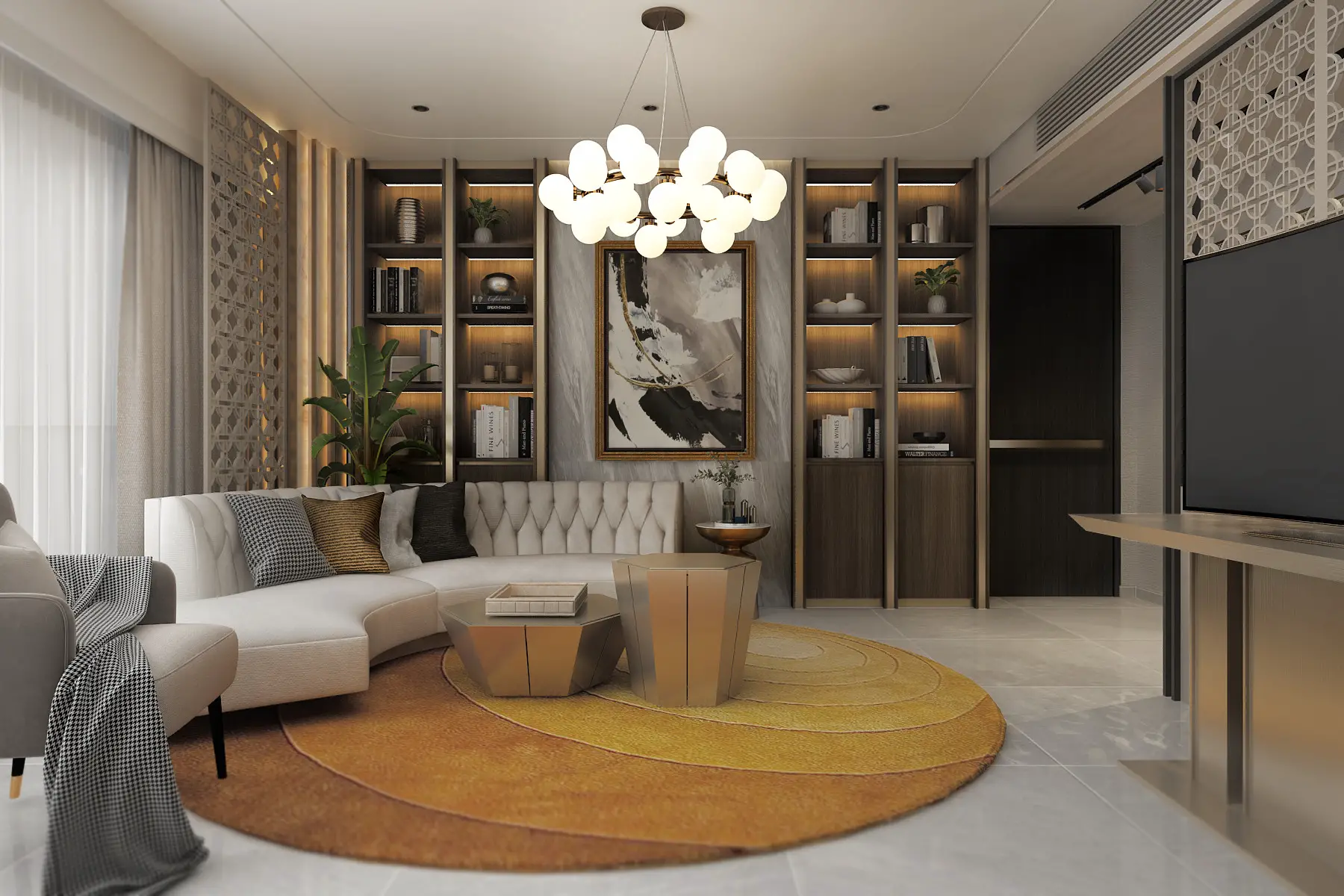

In an era where minimalist design often reigns supreme, the allure of open concept layouts continues too captivate homeowners and designers alike. These expansive spaces promise a seamless flow between rooms, allowing natural light to dance through interconnected areas and fostering a sense of togetherness. Yet, while the open concept aesthetic may exude a modern charm, it can sometimes veer into the territory of coldness and detachment. The challenge then becomes finding that precarious balance — how can one embrace the airy freedom of open spaces while still cultivating a warm, inviting atmosphere? In this article, we will explore creative strategies and thoughtful design elements that transform sprawling layouts into cozy havens, proving that spaciousness and comfort can indeed coexist harmoniously. Join us as we delve into a world where every corner feels like home, nonetheless of its square footage.
Designing Warmth in Open Spaces
Incorporating warmth into open spaces is an art that combines thoughtful design with strategic use of materials. One effective way to achieve this balance is through the incorporation of soft textures. Consider using cushions, throws, and rugs in varying fabrics to create inviting nooks within the vastness of the space. Layering these textiles not only adds comfort but also enhances visual interest. Additionally, integrating natural elements—like wooden furniture or indoor plants—can help ground the room and establish a sense of connection with the outdoors, contributing to a more homely atmosphere.
Lighting plays a crucial role in cultivating a cozy vibe in open layouts. Opt for ambient and task lighting that can be adjusted to suit different moods and activities. Incorporating a variety of light sources—such as floor lamps, table lamps, and pendant lights—can help define different zones within an open space. You might also choose to utilize light fixtures with warm tones to enhance the overall warmth of the room. Consider creating distinct areas with color accents; for instance, you could employ a cohesive color palette throughout the space while adding splashes of soft hues in each zone through artwork or decorative elements.

Strategic Zoning for Intimacy
Creating spaces that promote intimacy within open concept layouts involves deliberate strategic zoning, allowing for distinct yet fluid areas that cater to both social interaction and personal sanctuary. To achieve this, consider implementing functional furniture arrangements that add subtle partitions, such as:
- Area Rugs: Define spaces visually while adding warmth.
- Bookshelves: Use them as room dividers to create zones without sacrificing openness.
- Furniture Placement: Position sofas and chairs in a way that encourages conversation yet retains privacy.
Incorporating soft lighting and textural elements can significantly enhance the coziness of these designated spots. The immediacy of various textures works to soften the visual expanse and invites a sense of comfort. Using a combination of the following elements will enrich the intimate atmosphere:
- Cushions and Throws: Layered textiles elicit warmth and relaxation.
- Plants: Incorporate greenery for both aesthetic appeal and a sense of tranquility.
- Artwork: personalize spaces with pieces that evoke emotion and spark conversation.

Textiles and Colors That Embrace
In open concept layouts, the choice of textiles and colors can play a crucial role in creating a warm, inviting environment. Opting for soft, tactile materials can enhance the sense of coziness, making large spaces feel more intimate. Consider integrating the following elements:
- Layered Textiles: Think plush throws, woven pillows, and area rugs that cushion the floor.
- Natural Fibers: Fabrics like cotton, linen, and wool offer both comfort and a connection to nature.
- Warm Color Palettes: Earthy tones, soft neutrals, and muted pastels evoke a sense of solace.
Colors can delineate different areas within an open space, providing visual boundaries while maintaining a harmonious flow. Using accent colors and textures can highlight distinct zones, such as cozy reading nooks or dining areas. Below is a simplified palette to inspire your design choices:
| Color | Purpose |
|---|---|
| Soft Beige | Creates warmth and familiarity |
| Dusty blue | Instills calmness and tranquility |
| Olive Green | Adds a touch of nature and earthiness |
| Rust Orange | Injects energy and warmth |

Furniture Arrangement for Connection
When designing an open concept living space, strategic furniture arrangement plays a pivotal role in fostering connection among family members and guests. Start by defining distinct areas within the layout, using furniture as a guide to create intimacy without sacrificing openness. As a notable example, a strategically placed sofa can serve as a room divider, encouraging conversation while still allowing a free flow of movement. Consider incorporating multiple seating options to enhance comfort and encourage social interactions. Arrange chairs and loveseats in an inviting circle or semi-circle to promote eye contact and engagement, rather than placing them in isolated rows.
Incorporating accessories can also enhance the sense of connection. Soft textiles such as plush area rugs and cushions can visually anchor each zone, providing warmth and inviting touch.Similarly, light fixtures placed strategically can create atmospheric pools of light, making each area feel distinct yet interconnected. Don’t forget to include personal elements like family photos or art that reflects your style, which not only adds character but also serves as great conversation starters. By thoughtfully arranging furniture and accessories, you can transform an open space into a cozy haven that fosters connection and shared experiences.
Personal Touches That Make It Home
Creating a cozy and inviting space in an open concept layout can be a delightful challenge. Using personal touches not only enhances the aesthetic but also adds warmth. Here are some effective strategies:
- Artwork and Personal Photos: Displaying framed photos and unique artwork can create a narrative about your life and interests. A gallery wall can anchor the space.
- Textiles: Incorporating soft throw pillows,warm blankets,and area rugs can introduce color and texture,making the space feel lived-in.
- Plants: Bringing in greenery through potted plants or fresh flowers adds vibrancy and life to a large area.
- Lighting: Mixing ambient and task lighting, like floor lamps or string lights, creates zones within the open area and adds a cozy glow.
Additionally, the incorporation of custom furniture pieces contributes to a personal flair. Consider the following options:
| Furniture Type | Personalization Ideas |
|---|---|
| Bookshelves | Fill with favorite books, treasures from travels, or family heirlooms. |
| Dining Table | Opt for a handcrafted design or add a unique table runner. |
| Accent Chairs | choose colors and fabrics that reflect your personality. |
Insights and Conclusions
the charm of an open concept layout lies in its ability to blend spaces and foster connection, yet achieving a cozy atmosphere within such expansiveness is entirely possible. By incorporating thoughtful design elements—like strategically placed furnishings, warm color palettes, and inviting textures—you can create an environment that feels both spacious and intimate. Whether it’s through the use of soft lighting, cozy nooks, or the inclusion of personal touches, the key is to strike a balance. So embrace the freedom of open spaces while ensuring that every corner invites warmth and comfort. After all, a home should not only reflect style but also wrap you in a sense of belonging. As you embark on your design journey, remember that with creativity and intention, your open layout can be a sanctuary that feels distinctly yours.