
In the realm of interior design, the art of juxtaposition holds a transformative power that can shift the very essence of a space. The interplay of contrasting elements-light and dark,sleek and textured,modern and vintage-invites a dynamic dialogue within a room,fostering an atmosphere that is both captivating and harmonious. As we delve into the meaning of contrast, we uncover how this principle not only enhances aesthetic appeal but also shapes the emotional experience of those who inhabit the space. From the choice of colors and materials to the arrangement of furnishings, understanding and mastering contrast can elevate ordinary environments into exceptional havens. Join us as we explore the multifaceted layers of contrast in interior design and discover how to wield this powerful tool to create spaces that resonate with personality and purpose.
Exploring the Impact of Light and Dark in Space
The interplay of light and dark brings a unique vibrancy to interior spaces,defining not only the aesthetics but also the mood of a room. Light can highlight textures and colors, fostering a sense of openness and tranquility. Conversely, darker elements can ground a space, infusing it with warmth and intimacy. Interior designers harness these contrasts to create dynamic environments that cater to the needs of those who inhabit them. Elements to consider include:
- Natural Light: using windows and skylights to blend indoor and outdoor spaces.
- Accent Walls: Painting one wall a bold color to draw the eye and create depth.
- Lighting Fixtures: Incorporating layered lighting to enhance or soften specific areas.
- Furniture Choices: Mixing light and dark woods to create contrast and texture.
Furthermore, color theory plays a crucial role in how light and dark interact within a room. As an example, pairing light tones with deep hues can spark an energizing vibe, while shades of gray can act as a neutral ground that complements both ends of the spectrum. Understanding these relationships allows for strategic planning when designing a space. A sample of contrasting color combinations can include:
| Light Colors | Dark Colors |
|---|---|
| Soft Beige | Charcoal Gray |
| Ivory White | Navy Blue |
| Pale Blue | Forest Green |
| Light Gray | Emerald Green |

Balancing Textures for Depth and Interest
Creating a visually captivating space frequently enough hinges on the ability to juxtapose different textures, which can imbue a room with depth and intrigue. A well-curated mix of textures not only engages the senses but also plays a pivotal role in the overall design narrative. Consider incorporating elements like soft textiles, rough woods, and sophisticated metals to craft an inviting ambiance. Here are a few combinations that exemplify this concept:
- Luxurious velvet paired with rustic reclaimed wood
- Glass accents alongside woven natural fibers
- Leather furnishings complementing textured cotton or linen
Additionally, using textures in varying degrees allows you to create a rich, layered look. As a notable example, consider a space where smooth, sleek surfaces meet cozy, tactile fabrics; the harmony of these contrasts will pull the room together while keeping it dynamic. Below is a simple overview of how different textures can contribute to a well-balanced interior:
| Texture Type | Effect on Space |
|---|---|
| Soft | Creates warmth and comfort |
| Hard | Adds structure and modernity |
| Shiny | brings light and vibrancy |
| Matte | Offers subtle elegance |
Color Pairing Techniques to Enhance Ambiance
Utilizing color contrast can dramatically alter the perception of a space, creating distinct zones that evoke specific emotions. When pairing colors, consider the following techniques to ensure yoru selections resonate well within the intended ambiance:
- Complementary Colors: Use colors from opposite sides of the color wheel to create a dynamic and energetic atmosphere.
- Analogous Colors: Pair colors that are next to each other for a serene and pleasant vibe.
- Monochromatic Schemes: Use varying shades of a single color to inspire harmony and elegance.
- Triadic Combinations: Combine three evenly spaced colors for a lively and playful look.
A well-planned color strategy can also facilitate visual interest in different elements of your decor. Here’s a simple guide to color pairing based on room function:
| Room Type | Recommended Color Pairing |
|---|---|
| Living Room | Soft Neutrals & Vibrant Accents |
| Bedroom | Cool Blues & Gentle Greens |
| Kitchen | Bright Whites & Sunny Yellows |
| Home Office | Calming Grays & Earthy Tones |
Utilizing Scale and Proportion for visual Harmony
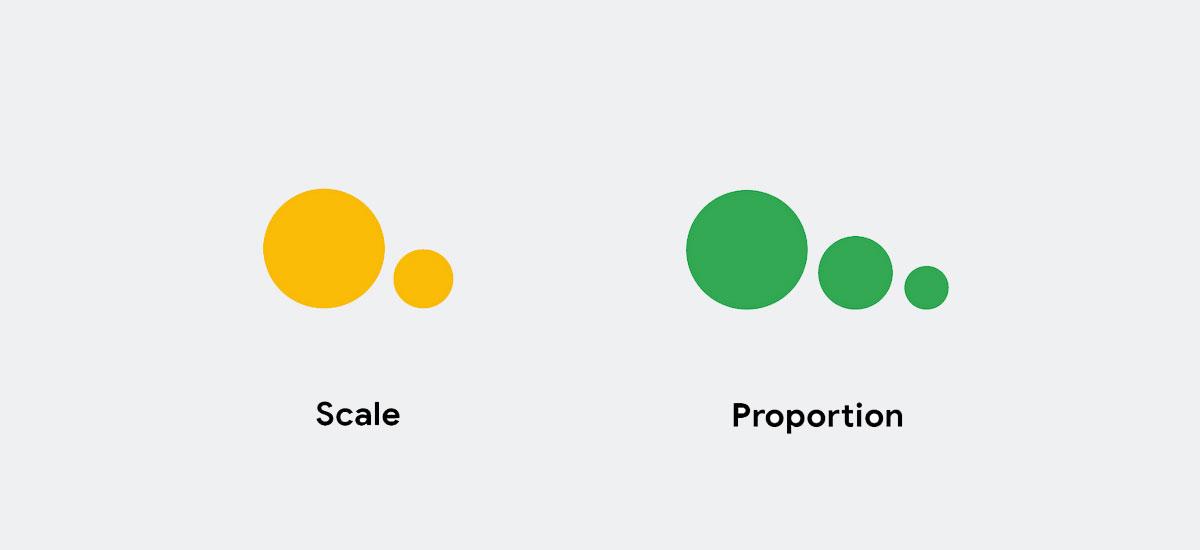
In the realm of interior design, achieving balance between large and small elements is crucial for a cohesive look.Utilizing scale entails understanding how the size of an object interacts with its surroundings,making it essential to consider factors such as ceiling height,room dimensions,and natural light. As an example, a vast piece of artwork can serve as a striking focal point in a room with high ceilings, while smaller furniture selections can help maintain a sense of intimacy.This interplay creates a sense of visual hierarchy-drawing the eye across the space without overwhelming the senses.
To maximize visual harmony, contrast can be applied effectively through the careful consideration of proportions. Below are several strategies to enhance the dynamic between scale and proportion:
- Vary Furniture Sizes: Mix large sofas with petite side chairs to create interest.
- Layer Textures: Incorporate both smooth and rough materials for added depth.
- Use Color Wisely: Bold hues can anchor large pieces while soft tones lighten smaller elements.

Creating Focal Points Through Contrast in Design
Contrast serves as a powerful tool in interior design, allowing you to create striking focal points that draw the eye and enhance the beauty of your space. By juxtaposing different elements-be it color, texture, or pattern-you can highlight key features and bring a sense of balance to the environment. For example, consider combining light and dark shades in a room to create a visual hierarchy. Some effective approaches include:
- Color Contrasts: Pairing bold hues against softer tones can elevate a mundane area into a vibrant space.
- Textural Contrasts: Mixing smooth fabrics with rough surfaces adds depth and interest to your decor.
- Size Contrasts: Using oversized furniture with delicate accessories can create a playful yet sophisticated dynamic.
Incorporating contrast thoughtfully within your interior can also guide movement and influence the mood of your rooms. For instance, a beautifully crafted coffee table set against a dark rug not only accentuates the table but also leads the gaze naturally across the space. To visualize these principles in action, consider the following table showcasing some contrast combinations that can transform a room:
| Element | Contrast Type | Effect |
|---|---|---|
| Wall Color | Light vs. Dark | Creates Depth |
| Furniture | Bold vs. Neutral | Highlights Features |
| Artwork | Colorful vs. Monochrome | Draws Attention |
Concluding Remarks
the power of contrast in interior design is not merely a technique; it is a dynamic storytelling tool that breathes life into spaces. By juxtaposing elements such as light and dark, modern and vintage, or soft and hard textures, designers can craft environments that evoke emotion, stimulate creativity, and inspire comfort. As we’ve explored, the thoughtful request of contrast encourages a dialogue between different components, leading to a harmonious yet striking aesthetic. So, whether you’re an aspiring designer or simply looking to refresh your home, embrace the art of contrast and let your spaces tell their own unique stories. After all, in the world of design, it is often the interplay between opposites that creates the most unforgettable impressions.