
In the ever-evolving landscape of design, where innovation and creativity reign supreme, a multitude of trends often emerges, onyl to fade away into obscurity. however, some linger longer then they should, becoming symbols of what not to embrace. As we reflect on the past decade, one particular design trend stands out, not for its brilliance, but for its overwhelming presence and shortcomings. This article aims to dissect the worst design trend of the decade, exploring its implications and the reasons behind its widespread adoption. More importantly, we will discuss what designers and creators can turn to rather—fresh, thoughtful alternatives that prioritize functionality, aesthetics, and authenticity. Join us as we navigate the tangled web of styles and choices, seeking to rediscover what truly elevates design.
The Rise and Fall of Minimalism in Modern Design
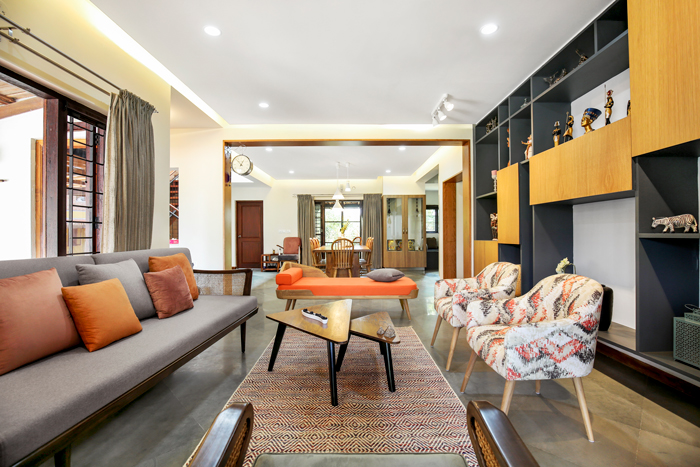
The trajectory of minimalism in modern design has been a tale of stark contrasts. Initially celebrated for its clean lines and functional elegance, this aesthetic quickly became ubiquitous across various mediums, from architecture to digital interfaces. While its appeal lay in promoting clarity and simplicity, excessive minimalism led to a soulless quality in many spaces and products. The aesthetic, once a beacon of thoughtful design, started to feel more like a lack of imagination. This shift prompted many designers to reconsider their approaches, leading to a newfound recognition for texture, color, and intricate details that evoke a sense of personality.
As minimalism waned in popularity, alternative design philosophies emerged, focusing on creating engaging experiences rather than just pleasing visuals. Bolder choices began to take center stage, with designers opting for:
- Layered textures
- Vibrant color palettes
- Eclectic motifs
To illustrate this transformation, consider the following table comparing minimalist design elements with more indulgent approaches:
| Minimalism | Embracing Whimsy |
|---|---|
| Neutral colors | Bold hues |
| Simple forms | Eclectic shapes |
| Open spaces | Cozy nooks |

Understanding the Impact of Overly Simplistic Aesthetics
In an age where minimalistic designs dominate the visual landscape, the allure of overly simplistic aesthetics has led to a troubling trend that stifles creativity and individuality. Many designers have embraced clean lines and muted palettes, frequently enough at the expense of nuanced expression and storytelling. This approach can inadvertently generate visual homogeneity, confusing brand identities and diminishing user engagement. The focus on minimalism frequently enough results in designs that feel sterile and uninspired, making it imperative for designers to recognize the potential drawbacks of sacrificing depth for simplicity.
Instead of adhering strictly to a monotonous aesthetic,embracing complexity and richness in design can foster connectivity and memorability. When crafting digital experiences, consider implementing a balanced mix of elements that invite exploration and interaction. Here are some strategies to enhance visual impact:
- Layered Textures: Incorporate textures that evoke feelings and draw users in.
- Bold Color Palettes: Use colors strategically to communicate mood and brand values.
- Diverse Typography: Combine various typefaces to create hierarchy and emphasis.
| Positive aspects | Negative Aspects |
|---|---|
| Enhanced User Engagement | Visual Confusion |
| Striking Brand Identity | Over-simplified Messages |
| Storytelling through Design | Lack of Emotional Resonance |

Exploring Alternative Design Approaches for a Balanced look
While some trends have dominated the design landscape this past decade, the critical evaluation of these trends invites us to pivot towards more refined methodologies that prioritize harmony and balance. One approach worth exploring is minimalism,which champions simplicity,functionality,and a less-is-more ethos. Instead of unneeded embellishments, focus on essential elements that serve a purpose. Utilize negative space effectively to create breathing room in your designs, allowing the essential components to shine without competing with distracting elements.
An additional avenue is to embrace the principles of sustainable design, which not only promotes aesthetic appeal but also encourages ecological responsibility. by selecting materials, colors, and design philosophies that respect and reflect the environment, designers can cultivate a balanced look that resonates with contemporary values. Consider the following strategies to achieve this balance:
- natural Materials: Use wood,stone,or recycled products.
- Color Palettes: Opt for earthy tones that complement rather than overwhelm.
- Biophilic Design: Incorporate natural elements such as plants and water features.
| Design Approach | Core philosophy |
|---|---|
| Minimalism | Focus on simplicity and essential elements. |
| Sustainable Design | Emphasize eco-friendly materials and practices. |
Crafting Emotional Connections Through Thoughtful Design
In the realm of design,it’s crucial to prioritize user experience and emotional resonance over fleeting trends. Users today crave authenticity and engagement, leading us to a place where thoughtful design reigns supreme. By incorporating elements that strive to connect on a personal level, designers can create interfaces that not only look appealing but also resonate deeply with users. this can be achieved through:
- Personalization: Tailor experiences to individual preferences and behaviors.
- Storytelling: Use narratives to help users relate to the brand and its values.
- Visual Hierarchy: Organize details in a way that draws attention and facilitates comprehension.
Consider implementing design strategies that foster these emotional connections.One effective approach is through the use of color psychology. Each color evokes a distinct emotional response, and using them strategically can guide user experiences. As a notable example, vibrant colors can elicit excitement, while softer pastels may foster tranquility. Creating a color scheme that aligns with your brand values can significantly impact how users interact with your design.
| Color | Emotional Response | Application |
|---|---|---|
| Red | Energy, Passion | Encouraging action, Boosting excitement |
| Blue | Calm, Trust | Promoting reliability, Conveying professionalism |
| Green | Harmony, growth | Encouraging sustainability, Highlighting health |

Strategies for Embracing Complexity Without Clutter
Finding balance in design requires a masterful approach to layering complexity without overwhelming clarity. Consider the concept of visual hierarchy, where elements are structured according to their importance. This can manifest through size, color, or placement, allowing the audience to navigate through content effortlessly. To embrace complexity, you can also create interactive elements that engage users without cluttering the interface. Think of dropdown menus or hover effects that reveal additional information, maintaining aesthetic appeal while providing depth.
Another effective strategy is to utilize a modular grid system. This method not only aids in organizing components but also promotes a clean, coherent layout filled with rich content. By segmenting information into digestible blocks, you can include various textures or images that add complexity without chaos. Implementing subtle transitions and animations can also enliven these segments while keeping the overall design streamlined. Lastly, always prioritize negative space. Control the canvas of your design; it provides breathing room and directs focus, transforming perhaps cluttered visuals into harmonious compositions.
In Conclusion
As we bid farewell to the worst design trend of the decade, it’s essential to remember that every misstep carries lessons worth learning. Design is an ever-evolving dialog between functionality and aesthetics, and the misguidance of the past can inform a brighter future. Rather than falling victim to fads that compromise integrity for superficial allure, we should embrace principles grounded in usability, sustainability, and authenticity. by focusing on timeless design elements and prioritizing user experience, we pave the way for creative solutions that stand the test of time.So,let us turn the page and envision a design future that celebrates clarity,purpose,and meaningful engagement. Together, we can cultivate environments that resonate with our values while inspiring innovation. As we embark on this journey, remember that the best trends are the ones that not only captivate our eyes but also enrich our lives. Here’s to designing with intention and shaping a world where good design is not just a trend, but a lasting legacy.