
A plaster fireplace can read like a quiet proclamation of refinement: a smooth, sculpted surround that catches light and shadow, framing a room without shouting for attention. Unlike the louder materials of brick or exposed stone, plaster offers a kind of controlled minimalism – surfaces that are both soft to the eye and precise in detail. That balance between restraint and craftsmanship is part of what makes these mantels feel upscale.
Beneath that apparent simplicity are practical qualities that shape perception. Plaster can be molded into crisp mouldings, seamless curves, and subtle reliefs; it takes paint and patina evenly; it conceals joints and structural quirks; and it can convincingly mimic more expensive materials. Each of these attributes contributes to an overall impression of intention and care,signaling time-honored techniques and a willingness to invest in finish over flash.
This article unpacks those elements - material, technique, finish, and context – to explain why plaster fireplaces read as high-end. We’ll look at how light and texture interact on plaster surfaces, how past traditions inform contemporary tastes, and why a considered fireplace surround can elevate an entire room without relying on ostentation.
Why lime and Venetian plasters read as luxury and which mixes to use for durability and depth
Lime and Venetian plasters read as luxury because they speak in subtle, tactile language: layered translucency, a soft satin sheen and micro-variations that catch and scatter light like polished stone.The finish isn’t flat or printed – itS handcrafted, with visible evidence of trowel strokes and burnishing that suggest time, skill and provenance.The mineral composition gives a cool, natural patina and a depth that faux paints can’t mimic; combined with historical connotations of palaces and classical interiors, the result registers as quietly expensive and thoughtfully made.
- Depth: thin translucent layers create optical richness.
- Sheen: burnishing produces a soft, elegant glow.
- Texture: slight irregularities read as hand-applied craft.
- Breathability: lime’s mineral nature avoids plasticky finishes.
For durability and that multi-dimensional look, favor mixes built on lime putty or hydrated lime combined with fine marble dust (conventional Venetian) for polish and depth, or with hydraulic lime blends (NHL) when extra strength is needed outdoors.Consider small amounts of compatible acrylic or natural polymer additives to improve adhesion in high-traffic areas, and always build the surface in multiple thin coats, finishing with burnishing or a light wax/soap topcoat to seal without shutting the plaster’s breathability. Pair pigments as slurries or washes between layers for internal color variation rather than a single flat tone – that interplay of hue and sheen is what makes a fireplace feel intentionally luxe.
| Mix | Best for | Finish |
|---|---|---|
| lime putty + marble dust | Indoor fireplaces, burnished Venetian | Polished satin |
| NHL + marble/pozzolan | Exterior surrounds, high-moisture areas | Matte to soft sheen |
| Lime + small polymer blend | High-traffic rooms, improved adhesion | Durable, breathable |
Seamless forms and subtle moldings that enhance scale and proportion plus practical installation tips
Clean, uninterrupted surfaces and whisper‑thin moldings trick the eye into reading a fireplace as taller and more elegant than its actual dimensions. By favoring continuous planes, elongated vertical reveals and shallow, crisp returns, the surround reads as one cohesive sculptural element rather than a collection of parts. Light and shadow play across subtle profiles – a narrow ogee, a soft bullnose or a recessed bead – and that delicate contrast is what makes the finish feel deliberately luxurious instead of fussy.
- Vertical reveals: emphasize height without adding bulk.
- Thin mantel shelves: maintain proportion and modernity.
- Micro‑moldings: give refinement without interrupting form.
Practical execution matters as much as design. Start with a flat, well‑anchored substrate and map proportions against the room – a modest rule is the mantel depth should be roughly 1/8-1/10 of its width to keep balance. Use lightweight metal lath for curves and true radius corners where you want continuous flow; hand‑troweled skim coats can be feathered to vanish into the wall for that seamless look.Consistent joint locations, controlled thicknesses and slow, even curing will preserve crisp shadow lines that read as expensive craftsmanship.
- Measure and mock up: full‑scale paper templates avoid surprises.
- Layer logically: backing → lath → base coat → finish coat.
- Protect edges: temporary corner beads keep profiles sharp during work.
- finish with intention: sand, prime and paint to maintain the molded edge definition.
Patina techniques burnishing and paint options to create an aged high end finish and how to apply them
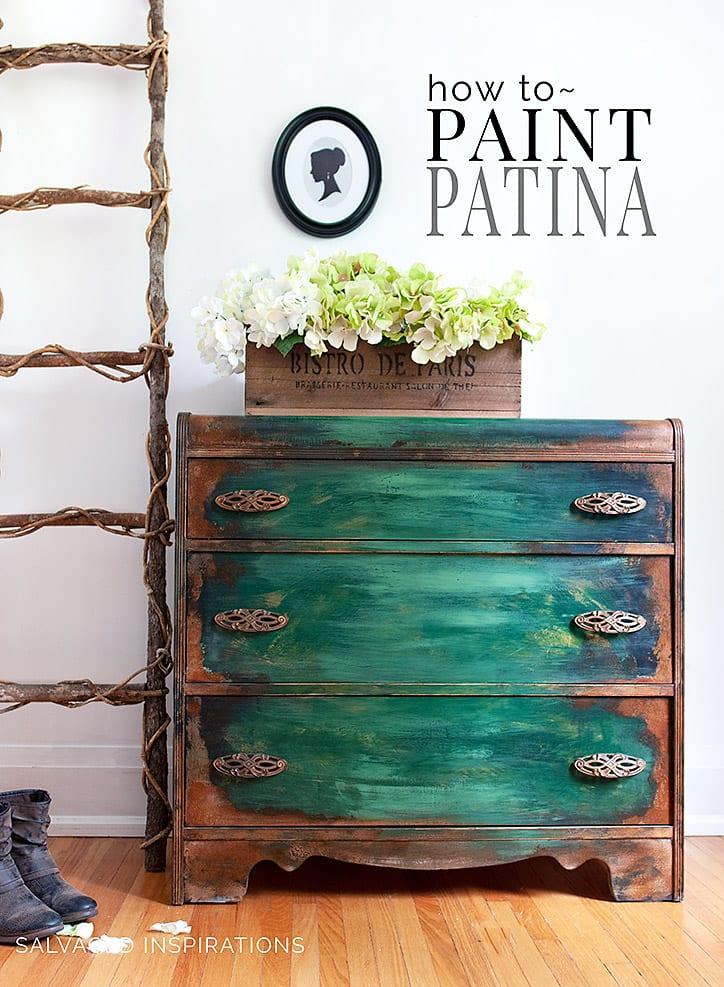
Patina is the secret language of age-layered, subtle and utterly convincing when handled with restraint.Start by building depth: apply a neutral base coat (tonal plaster or primer), then introduce translucent glazes or thinned paints in warm and cool undertones to mimic decades of wear. Burnishing follows-gently rub the surface with a soft trowel, bone tool, or microfibre cloth to compress the top layer and coax out a satin sheen that reads like lived-in refinement. Small touches-lightly sanding raised edges, stippling with a sponge, or dragging a dry brush-create natural highlights and shadow that make a plaster surround look custom and museum-quality.Essential materials include
- Soft burnishing tools (leather, felt, or soft wood)
- Glaze medium and transparent pigments
- Micro-sanding pads and fine steel wool
- Clear waxes or water-based sealers for protection
Practise color washes on a scrap board and layer thoughtfully-each translucent coat is a sentence in the room’s visual story.
Choosing the right paint and final treatment turns technique into luxury: limewash and diluted casein give powder-soft, historical depth; acrylic glazes and metallic mica add modern luminosity; and thin oxidized tones (verdigris, warm bronze) read like patinaed metal when paired with burnish work. application is a simple choreography-prepare and prime, apply a textured base, layer two to three thin glazes, then selectively wipe back and burnish high points. Quick application checklist:
- Prep: clean, patch, prime
- Base: textured plaster or matte base coat
- Layer: thin glazes, build slowly
- Finish: burnish then seal with wax or satin varnish
For guidance at a glance, this table compares common high-end finishes and their best uses:
| Finish | Look | Best for |
|---|---|---|
| Limewash | Soft, chalky depth | Classic, calm living rooms |
| Acrylic glaze | Layered translucence | Contemporary mantels |
| Metallic glaze | Subtle shimmer | Accent details and edges |
| Waxed plaster | Warm sheen, satin finish | High-touch hearths |
Lighting choices hearth styling and routine care to protect the plaster and keep the look pristine
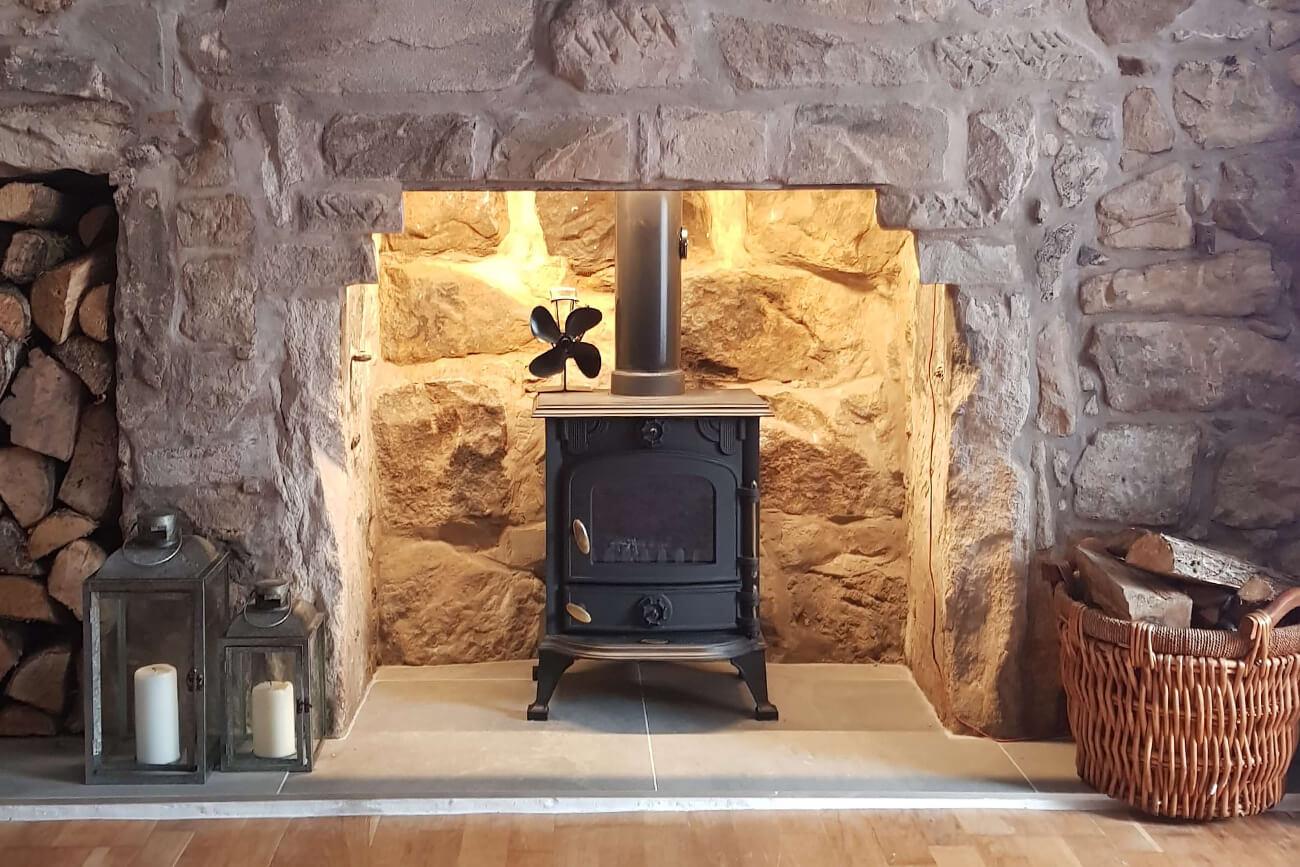
Soft, layered lighting transforms a plaster fireplace from architectural quietude into a gallery-worthy focal point. Consider a mix of sources – recessed ceiling lights to wash the stucco in even glow, a discreet picture light to emphasize texture, and low-wattage sconces flanking the mantel for intimate warmth - each chosen to flatter the plaster’s subtle variations rather than hide them. Small details do big work:
- Warm LED tones (2700-3000K) retain the plaster’s creamy richness without bleaching color.
- Adjustable fixtures let you sculpt shadow to make moulding read like sculpture at night.
- Concealed uplighting creates soft haloing on curved profiles for a luxurious, museum-like finish.
Pair these lighting choices with hearth styling that respects the plaster’s calm geometry – think layered natural fibers,a single sculptural object,or a stack of firewood arranged like art – and the whole assembly will read custom-designed and intentionally edited.
Preserving that pristine, high-end look is mostly about gentle, consistent care rather than heroic interventions. Regularly dust with a soft brush or microfiber, blot spills immediately, and avoid harsh chemicals or abrasive pads that abrade the delicate skim-coat surface. Key routine steps include:
- Weekly dusting with a soft brush attachment.
- Monthly inspection for hairline cracks or soot accumulation.
- Seasonal touch-ups using a matching limewash or touch-up plaster when needed.
For quick reference, follow this simple maintenance rhythm:
| When | What | Why |
|---|---|---|
| Weekly | soft dusting | Prevents grime buildup |
| Monthly | Soot check | Protects finish and color |
| Annually | Minor touch-ups | Maintains seamless surface |
With this low-effort regimen and thoughtfully placed lighting and hearth pieces, a plaster fireplace will stay as chic and unblemished as the day it was finished.
In Conclusion
Like a well-tailored coat, a plaster fireplace drapes a room in quiet refinement: clean lines, seamless surfaces and subtle texture that read as thoughtful, not ostentatious. Its ability to catch and soften light, to host delicate moldings or bold, modern sweeps, lets it read as both timeless and deliberately designed. Those qualities-material, finish, proportion and craftsmanship-work together to create the impression of solidity and care that we associate with high-end interiors.
Plaster’s versatility also means it can be coaxed into many looks,from the warm,tactile depth of a tadelakt-style finish to the crisp minimalism of a smooth white surround. Over time it develops a patina and shadows that enhance its presence rather than undermine it, a subtle aging that feels authentic rather than manufactured.
Whether you’re aiming for historic grandeur or contemporary restraint, a plaster fireplace remains an elegant choice as it speaks the language of architecture: balance, finish and thoughtful detail. Consider it less as decoration and more as a durable, adaptable foundation for a room’s character.