
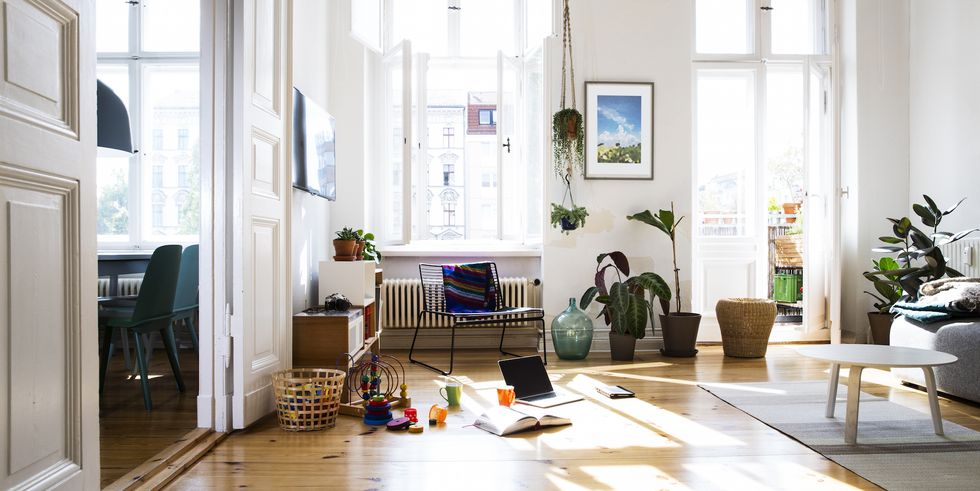
Living room vs. family room; are they the same thing? Well, maybe you’re not alone in that tight spot, many homeowners can’t draw the line between a family and living room.
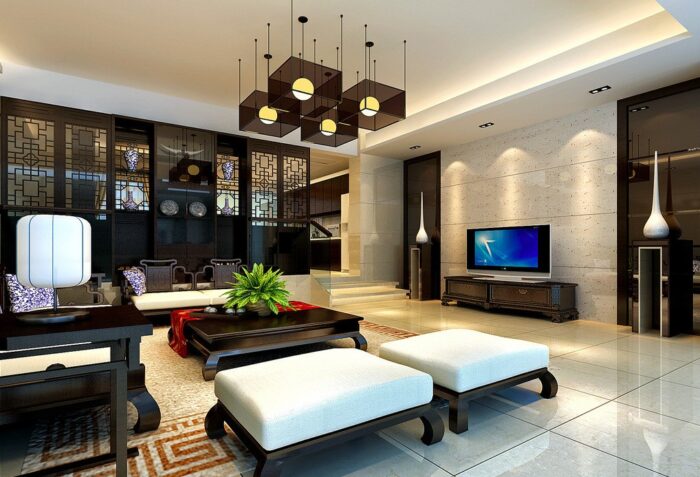
The idea of the open layout design has further sent the masses into a web of confusion, leaving many with mixed opinions.
But first, it is essential to note that these should be two different sections or rooms in your home—and each has its critical role.

In light of that, it’s natural to want to know the underlying differences, especially if you have enough room to include both in your house. Or maybe, if understanding their distinctions will help you ditch one for another, more so if you’re on a tight budget, or space is a limited resource.
Living Room Vs. Family Room: The 4 Underlying Differences
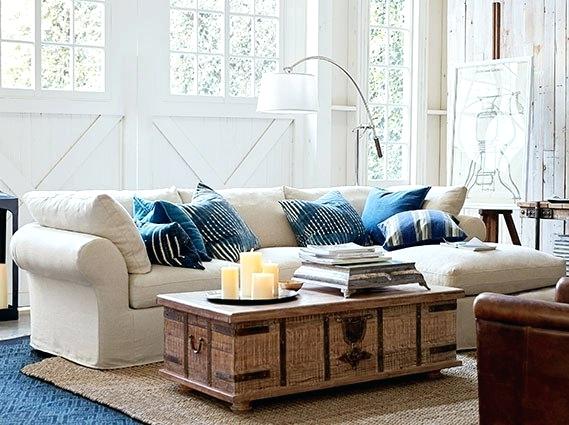
And while the two may look similar, a living room vs. family room differs depending on;
- Purpose: while a living room can serve as a hosting place for visitors who stop by, the family room should be a relaxing spot for your household.
- Position in the house: while a living room sits near the main-door entrance, your family room should be located further into the house— somewhere near your kitchen.
- Arrangement: Lastly, the living room arrangement or layout also differs from that of a family area, as we shall see later.
- Formality: family rooms are more comfy and relaxed (and less formal) compared to living rooms.
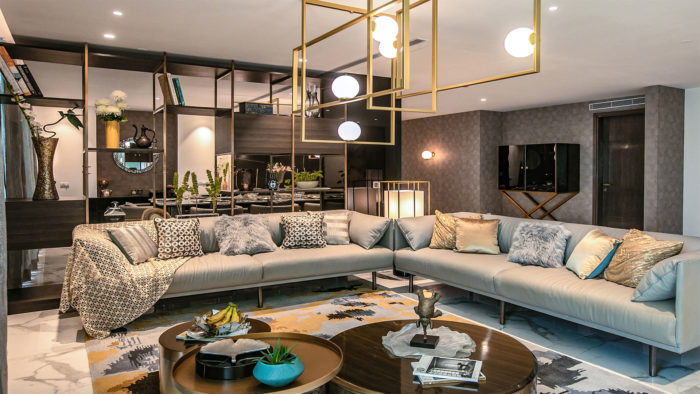
Though many homes have either of the two rooms, spacious apartments and mansions have both. Roomy homes tend to maintain the formal living room and a recreational family area approach instead of choosing a living room vs. family room.
What is a Family Room?
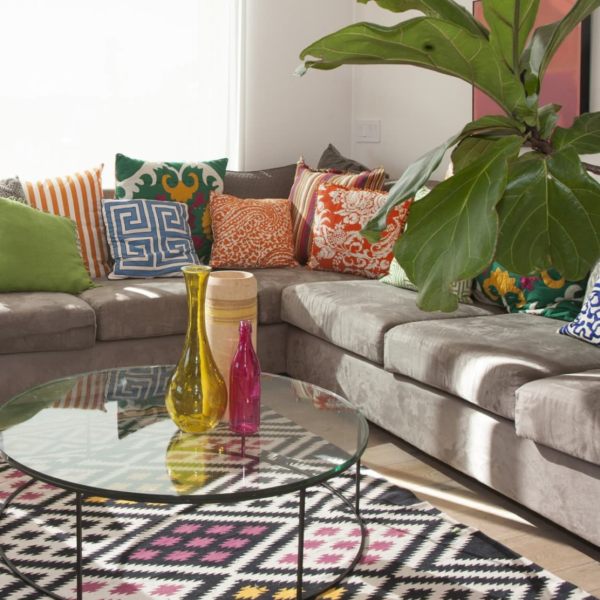
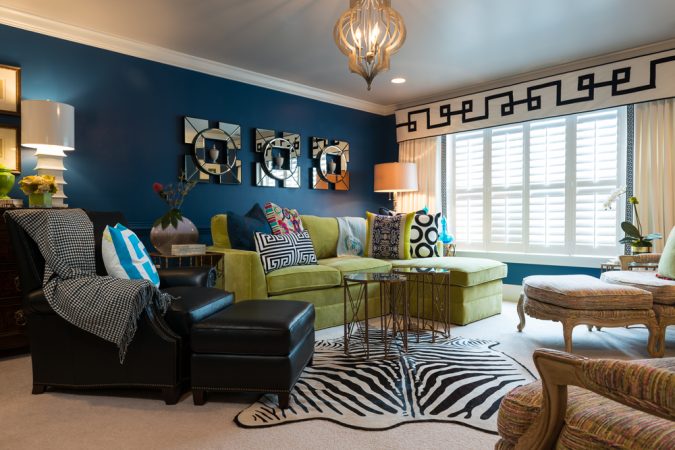
A family area is usually built at the center of the home, unlike its close counterpart, which nears the main door.
Sometimes it is almost attached to the kitchen, enabling a family to navigate (and use) these two functional spaces without being worlds apart.
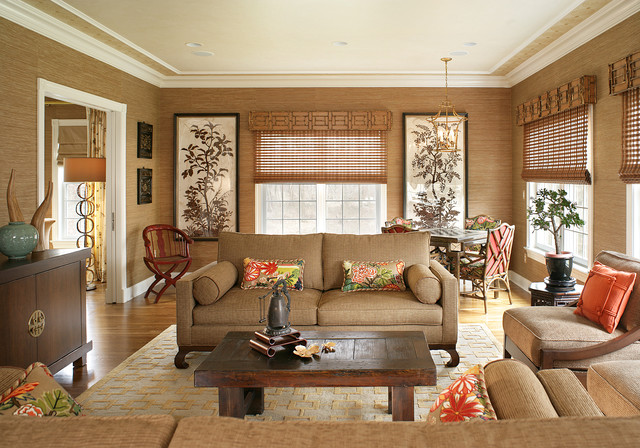
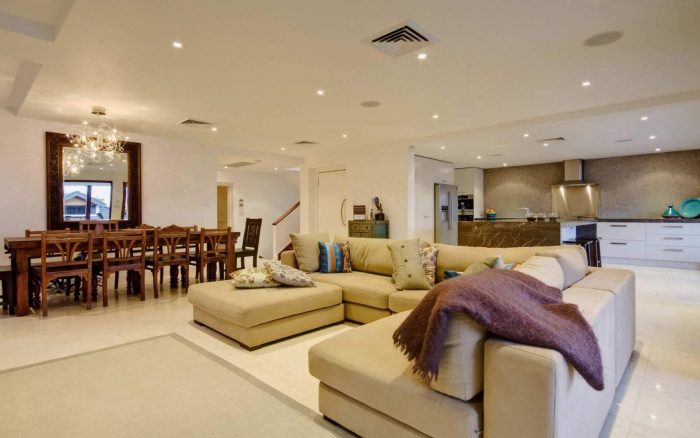
That brings us to the critical role of the family area; to serve as a relaxing and bonding place for a household of family.
Therefore, its arrangement must include warm, cozy, and plenty of seating organized in a roomy area to accommodate the entire family.
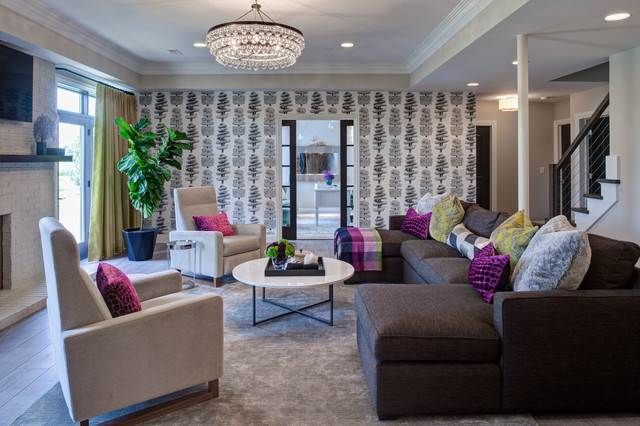
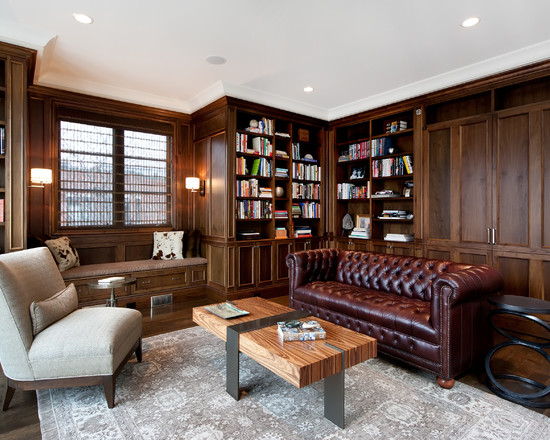
Your choice of furniture is a big deal because a family area should be a purposeful fun spot built to offer everlasting comfort.
That means the durability, color, and resilience of the material(s) are also matters of concern when choosing the fabrics for a family room. Remember, you want something that can stand the test of time, especially if you have kids.
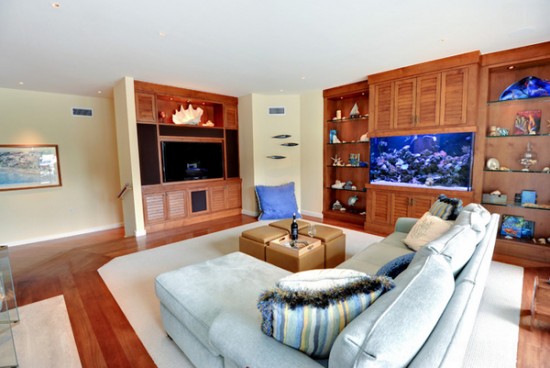
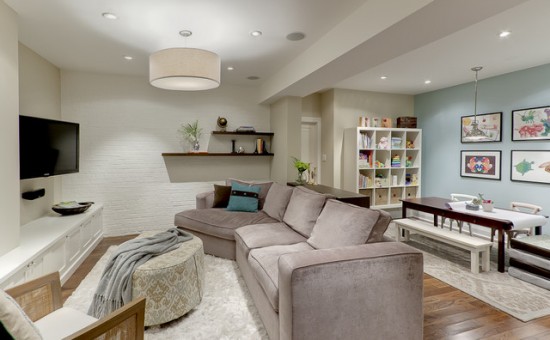
Lastly, you must include an entertainment or recreational hub in your family area. A source of music and a TV screen are standards in family areas.
You can also add casual tables to provide a snack-eating counter and create space for décor, book storage, and household picture frames.
For more decoration, add any form of wall art to your empty walls. You can be as creative as you like because this is a casual space.
What is a Living Room?
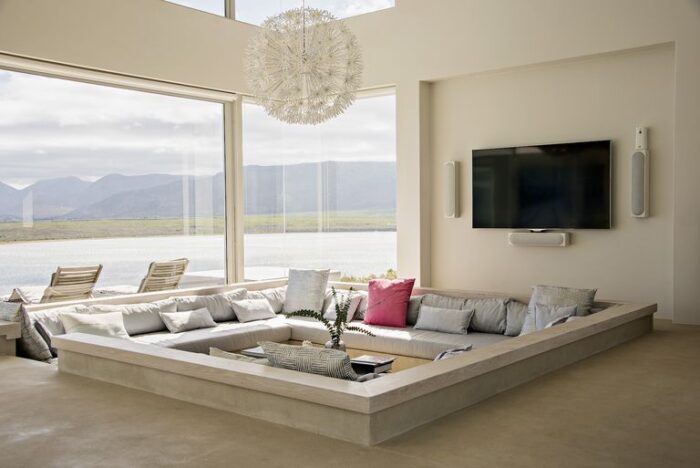
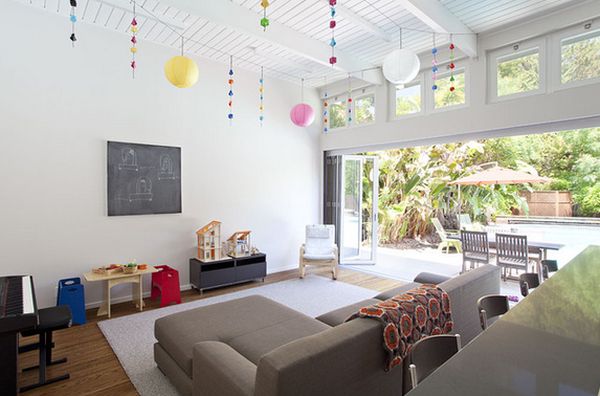
As hinted earlier, this is the formal space, usually located near your main door, and not at the center of the home like a family area.
Because of its strategic placement (near the door), it serves as the perfect official reception area for any visitor who comes into your house.
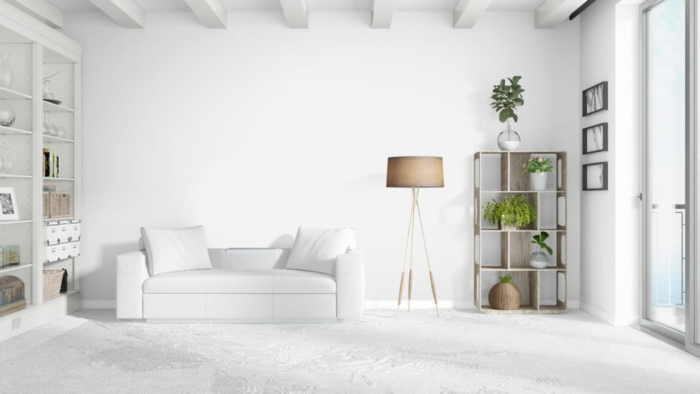
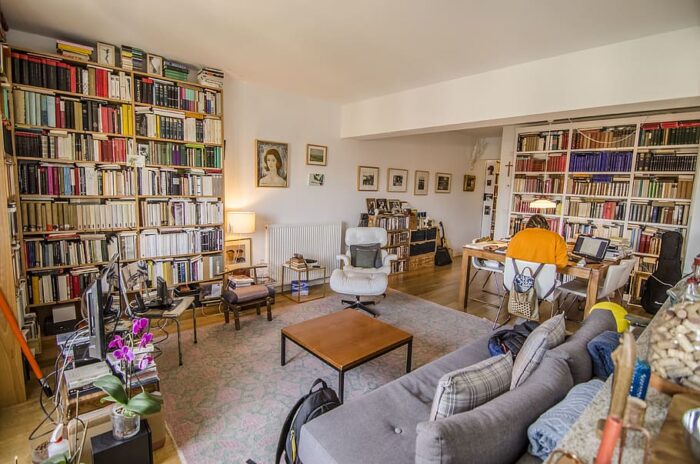
That way, not everyone who walks into your home will know you have a cluttered family room or kitchen.
Living rooms are generally more official, with respect to; furniture, arrangement, decoration and so on. Many times, they include the standard chair-&-coffee table and a couch.
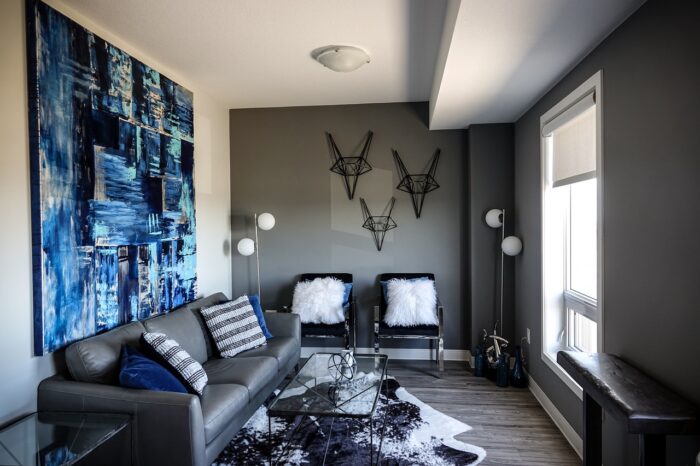
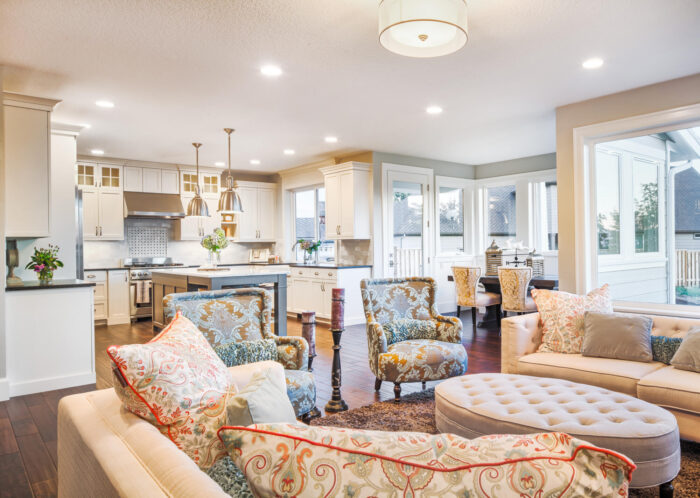
Style and formality is a characteristic of living rooms than comfort is. You are more likely to find family bequests and treasures instead of household picture frames.
Living rooms do not necessarily need an entertainment hub because they are more of a temporary reception area for on-the-move visitors.
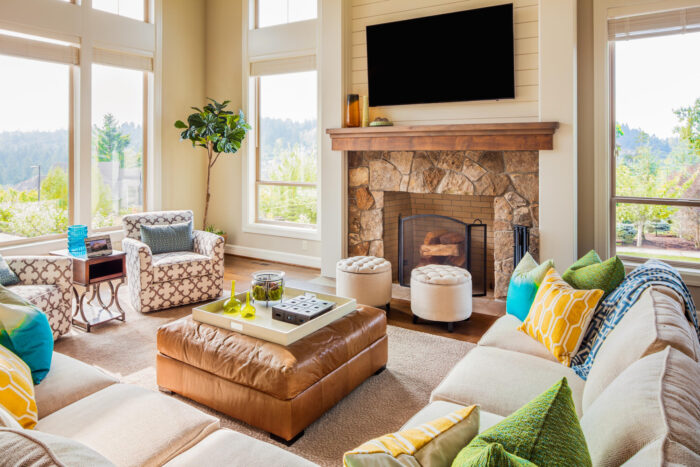
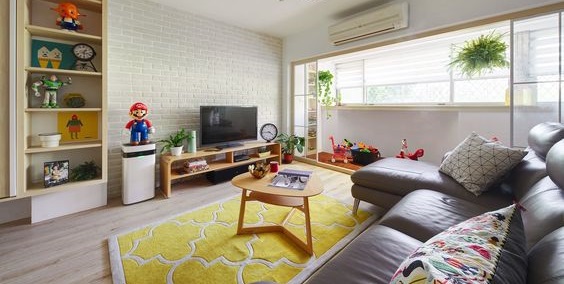
One is beautiful, and both are Excellent!
So what’s your progress with your living room vs. family room dilemma? Well, you have the power to make the right choice, now that you know the fundamental differences.
But the best idea is to include both because, as we’ve seen, each room plays a critical role in your home.
 Living Room vs. Family Room: Understanding the Fundamental Differences
The perennial debate between the living room and the family room has long perplexed homeowners, especially with the rise of open layout designs that blur the lines between these two spaces. Are they interchangeable? Are they the same thing? Let’s delve into the nuances of each to clear up the confusion and understand their unique roles in a home.
Defining Living Room and Family Room
While both the living room and the family room serve as common areas for relaxation and socializing, they differ in their primary functions and layouts. Understanding these distinctions can definitely help you maximize their utility in your home.
Living Room: The Formal Zone
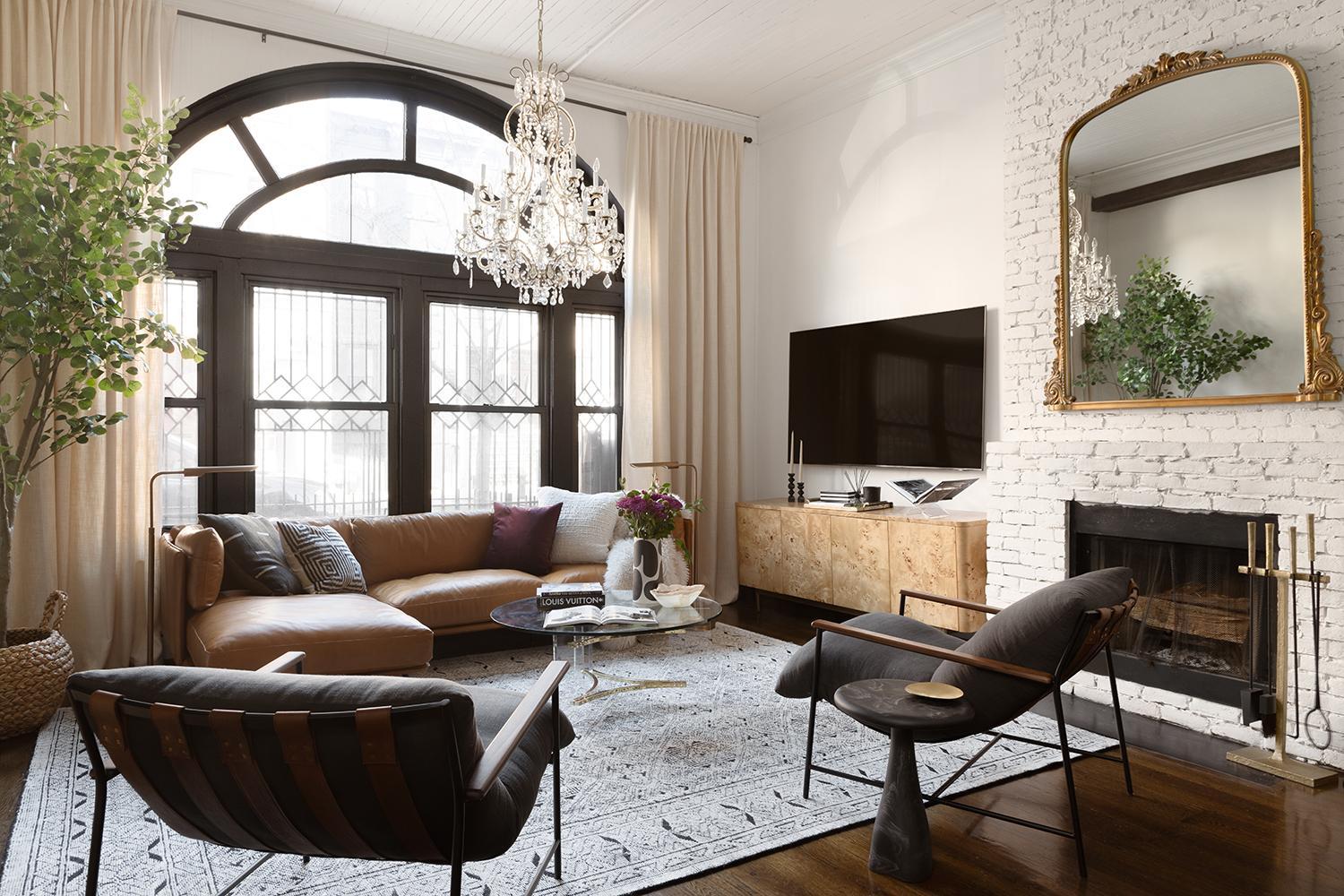
The living room is traditionally considered the more formal, elegant space in a home. It is often located near the front entrance and is designed for entertaining guests, hosting gatherings, or simply relaxing in a more refined setting. The décor in a living room tends to be more complex, featuring furniture and décor that reflect the homeowner’s style and taste.
Family Room: The Casual Hangout
In contrast, the family room is a more relaxed, casual space that is centered around comfort and functionality. It is often situated towards the back or side of the house and serves as a multipurpose area for everyday activities like watching TV, playing games, or spending quality time with family members. The furniture in a family room is typically more comfortable and durable, allowing for lounging and relaxation.
Key differences
Here are some key differences between the living room and family room:
- Function: The living room is designed for formal gatherings and entertaining guests, while the family room is a more casual space for everyday activities.
- Décor: The living room frequently enough features elegant furniture and décor, while the family room tends to have a more relaxed and comfortable aesthetic.
- Location: The living room is typically located near the front entrance, while the family room is situated towards the back or side of the house.
- Utility: The living room is used on special occasions and for hosting guests, while the family room is a daily gathering spot for family members.
Benefits and Practical Tips
Understanding the differences between the living room and family room can help you make the most of each space in your home. Here are some benefits and practical tips:
- Dual Functionality: If space allows, consider having both a living room and family room to cater to different needs and occasions.
- Personalization: Make the living room reflect your style and personality, while the family room can be a more laid-back space for relaxation.
- Flexibility: Use versatile furniture in the family room that can accommodate different activities and preferences.
case Studies
Let’s look at two examples to illustrate the distinction between a living room and a family room:
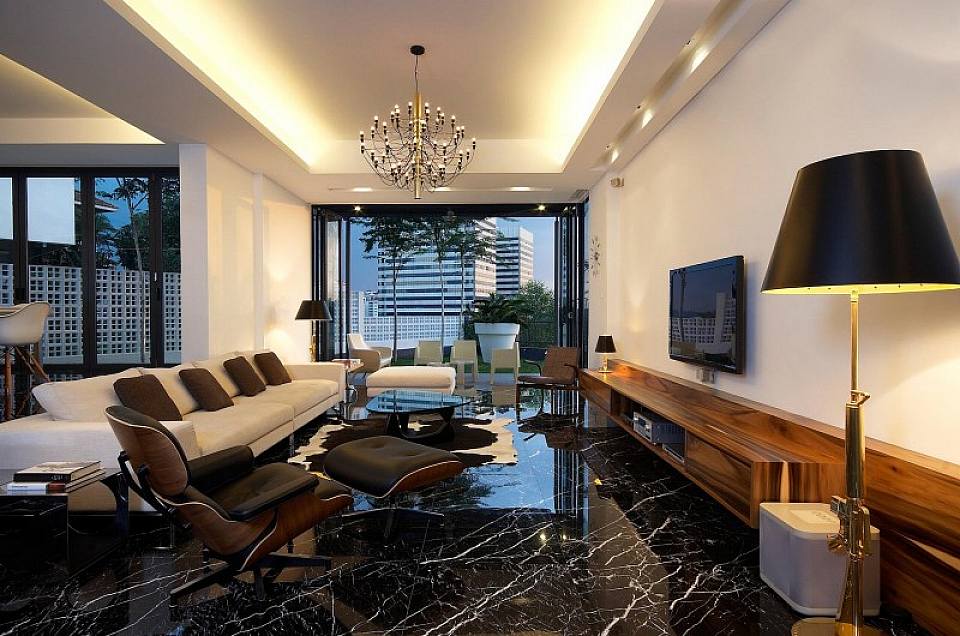
- Living Room: A beautifully decorated space with a grand sofa, elegant coffee table, and artful accents, perfect for hosting elegant dinner parties and formal gatherings.
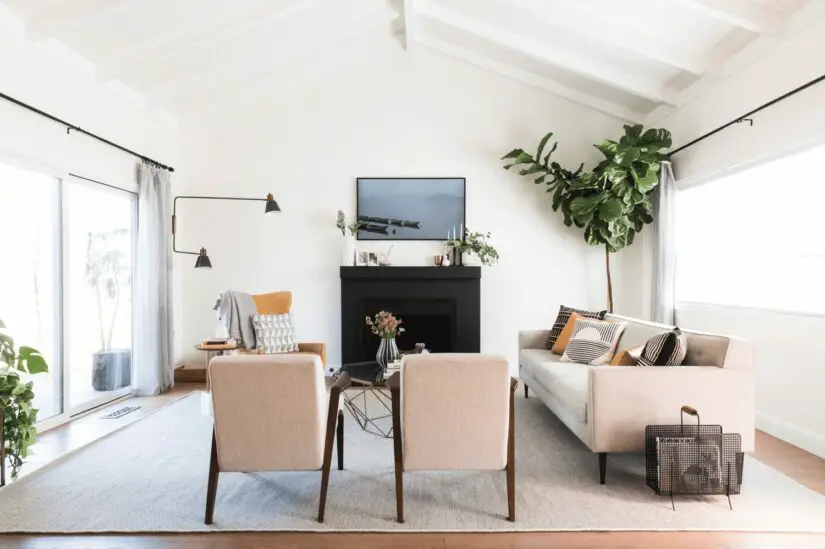
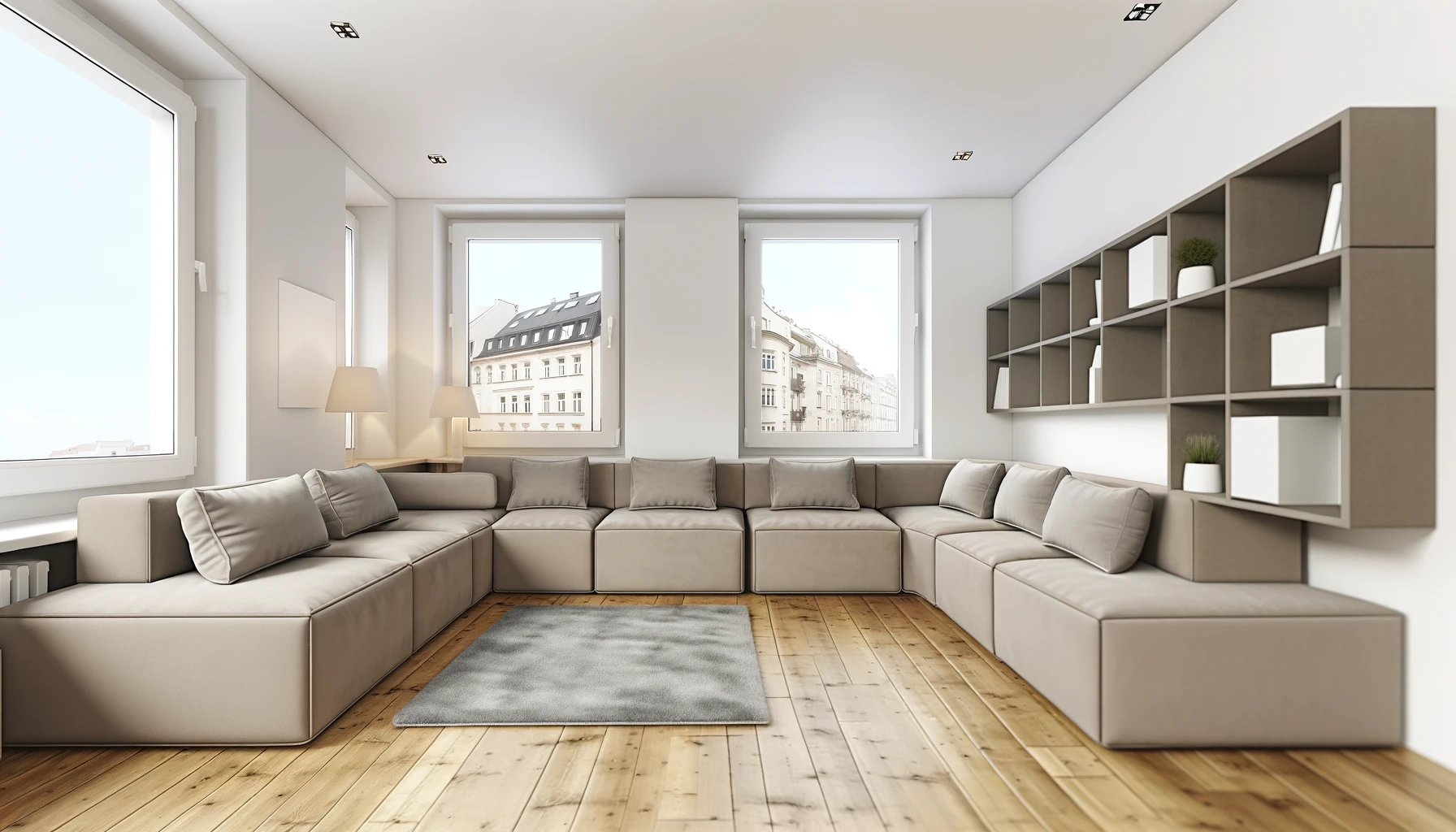
- Family Room: A cozy area with a plush sectional,large TV,and durable coffee table,ideal for movie nights,game sessions,and family bonding time.
Frist-hand Experience
As a homeowner, balancing the functionality and aesthetics of your living room and family room can greatly enhance your overall living experience. By understanding the unique roles of these spaces, you can create environments that cater to both formal occasions and everyday comfort.
while the living room and family room share some similarities, their distinct functions and layouts set them apart. By delineating the purpose of each space and optimizing their design, you can create welcoming and functional areas that cater to your lifestyle. Whether you’re looking to entertain guests or unwind with loved ones, having a clear understanding of these fundamental differences can definitely help you make the most of your home’s common areas.


Great breakdown of the differences! It’s interesting how these spaces serve different purposes in our homes.