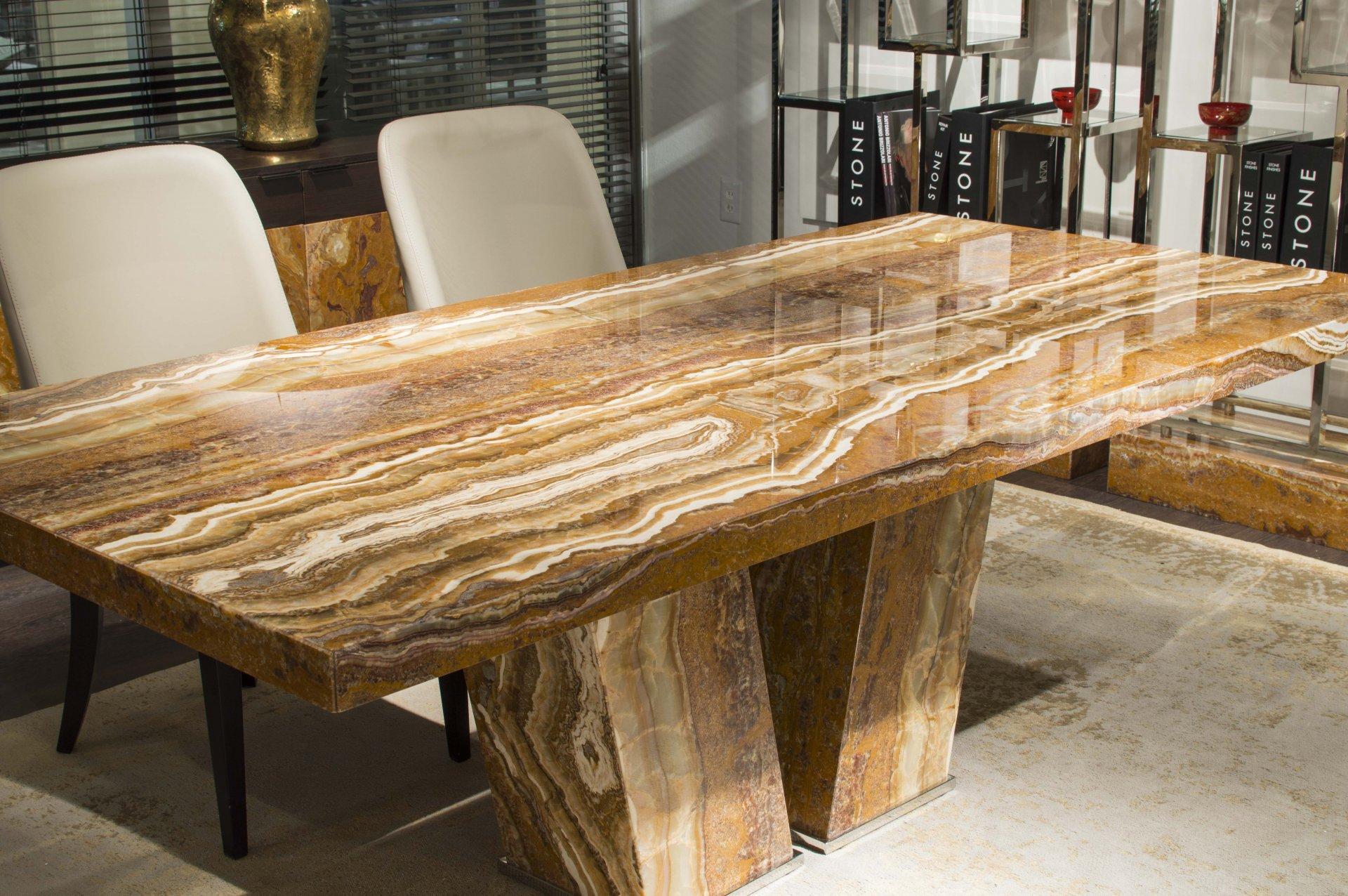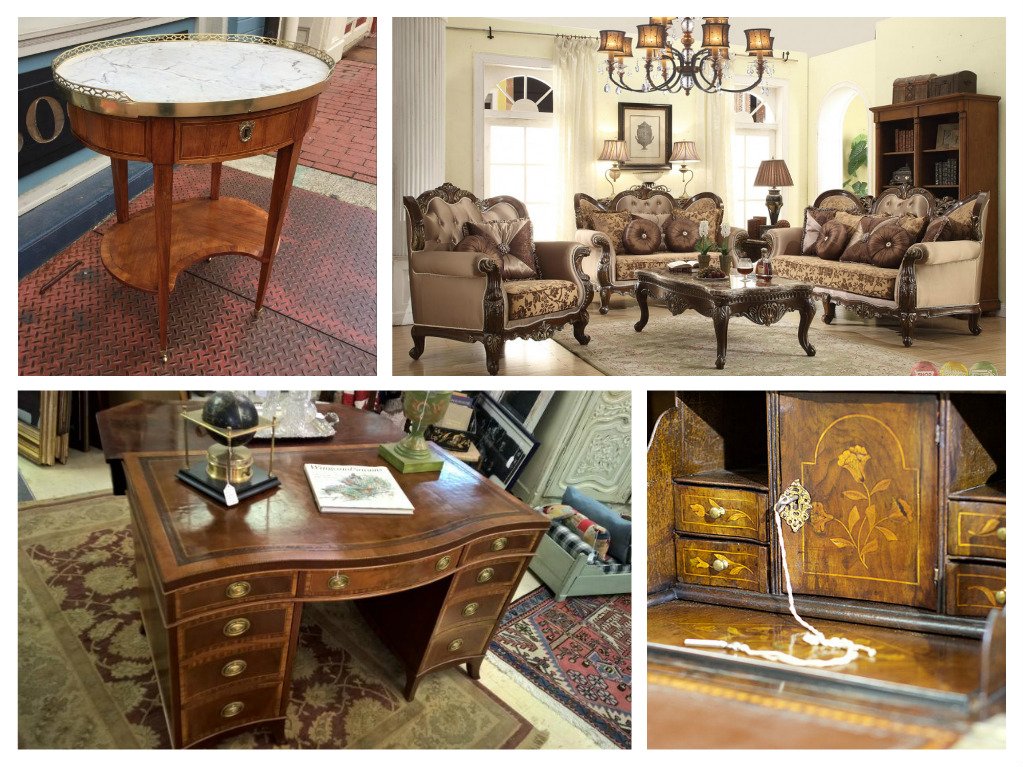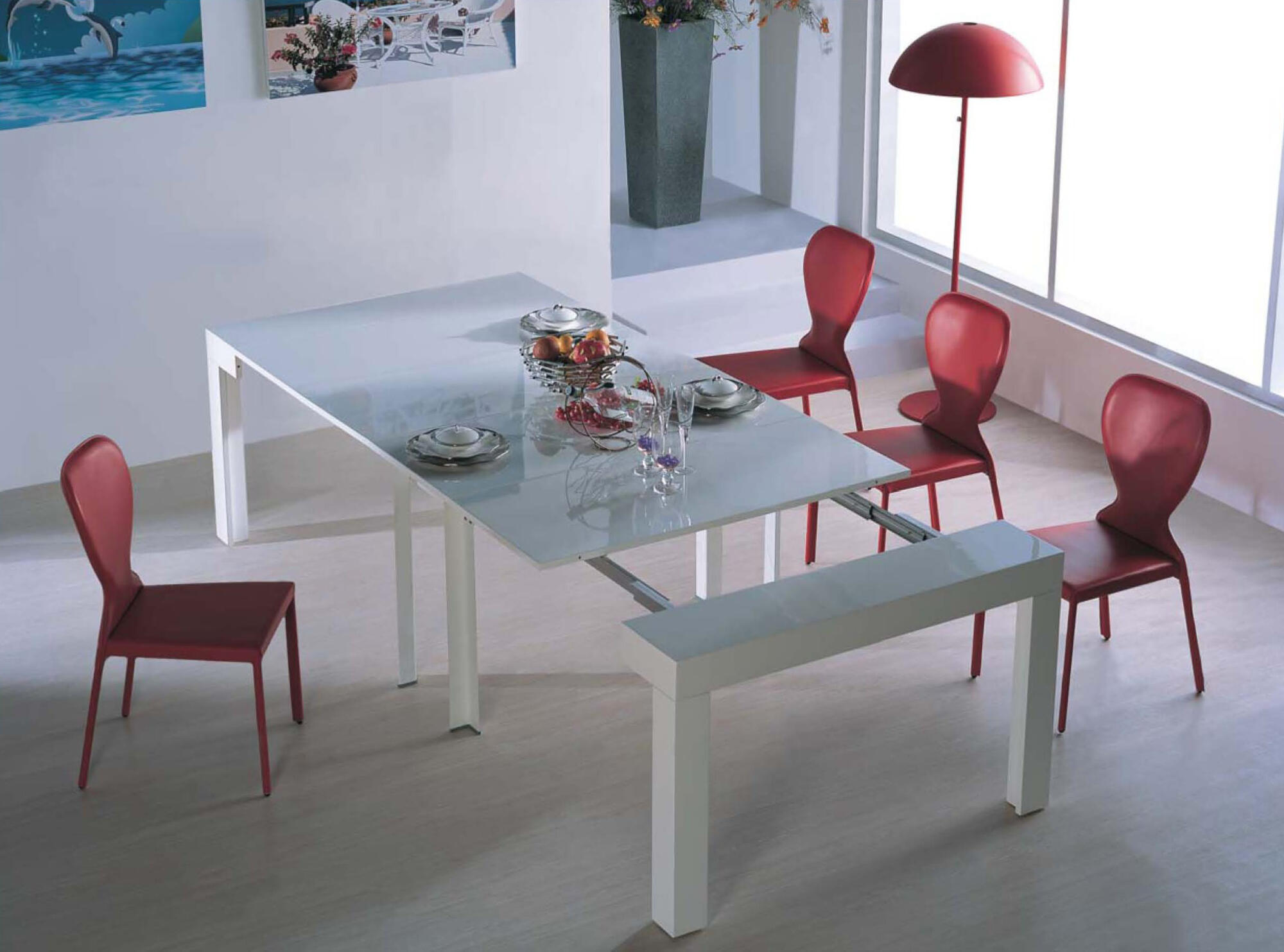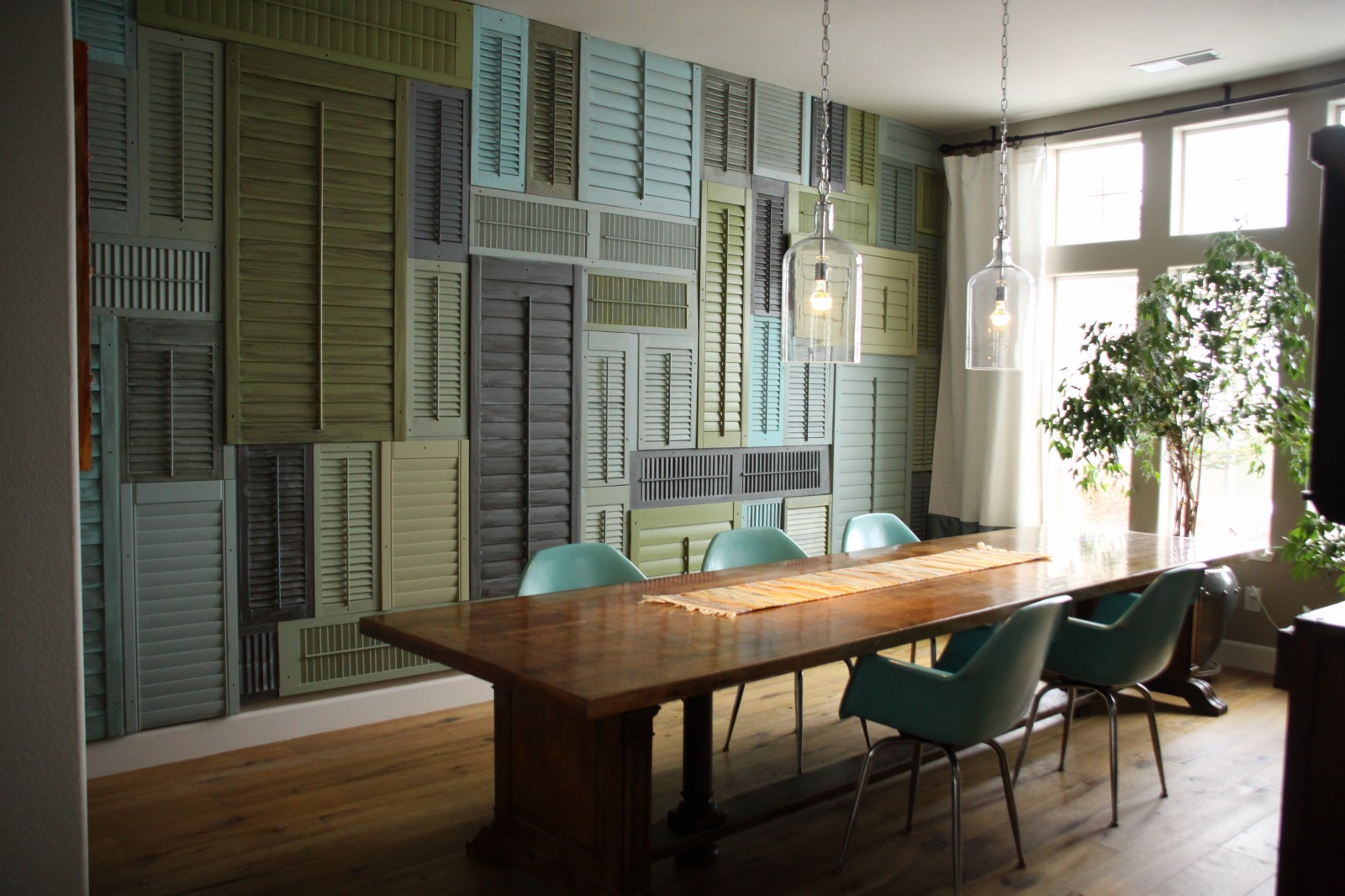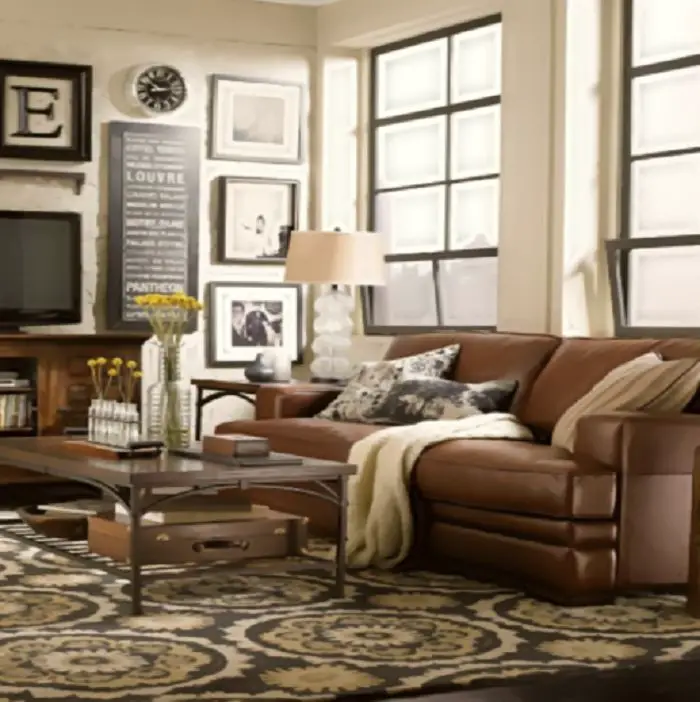

Once the unquestioned centerpiece of dining rooms adn workshops alike, wood is yielding floor space to slabs of marble, granite and quartzite that carry the quite authority of stone. Thes surfaces read like condensed landscapes-veins and flecks that map time in mineral instead of tree rings-and their presence reshapes how we imagine interior permanence,maintenance and style.
The shift is less a rebellion than a recalibration. Architects and homeowners are weighing aesthetics, longevity, and practical performance against cost and environmental impact; they find in natural stone a blend of toughness, unique visual character and thermal properties that wood can’t easily match. At the same time, evolving design tastes, improved fabrication techniques and new supply dynamics make stone more attainable and adaptable to everyday living. In the paragraphs that follow we will unpack the forces-practical,cultural and technical-nudging stone to center stage and consider the trade-offs that come with replacing familiar timber with ancient rock.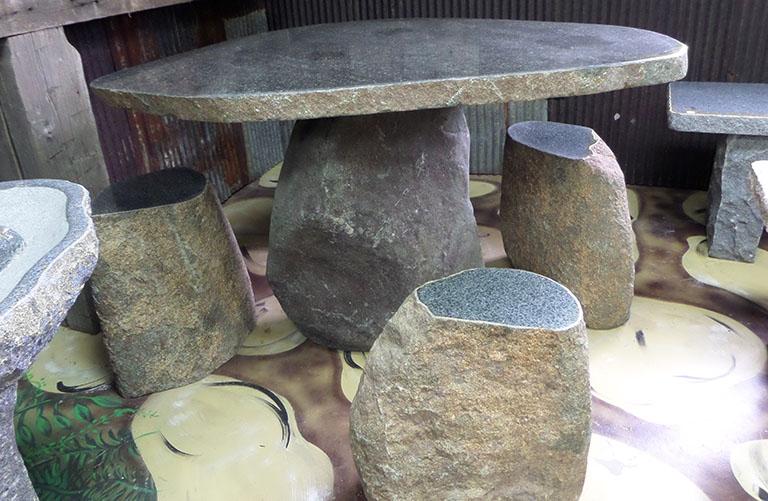
durability and maintenance: Why Natural Stone Outlasts Wood and How to Care for It
Think of natural stone as a slow-moving rival to time: it wears with character rather than surrendering to it. Compared with wood, which swells, shrinks and dents with changing humidity and daily use, stone resists moisture, heat and abrasive wear thanks to its mineral composition and density. Longevity isn’t just about toughness; it’s about predictable aging – stone develops a stable patina instead of cracking or warping – so a well-made stone table can stay structurally and visually intact for generations.
- Scratch resistance: dense surface resists everyday marks
- Moisture immunity: less prone to warping or rot
- Heat stability: withstands hot pans and sun exposure
Caring for stone is straightforward and forgiving, turning upkeep into a few simple habits rather than constant interventions. Routine cleaning with a mild pH-neutral detergent and soft cloth keeps the surface bright; periodic sealing (frequency depends on stone type) strengthens stain resistance, while preventive measures preserve the finish. Small rituals make a big difference: use coasters,lift heavy objects instead of dragging,and treat spills promptly.
- Daily: wipe with warm water and mild soap
- Monthly: inspect and reapply sealer if the stone appears dull
- Stain treatment: a poultice or manufacturer-recommended cleaner for stubborn marks
Sustainability and Sourcing: Comparing Environmental Footprints and Choosing Responsibly Quarried Stone
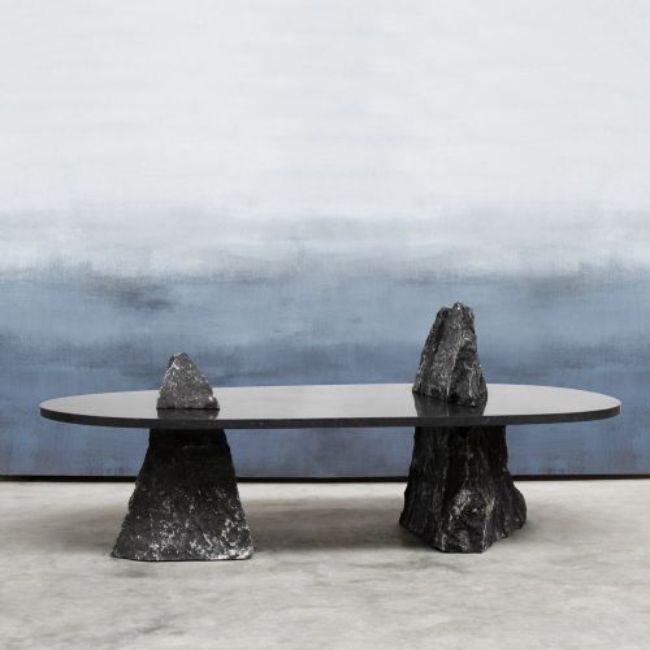
Choosing stone for a table isn’t just an aesthetic decision-it’s a calculated environmental trade-off. Durable slabs can outlive multiple generations of wood and reduce replacement cycles, but quarrying has its own footprint: energy for extraction, water use, and landscape disturbance.Prioritize quarries with clear rehabilitation plans and transparent transport logistics; the carbon cost of shipping heavy stone frequently enough outweighs extraction emissions. Speedy checklist to guide a responsible purchase:
- Provenance: local or regional sources reduce transport impact
- Reclamation: active site restoration and habitat plans
- Waste handling: stone offcuts reused or recycled
- Third-party audits: chain-of-custody and environmental management
When you compare footprints, think in terms of lifetime service rather than a single number-stone often scores higher on initial emissions but wins on longevity and reparability. Below is a simple snapshot that illustrates typical trade-offs; use it as a starting point for asking suppliers the right questions about embodied carbon, transport distances, and post-quarry stewardship.
| Material | Embodied CO₂ (kg/m²) | Expected Lifespan |
|---|---|---|
| Oak (domestic) | 45 | 30 years |
| Granite (local) | 85 | 100+ years |
| Reclaimed stone | 20 | 80 years |
Design Flexibility and Practicality: Matching Stone Finishes to Room Use and Everyday living Needs
Natural stone brings a vocabulary of finishes that lets you choreograph how a room lives and breathes: from the mirror-like clarity of a polished top that elevates a formal dining setting to the soft, satin resilience of a honed surface that forgives meal prep and everyday spills. Choose with purpose-durability, stain resistance, and comfort under hand are as important as color and pattern-so the surface you adore also suits how you actually use the space. Stone tolerates heat and water far better than wood, and with the right finish it keeps a lived-in look without constant fussing.
Practical choices are simple when matched to activity: a low-sheen or textured finish hides scratches and fingerprints, a sealed polished slab makes for fast wipe-downs, and rougher outdoor treatments resist slipping and weathering. Consider these quick pairings to guide selections:
- Polished: Formal dining, low abrasion, easy cleaning
- Honed: Kitchen islands, knife-friendly, matte elegance
- Leathered: Coffee tables, hides marks, tactile warmth
- Flamed/Textured: Outdoor patios, anti-slip, rugged appeal
| Finish | Best Use | Care Level |
|---|---|---|
| Polished | Dining, bar tops | Low |
| Honed | Prep islands | Medium |
| Leathered | Living surfaces | Low-Medium |
| Flamed | Exterior | Low |
Cost Longevity and Value: Budgeting for Installation, Anticipating Repairs and Knowing when Stone Pays Off
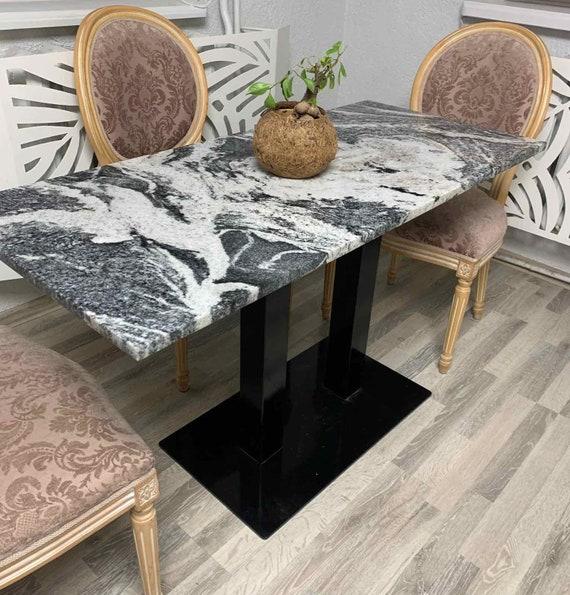
Think of a stone table as an investment with a different cash-flow profile than wood: a larger up-front outlay but lower recurring maintenance. When planning your budget, account for the hidden line items that often surprise buyers - not just the slab price but the extras that make the piece usable and durable. Key cost drivers include:
- Material & slab grade: rarer patterns and thicker slabs raise the base price.
- Fabrication & edge work: cutting, polishing and custom edges add skilled-labor costs.
- Installation & substrate prep: reinforcement, leveling and delivery logistics can equal fabrication expenses.
- Sealing & finishing: protective treatments reduce stains but add to initial spend.
Budgeting with those items in mind will show why some shoppers shift dollars from frequent wood replacements into a single, longer-lasting stone purchase.
Repairs and upkeep are different rather than absent: expect occasional re-sealing, prompt chip repairs, and polishing to restore finish – but not the cyclical refinishing or water damage concerns of wood. The snapshot below compares typical lifespans and common near-term repair notes:
| Material | Typical lifespan | Short-term repair |
|---|---|---|
| Granite | 50+ years | Minor chips, reseal |
| Marble | 30-50 years | Etch polishing |
| Engineered stone | 40+ years | Surface scratch fill |
| Wood (for contrast) | 10-20 years | Refinish, replace boards |
Consider these simple cues that signal when stone truly pays off:
- Heavy daily use: kitchens, conference rooms, or busy dining areas.
- Desire for longevity: owners planning to live in a home for decades.
- Resale value focus: markets where durable, low-maintenance surfaces command premium prices.
When those boxes are checked, the higher initial cost often converts into real savings and lasting value.
Wrapping up
As kitchens and living rooms evolve, the quiet solidity of natural stone is making its presence felt-less as a loud new trend and more as a patient choice to the warmth of wood. Stone tables bring a different language to a home: cool to the touch, resistant to time, and patterned by forces older than any furniture style.
That said, they are not without trade-offs. Weight, cost, and the loss of wood’s familiar aging process are considerations that keep the choice personal rather than prescriptive. For many, the decision comes down to what kind of daily companion you want the table to be-one that softens and tells a lifetime of scratches, or one that endures the years with quiet, geological dignity.
whether you choose stone or wood, both surfaces carry stories. Natural stone is simply writing the next chapter in a long dialog about beauty, use, and how we live around the objects that hold our meals, work, and memories.