
A room’s ceiling is more than a structural necessity – it’s a stage for how a space feels. Low ceilings can make a room seem cozy or cramped,depending on the light,color and composition that meet the eye. Fortunately, making a ceiling feel taller doesn’t require tearing out joists; it’s largely a matter of perception, shaped by paint, light, proportion and the careful placement of lines and reflections.
This article explores the subtle strategies designers use too lift a room visually: from color choices that draw the eye upward to architectural details and lighting tricks that elongate and open a space. You’ll find simple, affordable adjustments alongside more involved options, each explained so you can decide what fits your home and budget.
Read on to learn practical, creative ways to create the illusion of height – techniques that transform how your rooms feel without changing the floor plan.
Paint ceilings a shade lighter than the walls and extend the color a few inches down to blur the boundary
Choose a ceiling hue just a touch paler than your walls and carry it down the top few inches of the wall to dissolve the hard edge where the two planes meet. This soft overlap creates an optical lift, making the room feel airier without changing moldings or adding expensive alterations.The effect is subtle - like a sky gently fading into the horizon – and works especially well when paired with warm lighting and simple trims that let the painted transition be the star.
- Shade gap: 1-2 tones lighter than walls
- Drop distance: 2-6 inches from the ceiling line
- Finish: eggshell or satin for a soft reflection
- Technique: cut in and feather the edge for a seamless blend
Prep a small test strip near a window to see the daylight effect, then use an angled sash brush to cut in and a slightly damp brush to feather the pigment downward for that blurred boundary. Skip heavy taping if you want a natural transition - tape can create a crisp line you’re trying to avoid – and consider combining this trick with vertical accents or taller furniture to amplify the perception of height. Small rooms gain big impact from this understated tweak: it’s an easy paint job with dramatic spatial payoff.
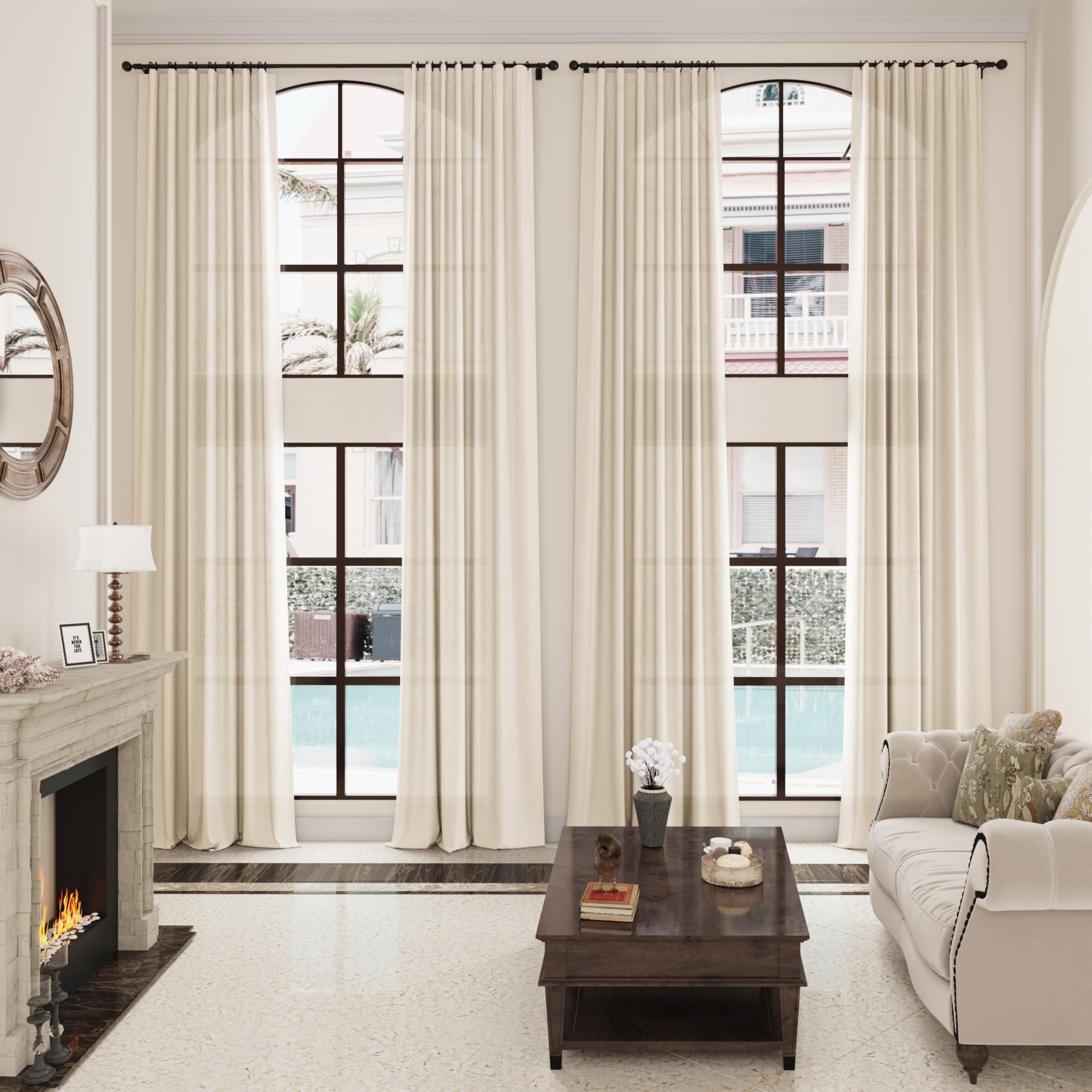
Maximize vertical lines with tall drapery and narrow striped wallpaper to lift the eye upward
Draw the eye skyward by creating uninterrupted vertical flow: hang floor-to-ceiling panels so the fabric falls from just below the crown molding to skim the floor, and pair them with wallpaper that emphasizes thin, upright lines. Small choices amplify the effect – a floating rod placed high makes windows read taller, sheer or linen textures add airy movement, and a narrow stripe pattern visually extends walls instead of chopping them into bands. Use high-contrast stripes sparingly (for example, soft dove on cream rather than stark black on white) to avoid shrinking the space while still reinforcing height.
Simple styling rules keep the illusion convincing: minimize horizontal interruptions, keep cornices and heavy trim subtle, and let furniture sit low to the floor so the vertical rhythm dominates. Try these practical tweaks for immediate impact:
- Mount hardware close to the ceiling (3-6 inches below crown)
- Select narrow stripes (about ½-1 inch) for continuous lift
- Choose long panels that either puddle slightly or just touch the floor
- Coordinate color families so drapery feels like an extension of the wall
These small edits work across bedrooms, living rooms and narrow halls – together they transform proportions, making even modest ceilings feel graciously tall.
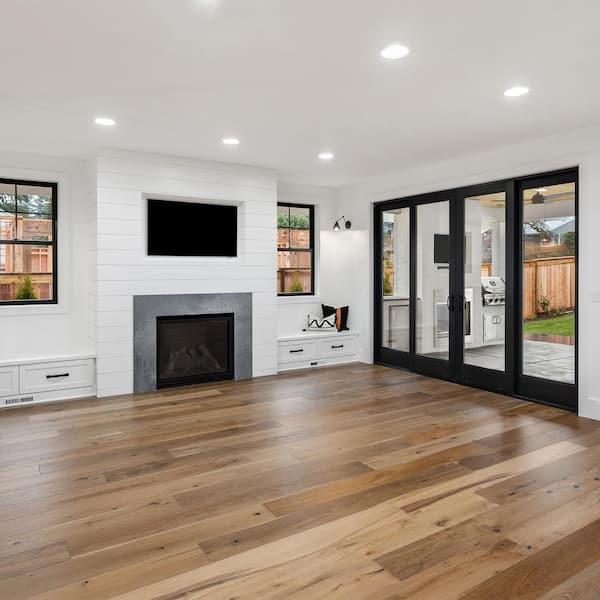
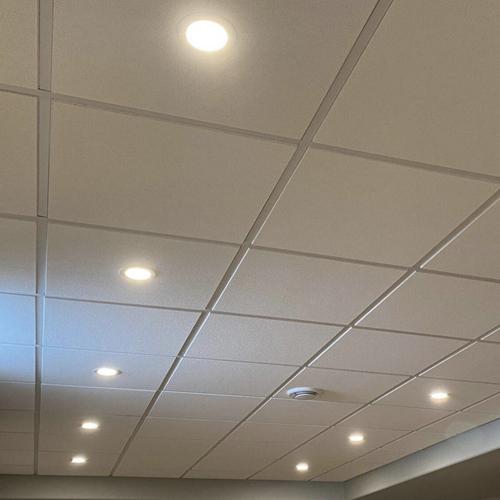
Choose recessed or uplighting and low overhead fixtures that free visual space above
Hugging the architecture with lighting instead of dangling from it is a quiet trick that makes a room feel freer and taller. Opt for low-profile cans, slim tracks and wall-facing uplights that fold illumination into surfaces rather than interrupting the sightline; the result is visual breathing room above your head and a calmer ceiling plane that lets height read naturally. Small decisions – shallow trims, recessed housings and narrow pendants hung close to the ceiling – add up to a feeling of lift without changing a single structural element.
- Uncluttered ceiling – fixtures recede so the room’s proportions stand out.
- Wall-washers and uplights – guide the eye up and emphasize vertical planes.
- Low-profile fixtures – deliver function with minimal visual weight.
Layer those low-profile lights with dimmers and targeted uplighting to create depth and gentle upward glow; bright walls and reflective ceiling finishes amplify the effect without more fixtures. Pair placement with scale – several small,shallow sources beat one oversized pendant – and consider finishes and beam angles that push light toward walls and ceilings,subtly stretching the space upward.
| fixture | Effect |
|---|---|
| Recessed can | Seamless general light |
| Uplight sconce | Vertical emphasis |
| Slim pendant | Task light, small profile |
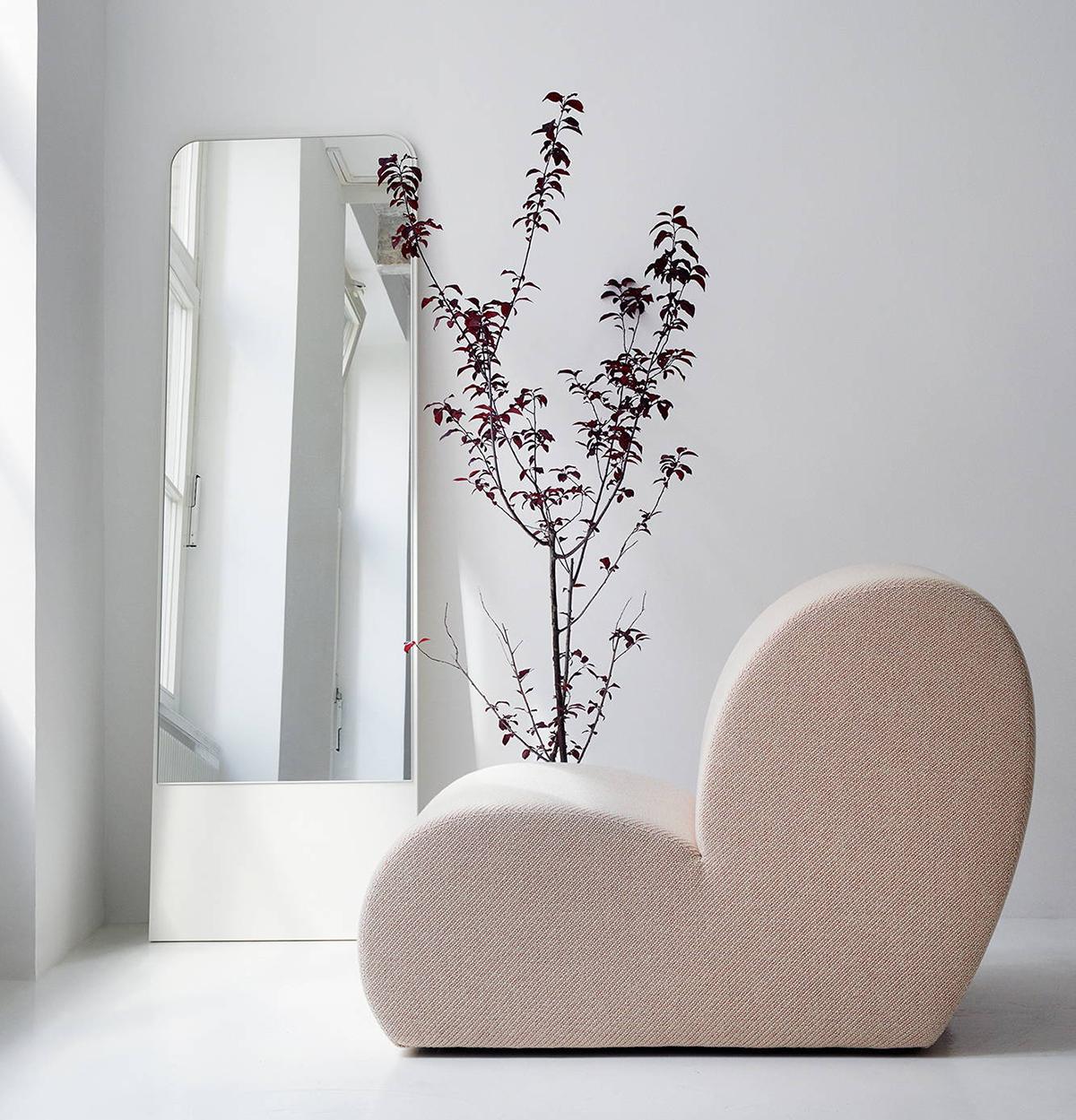
Select low-slung furniture and vertical storage elements to lengthen sightlines through the room
Keep furniture close to the floor and let your gaze travel uninterrupted from one end of the space to the other – that gentle visual sweep is the trick to making a room feel airier and the ceiling higher. Embrace low-profile sofas, platform beds and slim-legged coffee tables that sit quietly beneath eye level, and resist tall, bulky pieces in the centre of the room. Simple strategies to try now:
- Choose legs: furniture on slender legs exposes floor and creates a continuous line.
- Limit bulk: opt for compact silhouettes rather than chunky forms that block sightlines.
- Make a runway: align low pieces to form a clear path across the room.
Counterpoint those horizontal runs with vertical storage that lifts the eye smartly upward – think tall, narrow shelving, ladder bookcases, or built-in cupboards that draw attention to height without crowding the middle. The balance between low and tall elements is simple and effective:
| Low pieces | Vertical elements |
|---|---|
| Low sofa | tall open shelving |
| Platform bed | Floor-to-ceiling bookcase |
| Slim coffee table | Narrow display tower |
Keep finishes light and lines clean, use a consistent color palette between the two, and leave negative space around tall items - these small choices amplify visual height and make ceilings feel noticeably taller.
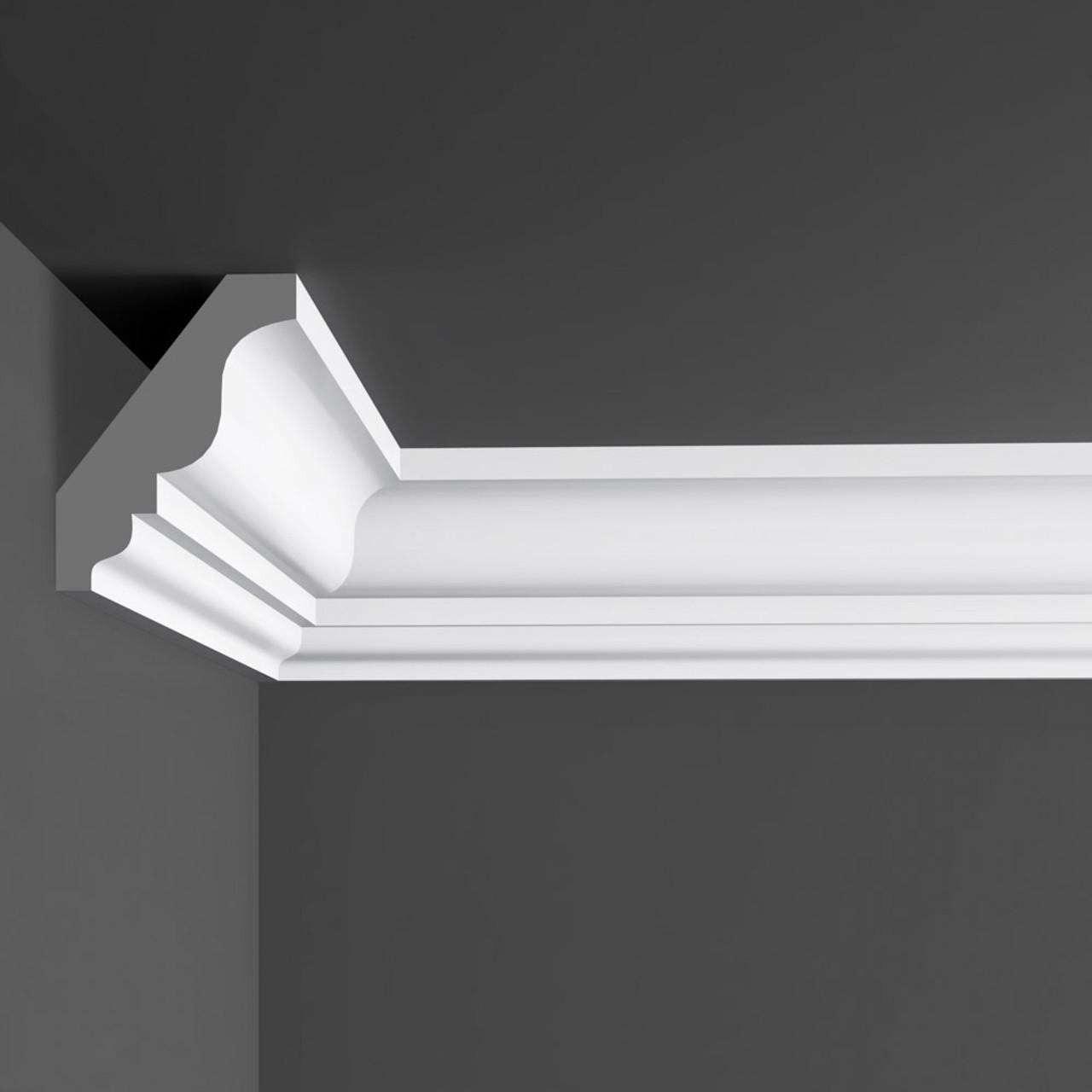
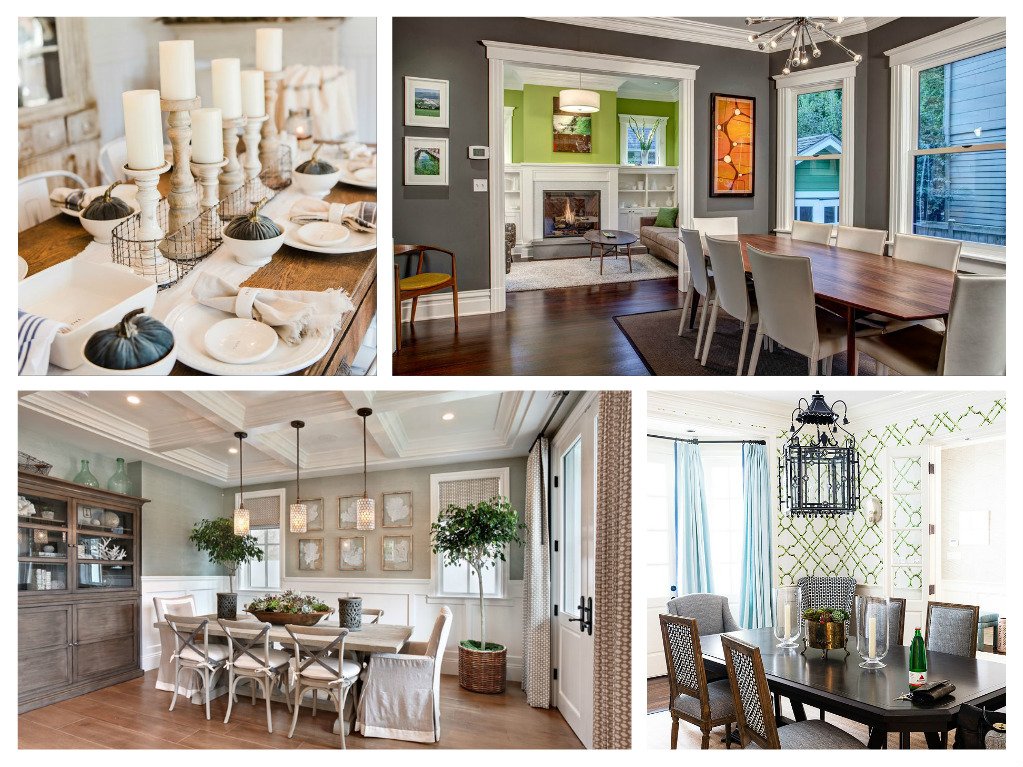
Use crown moulding, high-placed artwork and upward-directed accents to create an intentional upward focus
Crown moulding is more than trim-it’s a visual pull that guides the eye where you want it. A slim, continuous profile painted the same hue as the ceiling makes the room feel taller and seamless; a contrasting finish reads like a deliberate cap that elevates the walls. Pair narrow, vertically stacked frames and high-mounted canvases with short gaps between pieces so viewers look up to take in a composed vertical rhythm rather than scanning across the room.
- Hang artwork with top edges near the moulding or install picture rails to keep pieces high.
- Choose tall,slim accents – floor lamps,mirrors placed vertically,or columnar plants.
- Use upward-facing sconces or recessed uplighting to highlight crown profiles and wash the ceiling.
- keep lower walls lighter and less cluttered so attention naturally rises.
Finish the strategy with texture and light: a subtle vertical stripe, beadboard that climbs, or a row of recessed uplights magnifies the effect while mirrors and reflective surfaces bounce light upward. When moulding, art and accents speak the same visual language-scale, spacing and a touch of contrast-they work together to make ceilings feel expansively taller without changing the architecture itself.
to wrap It Up
A taller ceiling doesn’t always require a contractor’s bill – it asks only for a few thoughtful choices that lift the eye, streamline the space, and let light do the heavy lifting. Weather you choose color and continuous flooring to blur boundaries, vertical lines and trim to draw the gaze upward, or carefully placed lighting and mirrors to enhance brightness and depth, the most effective results come from layering modest techniques rather than relying on one single trick. Pay attention to proportions and balance: tall drapes, slim furniture, and consistent paint tones work best when they feel intentional rather than forced.Start small, test a paint swatch or curtain rod height, and adjust until the room reads as more open and airy. With a little restraint and a touch of creativity, you can make even a modest ceiling feel expansive – a subtle architectural upgrade that changes how you experience the whole room.