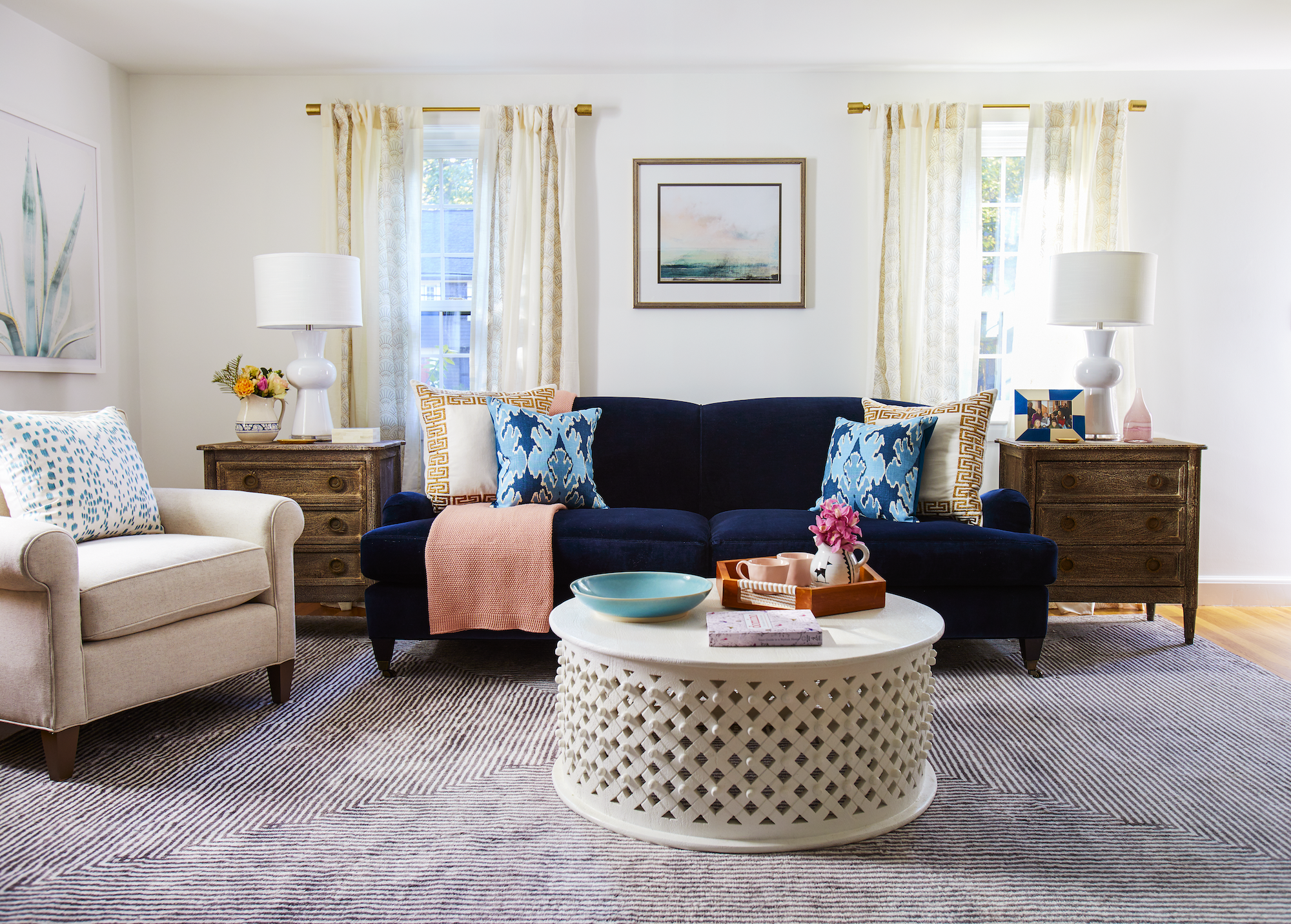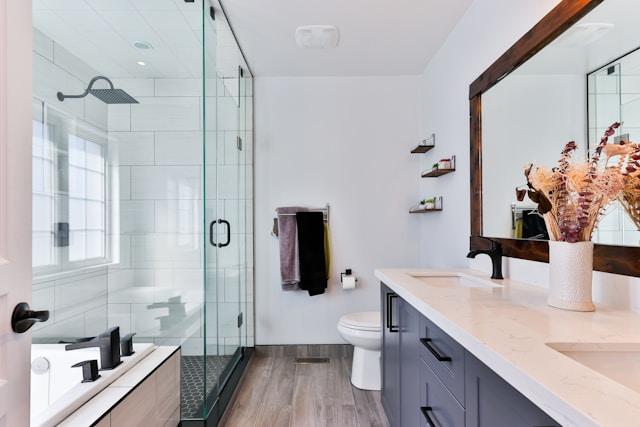

An all-white room is a little like a blank page: calm, clear and full of possibility. It offers light a place to play,shapes room to breathe,and strips distractions down to silhouette and surface.but that same restraint can feel chilly or anonymous if personality doesn’t get a seat at the table.
Bringing character into a white space is less about breaking the palette and more about composing within it. This article explores ways to warm and individualize white rooms through texture,scale,pattern,color accents,curated objects and lighting-small choices that read as confident,not cluttered. Whether you prefer quietly layered minimalism or a lively, eclectic mix, you’ll find practical ideas for turning pristine neutrality into an unmistakably personal setting.
Define a personality palette with strategic accent colors and natural wood tones
Choose a tiny toolkit of colors that do the storytelling for you: pick one confident accent, one soft supporting hue, and a metallic or deep neutral for punctuation, then let natural wood act as the warm anchor that ties everything back to the room’s white canvas.keep proportions in mind – think 80% white, 15% wood and textiles, 5% vivid color – and repeat your chosen accents in different textures so they read as intentional rather than accidental. Below is a speedy palette starter to spark combinations that feel cohesive without overwhelming the space:
| Accent color | Sample hex | Suggested wood tone |
|---|---|---|
| Warm terracotta | #C85A3F | Honey oak |
| Muted teal | #2E8B8A | Walnut |
| Soft mustard | #D4A017 | Beech |
- Anchor with furniture: a bench or sideboard in a chosen wood tone sets a lived-in mood instantly.
- Layer textiles: cushions, throws and a rug in your accent trio add rhythm and comfort.
- Frame the whites: use trim,picture frames or a painted window sill in the supporting hue for subtle cohesion.
- Punctuate sparingly: reserve the brightest color for small, repeatable touches – a vase, lamp, or a single chair.
- Let texture talk: woven woods, matte ceramics, and brushed metals make the palette read richer against white.
- Repeat and rotate: echo each accent across three or more spots to create a deliberate visual conversation.

Layer texture and pattern using rugs,throws,cushions and mixed fabrics for tactile warmth
Invite touch into white spaces by building layers that read as intentional rather than cluttered. Start with a grounding rug in a warm natural fiber, then scatter cushions of varying sizes and fabrics-linen for breathability, velvet for depth, and a chunky knit for comfort-so every seat becomes a tactile moment. Let draped throws hang casually over an armchair or the end of the bed; thier folds create shadow and softness against pristine walls, turning starkness into a curated, lived-in canvas.
- Foundation: single rug to anchor the furniture layout
- Scale play: one large pattern, one medium, one small-keep colours related
- Texture trio: smooth (silk/linen), nubby (wool/jute), plush (velvet/faux fur)
- Seasonal swap: lightweight cottons in summer, layered wools in winter
Mixing patterns becomes effortless when you treat texture as your main motif: a subtle stripe beside a nubby weave reads calmer than two competing florals. Use a restrained palette-different creams, warm ivories and a single accent tone-to let patterns breathe while preserving brightness. arrange cushions and throws in uneven groups (3-5 pieces) and rotate fabrics seasonally so the all-white backdrop always feels fresh, tactile and unmistakably personal.
Curate art, books and personal objects to tell a story across white walls and surfaces
The blankness of white walls becomes a narrative when you curate with intention: pick a small cast of objects and let them play roles-one bold piece as the protagonist, a few quieter items for supporting beats. Think in terms of contrast (a black frame, a warm wooden bowl), scale (a tall lamp beside a low stack of books) and texture (linen, clay, metal) to give the eye places to rest. Try these simple moves to weave continuity across surfaces:
- Anchor a vignette with one dominant artwork or object.
- Layer items at staggered heights-books, small frames, and sculptural pieces.
- Repeat a color or material in three places to create rhythm.
- Rotate objects seasonally so the story evolves without clutter.
Mix and match from the table below to build instant personality and then step back to edit-white space is your ally, not an absence. Curation is the art of omission as much as selection; keep each surface confident but uncluttered.
| Object | Why it works | Placement |
|---|---|---|
| Large print | Provides a focal anchor | Above sofa |
| Stacked books | Adds color and height | Side table |
| Clay bowl & brass trinket | Texture and warmth | Entry console |

Use layered lighting and warm metallic finishes to carve out depth and intimate zones
Think of light and metal as the sculptor’s hands: they don’t need color to create personality,only contrast,reflection and warmth. Use layered lighting to stack moods – a soft central glow, task beams for reading and cooking, and low accent light to pull surfaces forward. Pair those layers with warm metallic finishes (brushed brass, satin copper, aged bronze) so that glints of metal read like punctuation marks across white planes, carving out cozy pockets without adding color.Dimmers, swivel heads and directional pendants help you tune each zone: a low-hung brass pendant anchors a conversation area, a slim bronze floor lamp frames a reading chair, and tiny LED strips behind shelving give depth to a plain white wall.
- Anchor seating with a warm-brass pendant to define the lounge area.
- Frame bedside or sofa nooks with bronze wall sconces for intimacy.
- Layer task lamps and under-cabinet LEDs to keep white surfaces lively.
- Mix matte and polished metals so reflections feel curated, not garish.
Small choices amplify atmosphere: a mirrored tray, a hammered copper bowl or a slim brass table will catch lamplight and create tiny pools of warmth, making each vignette feel deliberate. aim for warm color temperatures – 2700K-3000K – so highlights read golden rather than clinical, and let shadows be part of the composition; they define edges, separate functions, and make an all-white room feel inhabited and intimate.
| Layer | Fixture | Finish |
|---|---|---|
| Ambient | Pendant / Recessed | Brushed Brass |
| Task | Floor Lamp / Under-cabinet | Satin Copper |
| Accent | Wall Sconce / Spot | Antique Bronze |

Anchor the room with plants, sculptural furniture and varied scale for lively balance
Introduce living texture and sculptural moments to cut through the pristine calm of white walls. A tall plant draws the eye upward and softens corners, while a singular, curvaceous chair or a geometric coffee table becomes a quiet piece of art. Think in contrasts: glossy pots against matte plaster, soft leaves next to hard lines, and a mix of tall, medium and low elements so the eye moves-never rests-across the room. These choices turn emptiness into intention and make every glance feel discovered.
- Corner statement: large fiddle-leaf or palm to fill vertical space
- Focal furniture: sculptural armchair or sideboard with unusual silhouette
- Layered scale: pair a low coffee table with a tall floor lamp
- Textured accents: woven basket planters and ceramic vases in varying heights
Compose the room as you would a photograph: a strong subject, supporting shapes and varied depth that invite touch.Use plant life, one-off furniture pieces and deliberate shifts in scale to create warmth and rhythm-white becomes not a backdrop but a stage for personality.
Insights and Conclusions
White may read as a blank page, but it’s also a patient canvas that rewards careful choices. By layering texture, introducing unexpected accents, and curating objects that carry memory, you let the space reveal personality without overwhelming it’s calm. Thoughtful lighting, artful contrast, and tactile details create depth that invites touch and attention rather than shouting for it. an all-white room becomes most interesting when it quietly reflects the people who live in it-so start small, experiment, and let the space evolve with you.