
there was a time when doorways announced themselves with crisp geometry - a hard line that cut rooms into neat, separate boxes. Lately,though,entrances are losing their scalpel edges and trading them for the gentle sweep of rounded arches. The change is visible in everything from renovated townhouses to minimalist office fit-outs: thresholds that curve, corners that yield, and a prevailing sense of movement where once there was a clear stop.
This is not just a stylistic whim.Rounded arches respond to a confluence of aesthetic and practical forces: an appetite for softer,human-scaled spaces; advances in manufacturing and materials that make complex shapes easier and cheaper to produce; and design philosophies that favor flow,daylight,and acoustic comfort. Weather rooted in historical references, psychological comfort, or technical efficiency, the arch is reappearing as a versatile element that redefines how we enter and inhabit rooms.
In the pieces that follow we’ll unpack the reasons behind the shift – from structural and material innovations to cultural and sensory factors – and consider what the return of the arc means for architects, homeowners, and the urban environment. The question is less about nostalgia and more about what kind of spaces we want our built world to feel like.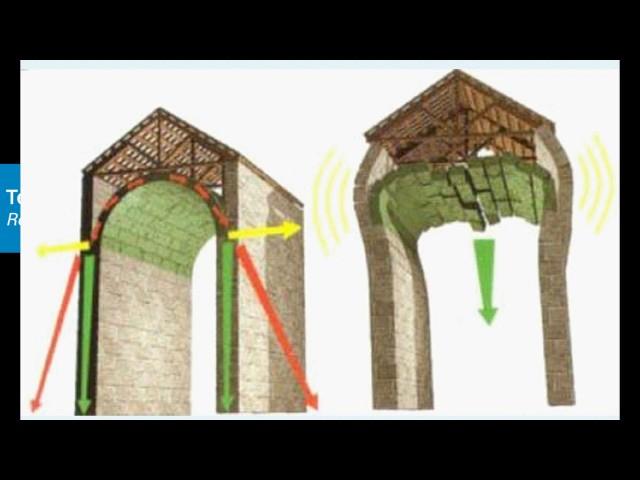
From Formality to flow: How Rounded Arches Calm Interiors and Improve Wayfinding
Rounded openings instinctively slow and soften the way we move through a room: the eye is drawn along a curve rather than halted by an abrupt edge, creating a sense of welcome and continuity. Architects and designers are leaning into this effect because curves offer more than aesthetic charm – they deliver clear visual cues that help people orient themselves without signage, reduce the perceived harshness of a space, and encourage a calmer pace of movement that feels more human-scaled than rigid right angles.
- Calm circulation – gentle arcs reduce visual friction and encourage a relaxed flow.
- Instant framing – arches naturally highlight destination points and pathways.
- Inclusive design - softer transitions are intuitively navigable for all ages and abilities.
Beyond the psychological payoff, rounded entries practically improve wayfinding: they create portals that frame vistas and reveal successive spaces in a controlled rhythm, making layouts easier to read at a glance. Materials,scale,and lighting amplify this effect – a shallow,well-lit curve guides without dominating,while textured finishes can subtly signal direction. The result is an interior that feels purposeful and effortless, where movement is choreographed by shape rather than by a parade of signs.
| Traditional edge | Curved alternative |
|---|---|
| Sharp interruption | Seamless flow |
| Stops the gaze | Guides the gaze |
| Rigid, formal | Warm, approachable |
Load Bearing and Material Choices: Technical Insights on Curved Openings and Recommended finishes
Curved openings are more than an aesthetic softening of a room – they change how forces travel through the structure.By following the arch action, loads are diverted into thrust lines rather than concentrated points, which can reduce the need for bulky supports when detailed correctly. Practical considerations include bearing length, spandrel depth, and junction detailing; good practice often pairs a shallower radius with increased bearing, while tighter radii may require hidden steel or reinforced heads. Key points to coordinate with your engineer and contractor are:
- Bearing width: sufficient to distribute thrust into the supporting wall or frame
- Lateral restraint: tied-in elements or steel lintels to control spreading
- Tolerance & finishing: allowances for plaster, insulation and trim to follow the curve
These measures keep the opening both durable and true to the intended profile.
Material choice dictates both structural performance and the tactile finish of a rounded opening.Lightweight timber arches can be laminated for strength and warmth, while steel or reinforced concrete suits wider spans and higher loads; gypsum or fibrous gypsum systems are excellent for smooth internal curves ready for paint or lime plaster. The simple reference table below helps align selection with finish outcome and upkeep needs:
| material | Structural role | Recommended Finish |
|---|---|---|
| Laminated timber | Medium spans, warm aesthetic | Clear oil or low-VOC lacquer |
| Steel with flange | Long spans, hidden support | Powder coat or intumescent paint |
| Reinforced concrete | Heavy loads, open plan | Lime plaster or mineral paint |
For longevity, prioritize breathable finishes (lime or mineral-based) where masonry meets timber, and use low-VOC paints inside to maintain indoor air quality while preserving the crispness of the curve.
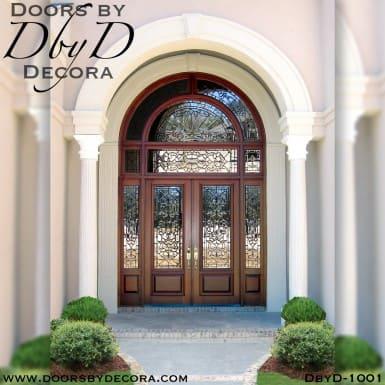
Designing for People: Accessibility Safety and Acoustic Benefits of Radiused doorways
Rounded openings reframe how people move through space: the soft sweep of an arch reduces the chance of catching clothing or bumping into a hard corner, which is especially crucial for children, older adults and anyone using mobility aids. By replacing sharp intersections with gentle curves you create safer navigation, clearer sightlines and a less intimidating environment for neurodiverse visitors. The result is architecture that reads as approachable and thoughtfully designed rather than merely decorative.
Beyond safety, curved doorways are surprisingly good listeners – and silencers. Their geometry helps disperse and diffuse sound, cutting down on harsh reflections and offering improved speech privacy in busy buildings. Designers and homeowners gain functional advantages alongside aesthetics:
- Fewer collision points – lower injury risk in high-traffic routes.
- Smoothed circulation – easier passage for wheelchairs and strollers.
- Acoustic diffusion – reduced echoes and clearer conversations.
- Inclusive feel - environments that welcome a broader range of users.
| Feature | Radiused Doorway Effect |
|---|---|
| Edges | Softened, less hazardous |
| Flow | Smoother pedestrian movement |
| Sound | Diffused reflections, better privacy |
Retrofit and Specification Guide: Practical Steps Selecting Radius Clearances Trim Profiles and Installation Tips
Softening a doorway takes more than aesthetics – it starts with precise measurements and sensible allowances. Begin by mapping the actual wall curve with a flexible template, then translate that into a chosen radius that respects both swing and sightlines; common choices range from a tight 25 mm to a generous 100 mm depending on style. Account for a minimum clearance to prevent paint scuffing and jamb contact (allow extra for hardware), and pick a trim profile that complements the arch: bead for a delicate look, ovolo for a classic curve, or bullnose for modern simplicity. keep a notepad of key dimensions (finished wall thickness, door stop depth, and reveal) - these small numbers decide whether you retrofit with a routed reveal, a fitted cove, or a pre-formed arch kit.
- measure twice – jamb depth, wall thickness, and floor variation.
- Select a radius that balances proportion and practical clearance.
- Test-fit with a cardboard template before cutting trims.
- Match trim profile to room style and hardware finish.
- Allow a 3-6 mm expansion gap behind trims; shim where needed.
| radius | Min Door Clearance | Recommended Trim |
|---|---|---|
| 25 mm / 1″ | 6 mm | Bead |
| 50 mm / 2″ | 10 mm | Ovolo |
| 100 mm / 4″ | 12-15 mm | bullnose |
Installation thrives on small disciplined steps: pre-sand trim faces, rout or bevel jambs to match the curve, and always test the door swing before final fastening. Use long-grain adhesive plus concealed screws for a steady bond in retrofit jobs, and employ thin shims to maintain a consistent reveal – then remove or trim shims after the adhesive cures. Finish techniques matter: fill gaps with flexible caulk, prime cut edges, and lightly sand between coats to keep the curve feeling fluid; a neat, even finish will turn a structural adjustment into a seamless architectural feature. Safety tip: cut templates outdoors and wear eye and dust protection when shaping radius profiles.
Future Outlook
Round arches are more than a stylistic choice; they quietly rewrite how we move through and remember spaces. Where sharp doorways once signaled order and economy, the softened curve invites adaptability, comfort and a subtle continuity with architectural traditions that span cultures and centuries. The result is neither sentimental nostalgia nor trend-driven novelty, but a pragmatic shift toward forms that better serve human perception, structural logic and evolving cultural taste.
As cities and buildings continue to be remade, the rise of rounded openings offers a small but telling clue about priorities in design: resilience over rigidity, welcome over division, and a willingness to blend past practices with present needs. Whether you pass under one in a restored row house or a newly conceived public hall,the arch asks only for attention,suggesting that even modest changes in shape can alter how we inhabit the world.