
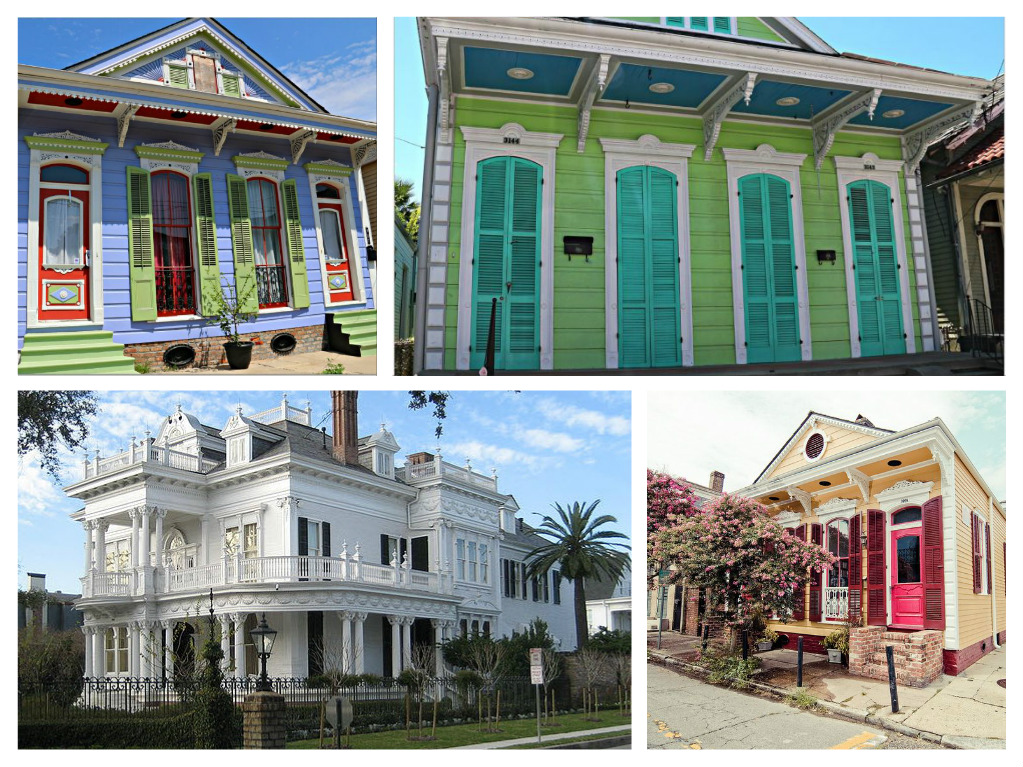
New Orleans architectural style is a mix of French, Spanish and Caribbean influences. When you stroll the streets of New Orleans you are immersed in history. Take a step back in time and enjoy the beautiful details that make up the area homes. There is no denying the charm, elegance and color-rich essence of this great Southern American city.

The French Quarter
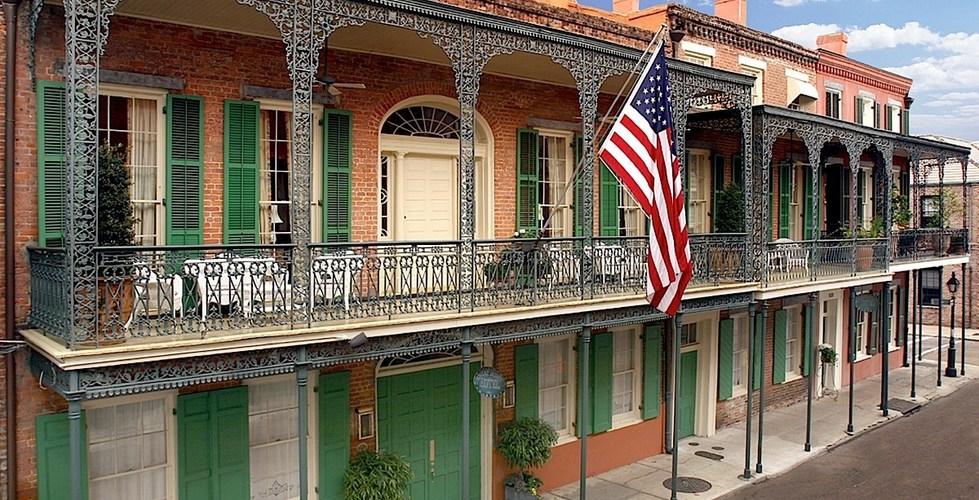
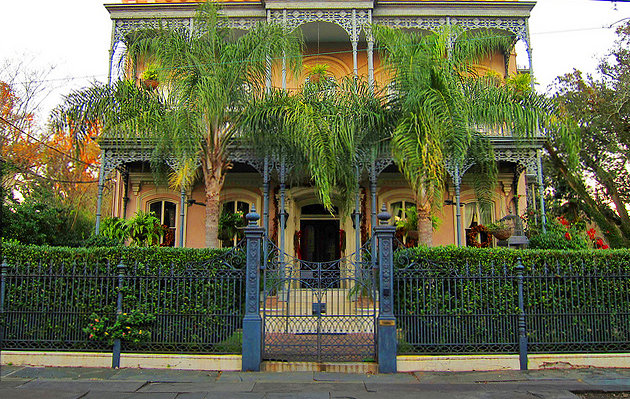
The Soniat House in the heart of the French Quarter of New Orleans is a fine example of the architecture prevalent in the city. Iron balconies with intricate scrollwork and shutters that adorn windows and doors are noted architectural details in the French Quarter.
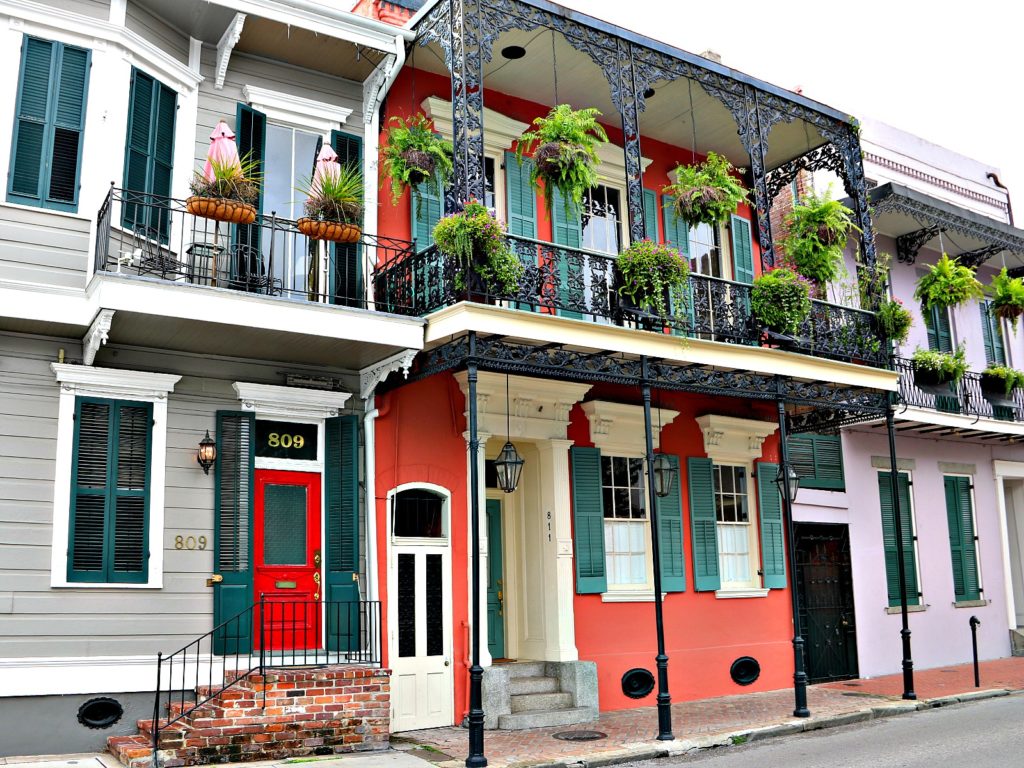
Lush hanging baskets and overflowing flower boxes adorn many of the iron balconies. These two-story structures in the French Quarter are known as Creole townhouses. These homes were built after the Great New Orleans fires of 1788 and 1794, which collectively destroyed 1,068 structures.

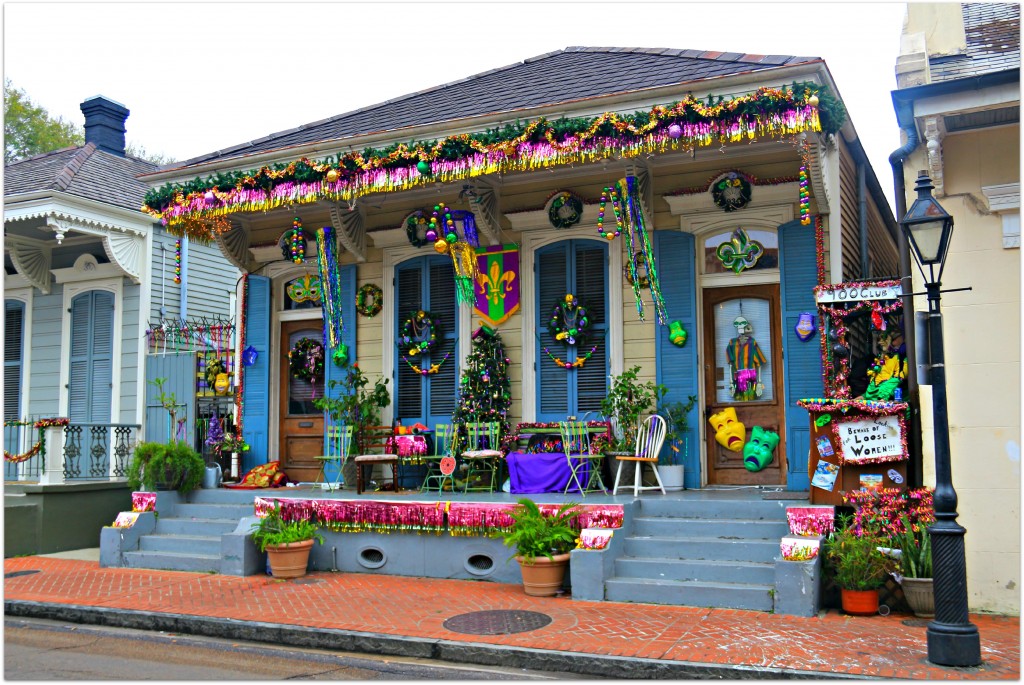
Creole cottages, built between 1790 and 1850, are seen throughout the French Quarter and surrounding areas. These cottages sit close to the road and offer a delightful mix of architectural detail and color. Many of these charming homes are divided into two apartments.

Note the decorate fretwork trim and corbels under the rooflines of these cottages. The homes are unabashedly colorful, with coordinating shutters and trim.

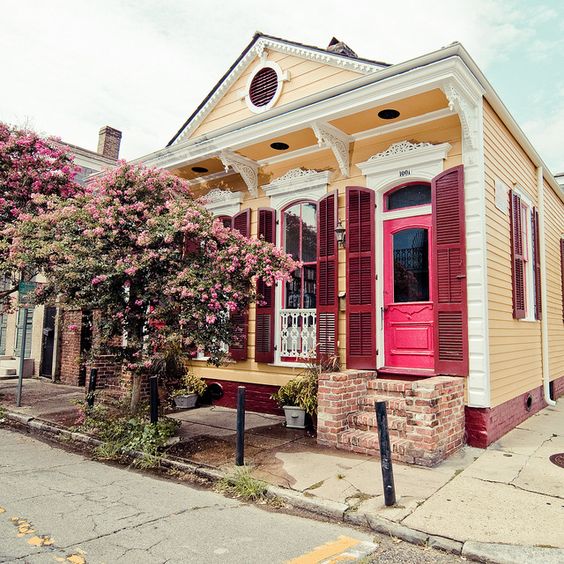
Bywater New Orleans Architectural Style
The Bywater neighborhood of New Orleans is home to some of the most colorful and architecturally delightful Creole cottage homes. Eye-popping color combinations and beautiful details highlight these gems.
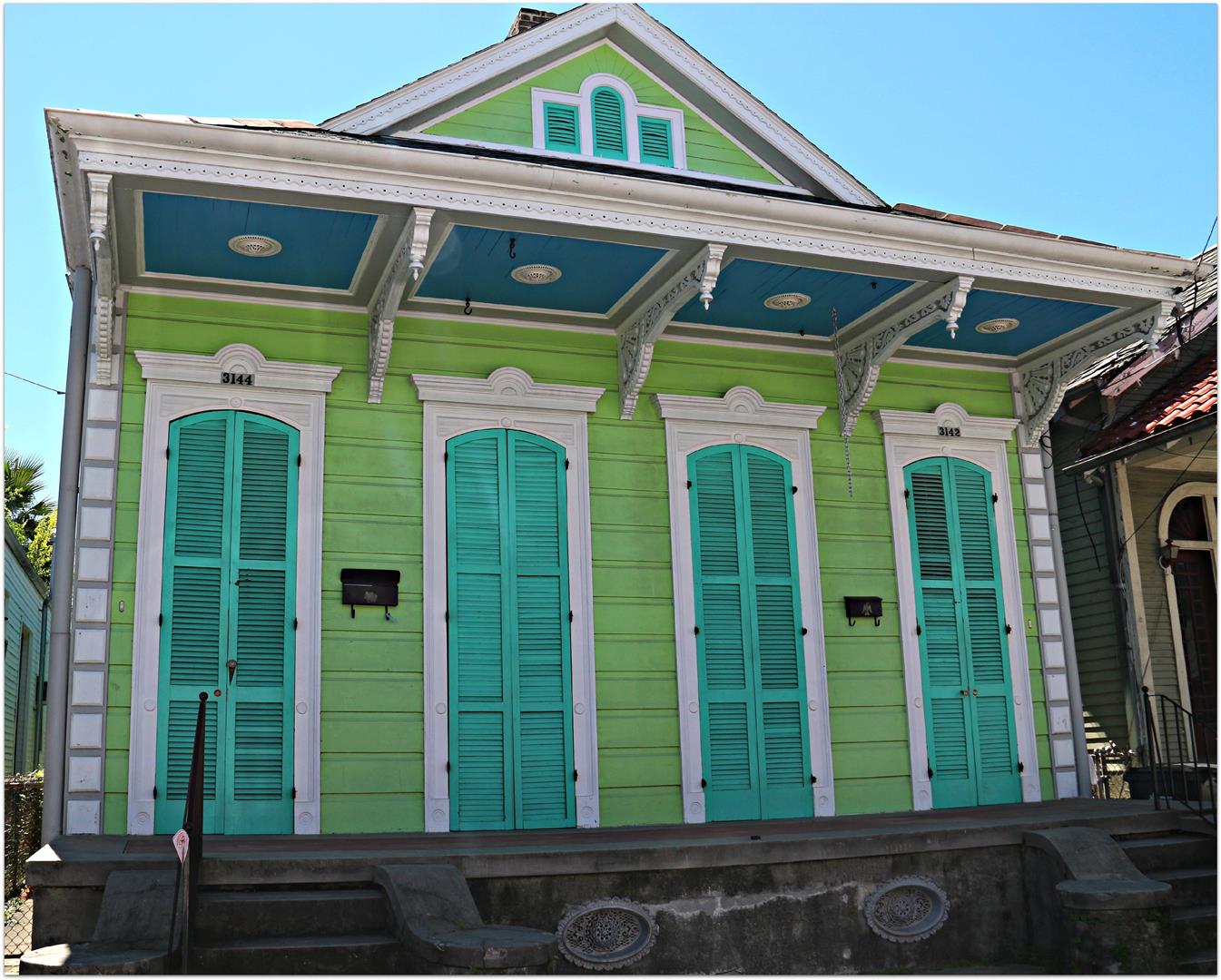
Color combinations that you wouldn’t normally see on a home are what make these cottages unique.
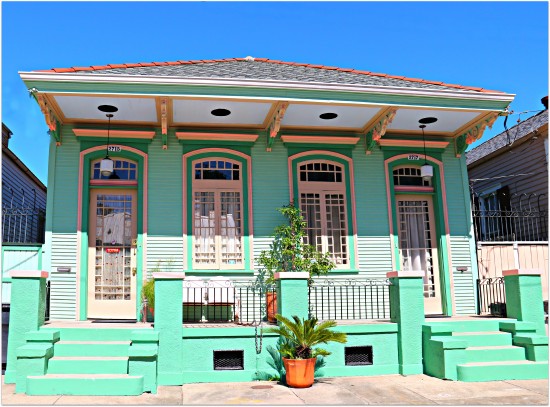
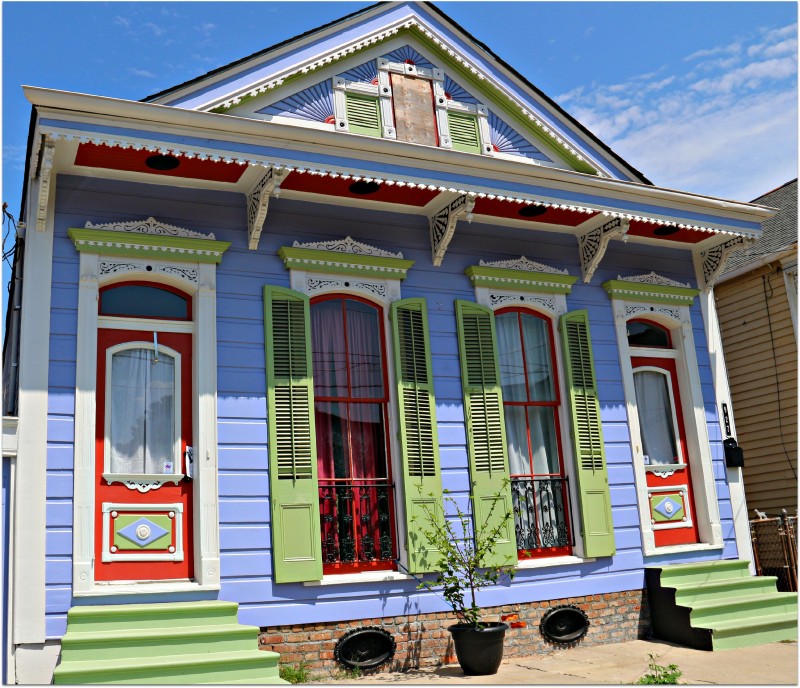
Although the overall architecture is the same, the Creole cottages in New Orleans each have their own independent style.
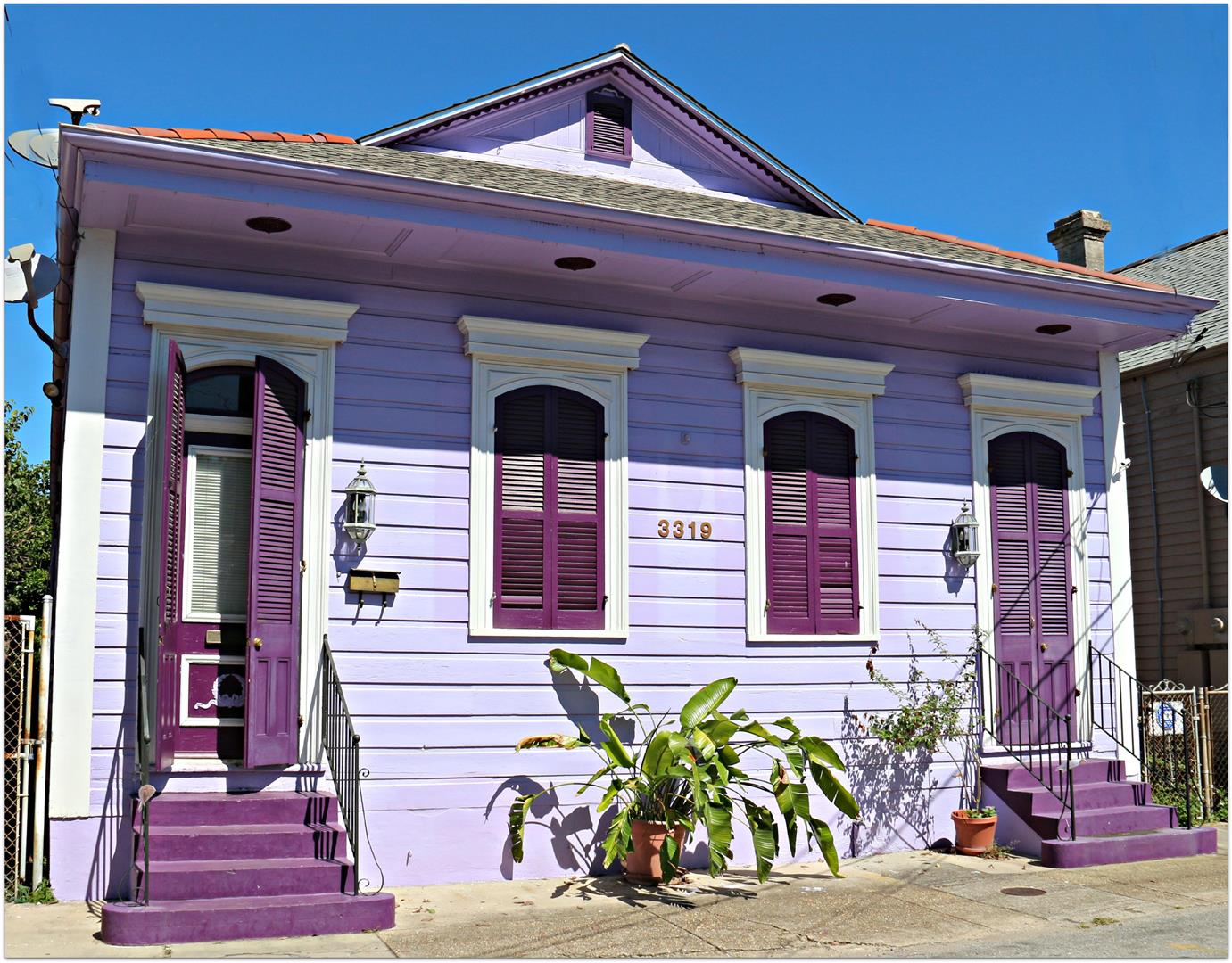
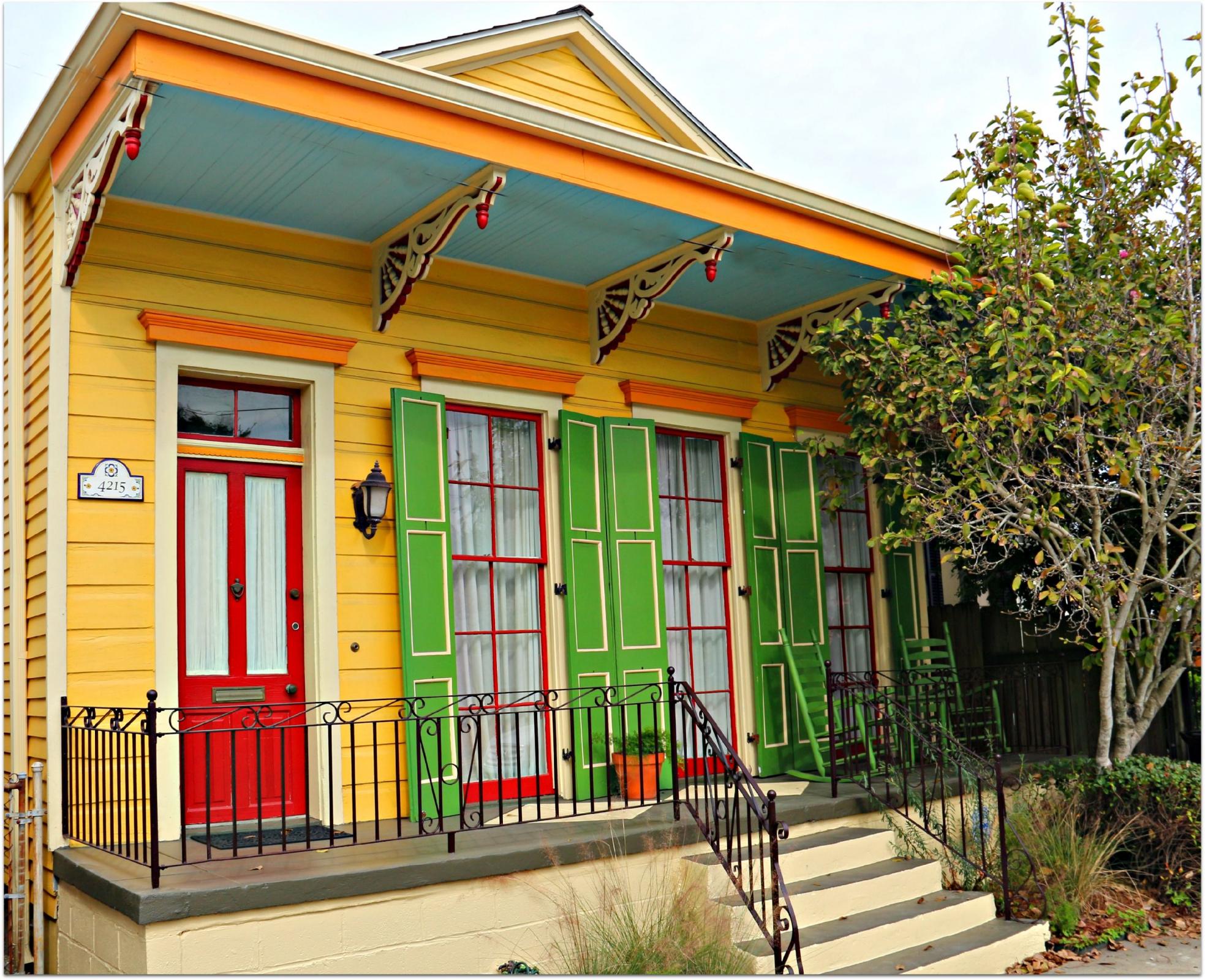
The Shotgun home is another architectural style located in New Orleans. The name is derived from the idea that if you stand in the front of the house and fire a bullet, it will travel through every room of the home. These narrow homes were built between 1850 and 1910.

New Orleans Garden District
The Garden District of New Orleans is an area synonymous with grand homes of Greek Revival, Italianate and Victorian architectural styles. These homes are fine examples of architectural splendor.
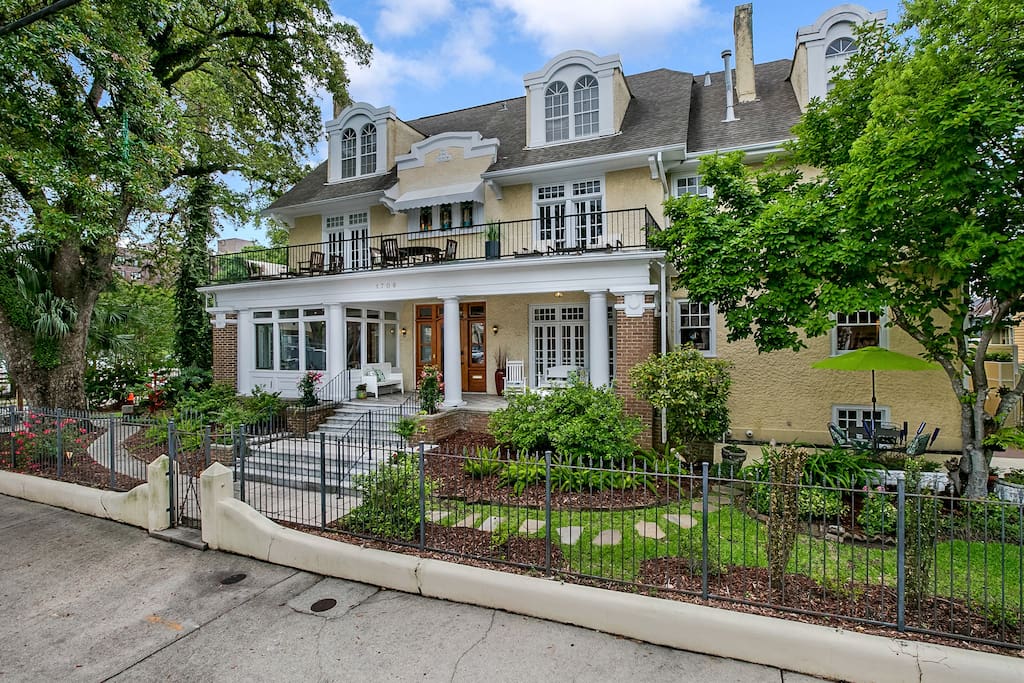
Many of the homes in the Garden District of New Orleans are situated behind beautiful wrought iron fences.
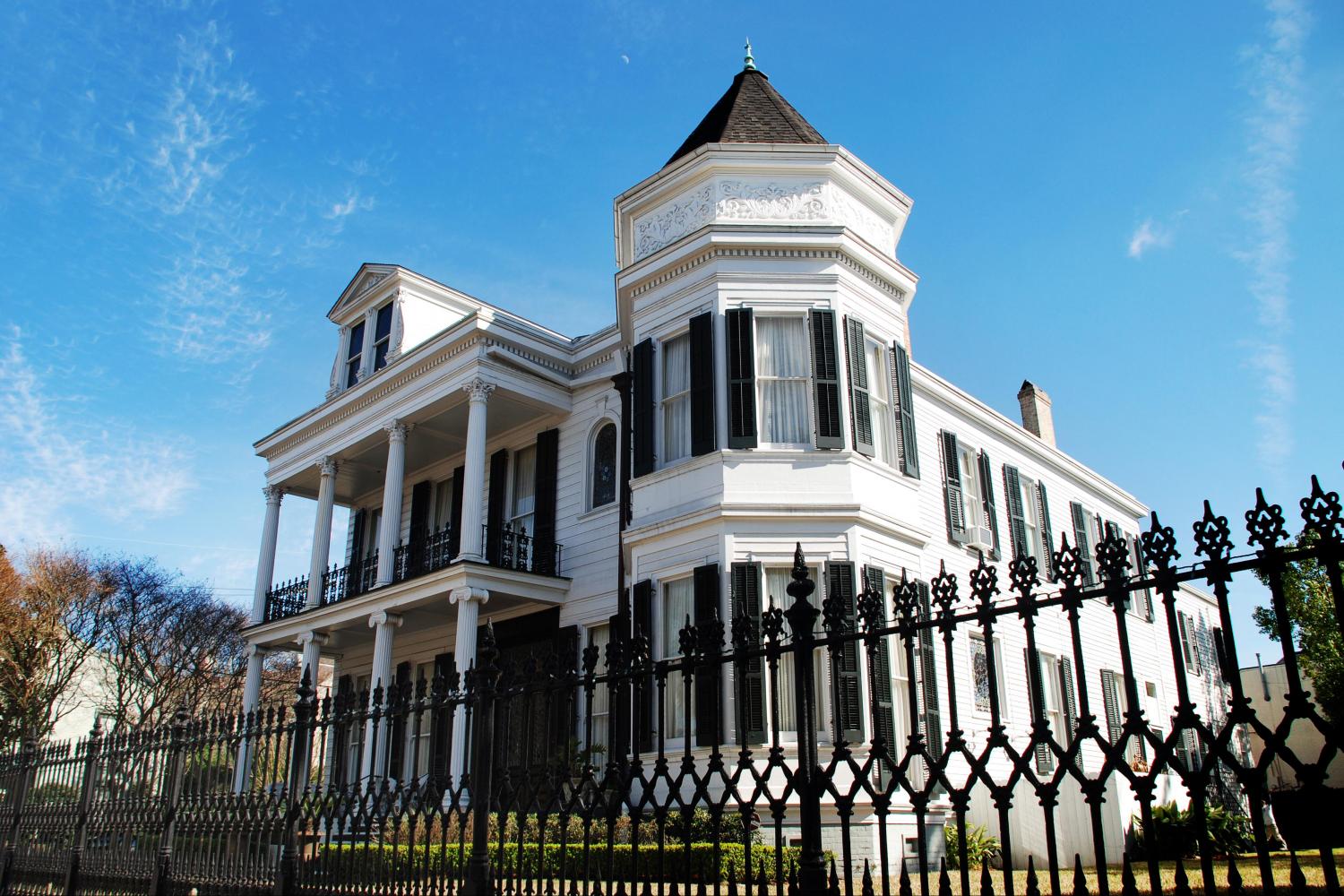
The porches and columns of these homes are a notably Southern aesthetic, gracious in its spirit.

Italianate features, such as flat roofs and arched windows, are an appealing aesthetic throughout the Garden District.
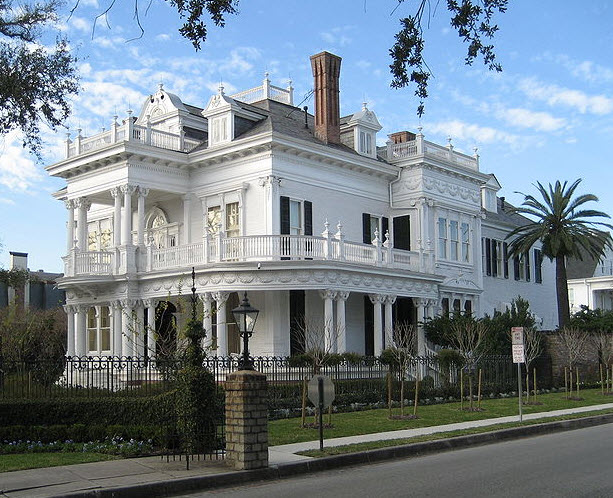
This splendid Victorian colonial-revival home is referred to as the “Wedding Cake” house. The home has extraordinary details that certainly call to mind an extravagant wedding cake.
The Double-gallery style home is prevalent in the Garden District. This architectural style’s notable feature is multi-level porches, with square columns and the front door off to one side. You can also see the outdoor lighting positioned in the front of the building. The Double-gallery style home was built between 1820 and 1850. This beautiful example of the style is the former home of novelist Anne rice.

Wherever you go in New Orleans, the architecture does not disappoint. From cottage to mansion, the home styles of New Orleans are unique and full of character and charm.

New Orleans Architectural Style: A Fascinating blend of French, Spanish, and Caribbean Influences
New Orleans architectural style is a captivating fusion of French, Spanish, and Caribbean influences. As you wander through the streets of this historic city, you can’t help but be immersed in its rich history and unique charm. The homes in New Orleans boast intricate details and colorful facades that reflect the area’s elegant and vibrant essence.

the French Influence
the French influence on new Orleans architecture is unmistakable, with elements such as wrought iron balconies, stucco exteriors, and French doors. These features add a touch of elegance and romance to the buildings, capturing the essence of French design.
The Spanish influence
Spanish-style architecture can also be found throughout New Orleans, characterized by clay tile roofs, arched doorways, and bright, earthy colors. This influence adds a splash of warmth and Mediterranean flair to the city’s architectural landscape.
The Caribbean influence
The caribbean influence on New Orleans architecture can be seen in the use of vibrant colors, lush gardens, and breezy balconies. This style brings a tropical, relaxed vibe to the homes, creating a unique blend of Southern and island aesthetics.
Benefits of New Orleans Architectural Style
- Unique and charming design elements
- Captures the history and cultural heritage of the city
- Adds a touch of elegance and sophistication to the streetscape
- Creates a vibrant and colorful atmosphere
Practical Tips for Embracing New Orleans Style
If you’re inspired by the charm of New Orleans architecture and want to incorporate elements of this style into your own home, consider the following tips:
- Add wrought iron accents, such as railings or light fixtures
- Use bright and bold colors for exterior accents
- Create a lush garden with tropical plants and flowers
- Incorporate arched doorways or windows for a touch of Mediterranean flair
Case Study: Preservation of New Orleans Architecture
Many organizations in New Orleans are dedicated to preserving the city’s unique architectural heritage. Through initiatives such as restoration projects,historical tours,and educational programs,these groups work to ensure that the beauty and character of New Orleans architecture are maintained for future generations to enjoy.
New Orleans architectural style is a true testament to the city’s diverse cultural influences and rich history. By embracing the French, Spanish, and Caribbean design elements that define this unique style, you can create a space that exudes charm, elegance, and a touch of Southern hospitality.




I love how the blend of French, Spanish, and Creole influences gives New Orleans its unique charm—each building tells a story!