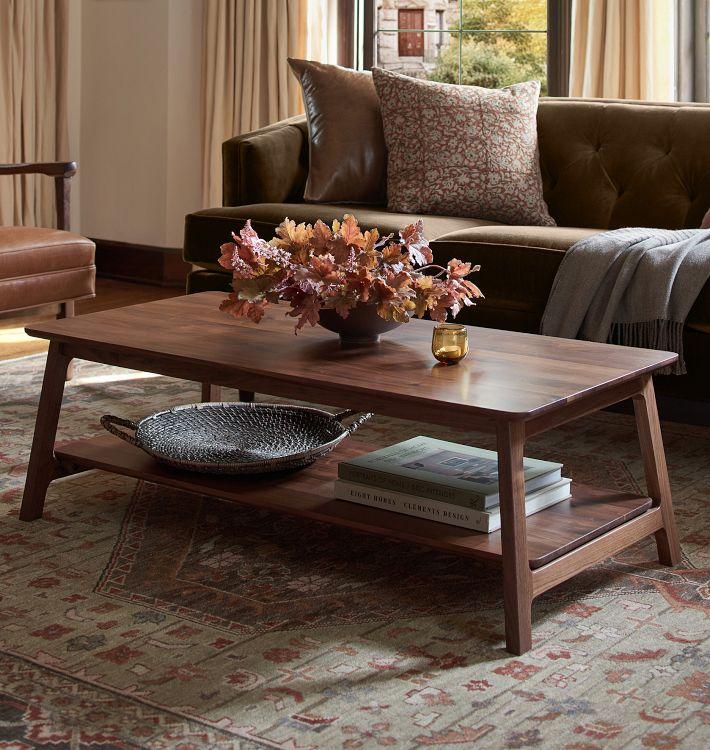
At first glance a vintage trunk might look out of place in a living room-a relic of voyages and attics rather than a intentional piece of modern furniture. Look closer, though, and its weathered leather, brass hardware and patinaed wood reveal a practicality and personality that many purpose-built coffee tables lack. These trunks combine solid construction with generous storage and a distinctive visual presence, making them an appealing option for people who want both function and character in a central living-space surface.
Vintage trunks carry traces of thier past: scuffs that whisper of travel, stitched repairs, stamped initials. Those marks are not merely decorative; they are evidence of materials and craftsmanship designed to withstand rough handling. Paired with the right finish or a simple glass top, a trunk can support daily use while concealing blankets, magazines or board games, reducing clutter without sacrificing style.
This article will explore the reasons vintage trunks frequently enough outperform conventional coffee tables-durability, storage efficiency, versatility in styling, and environmental benefits-while also offering practical advice on choosing and adapting a trunk for modern living. Whether you prefer a refined Victorian steamer or a rugged military chest, the trunk’s blend of history and utility explains why it continues to appeal as a focal point in contemporary interiors.
Why Vintage Trunks Outperform Modern Coffee Tables in character and Longevity
A patina-rich surface does more than look good - it tells a story. Scuffs, faded stamps and worn leather corners become a map of journeys, lending a singular personality that factory finishes can’t mimic. Hand-forged hardware, layered paints and the occasional maker’s mark give each trunk a fingerprint; no two are the same. consider these qualities at a glance:
- Patina: natural aging that deepens color and texture
- Craftsmanship: joinery and hardware built for heavy use
- History: unique marks and repairs that add narrative value
These tactile, visual details create a focal point in a living room that feels lived-in rather than showroom-perfect.
Beyond charm, many trunks where constructed with longevity in mind - thick hardwood slats, dovetail joints and solid metal fittings make them resilient and easy to restore. Trunks are often repairable, so a replaced hinge or fresh finish can extend their life for decades, turning a purchase into an investment rather than disposable furniture. A quick comparison:
| Feature | vintage Trunk | Modern Table |
|---|---|---|
| Lifespan | 80+ years | 10-15 years |
| Repairability | High | Low |
| Materials | Solid wood & metal | Veneer & particleboard |
Choosing one is less about trend and more about selecting something built to last-a piece that gains value and presence as it ages.

Built In Storage Strategies: Organizing Linens, Magazines and Barware Inside Your Trunk
Vintage trunks offer surprising depth and character, so treat their interiors like a tiny boutique closet: roll linens and napkins to save space and tuck cedar sachets between stacks to keep fabrics fresh and moth-free. For bulky tablecloths, fold once and store flat in a shallow wooden tray to prevent creases; for everyday throws, use an open-top wicker basket anchored to one side so you can lift a whole bundle without disturbing the rest. Magazines and coffee-table books appreciate vertical order-fit them into a slim magazine file or secure them with an elastic strap along the trunk’s wall so they stay upright when the trunk is moved. Think layers and lift-out pieces: removable trays and baskets let you access frequently used items without unloading the whole trunk.
When converting a trunk into a bar cabinet, focus on protection and accessibility: line the base with anti-slip felt, add felt dividers for stemware, and use a small, padded decanter collar or strap to keep bottles from tipping. Design a top-level serving tray that sits snugly inside the rim for night-before party staging, and reserve a narrow compartment for coasters, bottle openers and cocktail napkins so essentials aren’t lost beneath glassware. For quick reference and tidy rotation, label removable boxes with handwritten tags or chalkboard stickers-institution should be visible and adaptable, not hidden behind the trunk lid.
- Linens: roll + cedar sachet
- Magazines: vertical file + elastic strap
- Barware: felt dividers + removable tray
| Item | Storage idea |
|---|---|
| Tablecloths | Shallow tray,folded once |
| Reading stack | Vertical basket with strap |
| Glasses | Felt compartments |

Choosing the Right Trunk: Size, Height, Material and Finish Recommendations for Every Living Room
Scale matters more than you think: a trunk should feel like it belongs, not like furniture from a different apartment. Aim for a trunk that aligns with your sofa and clears traffic paths-too tall disrupts sightlines, too wide crowds the room. For quick reference, consider these proportions as starting points:
- Small – 24-36″ (60-90 cm) long, narrow profile for tight spaces.
- Medium – 36-48″ (90-120 cm) long, the most versatile for two-seater and average sofas.
- Large – 48″+ (120+ cm), balanced in open-plan living rooms and sectional layouts.
Keep height in mind: a useful rule is to choose a trunk 2-4 inches lower than the sofa seat so it feels reachable and comfortable. Also think about circulation-leave at least 18 inches around the trunk so the room breathes.
Material and finish define personality and maintenance: a weathered oak trunk reads warm and lived-in, painted metal feels modern-industrial, while leather-wrapped trunks bring a touch of luxe. match the trunk’s material to how the room is used-durable finishes for family rooms,delicate patinas for low-traffic lounges. Quick care-and-style guide:
| Material | Character | Finish & Care |
|---|---|---|
| Solid Wood | Warm,classic | Oil or matte lacquer; wipe & re-oil |
| Metal | Industrial,sleek | Powder coat or patina; dust + gentle polish |
| Leather | Refined,tactile | Waxed or aged; condition occasionally |
| Painted/Enamel | Colorful,modern | High-gloss for easy wipe-down |
choose a finish that complements your rug and upholstery-matte finishes hide wear,glossy finishes highlight color-and always test a sample if you can,since light and room scale change how a trunk’s surface reads.

Practical Restoration and Protection Tips to Preserve Patina and Ensure Daily Use
Treat a vintage trunk as both furniture and artifact: preserve the story written in its scratches and tarnish rather than erasing it. Start with the gentlest approach – a soft brush to lift dust, a barely damp linen cloth with a drop of pH-neutral soap for sticky spots, and targeted consolidation for loose veneer or rusted brass. For finishing, favor breathable, reversible products: thin coats of microcrystalline wax or high-quality beeswax applied with a soft cloth will deepen color and repel spills without sealing the history. Below are quick, practical steps to keep on your restoration checklist.
- Dust first: natural-bristle brush, vacuum with soft brush nozzle.
- Spot-clean: damp linen, mild soap, test in an inconspicuous area.
- Metal care: gently remove active corrosion, protect with thin wax.
- Finish: microcrystalline or beeswax – no solvent-based sealants.
- Repair philosophy: minimal, reversible, and sympathetic to original materials.
When the trunk becomes a daily coffee table, marry practicality with preservation: use soft, protective layers and thoughtful placement to prevent damage while keeping its lived-in charm. Add discreet barriers like felt pads under decorative objects,a tempered glass top for high-traffic surfaces,and coasters for drinks to avoid rings – all while avoiding permanent alterations. Maintain stable humidity and sunlight exposure to slow finish degradation, and schedule light upkeep every few months to refresh wax and tighten hardware. Consider these everyday habits as part of the trunk’s conservation routine.
- Surface shields: glass topper or clear acrylic mat for heavy daily use.
- Point protection: felt pads for lamps and vases; adhesive pads should be reversible.
- Environment: keep out of direct sun, humidity 40-55% ideal.
- Maintenance cadence: light dust monthly, wax refresh every 6-12 months.

Where to Buy and what to Inspect: Market Tips for Authenticity,Value and Budget Friendly Finds
Think like a detective: every scratch,nail and label tells a story and helps you separate a genuine century-old travel trunk from a clever reproduction. Inspect closely for hardware that shows age-consistent wear, original dovetailing or hand-cut joinery, and a stable odor (musty leather is fine; strong mold or chemical smells are not). Look for these quick checks before you buy:
- Hardware: oxidized brass, handmade rivets, and mismatched screws often signal authenticity.
- Construction: dovetails and hand-planed boards beat modern staples and plywood.
- Labels & Stamps: train, steamship or maker’s labels add provenance and value.
- Patina not paint: original surface wear that can’t be faked with uniform distressing.
- Smell & Structure: a solid base and no soft rot – surface repairs are okay, major structural fixes are a red flag.
Great trunks turn up everywhere if you know where to look and how to haggle: estate sales and antique fairs are treasure troves for authenticity, flea markets and online marketplaces are best for bargains, and specialty dealers are where you go for vetted history and paperwork. Buy with intent – decide if you want patina (higher value) or a clean restore (budget-friendly) - and use these buying spots and tactics:
- estate sales/auctions: high chance of authentic pieces; arrive early and bring cash for negotiation.
- local antique shops: curated, pricier, often with return or delivery options.
- Flea markets & thrift stores: best for hidden diamonds; inspect on site and be ready to carry it home.
- Online marketplaces: huge selection-ask for close-ups, measurements, and provenance before bidding.
| Source | Price Range | Bargain Tip |
|---|---|---|
| Estate sale | $$-$$$ | Buy lots late in the day or on last-sale day. |
| Flea market | $-$$ | Bundle items to lower the price. |
| Online auction | $-$$$ | Watch listings for days to spot underpriced gems. |
In summary
a vintage trunk offers more than a flat surface: it brings texture,history and practical storage to the center of a room. its worn leather, brass corners and map-stained interior tell stories that a mass-produced table rarely can, while its sturdy construction meets everyday needs. As both functional furniture and found object, a trunk quietly anchors a living space without shouting for attention. For those assembling a home that values character as much as convenience, a vintage trunk is a thoughtful, adaptable choice-equal parts utility and conversation piece.