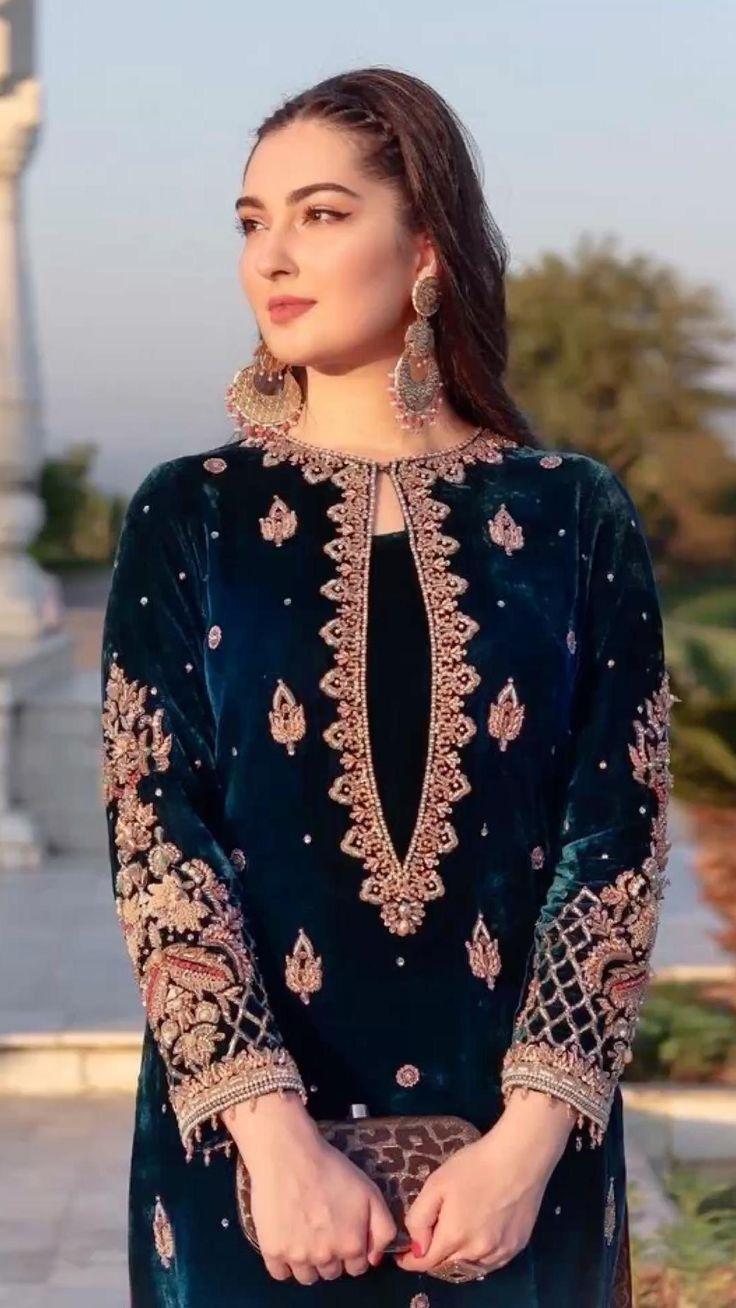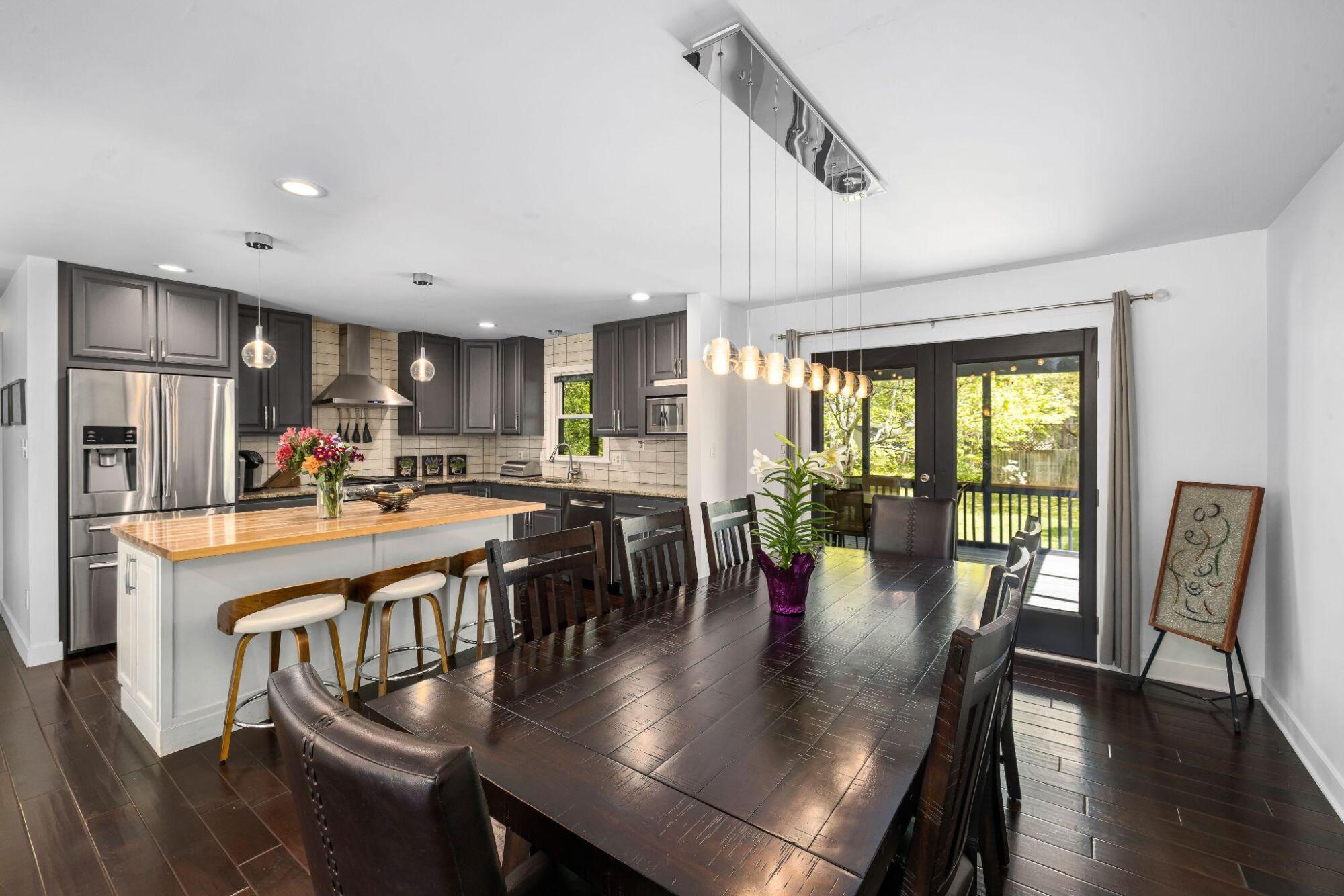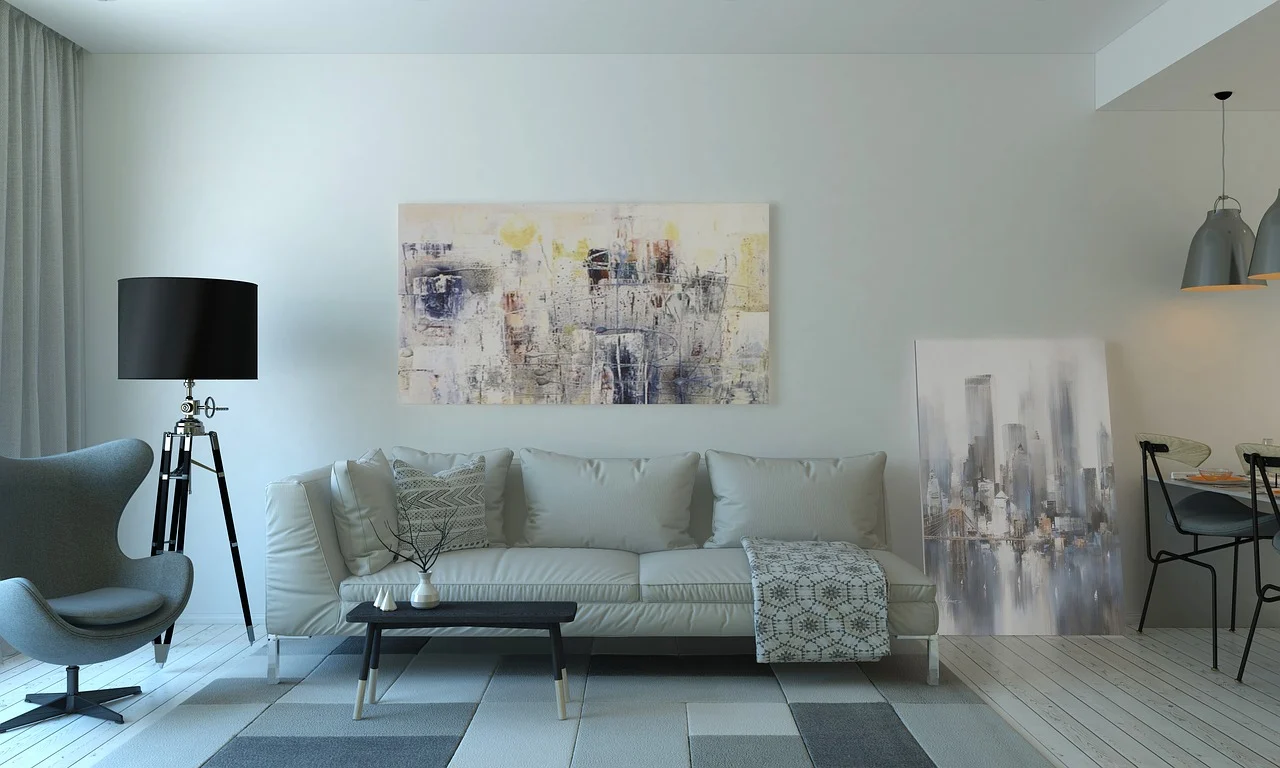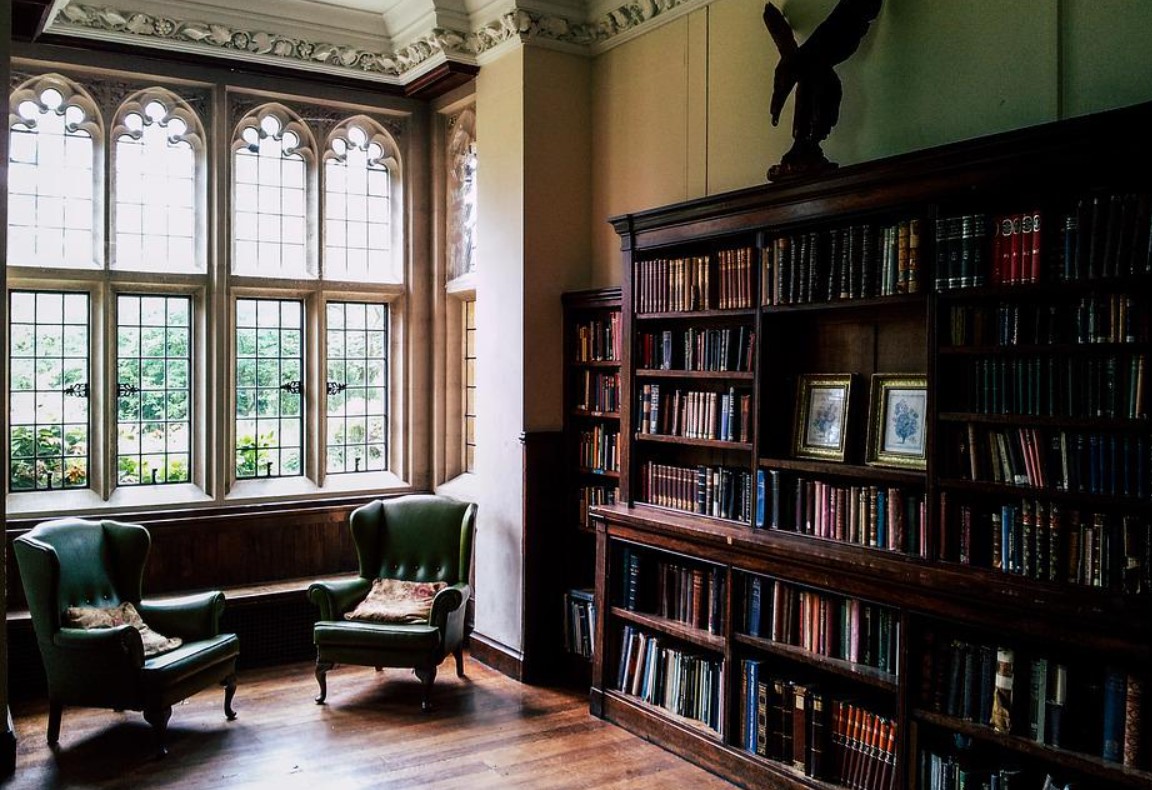

Sunlight pours through a wide window and lands on a fabric that has always read as coolly sumptuous: velvet. Its pile catches and scatters light, revealing a depth of color and a tactile invitation that seems at odds with the idea of breezy, sun-drenched living. For decades velvet has been shorthand for winter evenings,heavy drapery and cozy upholstery-but it also holds unexpected potential in warm-weather climates when chosen and applied with intention.
Designing with velvet in heat and humidity asks different questions than doing so for temperate seasons. Rather than simply banishing the fabric, it becomes a matter of understanding fibers, finishes, pile, scale and placement; of balancing thermal comfort with visual richness; and of pairing velvet with architectural and mechanical strategies like cross-ventilation, shade and cooling materials.This article will explore how contemporary weaves,blends and treatments – alongside color,pattern and thoughtful use – can make velvet a viable,even enlivening,choice for warm climates,offering texture and depth without sacrificing comfort.
Choosing velvet fibers and weaves for breathability and long term durability
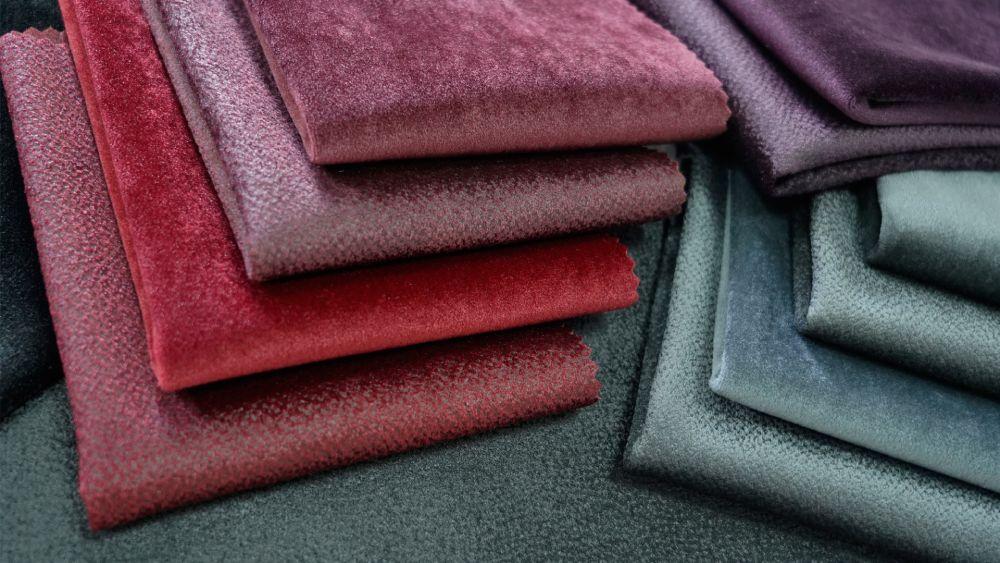
Start with the fiber. In warm climates, favor natural and natural-blend velvets-cotton- and linen-blends breathe better and shed heat, while silk-velvet reads luxuriously cool but needs gentler care. Synthetics like microfiber and polyester offer excellent durability and colorfastness, but choose low-pile constructions and moisture-wicking finishes to avoid trapping heat. Pay attention to backing and weight: an open, lightly structured backing and a mid-weight face will allow airflow without sacrificing shape. Consider pile direction and density too-shorter, less dense piles reflect less heat and dry faster after humidity or an afternoon shower.
- Breathable fibers: cotton, linen blends, silk for low-traffic luxury.
- Low pile: shorter pile = better airflow and quicker drying.
- Open weave & backing: look for woven velvets with looser base weaves.
- Durability check: request abrasion ratings (Martindale/Kr), aim higher for daily-use pieces.
- Protective finishes: UV and moisture-resistant treatments extend life in sunny, humid climates.
Weave matters as much as fiber. Woven velvets with a strong twill or satin base outperform tufted or pile-fused constructions for long-term wear; they resist flattening and maintain airflow through stable interlacing. For pieces that see constant use-sofas, bench seating-prioritize blends that pair a breathable natural face with a resilient synthetic core for abrasion resistance. Regular maintenance (rotation, gentle vacuuming, prompt spot cleaning) preserves pile loft and breathability, while slipcovers or breathable liners can shield the fabric from sweat, sunscreen, and salt air without trapping moisture.
| Fiber / Weave | Breathability | Long-term durability |
|---|---|---|
| cotton-blend woven velvet | High | Medium |
| Silk velvet (short pile) | High | Low-Medium |
| Polyester microfiber velvet | Medium | High |
| Linen-blend velvet | Very High | Medium |
Finishes and treatments that repel moisture and resist sun damage
Think of protection as a second skin for velvet: light,invisible layers that steer moisture away and slow UV breakdown without turning the fabric into a plastic sheet. Start with finishes designed for pile fabrics-fluoropolymer-based repellents and silicone treatments bead water and block oily stains, while UV‑stabilizing topcoats add colorfastness against sun exposure. for warmer climates choose solution-dyed or pigment-stable velvets where the color is set into the yarn; these inherently resist fading better than surface-dyed options.Always test finishes on a hidden seam to confirm the hand (the soft feel of the nap) remains acceptable, and consider professional application for large pieces so the pile isn’t flattened or stiffened unevenly.
- Fluoropolymer repellents – excellent for water and oil resistance, reapply annually in high sun/exposure areas.
- Silicone/nano coatings - preserve softness while adding breathability; good for cushions and drapery.
- UV inhibitors & acrylic topcoats – slow fading on sunny terraces; pair with a UV-stable backing.
- Solution-dyed fibers - best long-term color retention; minimal surface finish required.
Pair finishes with smart construction: add a breathable backing or a removable,lined slipcover to shield velvet from direct rain and hot,reflective surfaces. Remember that “repel” is not “waterproof”-these treatments buy time and ease of cleaning, not indefinite protection.reapplication schedules vary by exposure and use; as a rule of thumb, treat year-round seating and sunny cushions every 6-12 months. Below is a fast reference to match the finish to your needs and expected upkeep.
| Finish | Primary Benefit | Reapply |
|---|---|---|
| Fluoropolymer | Water & oil repellency | 6-12 months |
| Silicone/Nano | soft feel, breathable barrier | 12 months |
| UV Topcoat | Color retention in sun | 12-18 months |
| Solution-dyed | Inherent fade resistance | Minimal |
Designing for airflow and comfort with velvet upholstery and drapery
Velvet doesn’t have to mean heavy or stifling-thoughtful choices and construction turn its lushness into a breathable, comfortable asset. Opt for short-pile or crushed finishes and fabrics blended with linen or cotton to reduce heat retention while keeping that sumptuous hand. On upholstered pieces, favor frames with raised legs, slatted bases, or ventilated webbing to encourage airflow beneath cushions; choose removable covers and feather or down-alternative fills that rebound quickly and let air circulate. For window treatments, pair a velvet face cloth with a lightweight cotton or linen lining and a sheer underlayer so you can enjoy privacy and insulation without blocking breezes or natural ventilation.
Practical interventions make a tangible difference: use tie-backs and magnetic weights for drapery to create controlled openings, place velvet seating near cross-ventilation paths rather than directly under sun-bearing windows, and select lighter tones or matte finishes to reflect rather than trap heat. Below are quick tips and a simple reference to match velvet styles with their airflow tendencies.
- Short-pile velvets for everyday seating-soft look, quicker to breathe.
- Linen- or cotton-backed curtains-insulation without suffocating the room.
- Elevated furniture-creates micro-climates under cushions for cooler seating.
- Layer sheers + velvet-flexible control of light and air.
- Light colors & matte finishes-reduce radiant heat gain.
| Velvet finish | Airflow effect | Best placement |
|---|---|---|
| Short-pile matte | Good | Sofas, ottomans |
| linen-blend velvet | Very good | Dining chairs, accent seating |
| Velvet drapery with sheer lining | Excellent | Windows, balcony doors |
care routines and quick fixes to keep velvet fresh in humid conditions
Think of velvet in humid climates like a tropical plant: it thrives with air,gentle attention and the right microclimate. Keep fabrics breathing by rotating cushions, using breathable slipcovers and running a dehumidifier or ceiling fan during muggy nights to reduce moisture buildup. For light daily upkeep, a soft-bristled brush restores the pile and prevents matting – brush with the nap, not against it. Quick routine checklist for everyday freshness:
- Air out pieces midday when humidity drops
- Brush gently onc a week to lift fibers
- Use moisture-absorbing sachets in storage
- Avoid plastic covers – they trap condensation
When the weather turns sticky and emergencies happen, small fixes can save an upholstery job. If a spill appears, blot immediately (don’t rub) and use a fan to speed evaporation; for oily marks, dust with cornstarch, let it sit, then vacuum. For flattened areas, steam lightly from a distance and reshape the pile with your fingers or a velvet brush. Fast-fix reference:
| Issue | Quick Fix | Time |
|---|---|---|
| Mildew odor | Air + dehumidifier for 24 hrs | 1-2 days |
| Grease spot | Cornstarch, rest, vacuum | 30-60 mins |
| Flattened pile | light steam & brush | 10-20 mins |
Styling tips and color palettes that reduce heat while preserving luxury
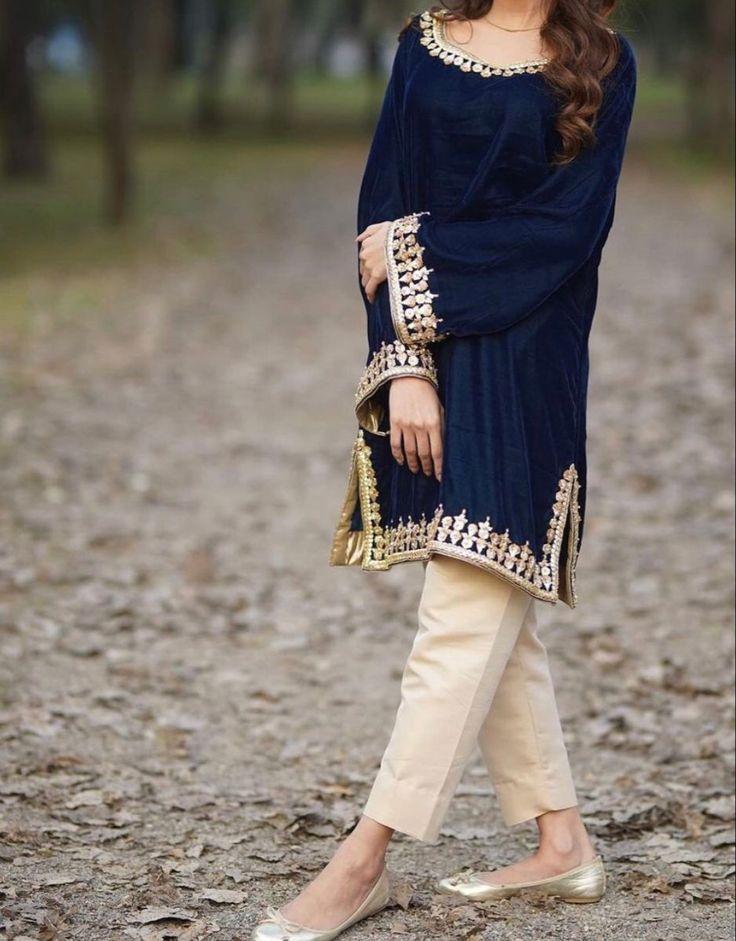
Think lightweight, reflective, and layered. In warm climates, velvet can read airy when you favor pale, heat-deflecting tones and low-pile finishes; imagine pearl beiges, silvery ivories, and muted sea-glass hues that bounce sunlight rather than absorb it. Keep upholstery pieces minimal-a slim-backed velvet sofa, cushion accents, or a bench-paired with breathable textiles like linen and bamboo to interrupt heat retention.
- Choose crushed or short-pile velvets for better airflow and less solar gain.
- Use removable slipcovers in sun-friendly fabrics for daytime wear.
- introduce metallic piping or reflective trims to elevate luxury without darkening the palette.
Palette pairings that feel cool yet sumptuous: aim for high-value (light) base colors with a single, soft contrast to preserve that sumptuous look without the temperature penalty. The quick reference below offers three easy-to-deploy combos for living rooms, verandas, and boutique hotel suites.
| Palette | Primary (base) | Accent (luxury touch) |
|---|---|---|
| Coastal Cool | Pearl Ivory | Seafoam Velvet Pillow |
| Desert Breeze | Sandstone | Sage-velvet Throw |
| Moonlit Luxe | Soft Platinum | Silver-gilded Trim |
- Limit dark velvet to small accents (headboards, bolsters) and keep them shaded or indoors.
- Layer with reflective surfaces-mirrors, glass, and light metals-to amplify lightness.
Future Outlook
Velvet in a sunlit setting doesn’t have to be a contradiction – it can be a storytelling element. By choosing lighter weights and breathable constructions, favoring blends and performance finishes, and using velvet where its tactile richness is most appreciated (throws, cushions, headboards, and shaded seating), designers can keep interiors cool and comfortable while preserving velvet’s signature depth and softness.
Mindful color choices, climate-aware placement, and simple maintenance routines help velvet perform well in warm, humid places. Pairing velvet with natural fibers and reflective surfaces, and testing materials in real conditions, will further ensure the fabric contributes to a balanced, livable space rather than an aesthetic compromise.
Ultimately, designing with velvet in warm weather climates is about intention: using texture as a tempering force, not a burden. When selected and sited with care, velvet becomes less about resisting the heat and more about quietly enhancing an surroundings – a soft, intentional contrast to sunlit air.