
They hang overhead like quiet sentinels of comfort: unassuming, utilitarian, often overlooked. Ceiling fans occupy a curious middle ground in interior design – neither fully appliance nor pure decor - and that ambiguity is precisely why they deserve a second look. Beyond the familiar hum and breeze lies a design element with implications for energy use, spatial perception, acoustic comfort, and even the way a room signals its purpose.
Rethinking ceiling fans means re-evaluating assumptions. What if a fan could be both sculptural and silent, a thermal ally rather than a last-resort cooler, or a subtle way to organize a room’s rhythm? As materials, technologies, and lifestyles evolve, so too do the possibilities for integrating fans more thoughtfully into design schemes.
This article will explore the practical and aesthetic dimensions of ceiling fans – from airflow science and energy trade-offs to scale, finish, and placement – and consider how designers can use them deliberately to shape comfort and character. The goal is not to preach a single solution but to open a conversation about a familiar fixture with fresh potential.
Rethink airflow and placement by matching blade sweep pitch to room size and ceiling height
Think of a ceiling fan as an instrument tuned to its room: blade length, pitch and height change the music of movement. Small blades at a shallow angle whisper coolness across a cozy study; wide sweeps with steeper pitch move volumes of air in open-plan living rooms without ramping up speed. Matching these variables reduces drafts, trims energy use and controls sound, while also allowing the fixture to read as furniture rather than machinery. Benefits include:
- Quieter operation from efficient airflow
- Lower fan speed for the same cooling effect
- Cleaner sightlines when placement is right
Practical pairings make decisions fast: a tighter sweep with a modest blade pitch works best under low ceilings; larger diameters and a steeper pitch suit tall rooms and vaulted spaces. Consider these rapid rules of thumb when specifying or shopping – they keep both comfort and composition in balance:
- Small (up to ~120 sq ft) – 24-36″ sweep, 10-12° pitch, flush or short downrod
- Medium (120-250 sq ft) – 42-52″ sweep, 12-15° pitch, 6-12″ downrod
- Large/open (250+ sq ft or vaulted) – 56-72″ sweep, 15-20° pitch, longer downrod + multiple units if needed
Prioritize energy efficiency and quiet operation by specifying brushless DC motors and reversible settings
Specifying a fan with a brushless DC motor instantly changes the conversation around comfort: you’re choosing precision speed control,lower heat output,and near‑silent operation that preserves the calm of any interior. These motors run cooler and last longer as they eliminate brushes and reduce friction, translating into meaningful lifecycle savings and a smaller carbon footprint. Pair that efficiency with a reversible blade function and you get a two‑season performance lift – downflow in winter to disperse trapped heat and upflow in summer to support the cooling system, reducing HVAC runtime without changing the room’s aesthetic.
Design decisions that prioritize energy and acoustics also make installation and maintenance simpler for clients and facilities teams. Consider these practical benefits when specifying:
- Higher efficiency: lower wattage for equivalent airflow
- Whisper‑quiet: reduced vibration and motor hum
- Seasonal reverse: passive heat redistribution
- Control readiness: compatible with smart dimmers and occupancy sensors
| Feature | BLDC | AC Motor |
|---|---|---|
| Typical draw | Low (10-25 W) | Higher (40-75 W) |
| Noise | Quiet | Noticeable |
| Service life | Long | Moderate |
 finish choices that complement lighting and furnishings”>
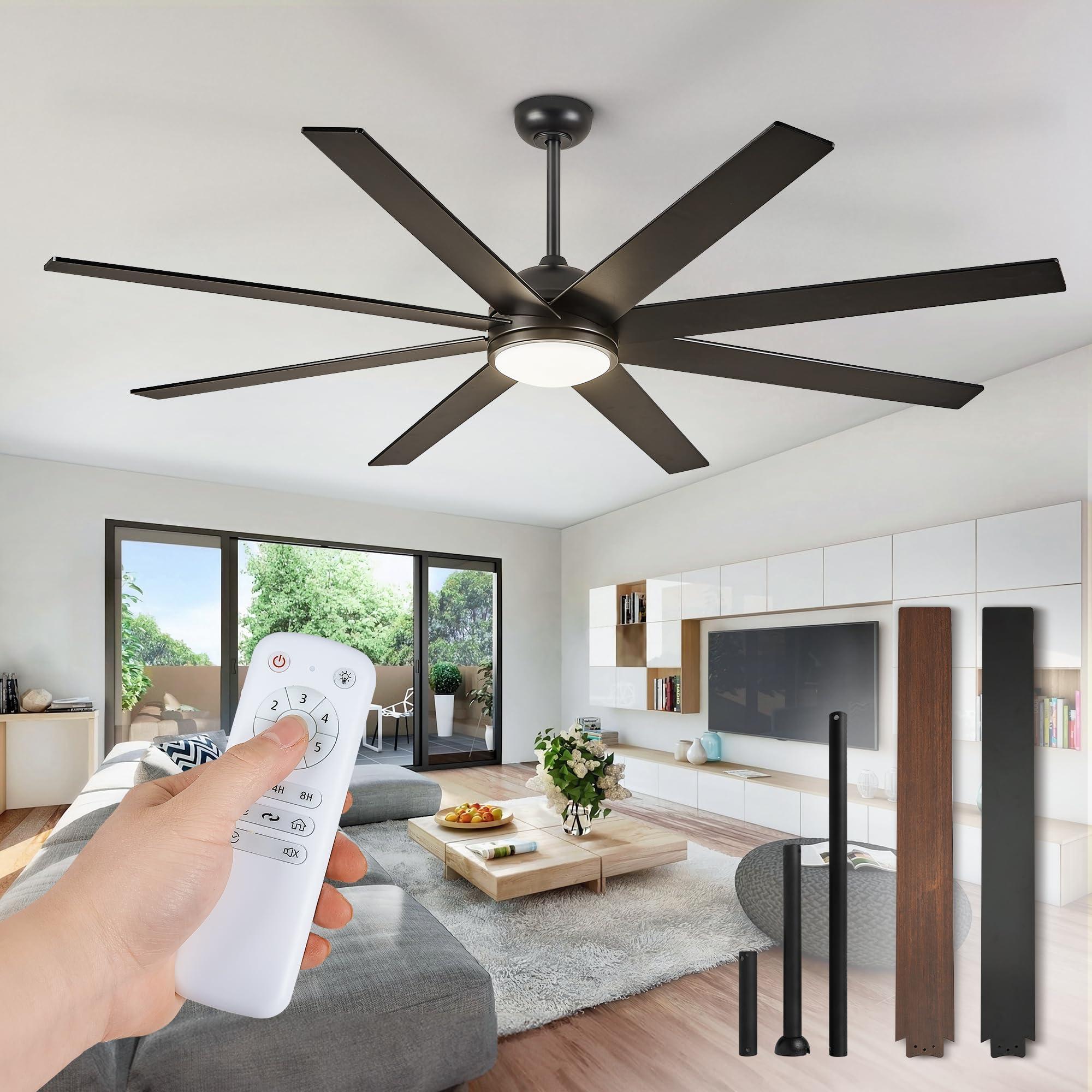
Integrate fans into your aesthetic language with scale material and finish choices that complement lighting and furnishings
Think of a fan as a finishing accessory that speaks the same design dialect as your lighting and furniture.Choose scale with intention: a compact, minimal fan calms a cozy reading nook while an oversized, sculptural model anchors an open-plan living room. Materials set the mood-warm woods echo natural furniture tones, matte metals pair with industrial pendants, and woven textures bridge coastal lighting with relaxed upholstery. Simple pairings to consider:
- Wood blades + warm filament bulbs for a tactile,layered warmth
- Brushed brass motor + linen shades to amplify soft,golden reflections
- Black matte finish + slim LED fixtures for crisp,contemporary contrast
Finish choices control how a fan converses with light: glossy surfaces catch and bounce illumination,creating highlights; satin or matte finishes mute reflections and emphasize form. Think of the fan as part sculpture, part climate device-blade profile, motor silhouette and finish should echo nearby pieces so the room reads as a cohesive composition. Quick selection rules to keep on hand:
- Match undertones (warm/cool) rather than exact colors
- Balance visual weight-heavy furniture needs heavier fan geometry
- Use finish contrasts sparingly to create focal points without visual noise
These choices let a fan feel intentional,not incidental,in your curated space.
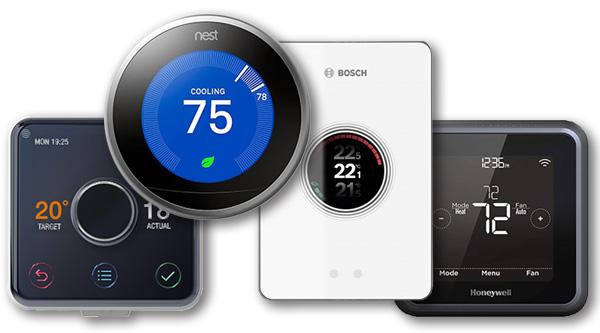
Use smart controls zoning and ventilation strategies to enhance comfort and reduce HVAC reliance
Treat rooms as a tapestry of microclimates and let control systems weave the comfort where it’s needed most: pairing ceiling fans with smart thermostats and sensors can cut furnace and AC runtimes without sacrificing feel.By grouping fans into controllable zones and tying them to occupancy, temperature, and time-of-day rules you get immediate, local comfort while the central system rests. Consider these simple tactics as the backbone of a smarter design:
- Zoned fan groups: run only fans in occupied areas to create targeted breezes.
- Occupancy-aware speeds: automatically step down or pause fans when rooms are empty.
- Thermostat-syncing: use fans to shave 2-4°F off setpoints while keeping perceived comfort.
These moves translate into a quieter,more responsive habitat and tangible HVAC savings.
Ventilation strategies amplify those gains by replacing stale air and dumping heat when conditions allow – and smart fans are perfect collaborators for that job. Integrate fans with IAQ monitors,window actuators,or an ERV to coordinate fresh-air timing and speed so you cool with nature when possible and conserve energy when not. Useful implementations include:
- Night purging routines: boost cross-ventilation overnight to expel daytime heat.
- IAQ-triggered ventilation: ramp fan speed or open vents when CO2 or humidity rises.
- Variable-speed staging: match fan output to outdoor conditions and occupant needs.
The result is a design that leans on clever control and simple airflow – giving occupants steady comfort while lightening the load on HVAC systems.

Factor in maintenance acoustics and daylighting when selecting mounting types and installation locations
Think beyond breeze: the way a fan is mounted and where it sits in a room changes more than airflow. Flush mounts keep headroom but can trap motor heat and make servicing blades or lighting modules harder; long downrods improve circulation but can transmit vibration into the structure if not isolated. Consider acoustic isolation and motor noise ratings as part of the selection process – a quieter motor with anti-vibration mounts lets you place a fan closer to living and working areas without degrading speech intelligibility. Simultaneously occurring, plan for maintenance access: leave clear service clearance above and around the unit so routine cleaning and light-replacement don’t require dismantling finishes or repositioning skylights.
- Ceiling height: clearance for ladders and safe blade distance.
- Proximity to daylight sources: avoid casting permanent shadows from blades or housings.
- Noise control: specify decibel ratings and isolation mounts for quiet zones.
- Serviceability: choose mounting that allows easy lamp and motor access.
| Mount Type | Acoustics | daylighting Impact |
|---|---|---|
| Flush | Moderate, harder to isolate | Low visual intrusion |
| Downrod | Better isolation possible | May cast moving shadows if near skylights |
| Remote/ceiling-mounted motor | Quietest, reduced vibration | Minimal shadowing from blade hub |
A pragmatic layout strategy blends acoustics and daylighting goals: place fans where they improve comfort but do not interrupt planned solar paths or daylight harvest strategies, and always verify that service clearances align with maintenance cycles. When in doubt, prototype with mockups – a taped outline and a temporary mount will reveal unwanted shadows, echoes, or impossible access before finishes are committed. Small decisions about mount type and location pay off in quieter spaces, easier upkeep, and daylight that remains undisturbed by moving parts.
To Conclude
A ceiling fan is more than a spinning silhouette against the plaster – it’s a junction where comfort, craft and technology meet. Rethinking it invites designers to move past assumptions of utility and see it as an opportunity: to shape airflow, define scale, save energy, and add a quietly expressive element to a space.Whether you’re sketching a minimalist loft or restoring a century-old parlor, the fan can be tuned to context – small gestures of material, proportion and control that quietly change how a room feels. New motors, smarter controls and refined forms let the fan step out of the background and into the vocabulary of design without shouting for attention.
So next time you plan a ceiling, let the fan be an early conversation rather than an afterthought. A thoughtful choice can turn a simple fixture into a meaningful part of the room’s story.