
It takes time, passion, and patience to build a complete home. It should be magnificent, purposeful, and secure, right from the gate, into the indoors— and then end in a tranquil backyard.
Maybe you have the space to make such a home, but you know you haven’t maxed your potential. And you’re thinking; what next?
Well, augmenting security and privacy is an excellent place to start. Why? Once you’ve secured your space, you can try any design and install anything you like in your compound.
Plus, planning your architecture design with security in mind allows you to make the most of the natural resources in your landscape.
And finally, it eliminates the need to install old-style security cameras, and so on, when your security instincts kick in.
The 9 Architecture Design Elements to Enhance Home Security
1. An enclosed entrance
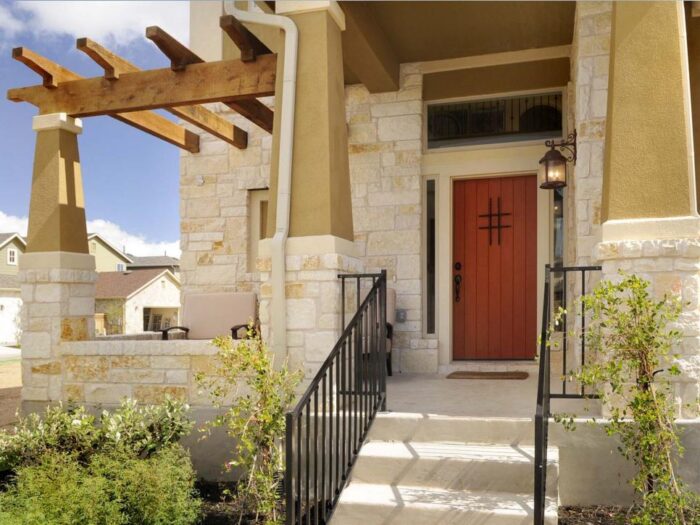
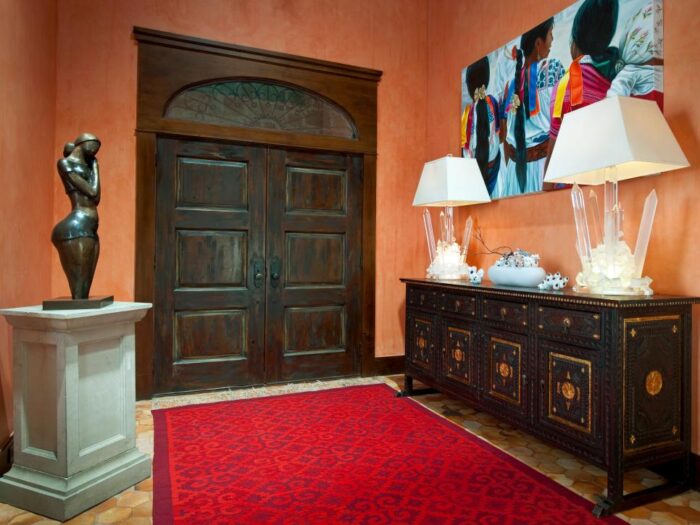
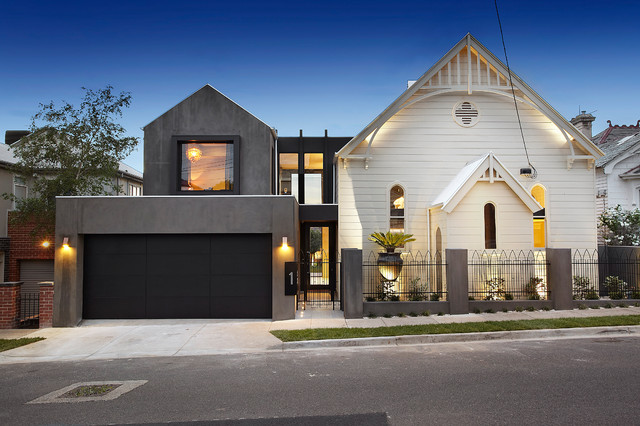
Use opaque gates and an enclosed entryway to keep outsiders on a need to know basis.
No matter the material you choose, ask your gate designer to build with security in mind. In other words, your gate shouldn’t help a burglar climb into your home.
Height is also a factor to consider. While tall gates offer more defense, you can still use a shorter design and add grills to keep off prowlers.
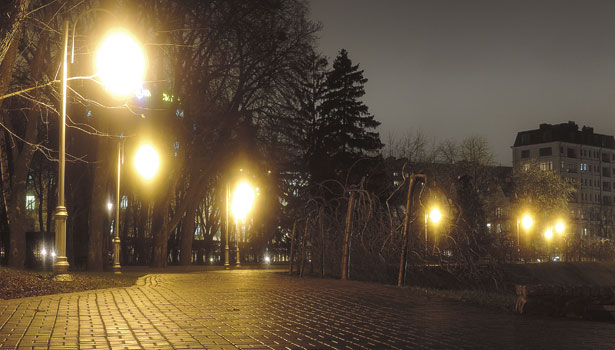
Make your entrances more secure by installing proper lighting.
2. A Tall Fence
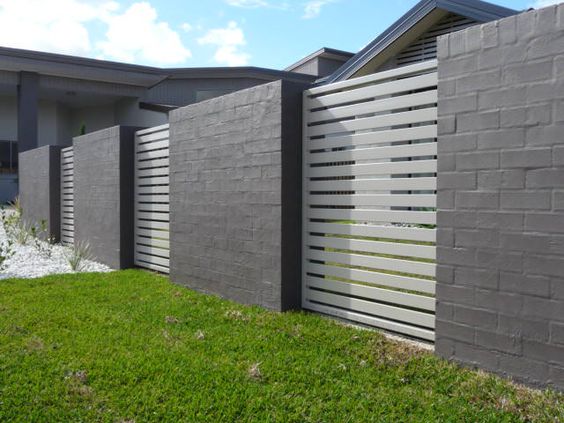
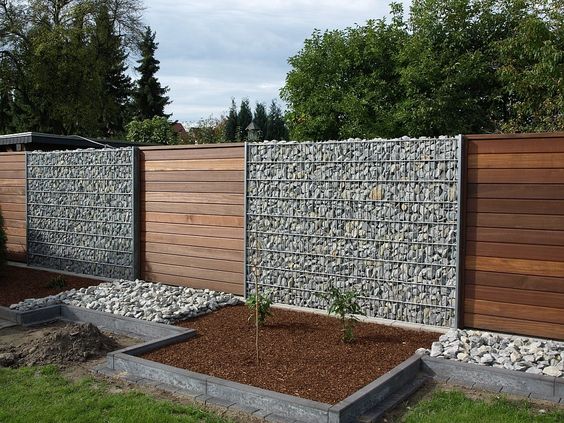
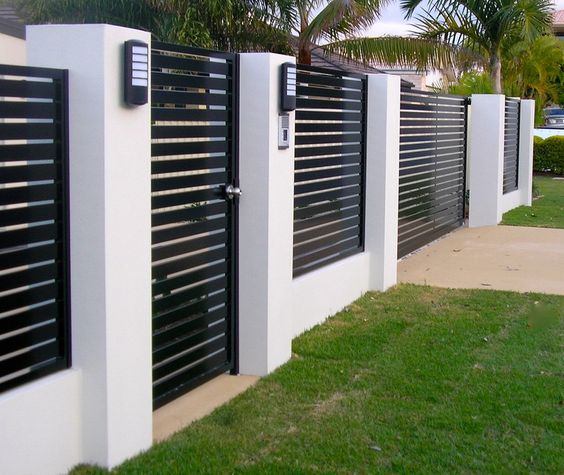
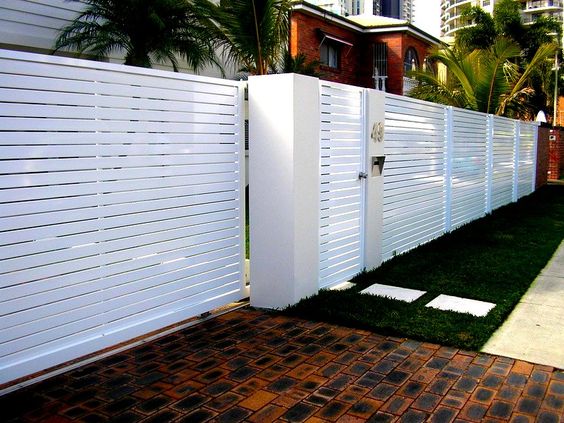
Fences are a common architecture design when it comes to augmenting security, but installing a taller-than-usual fence can make your home impenetrable.
If you use this approach, be sure to add enough lighting to keep off porch pirates who may attempt entry by sneaking under fences.
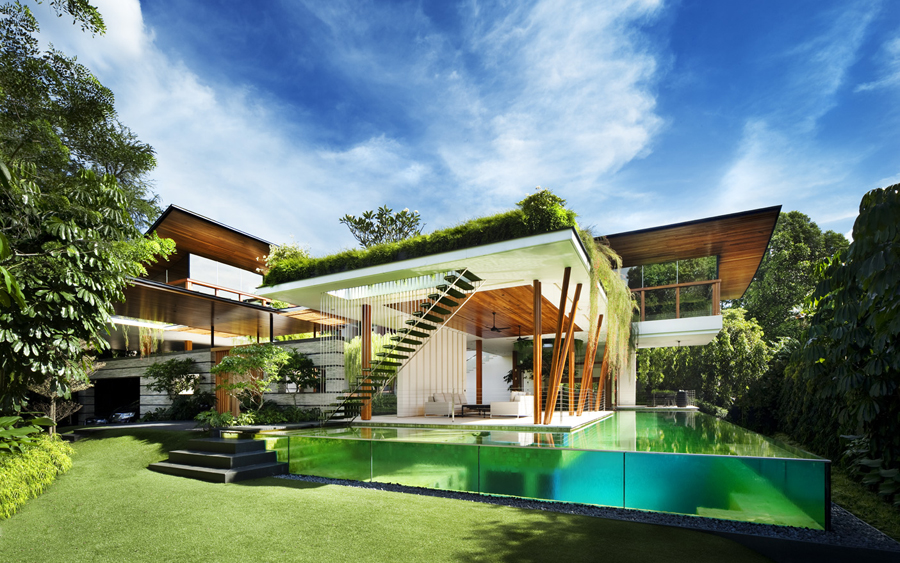
3. A Pool
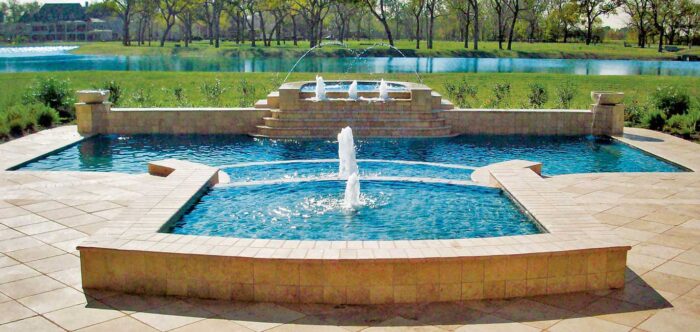
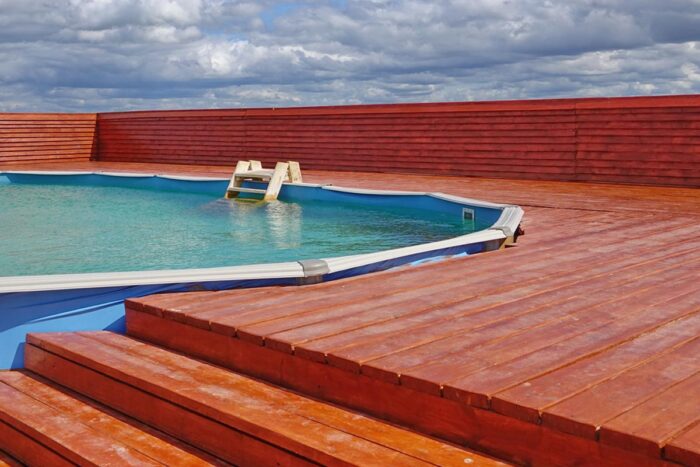
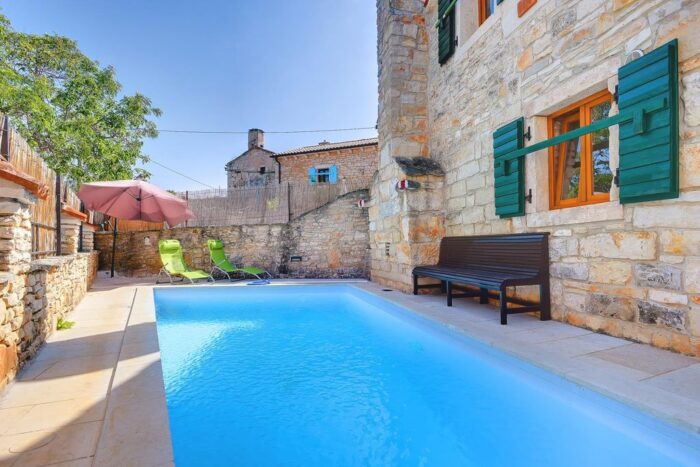
Natural water sources have, for long, served as a security feature. The spaciousness a water body creates allows you to see any intruder from a distance.
Again water is challenging to navigate, and not many burglars are ready to soak in water just to enter a compound. So you want to create a large pool near your perimeter wall. In that case, a trespasser may successfully climb a wall but succumb to their idea of swimming across a pond.
And if they do, you will most likely see them sneak in.
4. A Noise-making Pavement
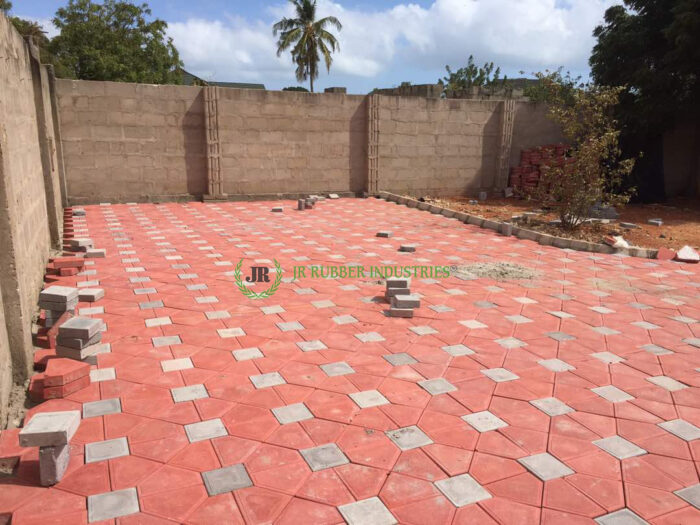
It is easy to hear someone walk on gravel, small stones, and chips if everything else is silent. Using these on your compound can help you detect any uninvited motion in your backyard.
This approach will prove more useful if you live in a quiet neighborhood and embrace quietness when indoors.
5. A High wall
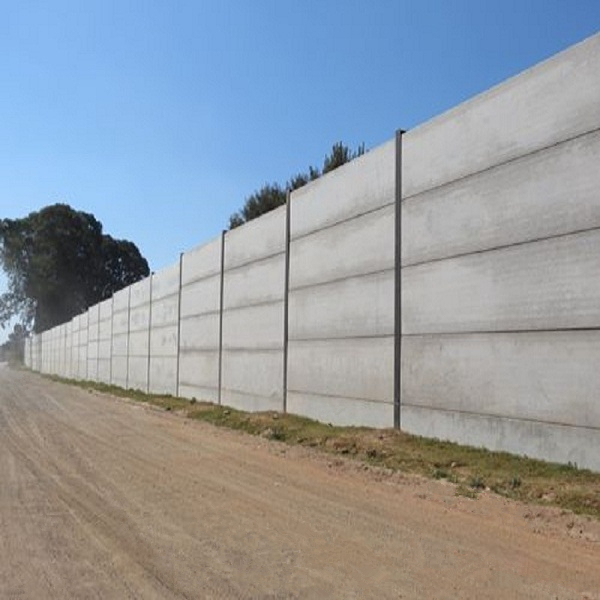
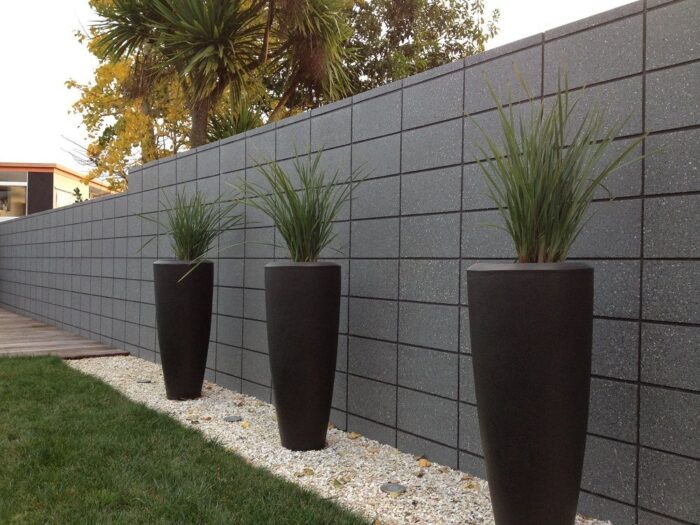
Low-lying or short walls can leave your compound vulnerable to gatecrashers. High walls, however, can protect you better in two ways;
- They obstruct an intruder’s view (and most burglars won’t come in blindly) and,
- They offer more security because tall walls are difficult to climb.
Faux and bricks are an excellent way to add a tall perimeter wall to your architecture design.
6. Tinted Windowpane
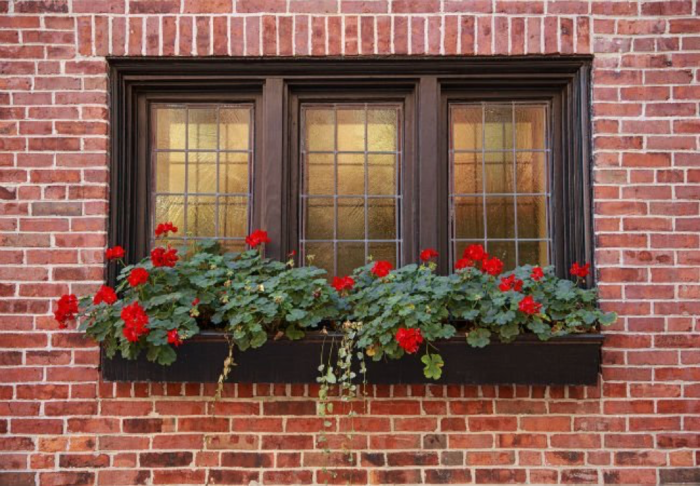
Keep your indoors secret with tinted window panes that allow you to see the outside but obstructs a stranger’s peep.
It is also an excellent way to implement the glasshouse without worrying about exposing your house to potential burglars.
7. A Thorny Perimeter
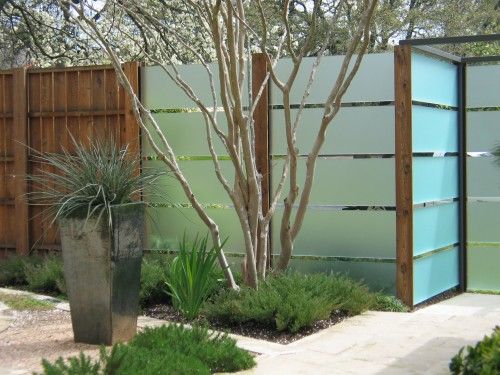
Use a thick thorny fence to make your home impenetrable. Plants like Firethorn (Pyracantha) can build a tall, thick fence.
Others like Spanish Dagger (Yucca Gloriosa), Crown of Thorns (Euphorbia), Century Plant, and Blackberry can help secure your edge while turning your lawn greener.
Most of these thorns are require little maintenance and can survive dry seasons, so planting them won’t be a problem.
8. The strategic living room
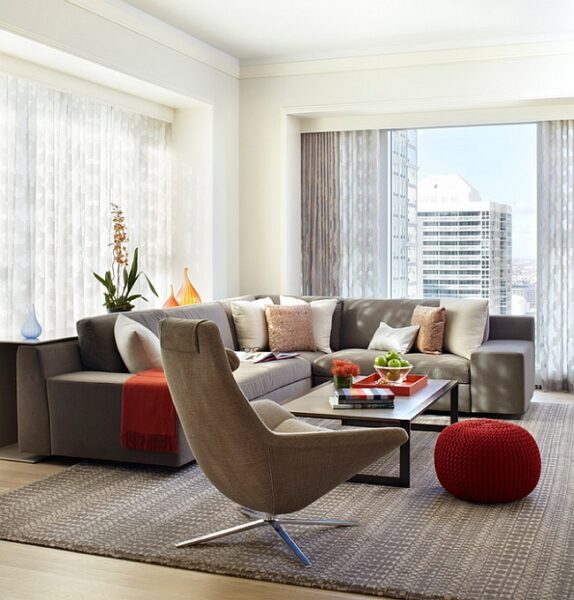
When working on your home architecture design, discuss with your designer, have your living room placed strategically so that you get a direct view of the entrance and edges.
Position your family and living rooms in strategic locations so that you have a 180 to 360 degrees view of your compound. If you like, complement with floor-to-ceiling mirror windows.
9. An Upstairs Bedroom
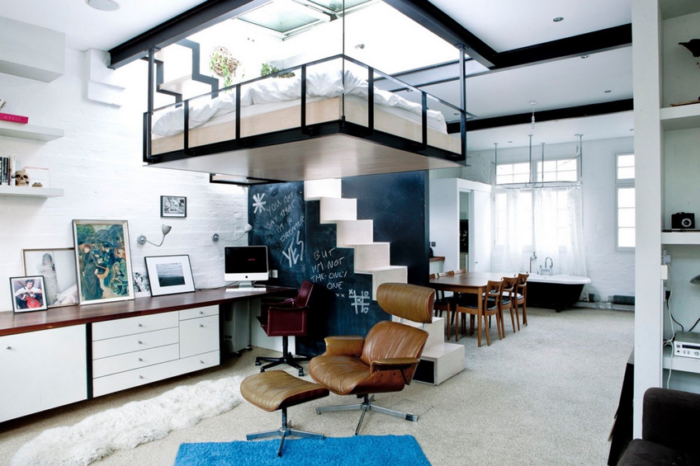
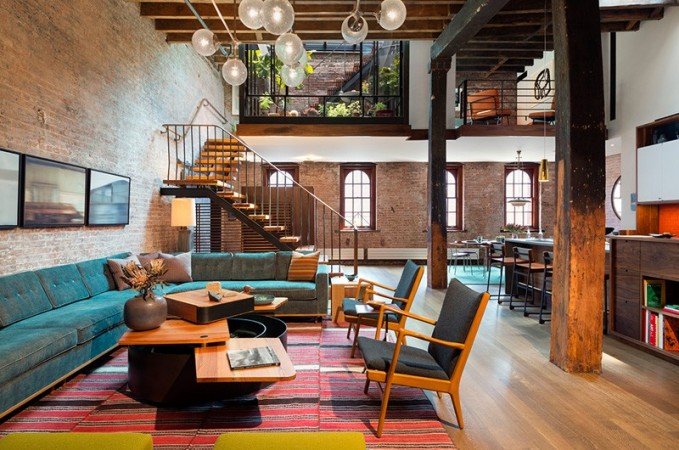
Because you spend most of your night in your bedroom (and most burglaries happen at night), build an upstairs bedroom to get a 360o view of your home.
That way, you can slide your curtain and peep to see any weird goings-on in your well lit home. With your bedroom lights off, you can monitor everything without attracting an intruder’s attention.
Which architecture design did you find fit for your home plan? Well, implement wisely because you can’t start everything from scratch, but you can make a few strategic changes. It is always good to have a home defense plan and all the lights you may need.

9 Architecture Design Elements to Build a Secure Home
It takes time, passion, and patience to build a complete home. It should be grand, purposeful, and secure, right from the gate, into the indoors— and then ends in a tranquil backyard. Maybe you have the space to make such a home, but you know you haven’t maxed your potential. And you’re thinking; what next?
Well, augmenting security and privacy is an excellent place to start. Why? Once you’ve secured your space, you can try any design and install anything you like in your home.
1. Strong Foundation
A strong foundation is the base of a secure home.Ensure the foundation is built with high-quality materials and techniques to withstand external forces.
2.Secure Entry Points
Secure your doors and windows with high-quality locks, reinforced frames, and security bars to prevent forced entry.
3. Alarm Systems
Install a reliable alarm system that detects intrusion and alerts you and the authorities in case of unauthorized entry.
4. Security Cameras
Strategically place security cameras around your property to monitor activities and deter potential intruders.
5. Lighting Design
Proper lighting is essential for security. Use motion-sensor lights to illuminate dark areas and make your home less attractive to burglars.
6. Fencing and Gates
Secure your property with fencing and gates. Choose sturdy materials and incorporate access control systems for added security.
7. Safe Room
Consider including a safe room in your home design, equipped with reinforced doors, dialog devices, and supplies for emergencies.
8. Landscaping
Strategic landscaping can enhance security. Trim bushes and trees near windows and doors to eliminate hiding spots for intruders.
9. Home Automation
Integrate smart home technology for added security. Remote monitoring, locking systems, and alerts can be controlled from your smartphone.
Benefits and Practical Tips
Enhancing the security of your home not only protects your property but also provides peace of mind for you and your family. Here are some practical tips to maximize home security:
- Regularly inspect and maintain security systems
- Change locks and passwords periodically
- Coordinate with neighbors for a watch program
- Invest in security assessments by professionals
Case Studies
Here are some real-life examples of how implementing security measures in home design has helped prevent break-ins and safeguard families:
| Case Study | Outcome |
|---|---|
| Family Home in Suburbia | Installation of security cameras led to the identification and apprehension of a burglar attempting break-in. |
| Urban Apartment | Upgrading door locks and adding an alarm system successfully deterred a break-in attempt. |
By incorporating these architecture design elements, you can build a secure home that not only looks beautiful but also provides a safe and peaceful environment for you and your loved ones.
Great insights! Implementing these design elements can really enhance safety and peace of mind.