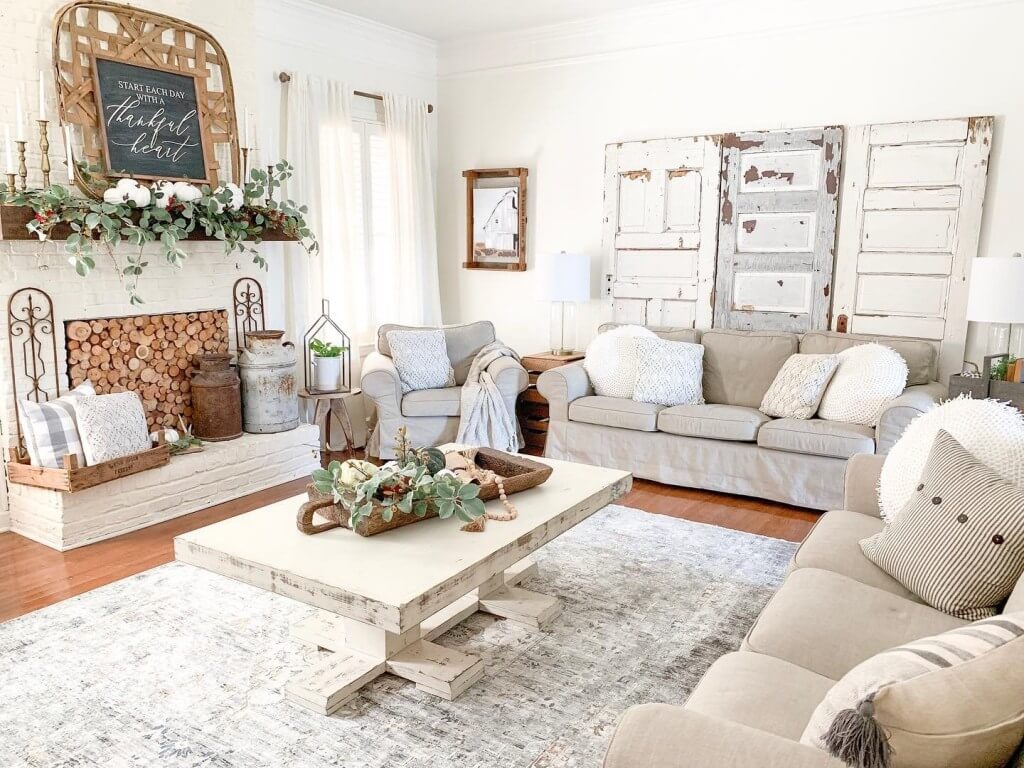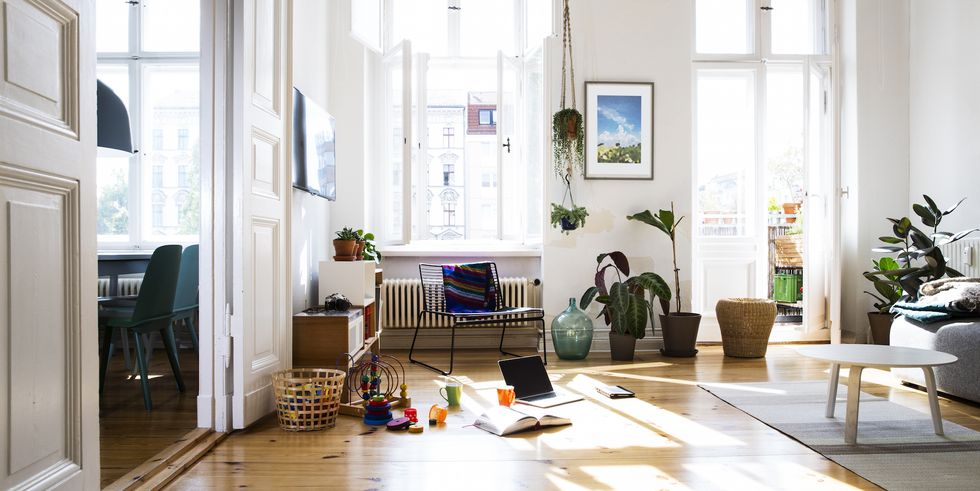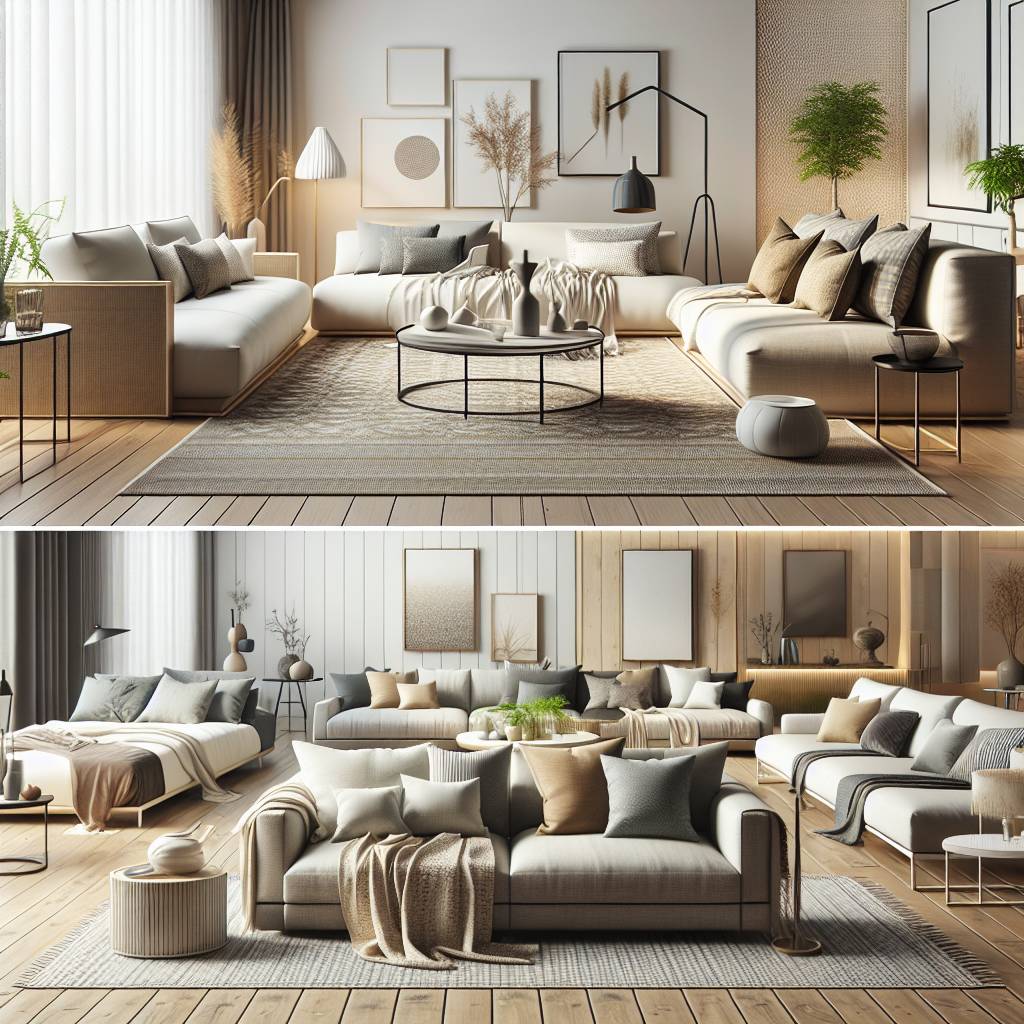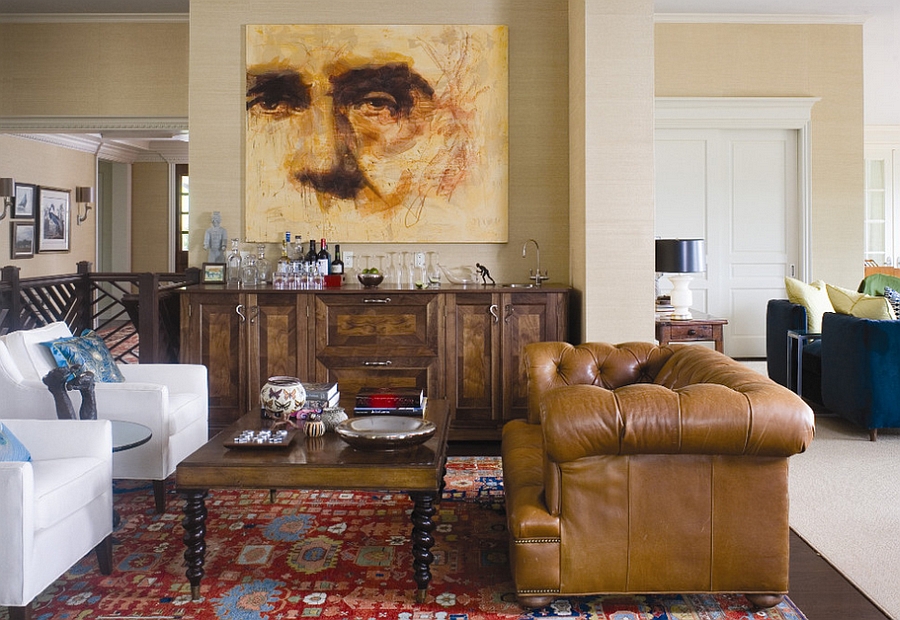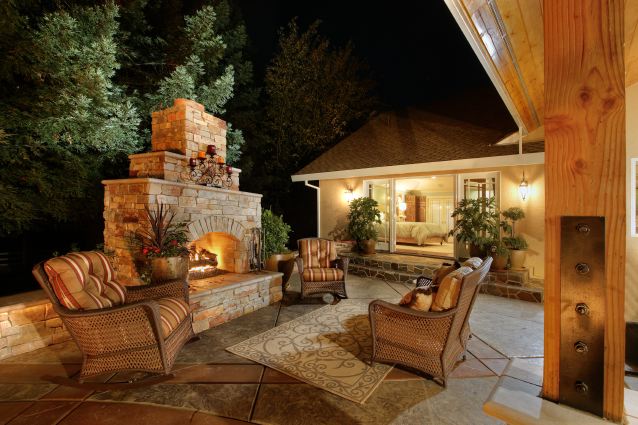

A rug is more then a floor covering - it’s the stage on which your living room’s moments unfold. The right size can anchor furniture, define conversation zones, adn make a space feel intentionally composed; the wrong one can make a well-designed room look unbalanced or cramped. Choosing the perfect area rug is part measurement, part composition and part practical thinking.
In this article you’ll learn how to match rug dimensions to room size and furniture layout,spot common sizing mistakes,and use simple rules of thumb to create visual harmony and comfortable flow. Whether you’re working with an open-plan space, a compact apartment, or a grand living room, these approachable guidelines will help you select a rug that looks right and lives well.
Measure the Room Visualize the Ideal Rug Footprint
Before you buy, grab a tape measure and become a cartographer of your own living space. start by measuring the seating area – not the whole room - and note the distance from furniture legs to wall; leaving a visual border of 18-24 inches around a rug usually creates a balanced frame. Think in zones rather than exact numbers: a rug can either unite all furniture, anchor just the front legs, or float beneath the coffee table to create a defined focal point. Use painter’s tape or kraft paper to outline potential rug footprints so you can step around them and judge traffic flow and scale in real time.
- All furniture on - formal, cohesive seating
- Front legs on – cozy conversation cluster
- Coffee table only – relaxed, budget-amiable anchor
To translate that visualization into a confident purchase, mark the measured outlines and walk the room at different times of day to check light and movement. If you prefer a swift cheat-sheet, use the table below to match common rug sizes to their typical footprints - then tweak by a few inches to suit your style. When in doubt, size up slightly: a rug that reads too small is harder to hide than one that’s a touch generous.
| Rug Size | Footprint Use |
|---|---|
| 8′ x 10′ | All furniture on – formal living |
| 6′ x 9′ | Front legs on – balanced seating |
| 5′ x 8′ | Coffee table only – casual center |
anchor Your Seating Choose What Furniture Should Sit on the Rug
Think of the rug as the stage for your seating-decide which pieces should take center and which should stay offstage. A good rule? Go big when you can: all legs on the rug creates a cohesive, anchored look for large living rooms. If space is tighter, place the front legs on the rug to visually connect the seating without overwhelming the floor. For tiny nooks, a coffee table-only rug works as a focal point, but be careful not to choose one so small it looks like a doormat. Consider these common placements as you plan:
- Sofa: Ideally fully or front-legs on the rug.
- Armchairs: Pair with the sofa arrangement-either all legs or front legs together.
- Coffee table: Should always sit fully on the rug for balance.
- Ottoman: Treat like a coffee table for placement decisions.
- Side tables: Optional-can sit off the rug if the rug already anchors major pieces.
| Seating Arrangement | Recommended Rug Size |
|---|---|
| sofa + two chairs (formal) | 8×10 or 9×12 |
| Sofa with front legs on rug | 6×9 or 8×10 |
| Small seating / coffee table only | 5×8 |
Practical spacing matters: leave a consistent border of floor around the rug so it breathes-typically 8-18 inches from walls depending on room size-and ensure at least 6-12 inches extend beyond the front legs of sofas and chairs for a grounded look. Use scale and negative space to guide whether a piece should sit on the rug: when in doubt, slightly larger is better than too small.

Pick Shape and Size Tailored Recommendations for Common Layouts
Match form to function: choose a rug shape that echoes the way your living room is used-rectangles unite conversation clusters, rounds soften tight corners, squares work under compact seating, and runners guide traffic through narrow plans. Think in terms of visual anchors: a large rectangular rug with the front legs of seating on it creates a cohesive focal area, while a round rug under a circular coffee table emphasizes flow. Measure the seating footprint, not just the wall-to-wall space, and favor a slightly larger rug over one that barely fits; proportion always reads better than exact edges.
- Sofa against a wall: 8×10 or 9×12 (front legs on)
- Floating seating group: 9×12 to fit all legs
- Small lounge or apartment: 5×8 centered under coffee table
- Open-plan with dining: separate rugs-one for seating, one for dining
- Hallway or narrow space: runner 2.5×8 or 2.5×10
Practical guide: use this quick reference to match common room footprints to a shape and size that keeps everything feeling intentional and balanced.Tip: leave at least 18 inches of bare floor around the rug in larger rooms, and 8-12 inches in smaller spaces to frame the piece and maintain visual breathing room.
| Room Footprint | Rug Size | best Shape |
|---|---|---|
| Small seating nook (10×12 ft) | 5×8 | Rectangle |
| Medium living room (12×15 ft) | 8×10 | Rectangle or Round |
| Large open plan (16×20 ft) | 9×12 or layered rugs | Rectangle / Layered |

Balance Style With Function care Material and Budget Considerations
Choose a rug that speaks to your style but does the heavy lifting too: the right piece should anchor the room visually and withstand daily life. Think beyond color and pattern-prioritize traffic, pets, and how frequently enough you’ll clean. A few quick touchpoints to weigh before you buy:
- Traffic: high (durable fibers), medium (moderate pile), low (luxury wool).
- Pets & kids: stain resistance and easy-clean fibers.
- Placement: under the front legs only or fully under furniture affects feel and maintenance.
Match look with logistics and you’ll avoid a rug that’s lovely but impractical.
Materials, care, and budget should work together – not compete: inexpensive options can be surprisingly functional, while high-end fibers reward long-term comfort and longevity.Use this quick comparison to guide a smart purchase; consider swapping one category (e.g., lower cost + regular cleaning) to meet your budget without sacrificing performance.
| Material | Care | Durability | Typical Cost |
|---|---|---|---|
| Polypropylene | Spot clean, hose wash | High | Low |
| Wool | Professional clean, vacuum | High | Medium-High |
| Jute | Dry vacuum, avoid moisture | Medium | Low-Medium |
| silk (blend) | Professional only | Low-Medium | High |
Decide which row best matches your lifestyle and budget, then lean into textures and tones that complement the room-practical choices can still be beautiful.
Key Takeaways
Choosing the right rug size is less about rules and more about harmony: measure the stage you’ve already built with furniture, leave enough breathing room around the anchor pieces, and pick a scale that helps the room read as a single, composed scene. Use simple tests – tape out dimensions, try different configurations - and balance practical needs (durability, traffic paths) with aesthetic ones (proportion, pattern, color).
With a little measuring, a bit of experimenting, and an eye for proportion, the perfect rug will stop feeling like an accessory and start feeling like the foundation. Take your time, trust the visual cues, and let the rug quietly do what it does best: tie the living room together.