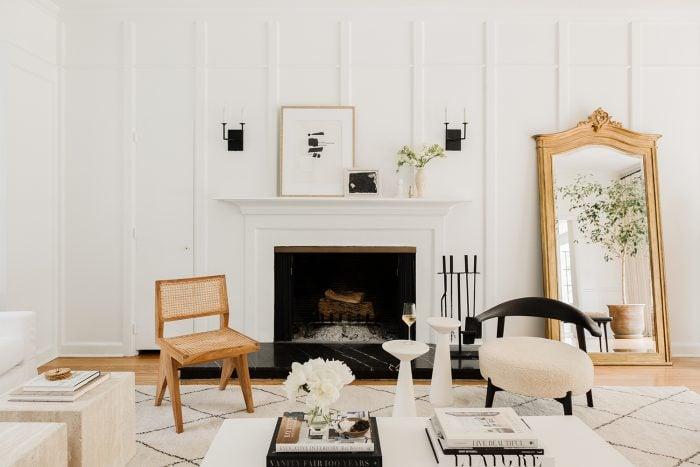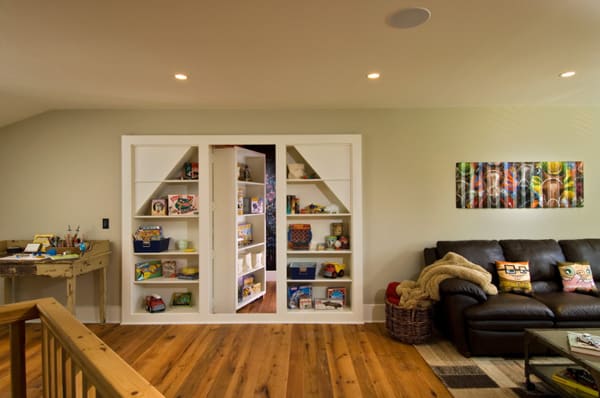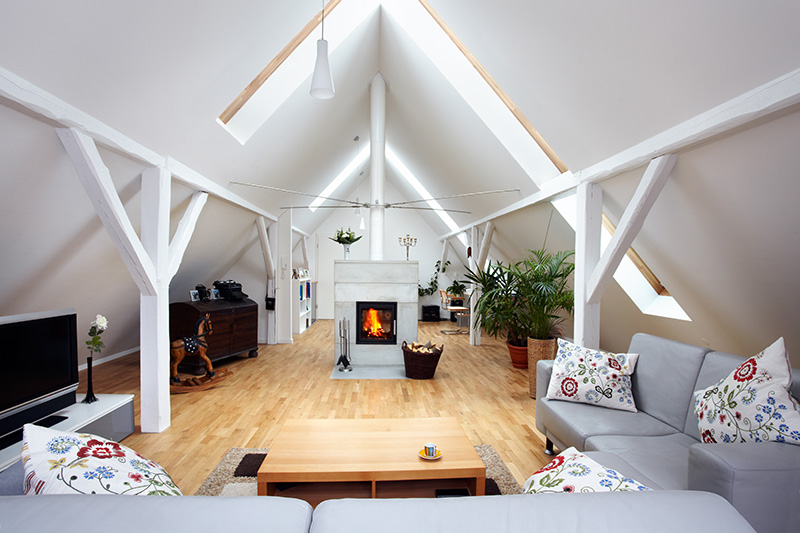

In the realm of interior design, symmetry has long held court as the reigning king of aesthetics, evoking feelings of order and tranquility. However, as tastes evolve and creativity flourishes, another contender emerges from the shadows: asymmetry. This unconventional approach invites a refreshing burst of energy and intrigue into our spaces, allowing for an expressive and dynamic interplay of elements.By embracing the unexpected-through mismatched furniture,varied patterns,and unbalanced decor-rooms become lively canvases that tell unique stories and reflect the personalities of their inhabitants. In this article, we delve into the captivating world of asymmetry, exploring how it can transform ordinary spaces into remarkable experiences where chaos and charm coexist harmoniously.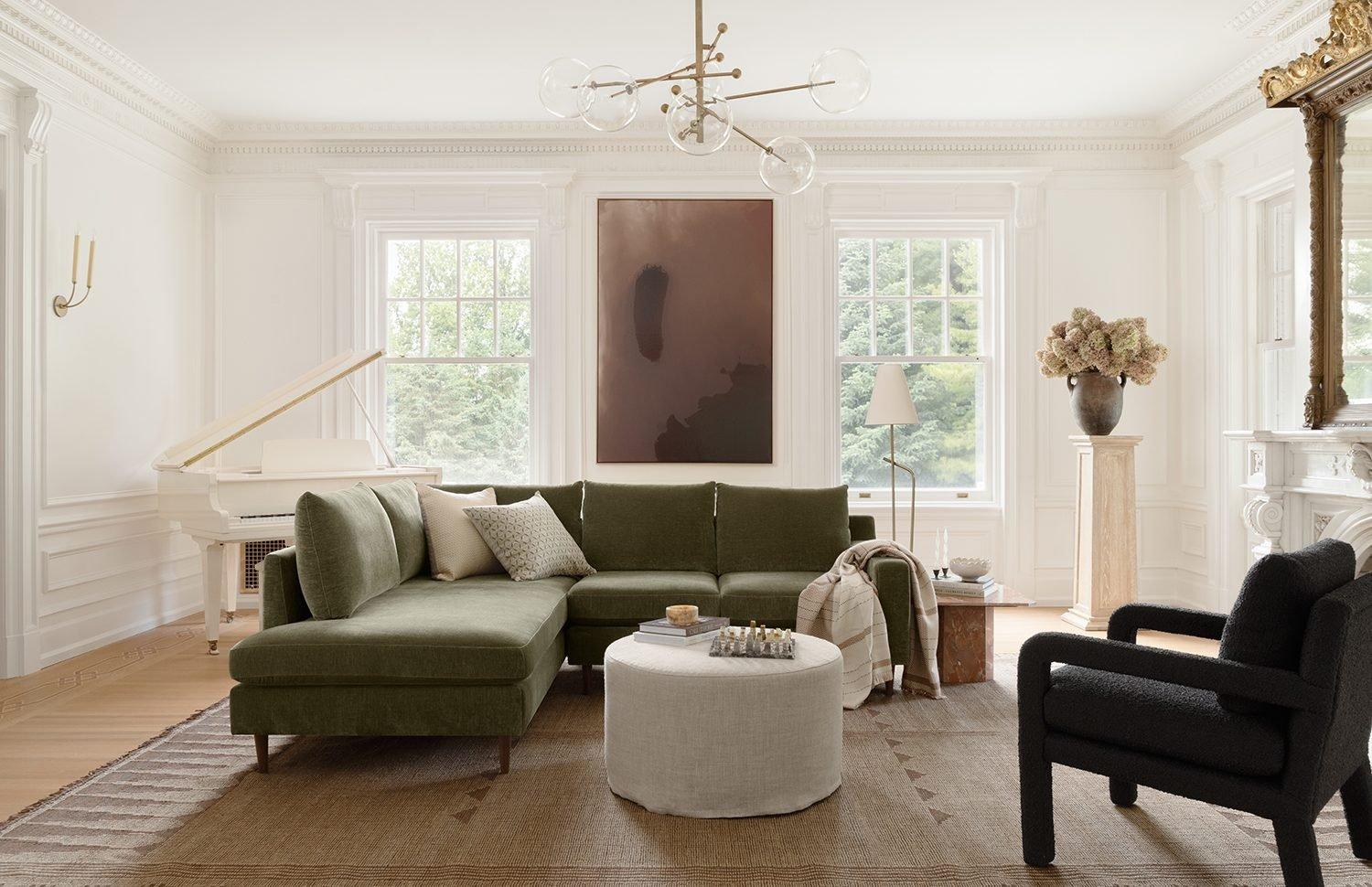
Exploring the Allure of Asymmetry in Interior Design
The beauty of asymmetry lies in its ability to create visual intrigue and a sense of dynamic balance that symmetry frequently enough lacks. When thoughtfully embraced, asymmetrical arrangements can transform a space into a living work of art. Consider these design elements that exemplify the charm of the uneven:
- Furniture placement: Arranging furniture in a non-linear fashion can encourage conversation and flow, drawing the eye around the room.
- Wall Art: Mixing various sizes and styles of artwork creates a captivating gallery wall that tells a personal story.
- Lighting Fixtures: An eclectic mix of pendant lights at different heights can instantly elevate the character of a room.
Incorporating asymmetry doesn’t mean sacrificing harmony,but rather enhancing it. By balancing contrasting elements, such as soft textures against sharp architectural lines, you can foster a sense of comfort and excitement. Here’s a comparison table showcasing the difference between symmetrical and asymmetrical approaches:
| Symmetrical Design | asymmetrical Design |
|---|---|
| Predictable and even | Unexpected and engaging |
| Classic and traditional | Modern and innovative |
| Balanced through uniformity | Balanced through contrast |
Creating Focal Points with Uneven Arrangements
embracing an asymmetrical approach can elevate your space, creating a visual dialog that captures the eye and piques interest. begin by considering a few key elements that can serve as focal points. As a notable example:
- Art Pieces: Hang an oversized painting on one wall while balancing it with a smaller series of framed photographs on another.
- Furniture Choices: Position a large, plush armchair off-center and complement it with a slim side table, creating a unique but inviting area to relax.
- Textiles: Layer an elaborate patterned rug with a solid color throw blanket, creating a dynamic interplay of shapes and textures.
Moreover, the balance achieved through uneven arrangements can lead to unexpected harmony within a room. Consider utilizing contrasting heights and shapes when selecting decor elements. Such as,a tall floor lamp can lend elegance beside a low coffee table,while a cluster of varied-sized vases can create visual interest on a shelf. To simplify your planning, refer to the following table outlining some essential asymmetrical arrangement tips:
| Element | Asymmetrical Option |
|---|---|
| Artwork | large focal piece with small supporting artworks |
| Seating | Uneven arrangement of different-sized chairs or stools |
| Lighting | Mix of pendant and table lamps at different heights |
Balancing Chaos: How to Blend Asymmetrical Elements
Asymmetrical design invites a vibrant energy into any room, inspiring creativity and encouraging innovative layouts. to successfully blend asymmetrical elements, consider the following strategies:
- Play with Scale: Mix large and small items; for example, pair a hefty coffee table with delicate, slender side tables.
- Vary Textures: Combine smooth surfaces with rough textures to create visual interest. A sleek metallic lamp juxtaposed against a woven basket can add depth to your décor.
- Layer Colors: Use a palette of complementary colors that include splashes of both bold and muted tones, allowing for a dynamic yet cohesive look.
another vital aspect of embracing asymmetry is creating focal points that draw the eye without overwhelming the space. Incorporate art or decorative pieces that serve as anchors; for instance, a large, abstract painting can command attention while smaller framed photos scattered at varying heights on another wall provide balance. The following table outlines some creative focal point ideas:
| Focal Point Type | Asymmetrical Arrangement Tips |
|---|---|
| Art Pieces | Hang them off-center,mixing various sizes. |
| Shelves | Vary the height of items, staggered arrangements work best. |
| Furniture | Offset seating and tables to create conversational nooks. |

Color and Texture: Celebrating Imperfection in Space
Embracing the beauty of imperfection allows for a rich tapestry of color and texture that can transform any space into a dynamic surroundings. The asymmetry seen in nature inspires us to break away from rigid patterns and instead explore a palette of hues that complement rather than compete. Imagine a room painted in muted earth tones, accented with vibrant jewel-like textiles that invite touch and interaction. By layering different textures-like a soft,worn leather chair beside a sleek metal lamp-one can create an engaging visual contrast that tells a story of balance found in chaos.
Incorporating asymmetrical design elements elevates the artistic appeal of a room, emphasizing both functionality and aesthetics. consider these aspects when curating your space:
- Mixing materials: Combine rustic wood with polished stone for a unique juxtaposition.
- Choosing diverse shapes: Opt for round tables amidst angular furniture for visual intrigue.
- Layering patterns: Use florals alongside stripes to create a playful yet cohesive look.
| Element | Effect |
|---|---|
| Textured Fabrics | Add warmth and depth |
| Bold Colors | Stimulate energy and mood |
| Natural Elements | Create a grounded, organic feel |

Practical Tips for Mastering the Art of Asymmetry
Embracing asymmetry can transform a mundane space into an intriguing spectacle. Start by considering a striking focal point that draws the eye, whether it’s an oversized piece of artwork or an eye-catching sculpture. Layer the visual interest by incorporating various textures and materials. Think about using a mix of materials such as wood, metal, and textiles to create a rich tapestry of visual stimulation. Incorporate elements that vary in scale, like a large, bold table lamp paired with a collection of smaller decorative items on a shelf. This interplay of sizes adds depth and character to the room.
Additionally, consider the layout of furniture and decor to enhance the asymmetrical aesthetic.Instead of perfectly aligning furniture, try placing larger pieces off-center while arranging smaller accents asymmetrically around them. use groupings of items in odd numbers-this creates a more dynamic feel. For example, pair a tall plant on one side of a sofa with two smaller vases or decorative books on the other. A simple way to visualize this is through a basic layout table:
| Element | Placement |
|---|---|
| Large Artwork | Centered on the wall |
| Tall Plant | Left side of the sofa |
| Decorative Books | Right side of the sofa (in small groupings) |
| Statement Lamp | At the end of a side table |
By thoughtfully selecting and arranging these elements, your space will embody a sense of balance that feels both intentional and organic, allowing for a captivating visual narrative that celebrates asymmetry.
In Summary
In the dance of design, symmetry often takes center stage, celebrated for its harmony and balance. Yet, as we’ve explored, ther’s a certain allure to the unconventional - an invitation to embrace asymmetry and all its delightful quirks. By inviting unexpected angles, varied textures, and playful proportions into our spaces, we can cultivate environments that spark curiosity and inspire conversation. So, as you embark on your next decorating endeavor, consider setting the rulebook aside. Lean into the beauty of the imperfect, where every item tells its own story and every corner offers a surprise.After all, it’s in the asymmetrical that we find the heart of intrigue, and perhaps a little magic, waiting to unfold in our homes. Happy decorating!