
In a city apartment where every square foot feels claimed before you unfurl the tape measure, furniture choices start to read like small acts of diplomacy. The dining table is especially diplomatic: it must serve as workplace, homework station, buffet island and the occasional game board, all while negotiating passage between a sofa and a kitchen. In such cramped negotiations, one shape quietly alters the terms of the conversation.
The round table-unassuming, cornerless, and compact-reframes the small-space problem. Without corners to snag legs or visual edges to break a room, it encourages movement and conversation, fits where rectangles balk, and can make a tight footprint feel deliberately communal rather than merely constrained.It softens traffic flow, distributes seating evenly, and offers surprising versatility in both function and style.
This article lays out the practical and aesthetic case for choosing round dining tables in small spaces: how they work, why they often feel better in tight quarters, and when they might not be the best fit.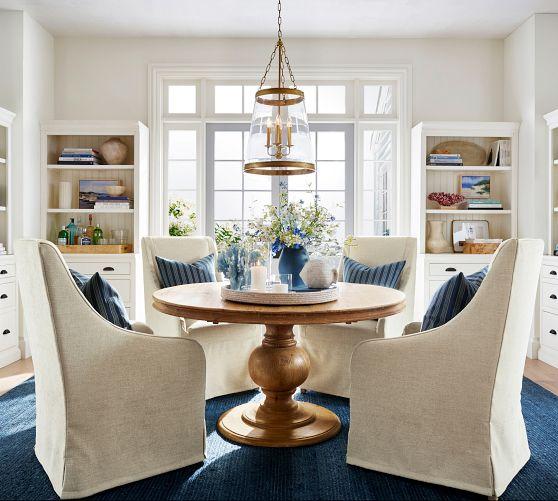
How round tables reclaim visual space and smooth circulation in narrow apartments
In tight layouts, a circular dining surface quietly dissolves the visual clutter that rectangle corners create, turning a corridor-like room into a breathing space.The eye follows the curve rather than stopping at harsh angles,which makes the whole area feel wider and more intentional. small practical perks add up, too:
- Smoother movement – fewer pinch points when people pass
- Flexible seating – stools or mixed chairs tuck in easily
- Calmer sightlines – curves reduce perceived crowdedness
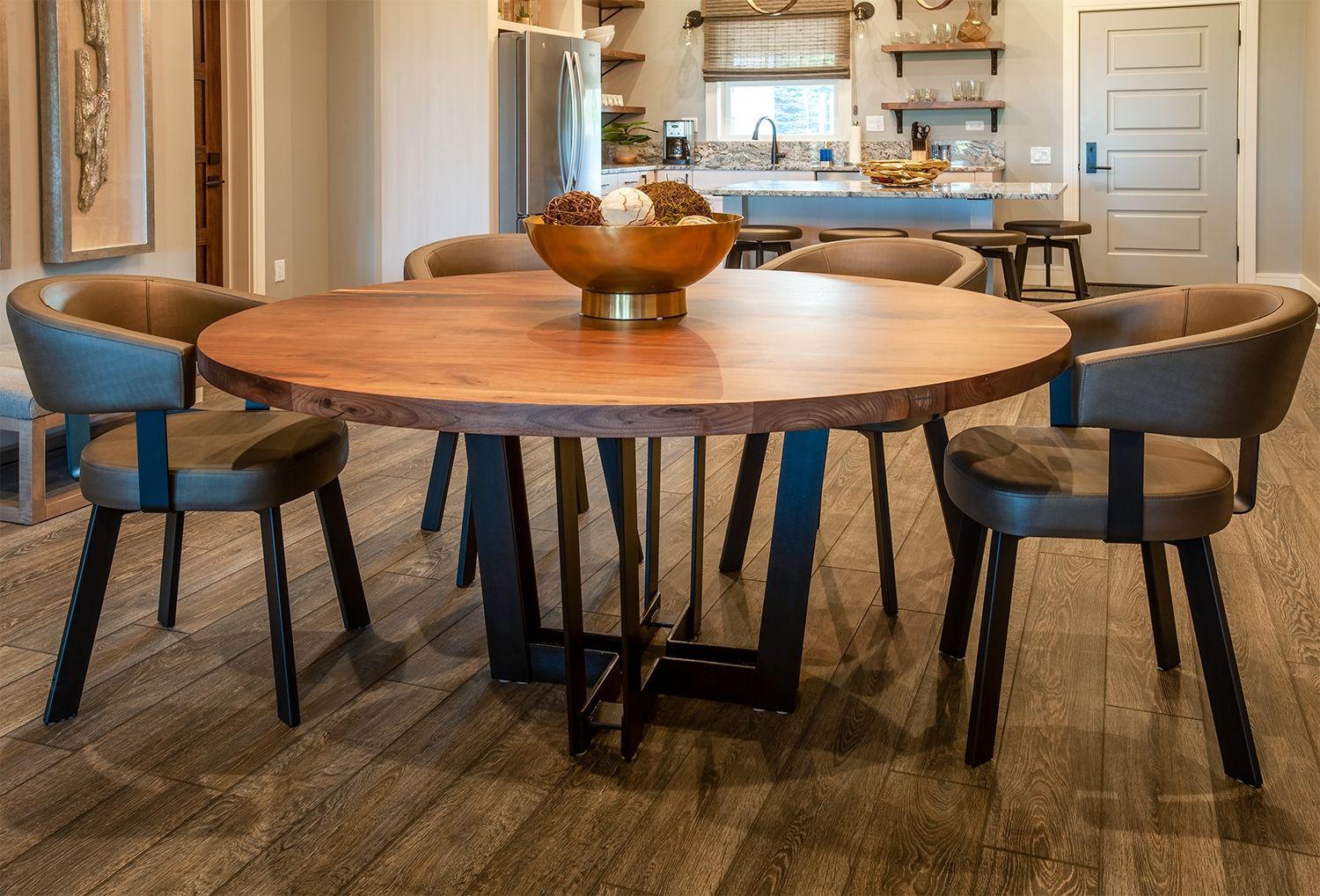
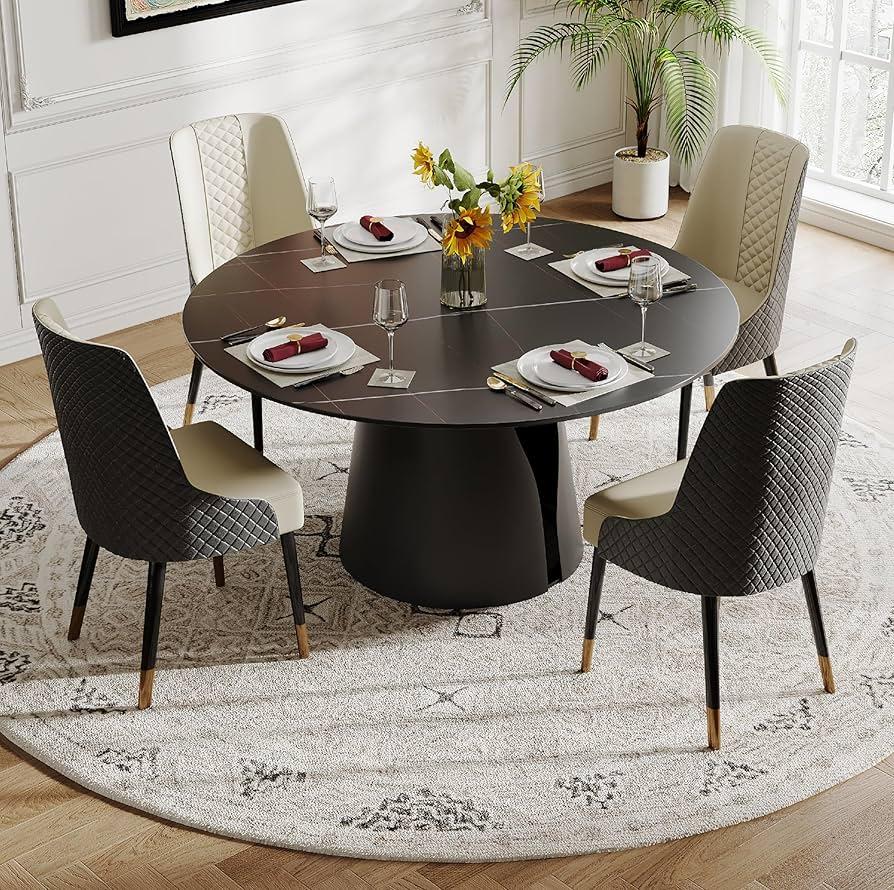
Scale and base matter as much as shape: a single pedestal or slim tripod leg reads lighter than a chunky four‑leg frame, and glass or pale surfaces amplify the effect without shouting for attention. Aim for a clearance of about 60-75 cm for comfortable passing in narrow apartments, anchor the area with a modest rug to define place, and resist pushing the table hard against the wall – floating it slightly maintains the implied pathway and keeps circulation effortless.
Choosing the right scale and profile for your footprint with compact, midscale and extendable tops
In tight quarters, a round table becomes a choreography of scale and intention: choose a compact top to create cozy pockets for conversation, a midscale option to anchor a small dining nook without overwhelming it, or an extendable surface when flexibility is the priority. Think of the table as a piece of furniture that breathes with the room - a smaller diameter opens circulation, while a slightly larger round invites more chairs and a relaxed meal.
- Compact: ideal for 2-4 people, keeps pathways clear.
- Midscale: balances intimacy and function for 4-6.
- Extendable: collapses for daily life, expands for guests.
Profile and base choices sharpen that footprint: a slim edge and pedestal base read lighter than a bulky apron and chunky legs, while a tapered skirt or open tripod can visually widen floor space. Use the little rules to guide selections – match diameter to traffic flow, prefer single bases where chairs need to slide, and pick extendable mechanisms with low profiles to avoid awkward overhangs.
| Diameter | Seats | Suggested Profile |
|---|---|---|
| 30-36 in | 2-4 | Thin edge, pedestal base |
| 38-48 in | 4-6 | Mid apron, tapered legs |
| 48-60 in (extendable) | 6-8+ | Reinforced underframe, discreet leaf |
- Traffic clearance: leave 30 inches around the table for comfortable movement.
- Visual lightness: choose open bases and narrow profiles to make a small room feel larger.
Material, base and edge decisions that resist wear and keep small dining areas feeling airy
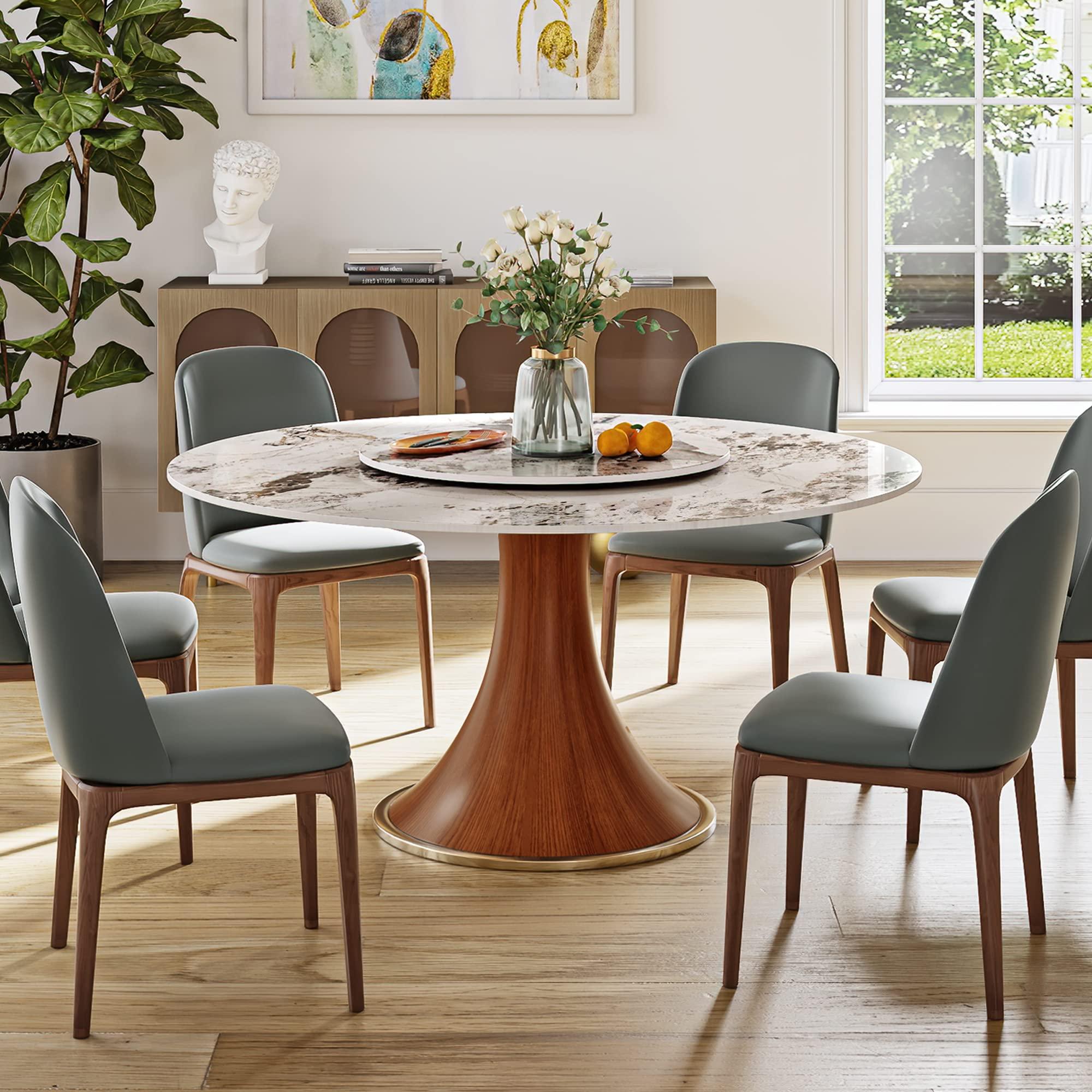
Choose surfaces that age like quiet champions: engineered stone, high-pressure laminate with a matte finish, and powder-coated metal hold up to daily use without shouting for attention. opt for low-porosity tops (quartz or compact laminate) to resist stains and abrasion, and look for micro-seal or UV-cured finishes that prevent water marks and dulling. Warm wood veneer can work in small dining nooks if paired with a clear hard-wax oil or lacquer that’s been abrasion-tested; the trick is matching a resilient top with an easy-to-repair finish so scratches blend into the patina rather than demand immediate replacement.
Think lightness at the base and subtlety at the edge: a slender pedestal or tripod keeps sightlines open, while a thin eased or chamfered edge reduces visual bulk. Here are durable, space‑saving combinations that stay airy without sacrificing longevity:
- quartz top + single-column pedestal – seamless rigidity, minimal footprint.
- Compact laminate + hairpin legs – ultra-thin edge, industrial lightness.
- Glass top + minimal metal rim – reflective openness, scratch-resistant tempered option.
- Veneer top + tapered wooden base – warm, repairable surface with graceful shadows.
Choose edges with a slight radius rather than chunky profiles to protect against chips while maintaining a slender silhouette that lets a compact dining area breathe.
Seating, lighting and accessory strategies to maximize comfort and multifunctional use
Choose seating that slips easily into life: a mix of slim-profile chairs, a half-moon bench, or lightweight stools keeps the circle uncluttered and encourages conversation. Swivel or armless chairs offer freedom of movement without adding bulk, while a bench tucked against the wall doubles as a cozy perch and a storage lid when fitted with a lift top. Think modular-pieces that stack, fold or slide under the table let the round surface transform from family dinner hub to compact home office in seconds.
- Flexible seating – stackable chairs and tuck-away stools
- Dual-purpose bench - seating + hidden storage
- Vary heights – mix a bench with chairs for visual space
- Mobile elements – castered stools or a small trolley
| Seats | table Diameter | Ideal Seating |
|---|---|---|
| 2-3 | 80-90 cm | Two chairs + stool |
| 4 | 100-120 cm | Mix of bench & chairs |
Light and accessorize with multitasking in mind: center a pendant or adjustable swing-arm lamp above the table to create a focused pool of light for dining or work,then add a dimmer or table lamp for softer evenings. Layered lighting keeps the round table usable at any hour without overwhelming a small room. Accessories should be compact and purposeful-a lazy Susan or shallow tray organizes condiments, a slim charging caddy keeps devices tidy, and reusable placemats protect the surface while defining individual zones. These small touches make the round table feel intentionally versatile-equally suited to meals, homework, and a quick laptop session.
Insights and Conclusions
Think of a round dining table as a small room’s quiet pivot: it softens corners, eases movement, and invites conversation without demanding excess space. In compact homes, its curves create visual breath and practical flexibility-seating can adapt, chairs slide more easily, and the surface can serve as a dining spot, workbench, or game table. Choosing the right diameter, material and leg style keeps the piece from overwhelming the room while still anchoring daily life. For anyone rethinking a tight footprint, a round table is less a style trend than a modest strategy for making a small space feel more open, social, and usable. Measure well, imagine how you’ll use it, and let the table reshape how the room works for you.