
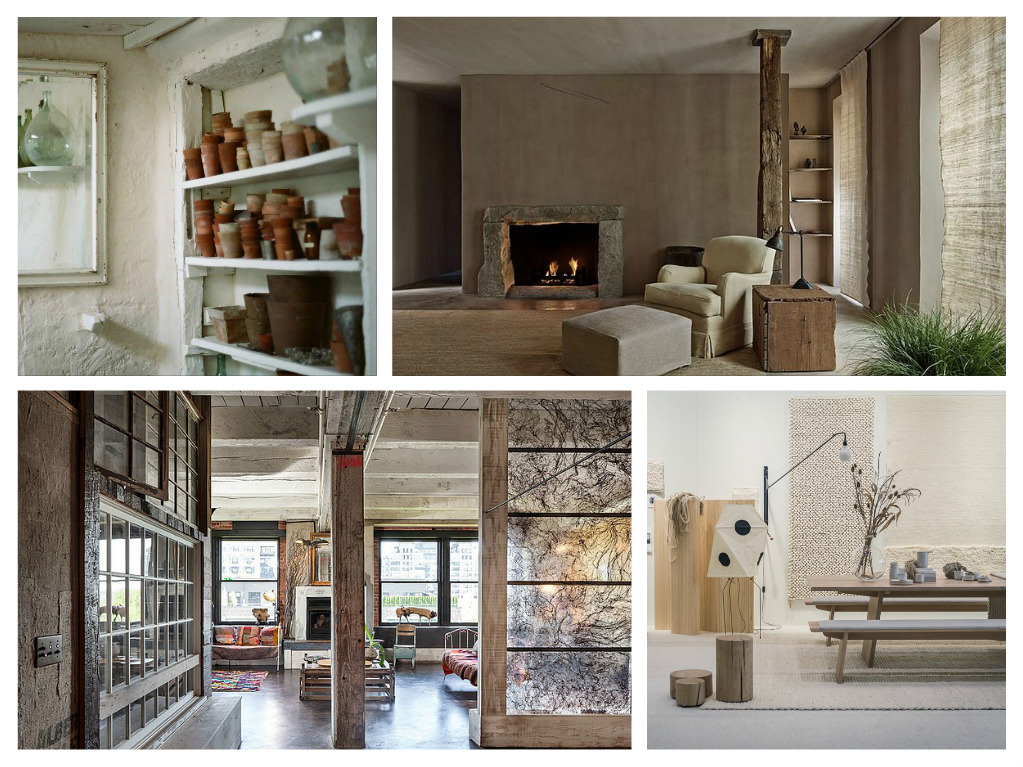
“What is Wabi Sabi Style?”, you may be asking yourself. At first, you thought it was something on a teppanyaki menu. But, you then had an embarrassing moment and found out it is a cultural ideal that the Japanese have embraced for centuries. Well, at least that’s how it went down for me!
Wabi-Sabi Ideals
The wabi-sabi ideal is one which embraces a simpler lifestyle, with fewer possessions. This gives one a deeper appreciation for the little things. Finding beauty in and respecting old things is part of the harmony.
Wabi-Sabi Style
In design, this philosophy embraces and celebrates imperfection. This means that cracked bowls and cups are appreciated rather than discarded. Also, designers look to natural things for beauty. Do you have raw wood or chipped paint on your walls? That is a perfect example of wabi sabi style. It relates the history of your home rather than being negative. Embrace this simple, uncluttered way of decorating.
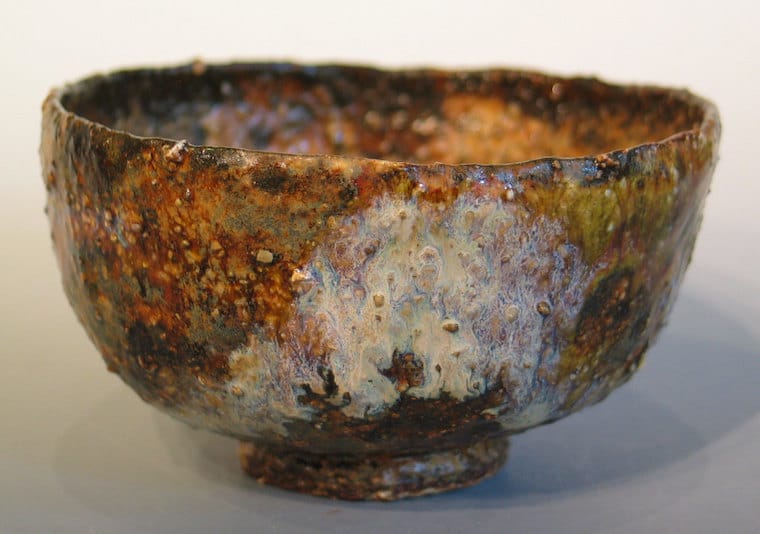
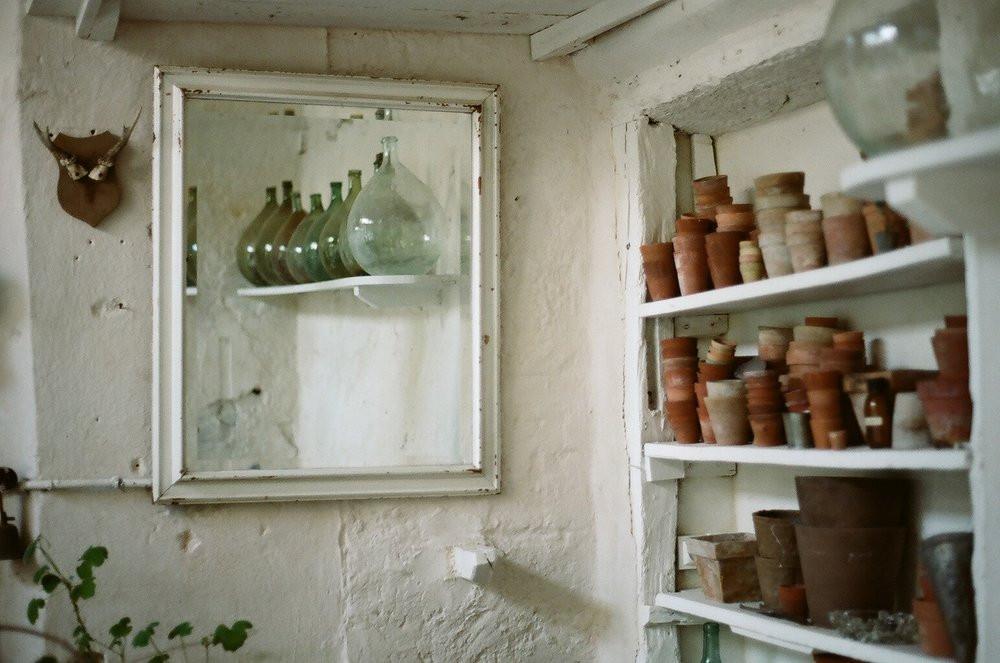
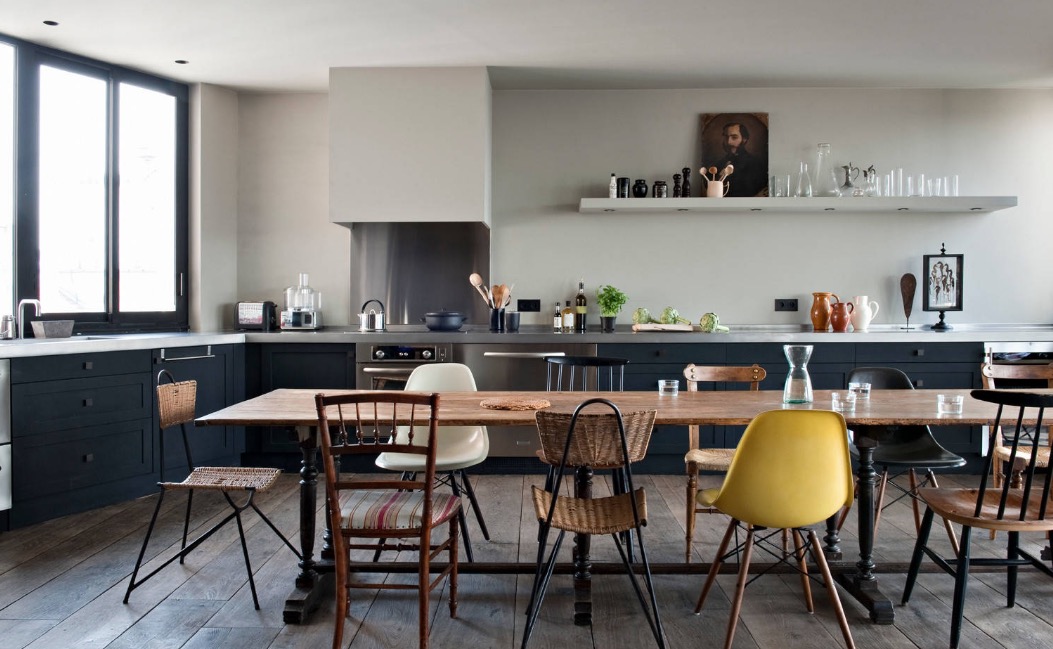
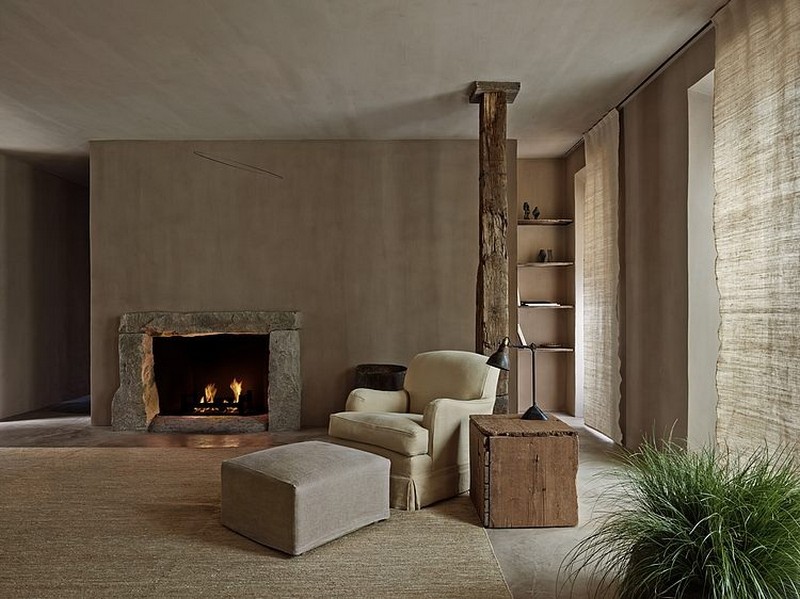
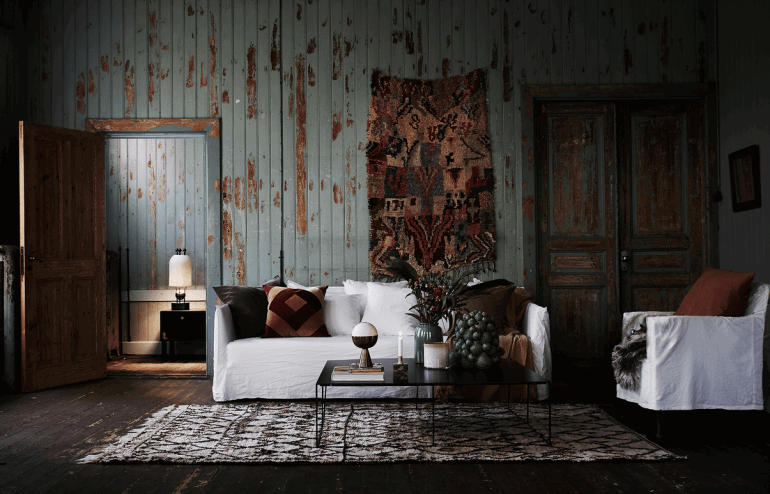
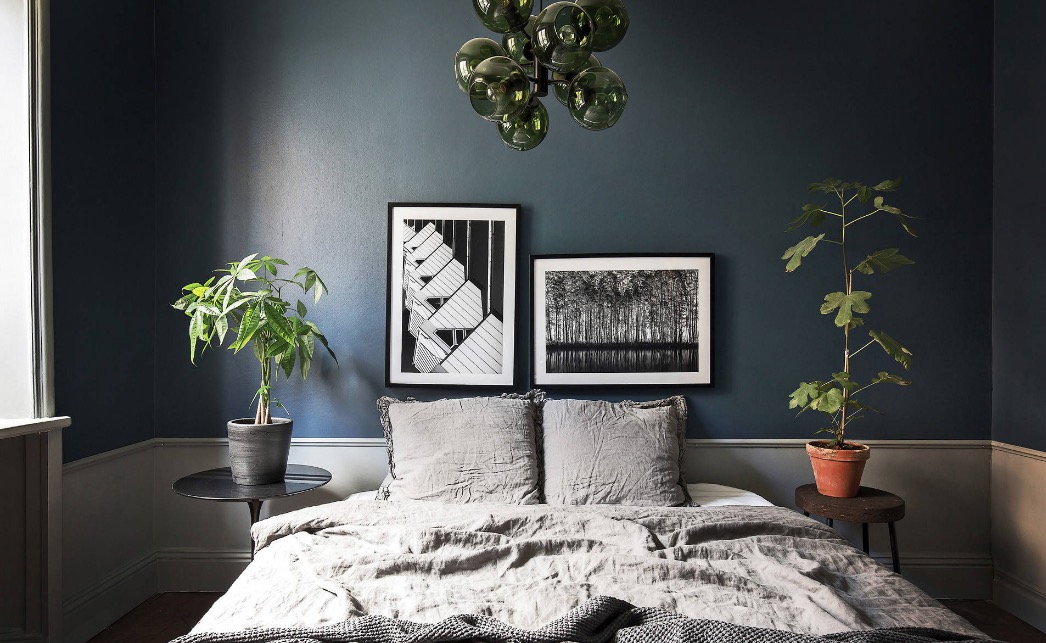
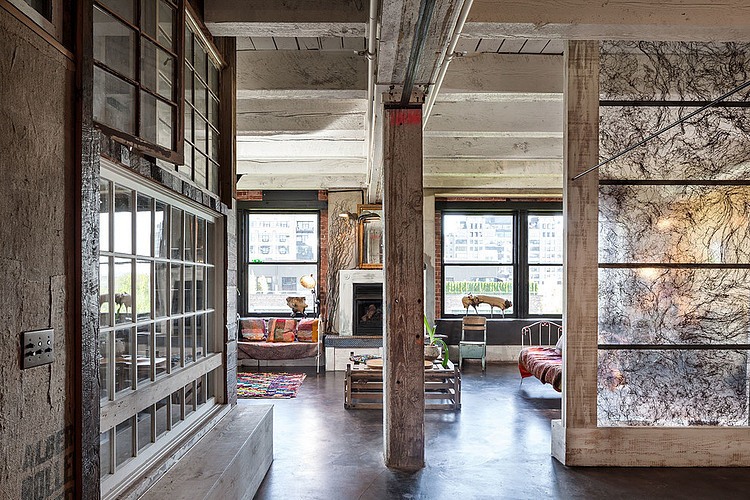
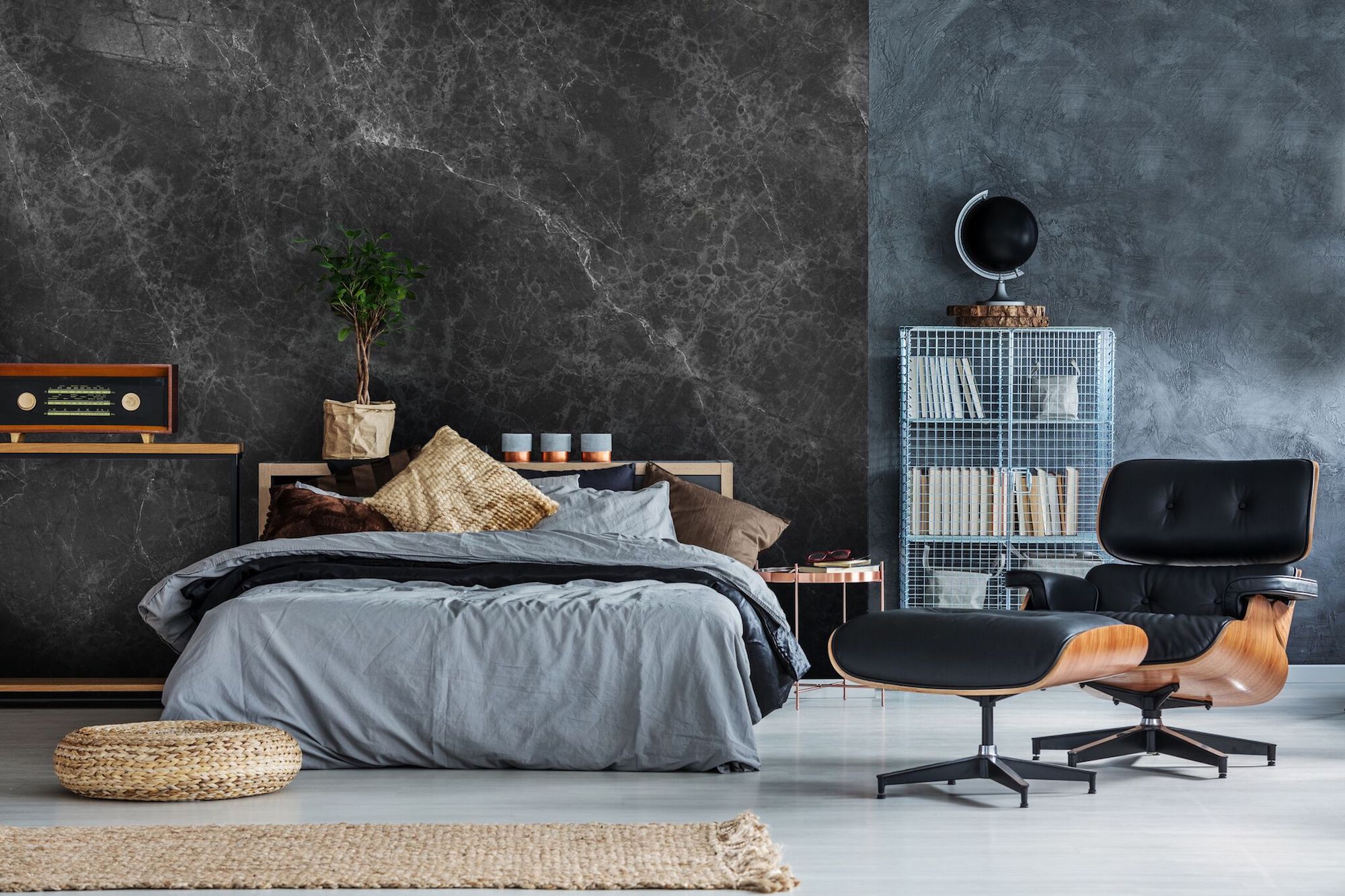
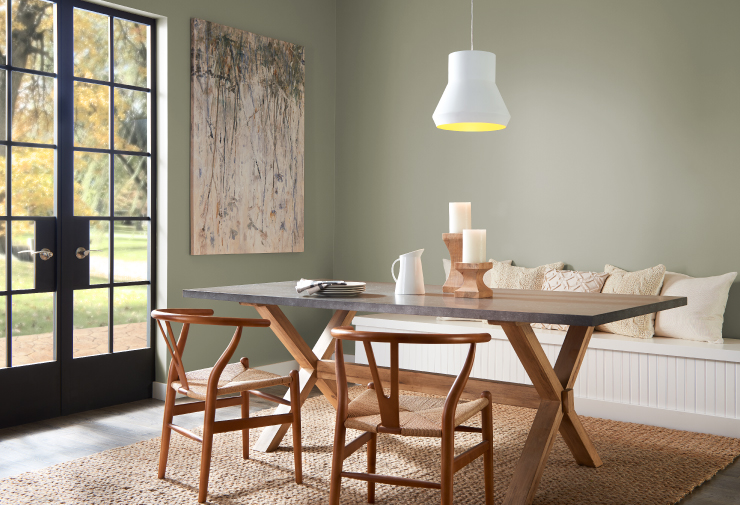
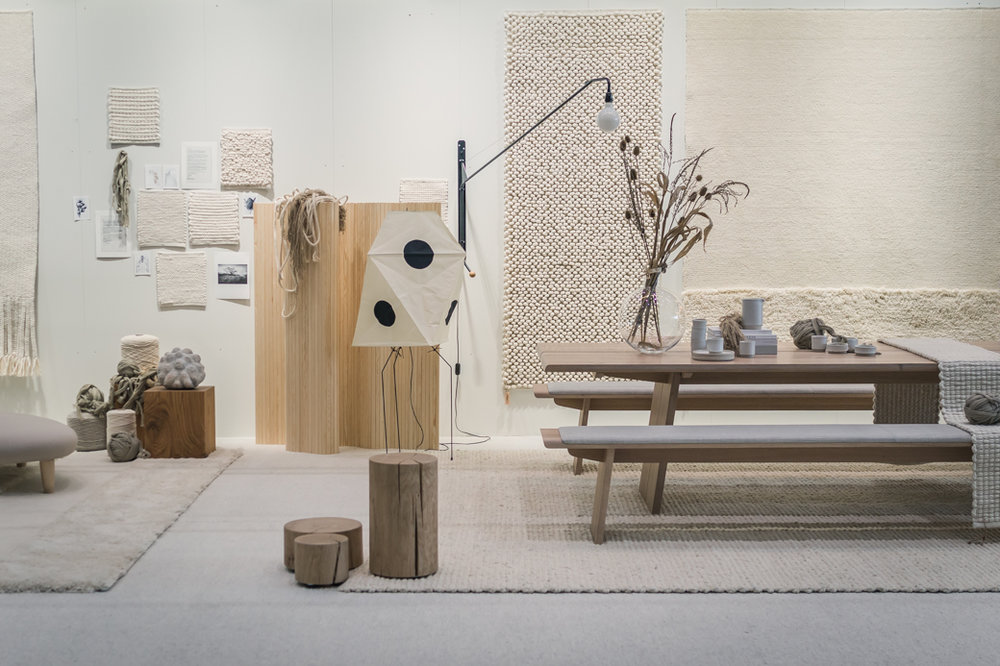
Due to the simple elegance of wabi sabi style, it’s easy to pull off. Think of understated and natural. You’ll get there!
 What is Wabi Sabi Style?
“What is Wabi Sabi Style?”, you may be asking yourself.At first, you thought it was something on a teppanyaki menu. But, you then had an embarrassing moment and found out it is a cultural ideal that the Japanese have embraced for centuries. Well,at least that’s how it went down for me!
Wabi-Sabi Ideals
The wabi-sabi ideal is one which embraces a simpler lifestyle,with fewer possessions. This gives one a deeper gratitude for the little things. Finding beauty in and respecting old things is at the core of wabi-sabi ideology. It celebrates imperfection, impermanence, and authenticity in the world around us. So,what exactly is wabi-sabi style? Let’s delve deeper into its essence.
Characteristics of Wabi Sabi Style
Wabi-sabi style is all about finding beauty in imperfection and embracing the natural cycle of growth and decay. Here are some key characteristics of wabi-sabi style:
- Simplicity: Wabi-sabi style is often associated with minimalism. It values simplicity and the idea of less is more. Think of a Japanese tea ceremony with its serene and uncluttered aesthetics.
- Natural Elements: Nature plays a significant role in wabi-sabi design. It incorporates natural materials like wood, stone, and paper to bring a sense of harmony and tranquility to a space.
- Patina: Wabi-sabi embraces the concept of “beauty in age.” Items that show signs of wear and tear, like weathered wood or faded fabrics, are considered stunning in wabi-sabi style.
- Handcrafted Items: Handmade and unique pieces are preferred in wabi-sabi style over mass-produced items. Each piece tells a story and adds character to the space.
- Imperfection: Wabi-sabi celebrates imperfections and asymmetry. It values the beauty of things that are flawed or incomplete, as they reflect the natural process of life.
Benefits and Practical Tips
Embracing wabi-sabi style in your home can bring a sense of calm and serenity to your living space. Here are some benefits and practical tips for incorporating wabi-sabi style:
- Declutter: Start by decluttering your space and keeping only the items that truly bring you joy and have a purpose. This will create a sense of space and tranquility in your home.
- Embrace Nature: Bring elements of nature into your home, such as houseplants, natural materials, and organic textures. This will infuse your space with a sense of vitality and connection to the natural world.
- Mix Old and New: Blend vintage or antique pieces with modern elements to create a unique and eclectic look. This juxtaposition of styles adds depth and character to your space.
- Create Quiet Spaces: Designate quiet and peaceful corners in your home where you can relax and unwind. Use soft lighting, neutral colors, and cozy textures to create a soothing atmosphere.
Case Studies
Let’s look at a couple of case studies where wabi-sabi style has been successfully implemented:
- Minimalist Retreat: A small apartment in the city was transformed into a minimalist retreat using wabi-sabi principles. The space was decluttered, and natural materials like bamboo and linen were used to create a sense of serenity.
- Rustic Chic: A farmhouse was given a rustic-chic makeover with wabi-sabi style. Weathered wood furniture, handwoven textiles, and vintage accessories were used to add warmth and authenticity to the space.
First-hand Experience
Personal experience with wabi-sabi style can be transformative. Many have found peace and contentment by embracing the simplicity and beauty of imperfection in their surroundings. By incorporating wabi-sabi principles into your life, you can create a space that resonates with authenticity and harmony.
wabi-sabi style is more than just a design trend; it is a philosophy that encourages us to appreciate the beauty of imperfection and find joy in the simple things. By embracing wabi-sabi style in your home, you can create a space that is both visually appealing and spiritually enriching.
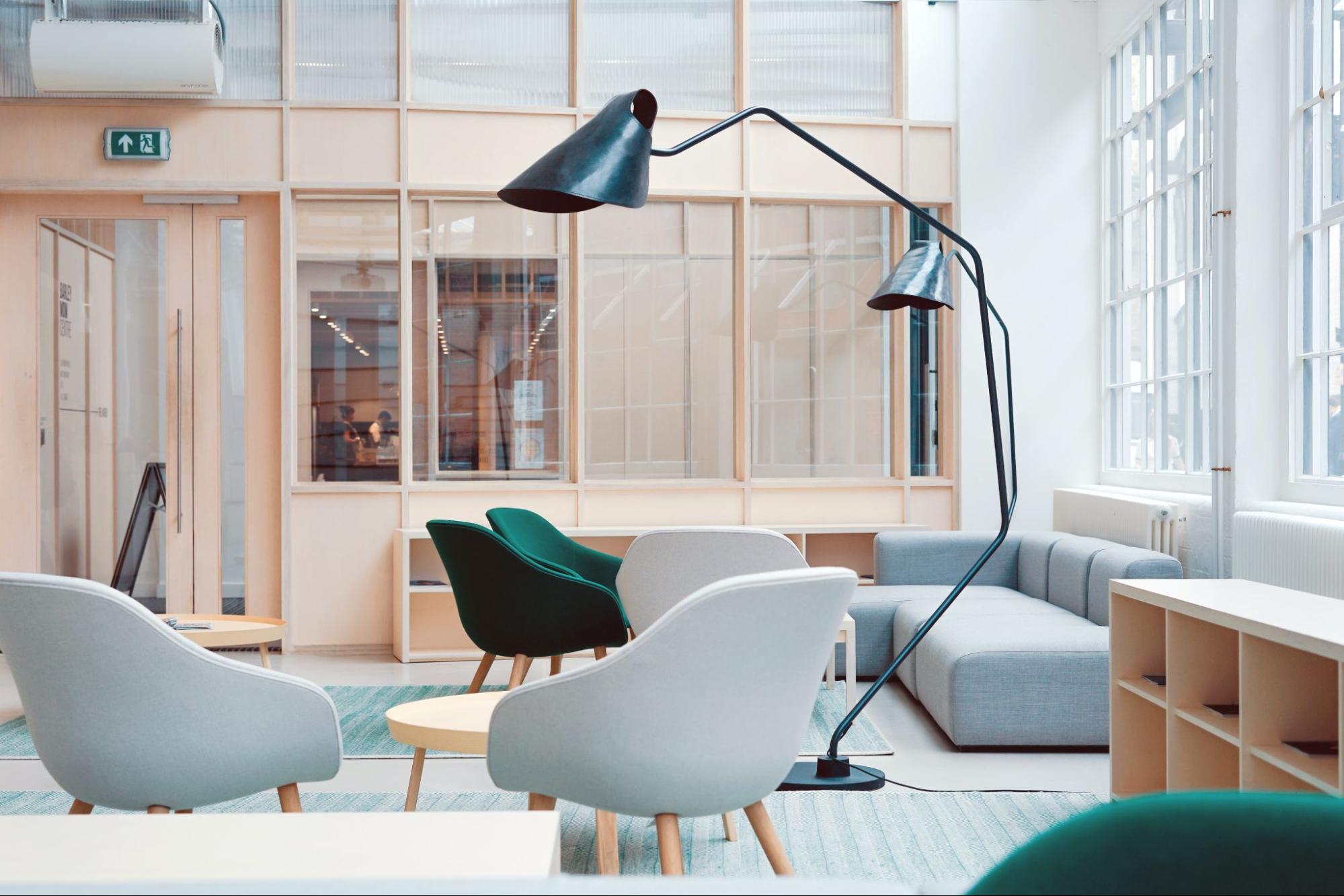
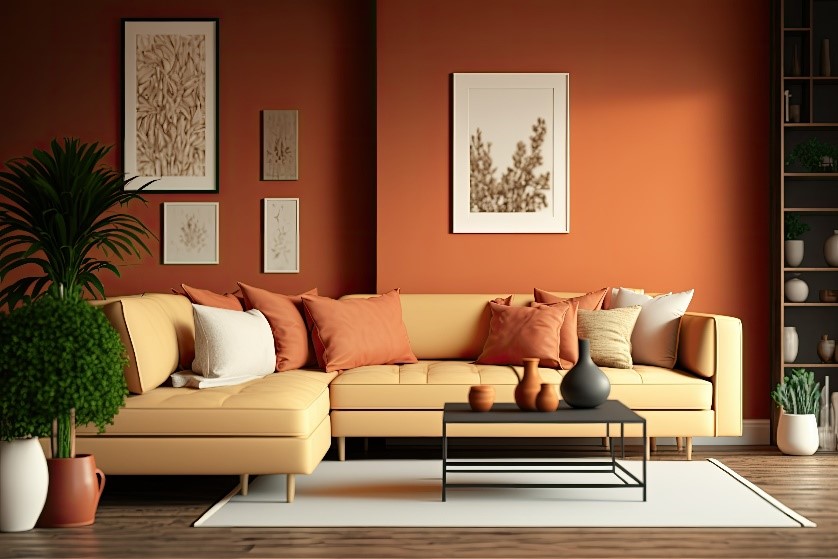
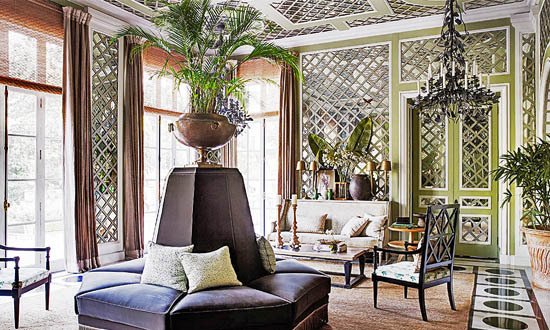
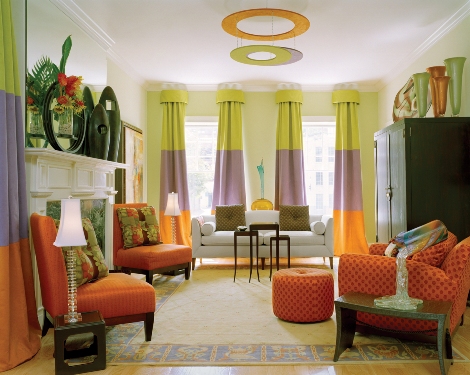

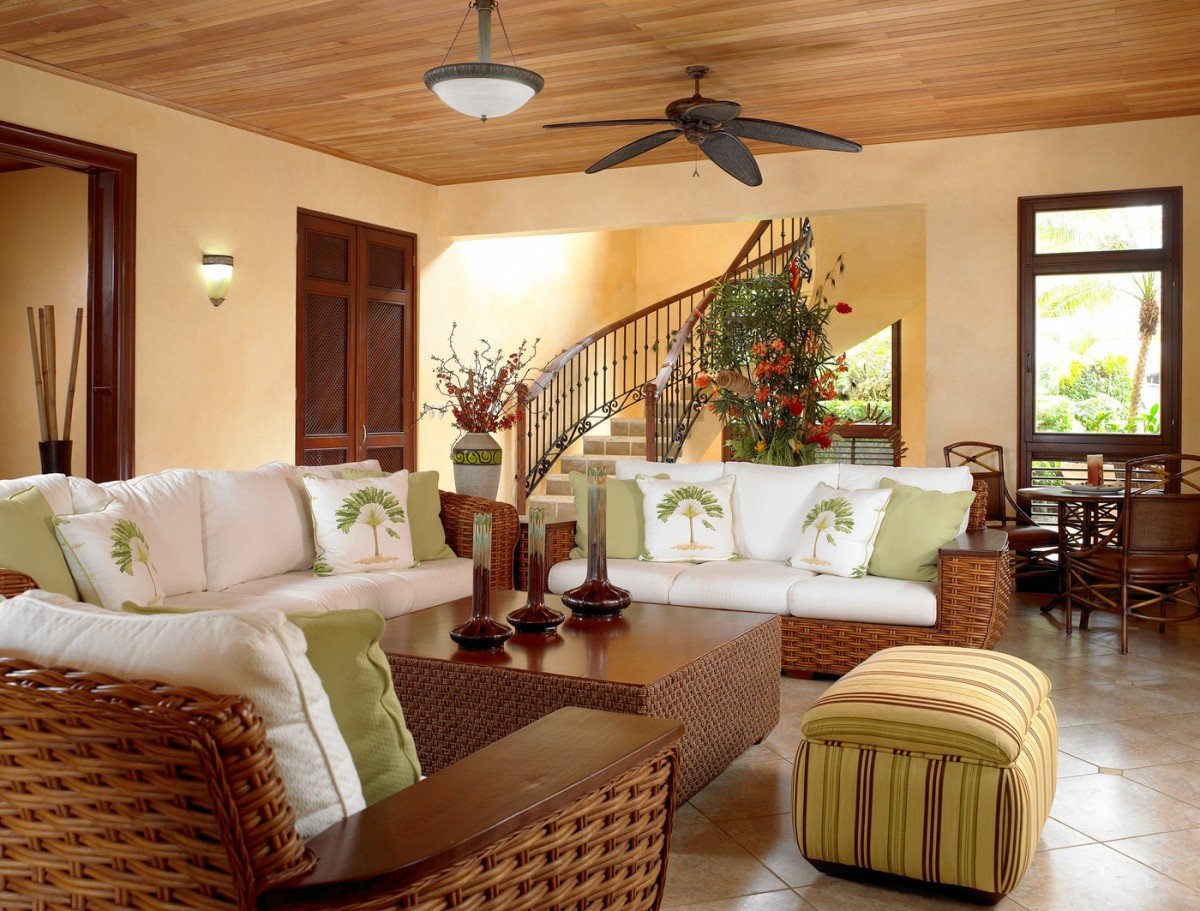
Wabi Sabi is such a beautiful philosophy that embraces imperfection and finding beauty in the natural cycles of life—it’s all about appreciating the simplicity and authenticity around us!
Wabi Sabi really resonates with me; it’s a reminder that flaws can tell powerful stories and that there’s art in the transient nature of our surroundings.