
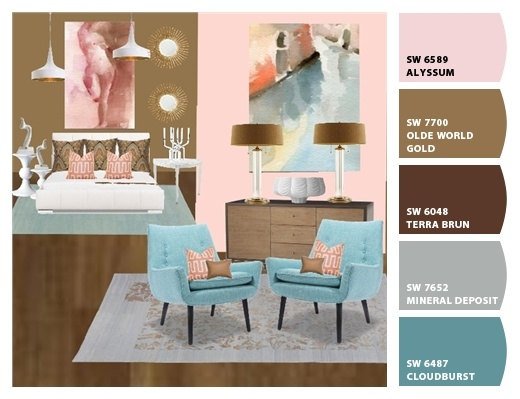
A mood board is created by interior designers to provide a visual aid to clients of what their room will look like. It is often a tactile board that includes samples of fabrics, flooring, paint and trim. If you are about to design or redecorate a room, a mood board is a great place to start your project. It will keep you focused and allow you to see how everything will look in your home. Here are examples of this handy tool and tips on how to create a mood board for planning your interiors.
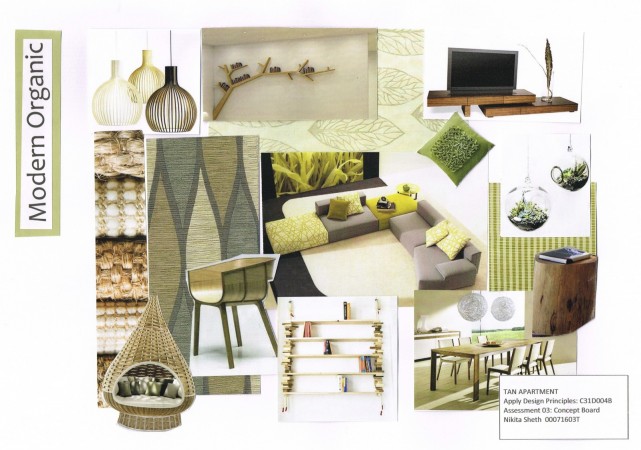
Many of us scour decorating magazines and find rooms and products that stand out. This is often a good place to start when choosing items for your mood board. Laying everything out together on a board allows you to see how items will work together within a room scheme.
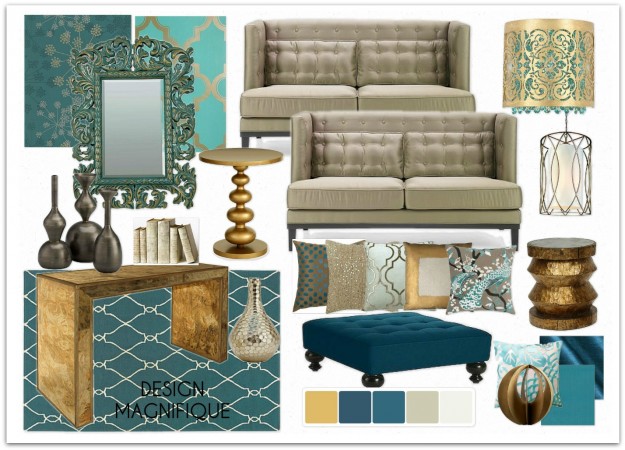
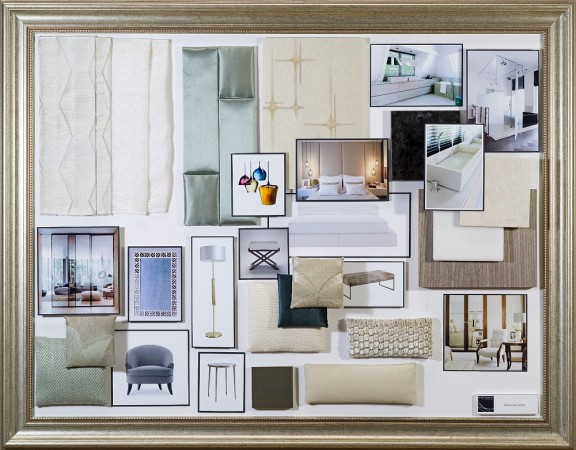
Mood boards should include furniture, rugs, paint colors, fabrics and accessories. Try to obtain samples when possible so you can see the actual product firsthand.
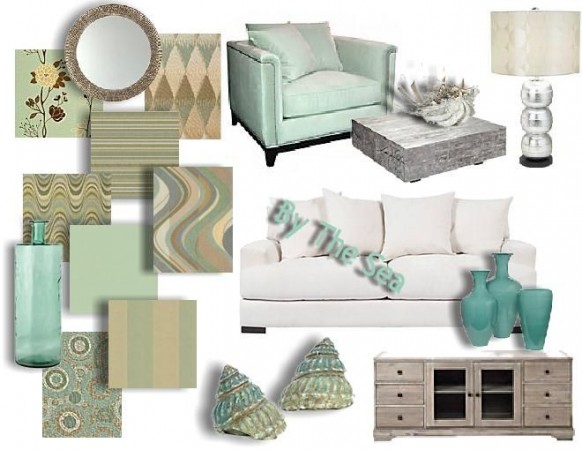
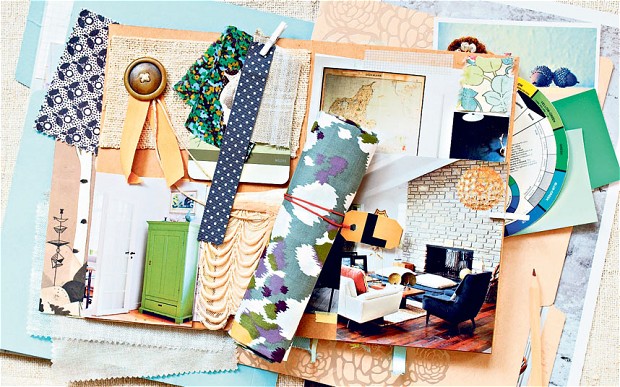
This mood board includes samples of fabrics, wallpaper and paint along with room photos to reference for style.
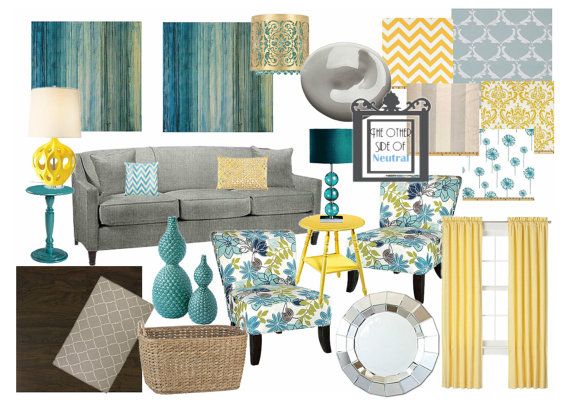
With a mood board, you can lay out furniture and accessories as you would in the actual room to visualize the finished look.
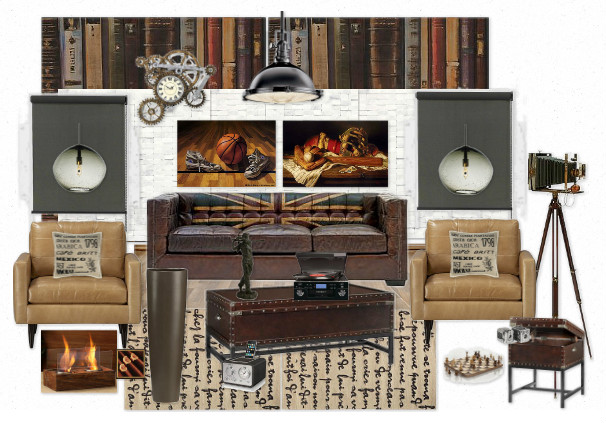
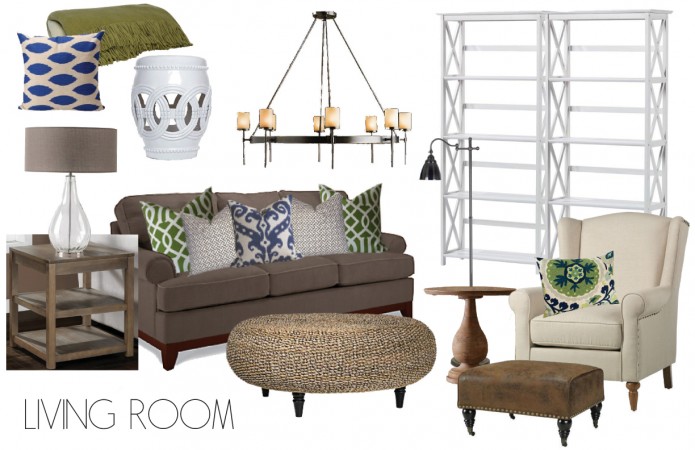
Placing furniture next to the colors or patterns you intend to use gives you an overview of how the design will look in reality and allows you the option to change whatever doesn’t work before making any purchases. Once you’ve created a mood board, take it along with you to the store when selecting products.
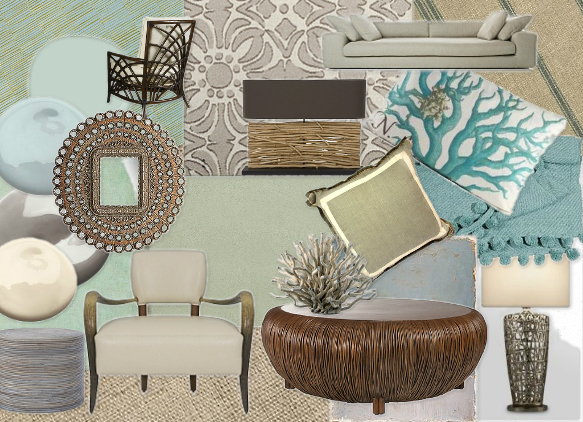
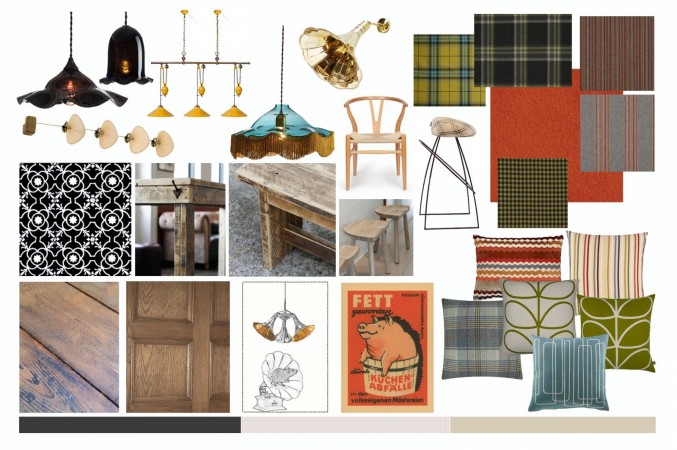
This mood board is a concise compilation of elements that will help with purchasing the products for the project. It is a layout that shows where each element will be in the design, allowing you to see exactly how items will work together.
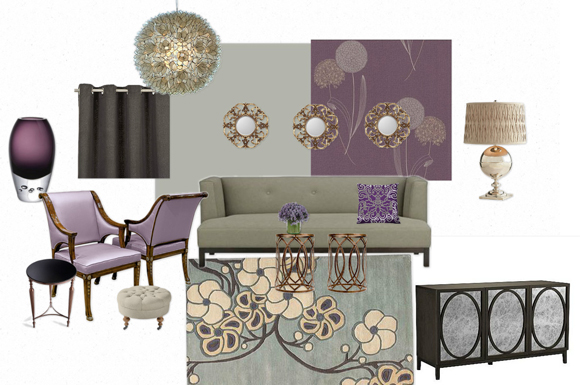
Mood boards allow those with no artistic leanings to create rooms from photos found in magazines and online. It is a visual wish-list that can be edited for how you want your room to look.
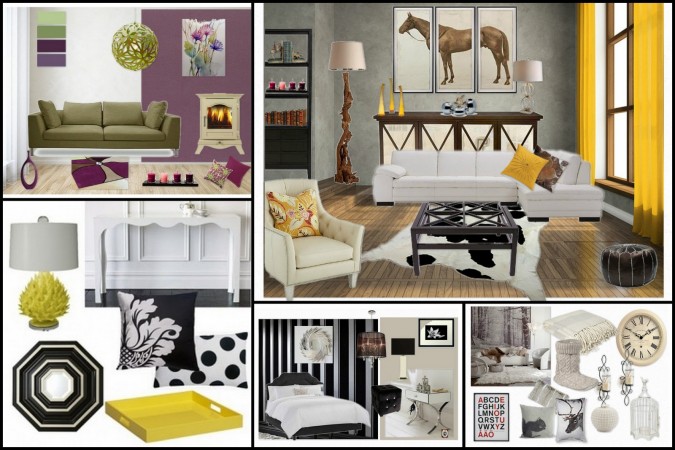
You may also want to include room layouts and/or diagrams to scale so you will know precisely how furnishings will fit in your space.
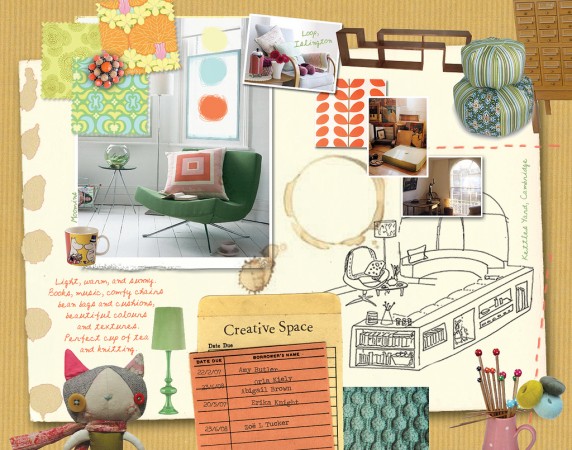
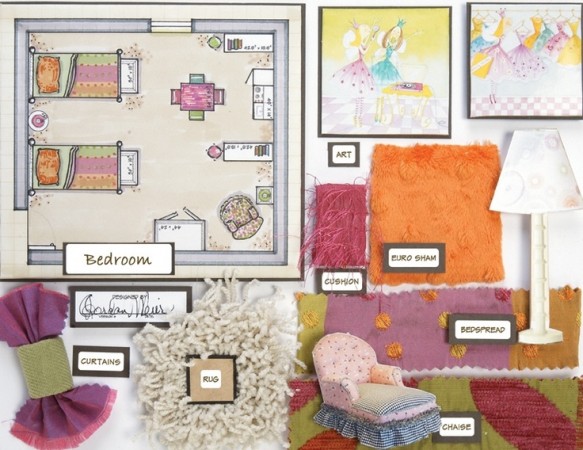
If you have the layout already in mind, creating a mood board that contains all of the samples you’ve obtained is another way to visualize the finished product. By placing the fabrics you’ve selected next to the style of furniture you want, you can better visualize how they will work together.
If you find a fabric you love, you can let that be your starting point and select wall coverings, rugs and accessories to pair with that choice.
Creating mood boards is a fun way to start your interior design project. It is a visual aid that will be a valuable part of your planning process.
How to Create a Mood Board for Planning Your interiors
A mood board is a powerful tool used by interior designers to visually communicate design concepts to clients. It brings together various elements such as fabrics,flooring,paint colors,and trim samples on a tactile board. Creating a mood board can help you stay focused and get a clear vision of how your room will look once the design is implemented in your home.
Benefits and Practical Tips
Creating a mood board for your interiors offers several benefits:
- Helps you visualize the overall look and feel of the room
- Aids in making informed decisions about colour schemes and materials
- Ensures cohesion and harmony in design elements
- Facilitates dialogue with designers and contractors
follow these practical tips to create an effective mood board for your interior design project:
- Gather Inspiration: Start by collecting inspiration from magazines,online platforms,and design websites. Create a digital folder or physical scrapbook to save images, color swatches, and textures that appeal to you.
- Select Key Elements: Identify the key elements you want to incorporate in your room design such as furniture styles, lighting fixtures, and decorative items. Choose samples that represent these elements.
- choose a Layout: Decide on the layout of your mood board. You can arrange samples in a grid pattern, overlapping layers, or a freestyle collage. Experiment with diffrent arrangements until you find the one that best captures your vision.
- Consider Texture and Contrast: Incorporate a mix of textures and materials on your mood board to add depth and interest to the design.Contrast light and dark colors to create visual impact.
- Include Accents: Don’t forget to include accent pieces such as throw pillows, rugs, and artwork. these elements add personality and character to the room.
- Review and Refine: Step back and review your mood board to ensure that the elements work harmoniously together. Make adjustments as needed to refine the overall look.
Case Studies
Let’s explore a couple of case studies where creating a mood board was instrumental in achieving stunning interior designs:
Case Study 1: Modern Minimalist Living Room
in this case, the designer created a mood board featuring a neutral color palette, sleek furniture pieces, and metallic accents. The client was able to visualize the minimalist concept and approved the design with confidence.
Case Study 2: Bohemian Bedroom Retreat
For a bohemian-inspired bedroom,the mood board included vibrant textiles,eclectic patterns,and nature-inspired elements.By seeing the design come to life on the mood board, the client felt excited and inspired about the transformation.
Firsthand Experience
As someone who has created mood boards for multiple interior design projects, I can attest to their effectiveness in streamlining the design process and ensuring client satisfaction. The visual depiction provided by a mood board helps bridge the gap between imagination and reality, turning ideas into tangible designs.
| Element | Description |
|---|---|
| Texture | Adding different textures enhances visual appeal. |
| Color Scheme | Choosing a cohesive color palette ties the room together. |
| Furniture Style | Selecting furniture that complements the overall theme is crucial. |
| Lighting | Proper lighting can set the mood and highlight design elements. |
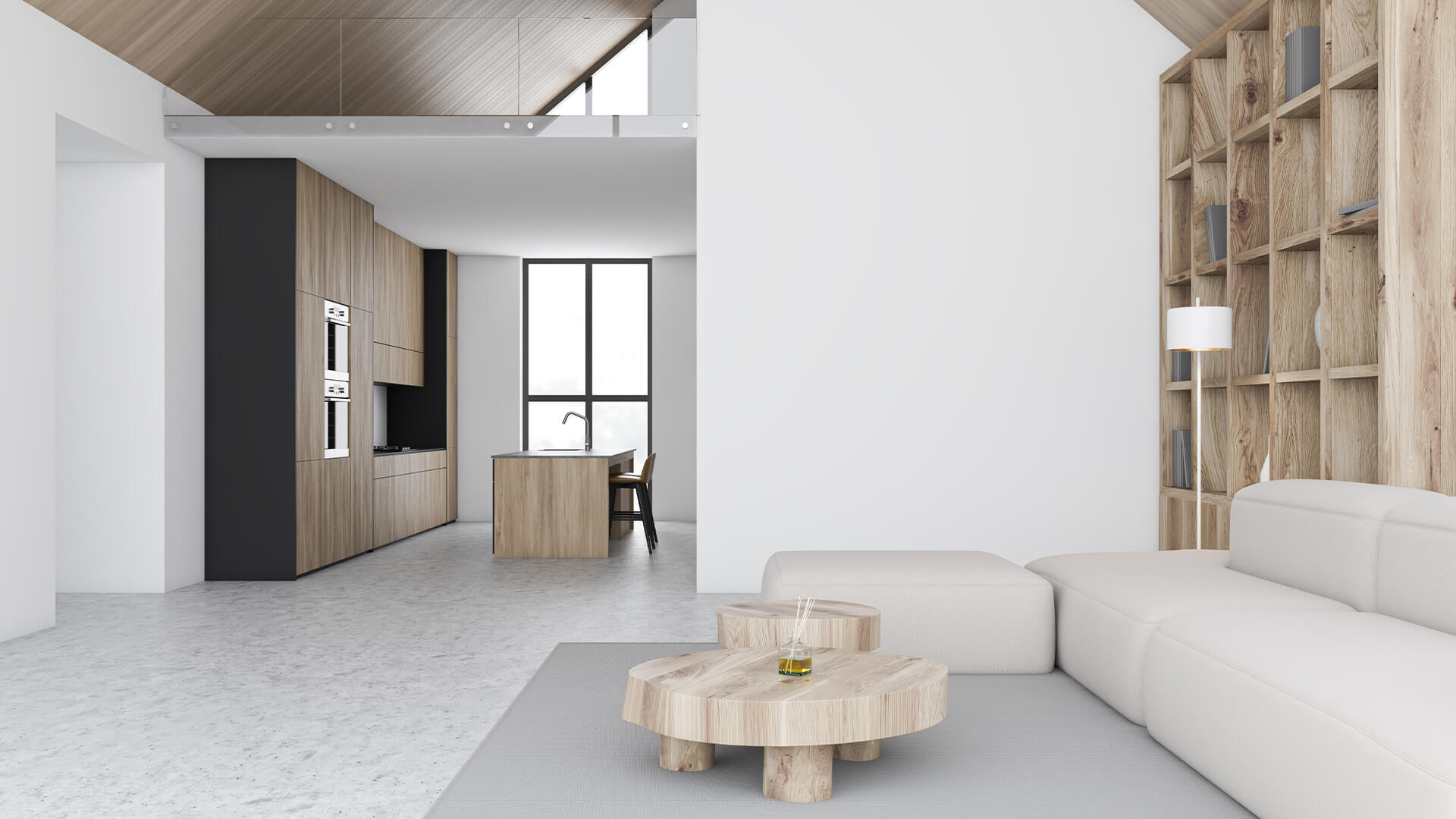
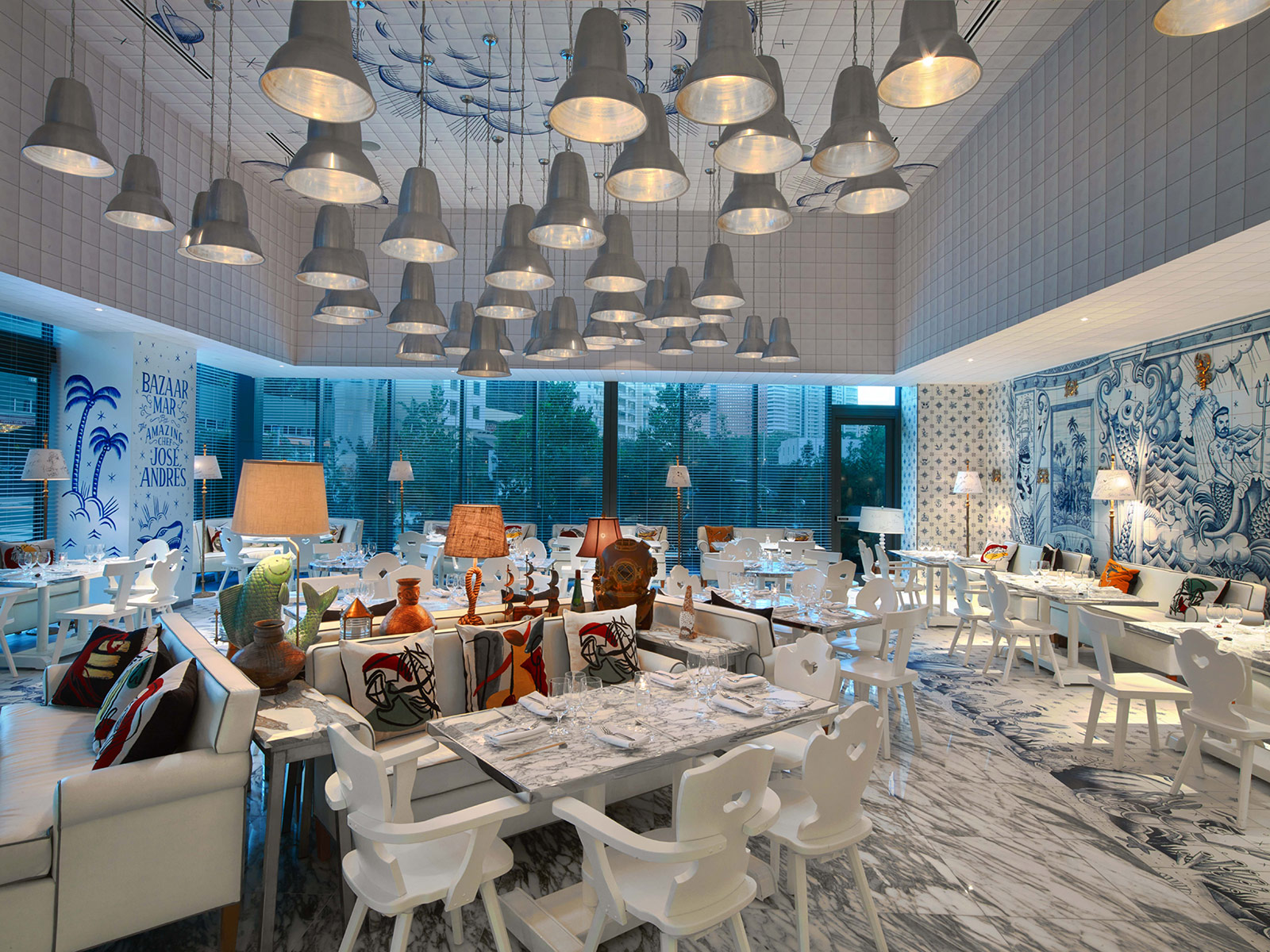
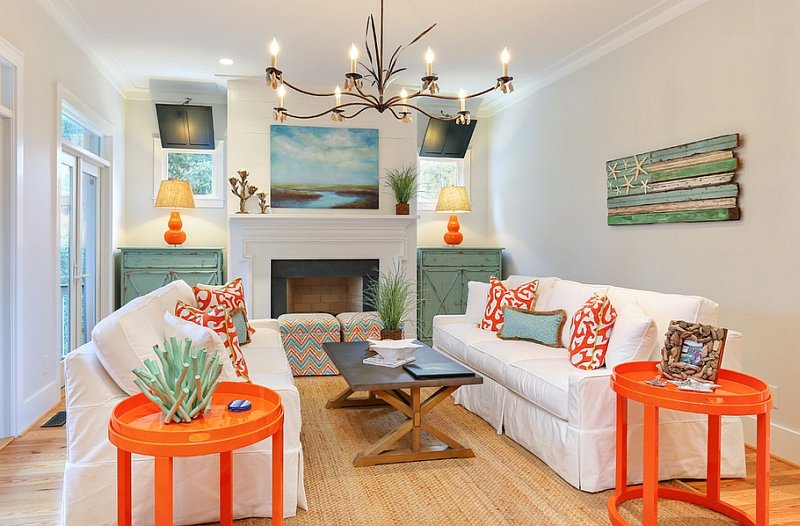
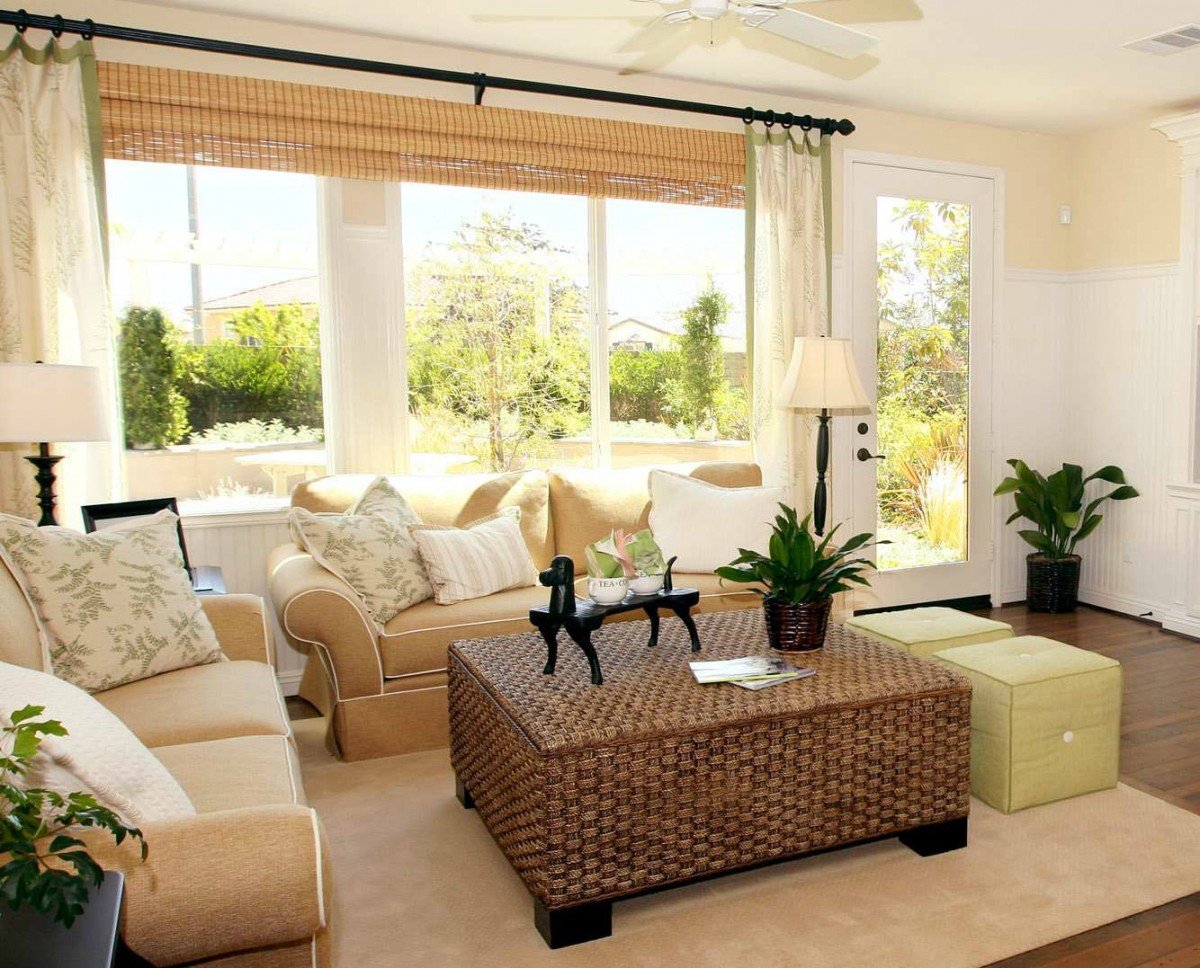
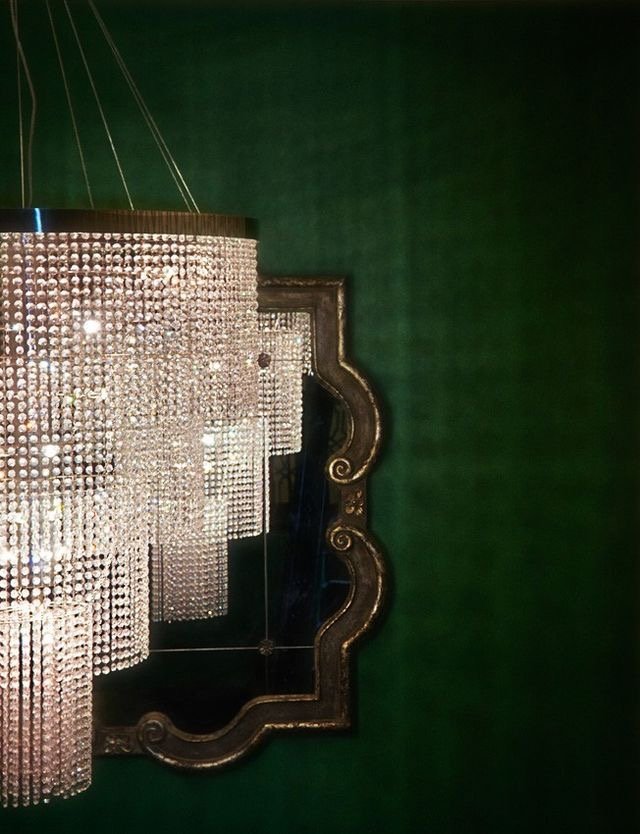
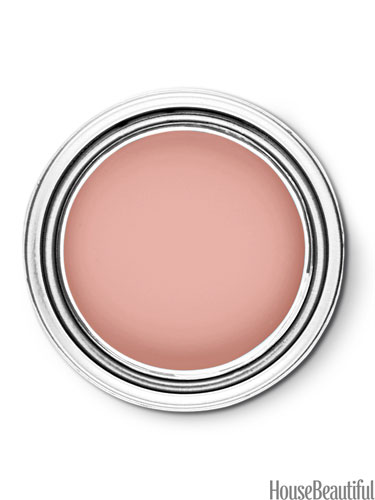
find a print fabric, then choosing the other matching things are really helpful
A mood board is such a fantastic way to visualize your ideas! It’s like creating a mini version of your ideal space that helps you see how colors, textures, and styles work together.