
In the world of interior design, the power of colour extends far beyond mere aesthetics; it shapes our emotions, influences our moods, and defines the very essence of our living spaces. While crisp whites have long held the crown in the realm of wall colors, a new trend is emerging – one that embraces softness and warmth while still offering a fresh palette for expression. In this article, we explore five wall colors that designers are currently adoring, each offering a gentle choice to the starkness of white. These shades invite a sense of tranquility and comfort, providing the perfect backdrop for personal style while transforming spaces into serene havens. Join us as we delve into these softer hues that promise to redefine the way we perceive our interiors.
Embracing Subtlety: The Allure of Soft Neutrals
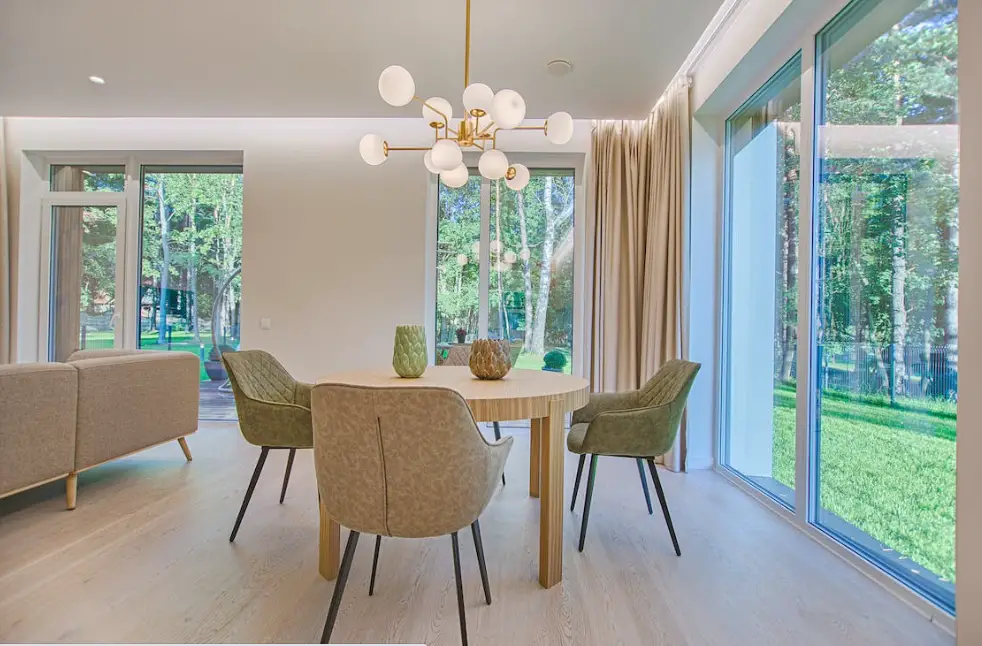
In the realm of interior design, where bold colors frequently enough steal the spotlight, there is a quiet revolution happening with soft neutrals. These hues serve as a gentle canvas, allowing other elements in a room to shine while providing a serene backdrop. From delicate beige to whispering greys, these subtle shades invoke feelings of calm and tranquility. Designers are gravitating towards them as of their versatility, enabling the creation of spaces that feel both inviting and sophisticated. The allure lies in their ability to harmonize with a variety of styles, whether it’s modern minimalism, rustic charm, or classic elegance.
Utilizing soft neutrals opens up a myriad of possibilities for decor and accessories. Their understated elegance provides the perfect stage for decor items to pop. Consider incorporating textures and layered elements to enhance the depth of these shades. Some of the favored tones include:
- Warm taupe – adds a cozy feeling
- Dusty rose – lends a hint of warmth
- Soft sage – inspires tranquility
- Whisper blue – evokes a sense of peace
- Muted ivory – brightens without overpowering
| Color Name | Best Use | Complementary Colors |
|---|---|---|
| Warm Taupe | Living Room | Chocolate Brown, Cream |
| Dusty Rose | Bedroom | Soft Gray, White |
| Soft Sage | Kitchen | Rust Orange, White |
| Whisper Blue | Bathroom | coral, Navy |
| Muted Ivory | Hallway | Pastel Colors |

Mood and Atmosphere: How Color Influences Space
Colors do more than simply fill a room; they can evoke emotions and shape perceptions. the psychology of color suggests that different hues can promote feelings of calm, stimulation, or even melancholy. For instance, soft blues and greens tend to create a tranquil and serene atmosphere, making spaces feel open and airy. In contrast, warmer shades like soft taupe or muted peach can generate a cozy and inviting habitat. This nuanced approach to wall color invites designers to experiment with a range of options that cater not only to aesthetics but also to the emotional experience of the inhabitants.
In selecting wall colors, it’s crucial to consider the relationship between light and color, as lighting can dramatically alter how a color is perceived. Designers frequently enough rely on the following colors for their versatility in adapting to varying types of light:
- soft Grey: Works well in both natural and artificial light.
- Powder Blue: Infuses a room with freshness and calm.
- Warm Beige: Offers a neutral backdrop that complements any decor.
- Muted Sage: Creates a connection to nature, perfect for a relaxing room.
- Misty Lavender: Adds subtle elegance and depth without overwhelming.
Trendy Hues for a Timeless Look: Designer Favorites
As the quest for the perfect wall color evolves, designers are turning to softer alternatives that envelop spaces in a warm embrace, steering away from stark whites. This year, the focus is on hues that add depth and character, yet maintain a subtlety that complements any decor. Among the top picks are:
- Muted Sage: A calming green that brings a touch of nature indoors.
- whispering Beige: A versatile shade that pairs beautifully with both muted and vibrant accents.
- Powdered Blue: A soft and serene blue that infuses spaces with tranquility.
- Dusty Rose: A muted pink that offers a gentle warmth without overpowering.
- Light Gray: A sophisticated neutral that serves as a perfect backdrop for any design style.
These hues not only enhance the aesthetics of a room but also create an atmosphere of understated elegance. When considering the overall color palette, designers are recommending combinations that highlight these softer shades’ versatility. Below is a simple table to show how these colors can work harmoniously with others:
| Wall Color | Complementary Accent |
|---|---|
| Muted Sage | Burnt Orange |
| Whispering Beige | Deep Forest Green |
| Powdered Blue | Rich Navy |
| Dusty Rose | Charcoal Gray |
| Light Gray | Crisp White |

Versatile Combinations: Pairing with Furniture and Decor
Choosing wall colors that are softer than white opens up a world of creative possibilities when it comes to pairing with furniture and decor. soft beige or pale gray lends itself beautifully to natural wood furnishings, creating a harmonious, grounded aesthetic. For a touch of elegance, consider how muted pastels can enhance eclectic decor styles or vintage pieces. These shades also allow bold accent colors to pop without overwhelming the space, inviting playful combinations with shining rugs or artwork.
When styling with softer wall colors, keep in mind the textures and materials of your furnishings. A wall in dusty blue can contrast wonderfully with rustic wicker and plush, tactile fabrics, instilling a cozy, inviting feel. Create balance using a combination of metal accents and greenery; think chic gold frames or silver lamp bases paired with lush leafy plants. Consider the following combinations to inspire your decor choices:
| Wall color | Furnishing Styles | Accent Ideas |
|---|---|---|
| Soft Beige | Rustic Wood | woven Textiles |
| Muted Pastel | Vintage Pieces | Bold Art |
| Dusty blue | Modern Minimal | Metal Accents |

Transformative Spaces: Case Studies of Successful Implementations
In the realms of interior design, the right wall color can act as a powerful catalyst for change, shifting the ambiance and perception of a space. One striking case study can be found in a boutique hotel that opted for a soft, muted sage green in lobby areas, transforming what was once a stark environment into a warm, inviting space that encourages relaxation. This gentle hue not only complements natural light but also pairs exceptionally well with brass fixtures and wooden accents,creating a cohesive design that draws guests in. Designers praised the choice for it’s ability to foster a sense of tranquility, seamlessly integrating the indoor and outdoor experiences.
Another remarkable implementation was seen in a modern office space, where the designers bravely chose a deep, muted terracotta for collaborative areas. Rather than overwhelming the senses, this shade provided an earthy grounding that boosted creativity while maintaining focus. The richness of the color was balanced with lighter furniture and greenery, resulting in an energizing environment. A key element in this successful design was the combination of wall color and texture, achieved through a mix of smooth and matte finishes. This not only enhanced the visual appeal but also encouraged tactile interaction, making the color a catalyst for productive collaboration.
Wrapping up
As we step away from the stark brightness of traditional whites, it’s clear that the world of wall color is embracing a more nuanced palette. The five hues we’ve explored—gentle blush, serene sage, airy greys, warm taupes, and muted blues—offer a softer alternative that brings warmth and personality into any space. Each shade tells its own story, inviting creativity and comfort into the heart of your home.Whether you’re looking to refresh a single room or embark on a full-scale transformation, these colors provide an opportunity to express your own unique style. As you consider your next project, remember: sometimes, it’s the subtle tones that make the biggest impact. Embrace the softer side of design, and let your walls reflect the essence of who you are.Happy decorating!